North Carolina snakes: ID chart
41 snakes, 6 venomous (listed first). Last checked November 3, 2026.
The 6 venomous snakes come first: Carolina Pygmy Rattlesnake, Copperhead, Eastern Coral Snake, Eastern Cottonmouth, Eastern Diamondback Rattlesnake, Timber Rattlesnake. The rest follow from A to Z, each with a photo where we have one and a short note on where it lives in North Carolina. The chart prints on letter or A4 paper; on screen, open any name on the North Carolina snakes page for photos, range and sources.
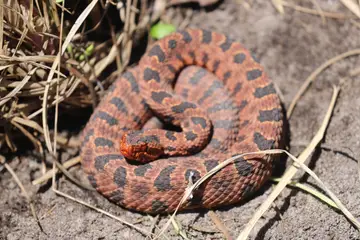
Carolina Pygmy Rattlesnake
Sistrurus miliarius miliarius
Venomous
Pigmy rattlesnakes reach a length of 26 inches and occur primarily in the eastern and southeastern coastal …
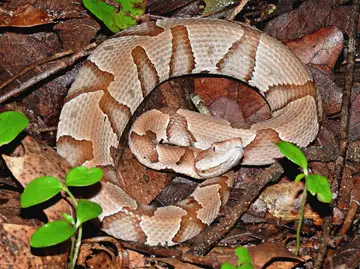

Copperhead
Agkistrodon contortrix
Venomous
They are the most common venomous snake in the state and occur across North Carolina, except for the Outer …
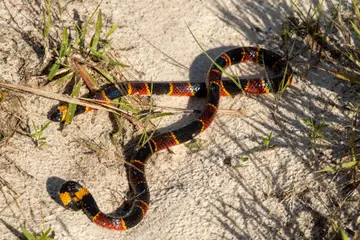
Eastern Coral Snake
Micrurus fulvius
Venomous
These rare snakes are currently located only in the southeastern corner of North Carolina.
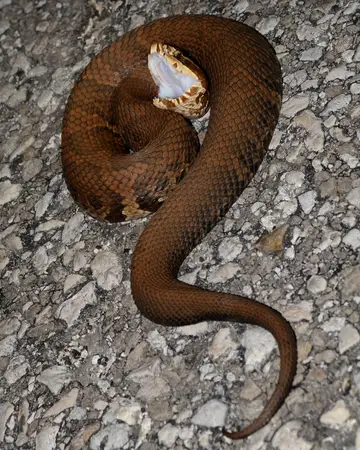

Eastern Cottonmouth
Agkistrodon piscivorus
Venomous
The cottonmouth (sometimes called water moccasin) can reach a length of 71 inches and occurs in the coastal …
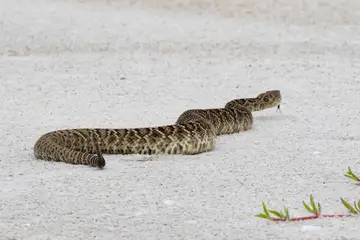
Eastern Diamondback Rattlesnake
Crotalus adamanteus
Venomous
This rare snake occurs only in the southeastern corner of North Carolina.
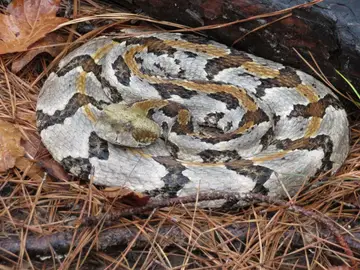

Timber Rattlesnake
Crotalus horridus
Venomous
Dorsally, the scales are keeled and vary in color across their range.
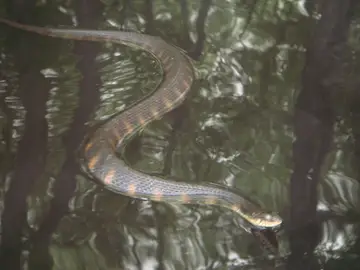
Banded Water Snake
Nerodia fasciata fasciata
Non-venomous
Banded water snakes can reach lengths of 55 inches and occur in the coastal plain and sandhills of North …
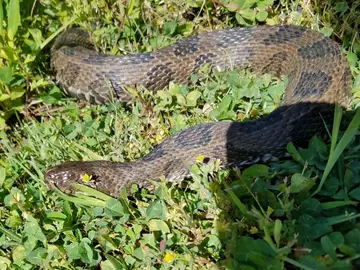
Brown Water Snake
Nerodia taxispilota
Non-venomous
Brown water snakes occur in the coastal plain, southern piedmont, and sandhills.
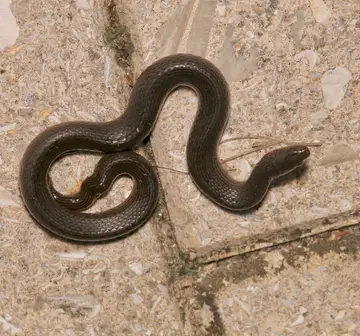
Carolina (Black) Swamp Snake
Seminatrix pygaea paludis
Non-venomous
Black swamp snakes can reach 19 inches in length and occur in the outer coastal plain from Bodie Island …
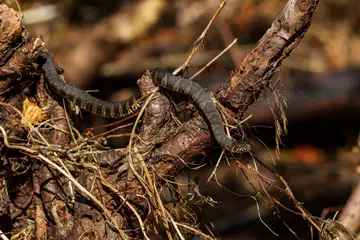
Carolina Saltmarsh (Water) Snake
Nerodia sipedon williamengelsi
Non-venomous
In populations on the Outer Banks and near brackish water, individuals have a dark-brown base color with …
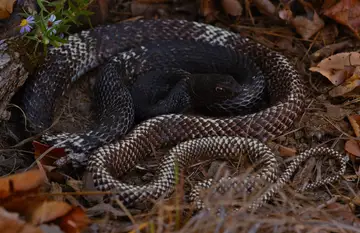

Coachwhip
Masticophis flagellum flagellum
Non-venomous
This snake occurs primarily in the southeastern coastal plain and sandhills.
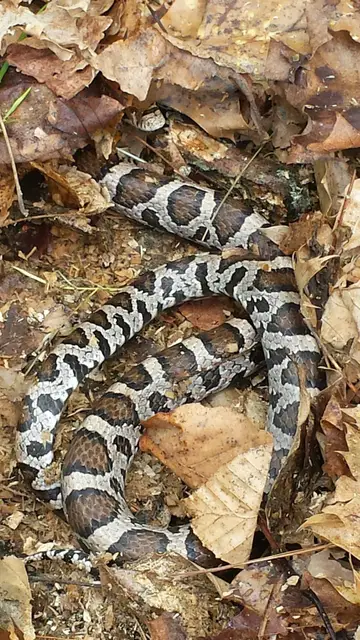
Coastal Plain Milk Snake
Lampropeltis triangulum temporalis
Non-venomous
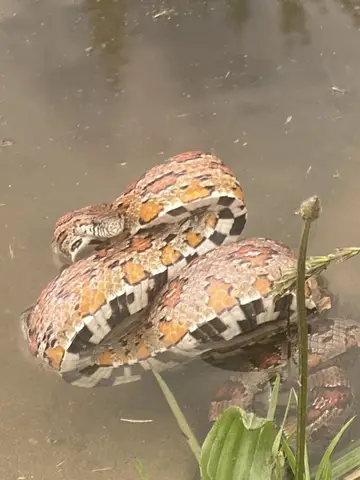
Corn Snake
Elaphe guttata
Non-venomous
Corn snakes reach 72 inches in length and occur statewide.
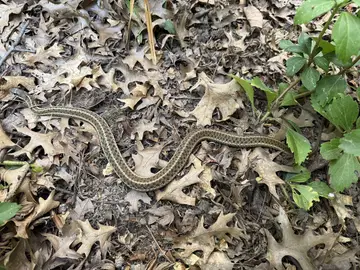

Eastern Garter Snake
Thamnophis sirtalis sirtalis
Non-venomous
Eastern garter snakes can reach a length of 42 inches and occur throughout North Carolina.
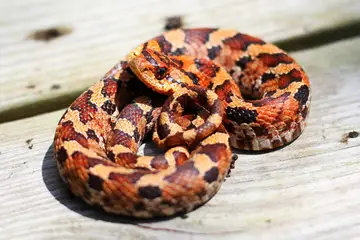
Eastern Hog-nosed Snake
Heterodon platirhinos
Non-venomous
They occur throughout North Carolina and have highly variable color patterns.
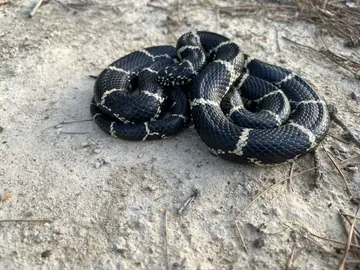
Eastern Kingsnake
Lampropeltis getula
Non-venomous
They occur across most of North Carolina, most commonly in the coastal plain, but are absent from much of the …
Eastern Milk Snake
Lampropeltis triangulum
Non-venomous
Eastern milk snakes can reach a length of 45 inches and occur primarily in the mountains of North Carolina.
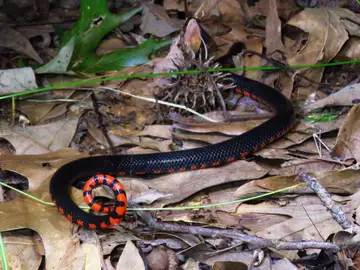
Eastern Mudsnake
Farancia abacura abacura
Non-venomous
Mud snakes reach a maximum length of 73 inches and occur in the coastal plain and lower piedmont of North …
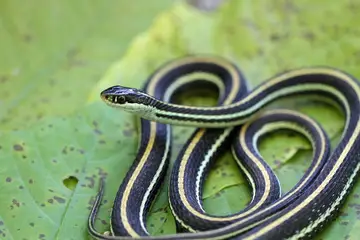

Eastern Ribbon Snake
Thamnophis sauritus sauritus
Non-venomous
They are most common in the coastal plain, but also occur throughout much of the piedmont and in portions of …
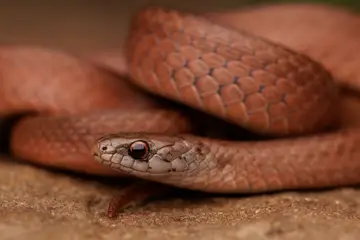

Eastern Smooth Earth Snake
Virginia valeriae valeriae
Non-venomous
They range throughout much of the piedmont, southern mountains, and coastal plain of North Carolina.
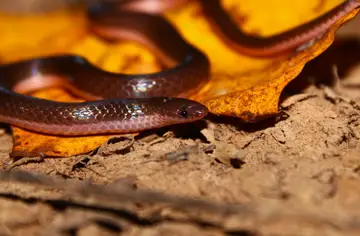
Eastern Worm Snake
Carphophis amoenus amoenus
Non-venomous
Eastern worm snakes occur statewide and typically reach 13 inches in length.
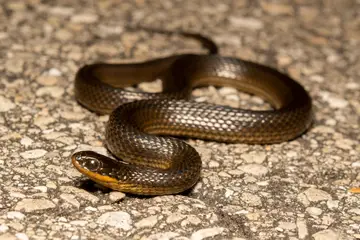
Glossy Crayfish Snake
Regina rigida rigida
Non-venomous
Glossy crayfish snakes can reach lengths of 31 inches and occur in portions of the southern and outer coastal …
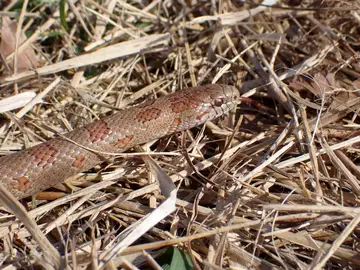
Mole Kingsnake
Lampropeltis rhombomaculata
Non-venomous
They occur throughout most of North Carolina except for most of the mountains and the northeastern coastal …
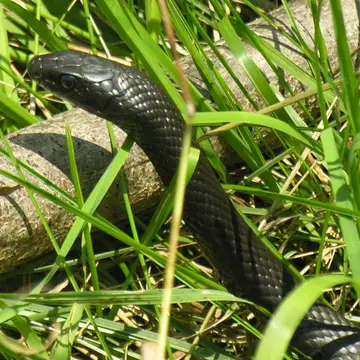
Northern Black Racer
Coluber constrictor constrictor
Non-venomous
Black racers typically reach 66 inches in length and occur statewide.
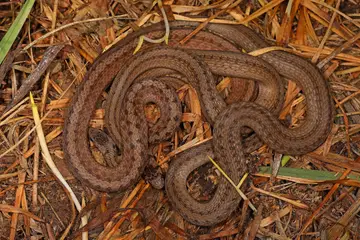

Northern Brown Snake
Storeria dekayi
Non-venomous
They occur throughout North Carolina except for portions of the mountains.
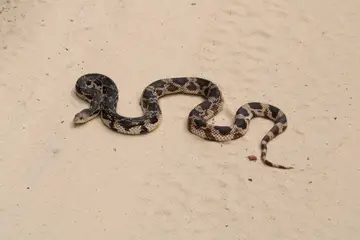
Northern Pine Snake
Pituophis melanoleucus melanoleucus
Non-venomous
They occur primarily in the sandhills, but small populations also persist in the extreme southeastern coastal …
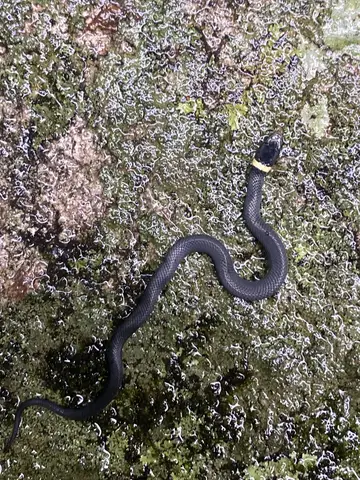
Northern Ringneck Snake
Diadophis punctatus edwardsii
Non-venomous
Ring-necked snakes reach 20 inches in length and occur statewide.
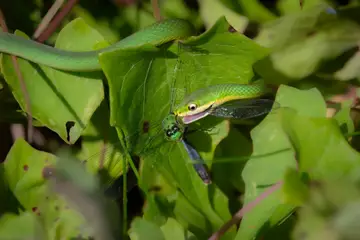
Northern Rough Green Snake
Opheodrys aestivus aestivus
Non-venomous
They occur throughout North Carolina except for the higher elevations in the mountains.
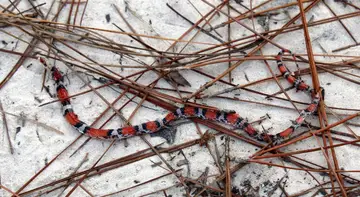
Northern Scarlet Snake
Cemophora coccinea copei
Non-venomous
Scarlet snakes occur throughout much of the coastal plain and piedmont of North Carolina, but they are rare …
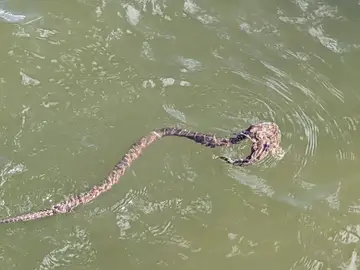
Northern Water Snake
Nerodia sipedon sipedon
Non-venomous
Northern water snakes can reach a length of 50 inches and occur throughout most of the mountains, piedmont …
Outer Banks Kingsnake
Lampropeltis getula sticticeps
Non-venomous
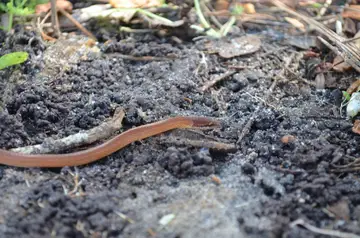
Pine Woods Snake
Rhadinaea flavilata
Non-venomous
Pine woods snakes can reach 15 inches in length and occur in the southeastern coastal plain, with separate …
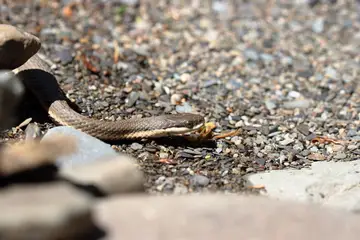

Queen Snake
Regina septemvittata
Non-venomous
Queen snakes can reach a length of 34 inches and occur in the piedmont and mountains of North Carolina.
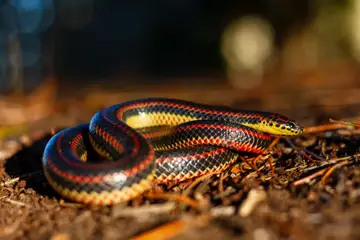
Rainbow Snake
Farancia erytrogramma erytrogramma
Non-venomous
These highly aquatic snakes are active at night and occur primarily along the coastal plain of North Carolina …
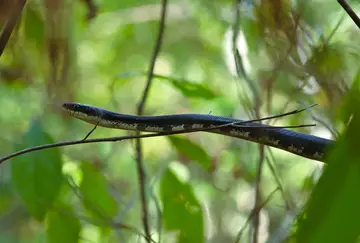

Ratsnake
Elaphe obsoleta
Non-venomous
They occur statewide.
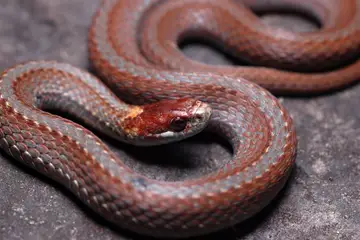

Red-bellied Snake
Storeria occipitomaculata
Non-venomous
Red-bellied snakes can reach 12 inches in length and occur throughout North Carolina.
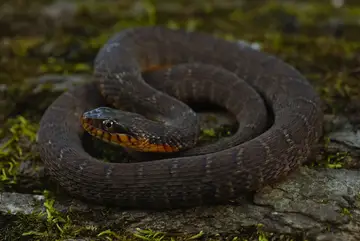

Red-bellied Water Snake
Nerodia erythrogaster
Non-venomous
Red-bellied water snakes can reach 60 inches in length and occur in the eastern half of North Carolina.
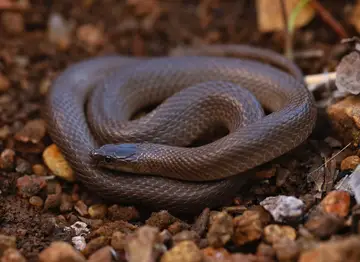

Rough Earth Snake
Virginia striatula
Non-venomous
Rough earth snakes reach a length of 13 inches and occur throughout the eastern piedmont and the coastal …
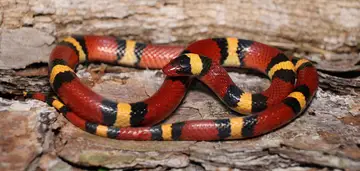

Scarlet Kingsnake
Lampropeltis elapsoides
Non-venomous
It occurs primarily in the coastal plain but also in small populations in the piedmont and mountains.
Southeastern Crowned Snake
Tantilla coronata
Non-venomous
They are most common in the southeastern coastal plain and sandhills, but they also occur over much of the …
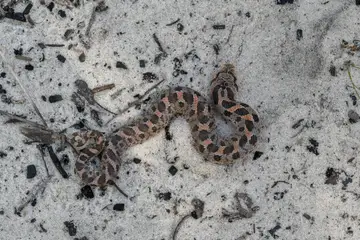
Southern Hognose Snake
Heterodon simus
Non-venomous
The southern hognose occurs only in the southeastern portion of the sandhills and coastal plain.
A picture cannot confirm what an animal is or that it is safe. Never handle a wild animal. Sources: 2025 SWAP Appendix 3 Table 3-7 REPTILES SGCN and Priority Species List (2025 WAP Revision Taxa Team Evaluations) (N.C. Wildlife Resources Commission); Snakes: Family Colubridae (AG-472-02) (NC State Extension); Brown Water Snake (NCWRC species page) (N.C. Wildlife Resources Commission); Carolina Swamp Snake (NCWRC species page) (N.C. Wildlife Resources Commission); Pigmy Rattlesnake (NCWRC species page) (N.C. Wildlife Resources Commission); Snakes: Family Viperidae (AG-472-02) (NC State Extension); and others listed on the web page. stateswildlife.com/north-carolina/snakes/