States Wildlife

Invasive and nonnative animals by state

Invasive animals can harm native wildlife, crops and sometimes people. Each state guide lists the nonnative animals named by the state's own agency, the aquatic species USGS records as established there, and the agency's reporting contact.

On this page
  1. By state
  2. Species guides
  3. Federal injurious wildlife
  4. Reporting

By state

StateOn state listsEstablished (USGS)
Alabama34
Alaska9—
Arizona31
Arkansas181
California94
Colorado6—
Connecticut9—
Delaware161
Florida4514
Georgia323
Hawaii208
Idaho91
Illinois3—
Indiana20—
Iowa18—
Kansas3—
Kentucky8—
Louisiana645
Maine8—
Maryland291
Massachusetts2—
Michigan1—
Minnesota32—
Mississippi204
Missouri211
Montana22—
Nebraska46—
Nevada22—
New Hampshire8—
New Jersey161
New Mexico51
New York181
North Carolina452
North Dakota5—
Ohio1—
Oklahoma101
Oregon81
Pennsylvania6—
Rhode Island61
South Carolina83
South Dakota19—
Tennessee171
Texas53
Utah10—
Vermont8—
Virginia63
Washington112
West Virginia601
Wisconsin4—
Wyoming9—

State lists differ in scope: some name every nonnative animal recorded, others only regulated or priority species. USGS counts cover aquatic and semi-aquatic animals in this guide's groups. U.S. Geological Survey. [2026]. Nonindigenous Aquatic Species Database. Gainesville, Florida. Accessed [11/3/2026].

Invasive species guides

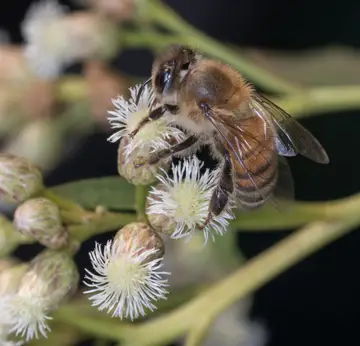
Africanized Honey Bee
Photo: Jesse Rorabaugh · CC0 1.0 · iNaturalist

Africanized Honey Bee

Apis mellifera (African-derived hybrids; A. m. scutellata)

Called invasive by Alabama and by UF/IFAS; on the Louisiana watch list; Hawaii treats it as an invasive species to report.
Alligator Snapping Turtle
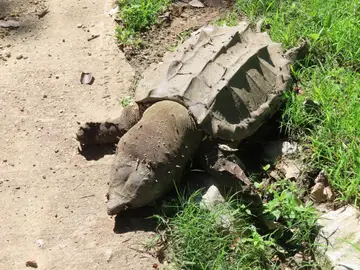
Photo: Eric Schmidt · CC BY 4.0 · iNaturalist

Alligator Snapping Turtle

Macrochelys temminckii

Not described as invasive. Native in the Southeast and Mississippi Valley; scattered nonnative records elsewhere are probably released pets, and USGS says their impacts are unknown.
American Bullfrog
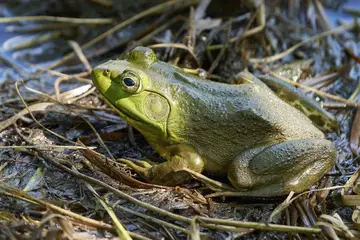
Photo: Paul Danese · CC BY-SA 4.0 · Wikimedia Commons · resized

American Bullfrog

Lithobates catesbeianus

Invasive where introduced in the West: California calls it an invader that preys on and outcompetes native frogs and carries chytrid fungus; Utah DWR calls it invasive; Arizona says bullfrog predation has contributed to declines of native leopard frogs and gartersnakes. USGS NAS notes it is ranked among the world's 100 worst invasive species.
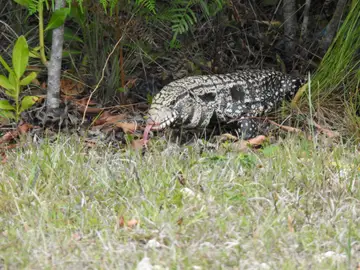
Argentine Black and White Tegu
Photo: Andrew Durso · CC BY 4.0 · iNaturalist

Argentine Black and White Tegu

Salvator merianae

Florida: not native and considered invasive; on the Prohibited species list. Georgia: invasive, listed as a wild animal, cannot be imported or bred. South Carolina: Restricted Nonnative Wildlife since May 28, 2021.
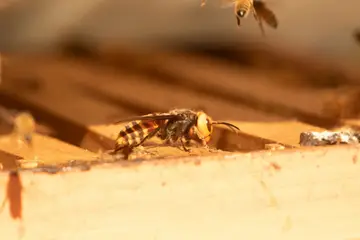
No confirmed photo of Asian Longhorned Tick

Asian Longhorned Tick

Haemaphysalis longicornis

Invasive pest (USDA APHIS); not normally found in the Western Hemisphere.
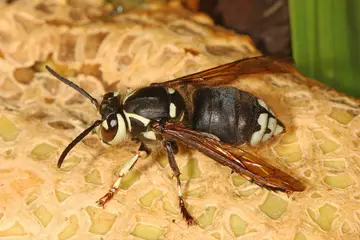
Black rat snake
Photo: Whitney Mattila · CC BY 4.0 · iNaturalist

Black rat snake

Pantherophis obsoletus (broad sense; formerly Elaphe obsoleta obsoleta)

Native where stated: Louisiana (LDWF, western ratsnake) and Virginia (DWR lists central ratsnake with no naturalized mark).
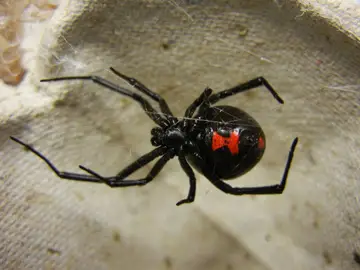
Black widow spiders
Photo: Shenrich91 · CC BY-SA 3.0 · Wikimedia Commons · resized

Black widow spiders

Latrodectus (US black widows: Latrodectus mactans, L. variolus, L. hesperus)

Penn State says black widows are native in Pennsylvania and LSU AgCenter says both the northern and southern black widows are native. UC IPM calls the related brown widow non-native.
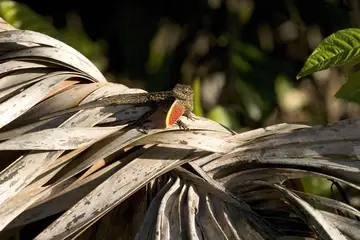
Brown anole
Photo: Everglades NPS from Homestead, Florida, United States · Public domain · Wikimedia Commons

Brown anole

Anolis sagrei

Louisiana lists it as an invasive species in its 2025 State Wildlife Action Plan. FWC lists it as nonnative in Florida. SREL says its effect on native wildlife is uncertain; Alabama DCNR says its eating hatchling green anoles may be affecting green anole populations.
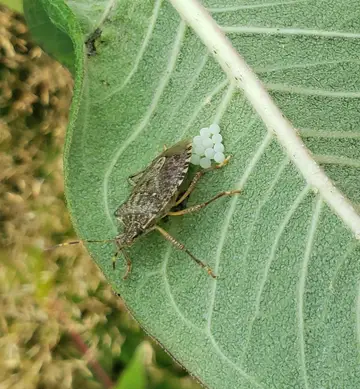
Brown widow spider
Photo: Jesse Rorabaugh · CC0 1.0 · iNaturalist

Brown widow spider

Latrodectus geometricus

Non-native. UC IPM calls it an invasive, non-native pest species; Louisiana DWF includes it on its 2025 Invasive Species List.
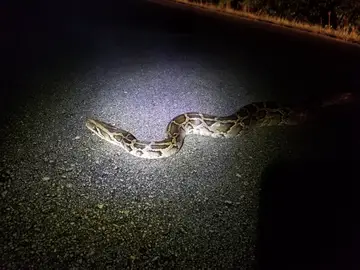
Burmese Python
Photo: Court Harding · CC BY 4.0 · iNaturalist

Burmese Python

Python bivittatus

Invasive and established in Florida; NPS says pythons are probably the main reason mammals have declined very sharply in Everglades National Park.
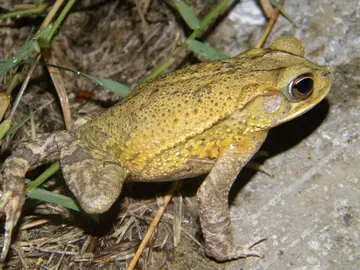
Cane Toad
Photo: Maximilian Paradiz from Amsterdam, Netherlands · CC BY 2.0 · Wikimedia Commons

Cane Toad

Rhinella marina (formerly Bufo marinus); native south Texas toads are now treated by USGS as Rhinella horribilis

Florida FWC lists it as nonnative and invasive.
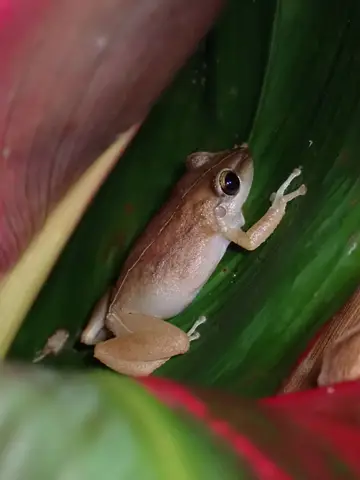
Coral snakes
Photo: Court Harding · CC BY 4.0 · iNaturalist

Coral snakes

Micrurus and Micruroides (family Elapidae): US coral snakes Micrurus fulvius, Micrurus tener, Micruroides euryxanthus

native (not an invasive species)
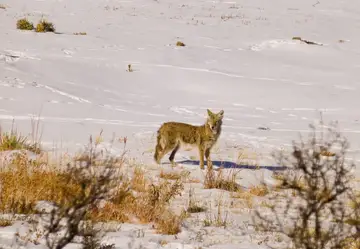
Coyote
Photo: Gaurav Vaidya from Chapel Hill, USA · CC BY 2.0 · Wikimedia Commons

Coyote

Canis latrans

Georgia DNR calls the coyote non-native in Georgia; no source consulted calls it invasive
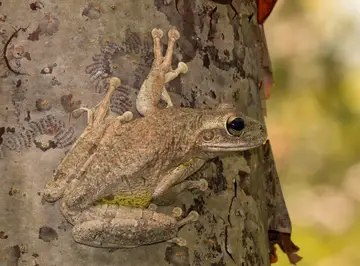
Cuban treefrog
Photo: Charles J. Sharp · CC BY-SA 4.0 · Wikimedia Commons · resized

Cuban treefrog

Osteopilus septentrionalis

Invasive in Florida and elsewhere in the US (UF/IFAS). It eats native treefrogs and appears responsible for declines of some native species, especially squirrel treefrogs; in lab experiments its tadpoles were superior competitors with the tadpoles of at least two native frogs. Louisiana lists it as invasive.
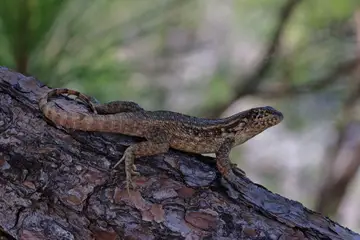
Curly-tailed Lizard
Photo: Rstanton13 · CC BY-SA 4.0 · Wikimedia Commons · resized

Curly-tailed Lizard

Leiocephalus carinatus

Nonnative and established in Florida. The National Park Service lists it as invasive at Everglades National Park, and USGS calls Florida populations invasive. FWC marks it as nonnative on its checklist and said in 2011 that threats to natives were unknown; a Florida Museum article says it threatens native lizards' food sources and preys on their hatchlings.
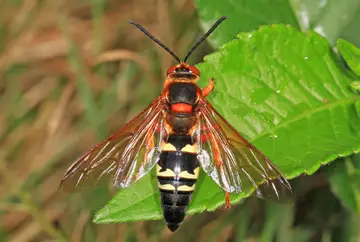
European Hornet
Photo: Dexter Hartsfield · CC BY 4.0 · iNaturalist

European Hornet

Vespa crabro

Nonnative (introduced from Europe in the 1800s), but Missouri says it does not appear to be invasive and, unlike the Asian giant hornet, does not destroy whole honeybee colonies.

No confirmed photo of False widow spiders

False widow spiders

Steatoda (US false widows: Steatoda grossa, S. nobilis, S. borealis; also S. triangulosa)

UC IPM calls S. grossa a European immigrant and S. nobilis a European native newly established in California.
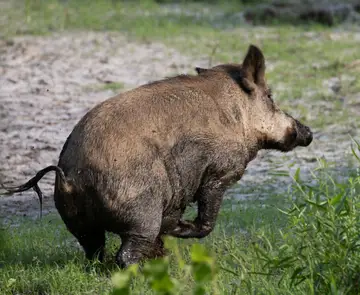
Fire ants
Photo: Judy Gallagher · CC BY 2.0 · Wikimedia Commons

Fire ants

Solenopsis (fire ants); page focuses on the red imported fire ant, Solenopsis invicta

Imported fire ants are invasive, introduced from South America (first at Mobile, Alabama, in the 1930s).
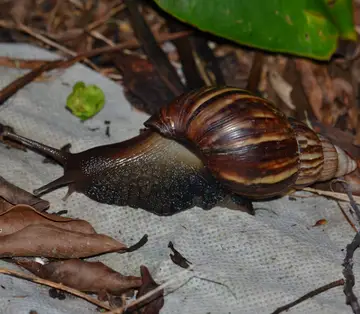
Giant African land snail
Photo: kbkash · CC0 1.0 · iNaturalist

Giant African land snail

Lissachatina fulica

Invasive in Florida (under quarantine and eradication) and Hawaii. Hawaii lists it as injurious wildlife, which may not be released or moved to islands where it is not established.
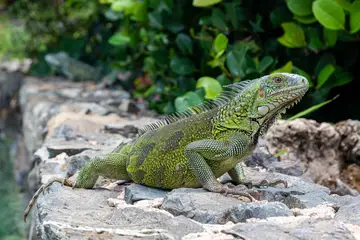
Green iguana
Photo: Aatu Dorochenko · CC BY-SA 4.0 · Wikimedia Commons · resized

Green iguana

Iguana iguana

Florida: FWC calls it an invasive species and has added it to Florida's Prohibited species list. Hawaii: illegal to import, possess or transport; all Iguanidae are on Hawaii's injurious wildlife list. Louisiana: on the state invasive species list (Tier 3).
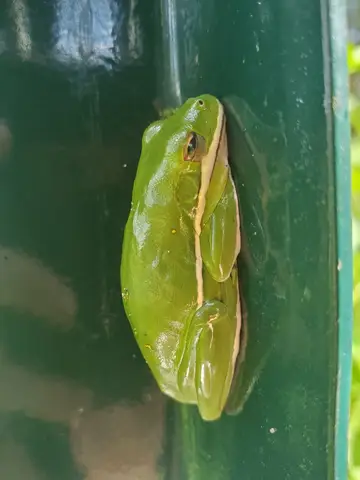
Green Treefrog
Photo: lightbed · CC0 1.0 · iNaturalist

Green Treefrog

Dryophytes cinereus

Native in most of its range. USGS tracks it as a native transplant outside that range and says it had no impact where not established.
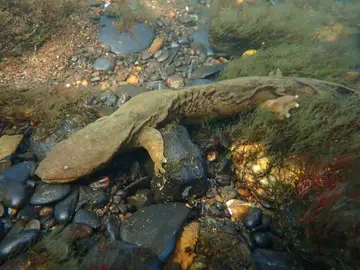
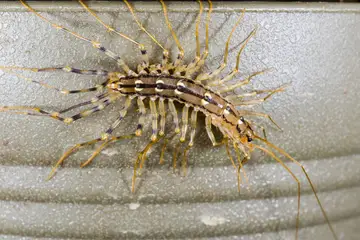
House centipede
Photo: David Levine from Portland, USA · CC BY 2.0 · Wikimedia Commons

House centipede

Scutigera coleoptrata

Introduced (non-native) from the Mediterranean region; no official source checked calls it invasive.
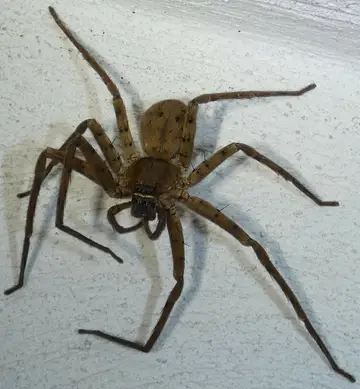
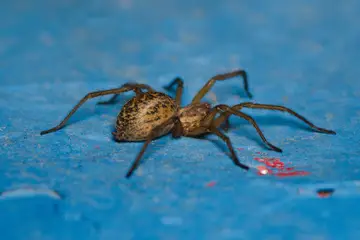
Huntsman spider
Photo: kcthetc1 · CC0 1.0 · iNaturalist

Huntsman spider

Sparassidae

Introduced to the US (UF/IFAS). Louisiana lists it on its Wildlife Action Plan invasive species list (Tier 3).

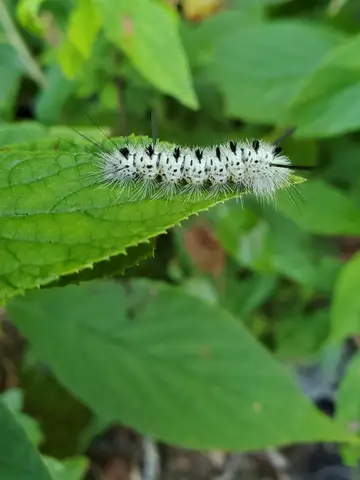
No confirmed photo of Io Moth Caterpillar

Io Moth Caterpillar

Automeris io

Not invasive; Montana FWP calls it native to that state.
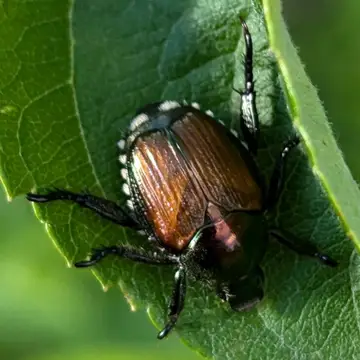
Japanese Beetle
Photo: Emmett Collins-Sussman · CC BY 4.0 · iNaturalist

Japanese Beetle

Popillia japonica

Invasive: WSDA calls it a destructive, invasive insect; Louisiana lists it on its SWAP invasive species list.
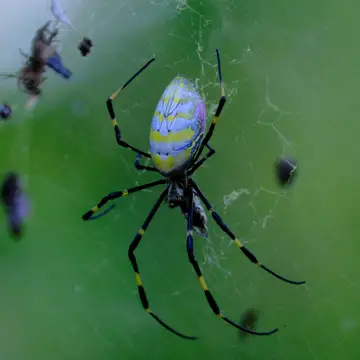
Joro spider
Photo: Amit Naik · CC BY 4.0 · iNaturalist

Joro spider

Trichonephila clavata

Non-native (introduced). Sources differ on the 'invasive' label: UGA CAES and N.C. Extension call it invasive. Alabama Extension (2022) said there was no evidence yet of harm to native species or ecosystems. Rutgers says its status as invasive is not yet determined. Ecological impact is still being studied.
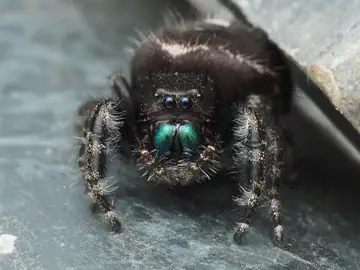
Jumping spiders
Photo: Zygy · CC0 1.0 · iNaturalist

Jumping spiders

Salticidae

Most are native; some species are introduced, e.g. the zebra jumper from Eurasia (Penn State) and the pantropical jumper on Louisiana's invasive species list (LDWF).
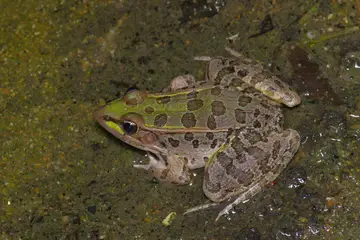
Leopard Frog
Photo: Michelle W. (鍾偉瑋) · CC BY 4.0 · iNaturalist

Leopard Frog

Lithobates (Rana) pipiens species group: leopard frogs. US species include Lithobates pipiens (northern), L. sphenocephalus (southern), L. blairi (plains), L. berlandieri (Rio Grande), L. chiricahuensis (Chiricahua), L. yavapaiensis (lowland), L. onca (relict) and L. kauffeldi (Atlantic Coast)

The Rio Grande leopard frog is introduced in southwestern Arizona and is spreading; Arizona Game and Fish says it will likely prey on and compete with native leopard frogs.
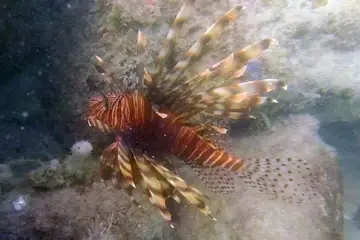
Lionfish
Photo: Kristof Zyskowski · CC BY 4.0 · iNaturalist

Lionfish

Pterois volitans and Pterois miles (two nearly identical species treated together)

Invasive in the US Southeast and Caribbean, per NOAA.
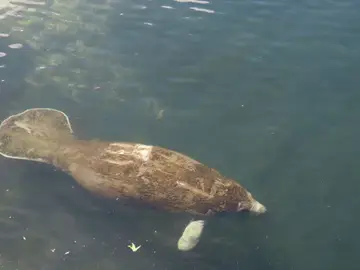
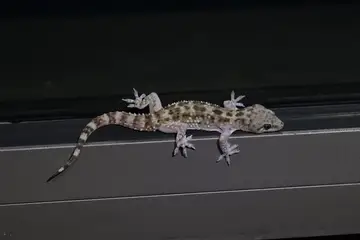
Mediterranean house gecko
Photo: Stephanie Tran · CC BY 4.0 · iNaturalist

Mediterranean house gecko

Hemidactylus turcicus

Non-native (introduced). Florida FWC lists it as established, first observed in 1910 and brought in with cargo. Louisiana's 2025 State Wildlife Action Plan includes it in its Invasive Species List (Table 6.1). South Carolina DNR says it may compete with native lizards. Indiana DNR says little is known about its effects on local ecosystems.
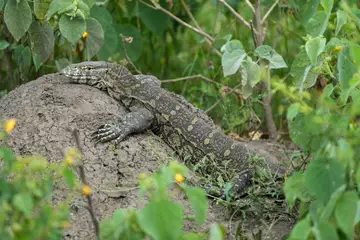
Nile Monitor
Photo: Giles Laurent · CC BY-SA 4.0 · Wikimedia Commons · resized

Nile Monitor

Varanus niloticus

Florida: not native and considered invasive; on the state's Prohibited species list since April 29, 2021. Louisiana: on the LDWF invasive species list, Tier 3.
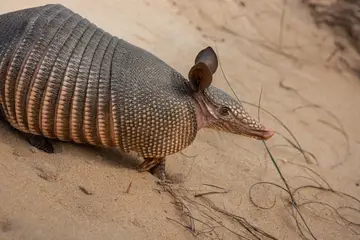
Nine-banded armadillo
Photo: MartinKlippel · CC BY-SA 4.0 · Wikimedia Commons · resized

Nine-banded armadillo

Dasypus novemcinctus

Treated as nonnative in parts of its US range: 'exotic species and a pest' (UGA, Georgia); introduced/exotic in NCWRC's 2025 SWAP table; naturalized in Virginia (DWR) and Florida (FWC). Not on any official invasive list checked.

No confirmed photo of Northern Snakehead

Northern Snakehead

Channa argus

Invasive. USGS lists it as exotic; state agencies (NY, MD, MO, DE, VA, PA and others) call it invasive.
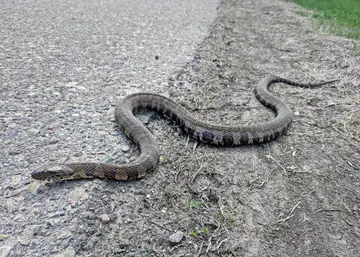
Northern watersnake
Photo: U.S. Fish and Wildlife Service - Midwest Region · Public domain · Wikimedia Commons

Northern watersnake

Nerodia sipedon

Invasive in California (non-native, established in Roseville, Placer County, since 2007). USGS NAS lists non-native occurrences in California and South Dakota.
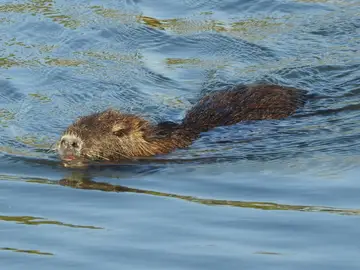
Nutria
Photo: Sam Kieschnick · CC BY 4.0 · iNaturalist

Nutria

Myocastor coypus

Invasive (non-native, from South America) in the US; named invasive by Oregon, Virginia, California and Louisiana agencies.
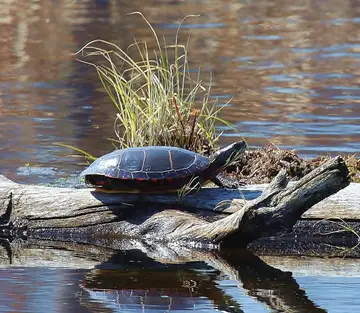
Painted turtle
Photo: U. S. Fish and Wildlife Service - Northeast Region · Public domain · Wikimedia Commons

Painted turtle

Chrysemys picta

Native over most of its range. Introduced in California (CDFW) and around Phoenix, Tucson and Cottonwood, Arizona (AZGFD). Missouri notes it is an invasive species in some parts of the world.
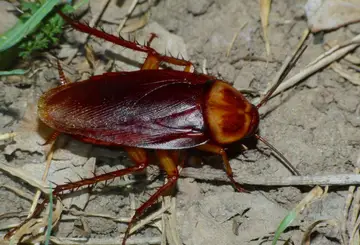
Palmetto Bug
Photo: Steve Kerr · CC BY 4.0 · iNaturalist

Palmetto Bug

Blattidae (large cockroaches; mainly Eurycotis floridana and Periplaneta americana)

American cockroach: introduced to the United States from Africa (not described as invasive in sources checked). Florida woods cockroach: native.
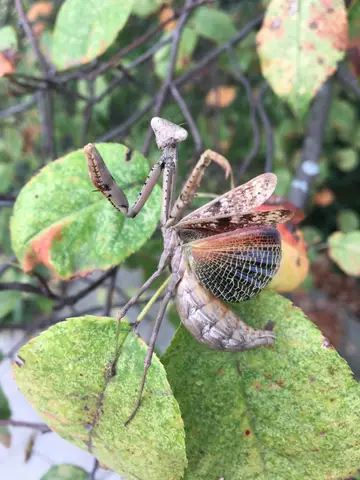
Praying mantis (mantids)
Photo: Andy Wilson · CC0 1.0 · iNaturalist

Praying mantis (mantids)

Mantidae

MDC calls the Chinese mantis nonnative and says nonnative mantids may be outcompeting native North American mantids; because it has been widespread for so long, its ecological impact is difficult to determine, and MDC does not settle whether it is "invasive". Louisiana lists the Chinese mantis on its 2025 SWAP Invasive Species List (Tier 3: limited or poorly known negative impacts). MDC suggests leaving the native Carolina mantis alone and says that if people want to experiment with mantids as pest control, the native Carolina mantis is the better choice.
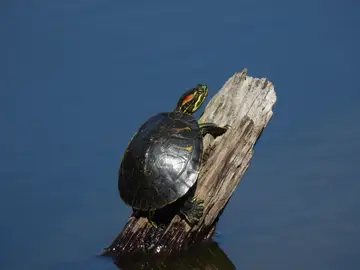
Red-eared Slider
Photo: ncb1221 · CC BY 4.0 · iNaturalist

Red-eared Slider

Trachemys scripta elegans

Native to the central US; invasive or introduced where released. California says it is listed among the world's 100 worst invasive species.
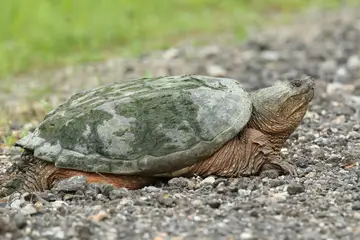
Snapping Turtle
Photo: Cephas · CC BY-SA 4.0 · Wikimedia Commons · resized

Snapping Turtle

Chelydra serpentina

Native in the East. USGS says it seems invasive in California and perhaps other Pacific states; Arizona and California list it as introduced.
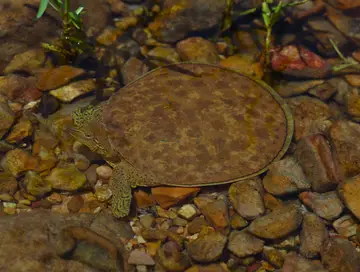
Softshell Turtle
Photo: Peter Paplanus · CC BY 2.0 · Wikimedia Commons

Softshell Turtle

Apalone (US softshell turtles: A. spinifera, A. mutica, A. ferox)

Native over much of the US; introduced or invasive in some states: Louisiana lists the Florida softshell on its Invasive Species List (Tier 3); Arizona and California list the spiny softshell as introduced; USGS says it is also established outside its native range in Massachusetts, New Jersey, Nevada, Utah and Hawaii.
Spectacled caiman
Photo: Charles J. Sharp · CC BY-SA 4.0 · Wikimedia Commons · resized

Spectacled caiman

Caiman crocodilus

Invasive in Florida (Miami-Dade and Broward counties), per USGS. Eradication attempts in Miami-Dade have failed. USGS says it could harm native wildlife and can carry a parasite (caiman tongueworm) that could pass to native fish and crocodilians.
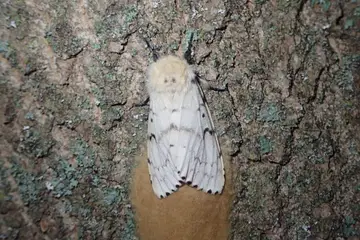
Spongy moth
Photo: Emmett Collins-Sussman · CC BY 4.0 · iNaturalist

Spongy moth

Lymantria dispar

Invasive, nonnative and extremely destructive (Missouri); one of the most destructive pests of fruit and ornamental trees and hardwood forests (APHIS).
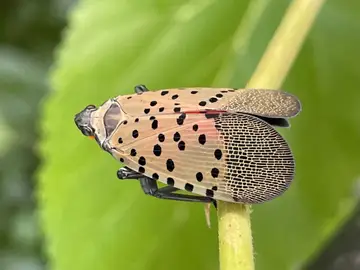
Tarantulas
Photo: xpda · CC BY-SA 4.0 · Wikimedia Commons · resized

Tarantulas

Theraphosidae

Florida: the introduced Mexican redrump is established locally; UF/IFAS says it would be irresponsible to assume it will not harm native wildlife, and eradication has been attempted.
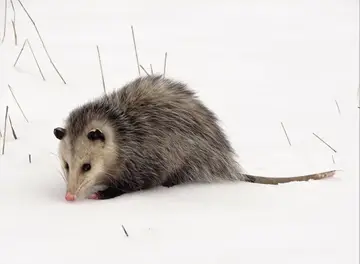
Virginia opossum
Photo: Shirley Zundell · CC BY 4.0 · iNaturalist

Virginia opossum

Didelphis virginiana

Introduced (not native) in Oregon and California, per the state agencies; neither source calls it invasive
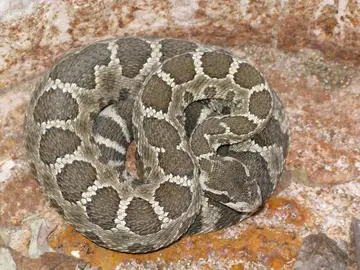
Whiptail Lizard
Photo: Jade Fortnash · CC0 1.0 · iNaturalist

Whiptail Lizard

Aspidoscelis

Florida: the giant whiptail and rainbow whiptail are nonnative and established (FWC, 2019). Hawaii lists all whiptails and tegus as injurious wildlife.
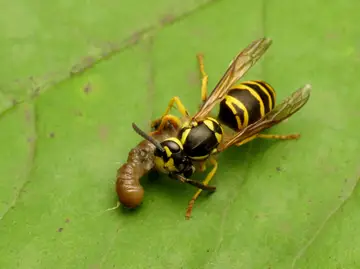
Yellow jacket
Photo: Katja Schulz · CC BY 4.0 · iNaturalist

Yellow jacket

Vespula and Dolichovespula (yellowjackets; family Vespidae)

German Yellowjacket (Vespula germanica) is introduced from Europe (Ohio DNR). Native yellowjacket species are not described as invasive.
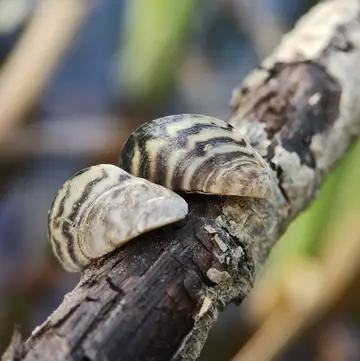
Zebra mussel
Photo: Harukano · CC0 1.0 · iNaturalist

Zebra mussel

Dreissena polymorpha

Invasive nonnative species. Missouri: huge negative impact on infested waters; Minnesota: prohibited invasive species.

Federal injurious wildlife

The federal injurious wildlife regulation, 50 CFR part 16 (administered by the U.S. Fish and Wildlife Service), names these animals in its sections on mammals, birds, reptiles:

  • 50 CFR 16.11: “Any species of so-called “flying fox” or fruit bat of the genus Pteropus;”
  • 50 CFR 16.11: “…any species of mongoose or meerkat of the genera Atilax, Cynictis, Helogale, Herpestes, Ichneumia, Mungos, and Suricata;”
  • 50 CFR 16.11: “…any species of European rabbit of the genus Oryctolagus;”
  • 50 CFR 16.11: “…any species of Indian wild dog, red dog, or dhole of the genus Cuon;”
  • 50 CFR 16.11: “…any species of multimammate rat or mouse of the genus Mastomys;”
  • 50 CFR 16.11: “…any raccoon dog, Nyctereutes procyonoides; and”
  • 50 CFR 16.11: “…any brushtail possum, Trichosurus vulpecula: Provided, that the Director shall issue permits authorizing the importation, transportation, and possession of such mammals under the terms and conditions set forth in § 16.22.”
  • 50 CFR 16.12: “…the species of so-called “pink starling” or “rosy pastor” Sturnus roseus;”
  • 50 CFR 16.12: “…the species of dioch (including the subspecies black-fronted, red-billed, or Sudan dioch) Quelea quelea;”
  • 50 CFR 16.12: “…any species of Java sparrow, Padda oryzivora;”
  • 50 CFR 16.12: “…the species of red-whiskered bul-bul, Pycnonotus jocosus: Provided, That the Director shall issue permits authorizing the importation, transportation, and possession of such live birds under the terms and conditions set forth in § 16.22.”
  • 50 CFR 16.15: “Boiga irregularis (brown tree snake).”
  • 50 CFR 16.15: “Python molurus (including P. molurus molurus (Indian python) and P. molurus bivittatus (Burmese python)).”
  • 50 CFR 16.15: “Python reticulatus, Broghammerus reticulatus, or Malayopython reticulatus (reticulated python).”
  • 50 CFR 16.15: “Python sebae (Northern African python or African rock python).”
  • 50 CFR 16.15: “Python natalensis (Southern African python or African rock python).”
  • 50 CFR 16.15: “Eunectes notaeus (yellow anaconda).”
  • 50 CFR 16.15: “Eunectes deschauenseei (DeSchauensee's anaconda).”
  • 50 CFR 16.15: “Eunectes murinus (green anaconda).”
  • 50 CFR 16.15: “Eunectes beniensis (Beni anaconda).”

Source: Electronic Code of Federal Regulations, 50 CFR part 16, checked November 3, 2026.

Reporting a sighting

Each state's agency runs its own reporting line or form. Do not try to catch the animal; a photo from a safe distance, the location and the date are what agencies ask for.

  • Alabama: Nuisance wildlife: permitted Nuisance Wildlife Control Operators or the WFF district office; Wildlife Section 334-242-3469. Sea turtle strandings 1-866-732-8878. Dolphin and whale strandings 877-942-5343. Manatee sightings 866-493-5803. Invasive carp [email protected] or (256)-353-2634.
  • Alaska: Report invasive species to the ADF&G Invasive Species Hotline 1-877-INVASIV (1-877-468-2748) or [email protected]. Report dangerous wildlife encounters with the ADF&G wildlife encounter form (https://www.adfg.alaska.gov/index.cfm?adfg=reportwildlifeencounter.main).
  • Arizona: Call the local AZGFD office 8 a.m.-5 p.m. Monday-Friday (excluding holidays); after hours and weekends call the AZGFD dispatcher at 623-236-7201.
  • Arkansas: Nuisance wildlife hotline 833-345-0315, 8 a.m.-4:30 p.m., voicemail any time; alligator nuisance calls answered 24/7. Aquatic nuisance species sightings: AGFC Aquatic Nuisance Species Form (www.agfc.com/ans); suspected apple snails also to the ANS Program Coordinator at 501-604-0485. Mountain lion sightings with verifiable evidence: nearest AGFC office.
  • California: Wildlife conflicts: CDFW Wildlife Incident Reporting (WIR) system https://apps.wildlife.ca.gov/wir, emergencies 9-1-1. Invasive animal sightings: CDFW Invasive Species Program (866) 440-9530 or [email protected]; invasive insects/spiders/terrestrial invertebrates: California Department of Food and Agriculture 1-800-491-1899.
  • Colorado: Invasive species: file a report with CPW (online "Report a Sighting" form linked from cpw.state.co.us/invasive-wildlife). Injured/abandoned animals, feeding or illegal activity: CPW Denver Headquarters 303-297-1192 or any CPW office; anonymous: Operation Game Thief 877-265-6648. After-hours emergency: Colorado State Patrol 303-239-4500. Wildlife posing immediate danger: local CPW office or law enforcement.
  • Connecticut: Bear-related emergencies: DEEP 24-hour Dispatch Center 860-424-3333. Wildlife sightings (bear, bobcat, moose, fisher, bats, endangered species and others) via the DEEP Report a Wildlife Sighting page; DEEP Wildlife Division 860-424-3011. Spotted lanternfly: CAES SLF Reporting Form. Timber rattlesnake violations: TIP hotline 800-842-HELP.
  • Delaware: Invasive aquatic species: report to the DNREC Division of Fish and Wildlife by phone, email or the online Invasive Fish Tracker. Invasive terrestrial species: Wildlife Section, 302-739-9912. Sick or dead wildlife (five or more at one place): 302-735-3600 ext. 2. Wildlife damage biologist: 302-735-8683.
  • Florida: Report nonnative animals to the FWC Invasive Species Hotline 888-Ive-Got1 (888-483-4681); FWC asks the public to call the Hotline for high-priority species: all nonnative snakes, monitor lizards and tegus. Other nonnative species can be reported via the IveGot1 app or IveGot1.org. Alligator or crocodile concerns: 866-FWC-GATOR (866-392-4286).
  • Georgia: Wildlife conflict advice: Georgia DNR 1-800-366-2661. Mountain lion sightings: regional WRD Game Management office (Region 1 706-295-6041; Region 2 770-535-5700; Region 3 706-595-4222; Region 4 229-426-5267; Region 5 229-430-4254; Region 6 912-262-3173), after hours 800-241-4113.
  • Hawaii: Invasive species (including any snake sighting): Pest Hotline 808-643-PEST (643-7378) or online at 643pest.org.
  • Idaho: Invasive species: Idaho Invasive Species Hotline 1-877-336-8676 (ISDA). Wildlife crimes: Citizens Against Poaching 1-800-632-5999 (IDFG). Bear sightings and conflicts: report to the state wildlife agency (IDFG regional offices).
  • Illinois: Report mountain lion, black bear, gray wolf, feral swine, armadillo (north-central/northern counties) and nutria sightings to IDNR through Wildlife Illinois (wildlifeillinois.org/report-sightings/). Report spotted lanternfly with photos to [email protected].
  • Indiana: Invasive species: report online via EDDMapS or the GLEDN app; terrestrial invasives 1-866-NO-EXOTIC (1-866-663-9684), [email protected]; aquatic invasives [email protected]. Nuisance wildlife: DNR does not remove wildlife; hire a licensed wildlife control operator; DNR Customer Service 317-232-4200 or [email protected]. Mammal sightings (armadillo, mountain lion, etc.): DNR Report a Mammal form. Gecko / wall lizard sightings: [email protected].
  • Iowa: Aquatic invasive species: report suspected sightings to the nearest Iowa DNR fisheries station or by email (address on the DNR AIS page, [email protected] as decoded from the page link). Elk sightings: local conservation officer or wildlife field staff. Nuisance wildlife in a home: a DNR-licensed Nuisance Wildlife Control Operator.
  • Kansas: Report mountain lion, bear or wolf sightings and threatened, endangered, SINC or rare species to KDWP (Wildlife Sightings page; Pratt Operations Office, 512 SE 25th Avenue, Pratt, KS 67124, 620-672-5911). Nuisance wildlife: KDWP lists Nuisance Wildlife Damage Control permit holders.
  • Kentucky: Report people feeding bears or aggressive bears to Kentucky Fish and Wildlife at 1-800-25ALERT (1-800-252-5378); report sick or injured bats via the KDFWR online Report a Bat form; report suspected fire ant mounds or stings to UK Entomology at [email protected].
  • Louisiana: Nuisance alligators: contact an LDWF field office, or Operation Game Thief 800-442-2511 after hours and weekends. Sick/injured/stranded sea turtles or marine mammals: 844-SEA-TRTL (844-732-8785). Rabies: Louisiana Department of Health, Office of Public Health, 1-800-256-2748.
  • Maine: Stranded, entangled or injured whales, dolphins, porpoises, seals or sea turtles: Maine Marine Animal Reporting Hotline 1-800-532-9551 (DMR). White shark sightings: DMR identification form. Reptile and amphibian sightings, especially listed species: Maine Amphibian & Reptile Atlas Project (IFW). Sick or injured bears: local Game Warden or Regional Wildlife Biologist. Browntail moth and forest-pest questions: dial 211.
  • Maryland: Nuisance, injured or sick wildlife: call toll-free in Maryland 1-877-463-6497 (USDA Wildlife Services, 8:00 am to 4:30 pm, Monday through Friday, except State holidays); from outside Maryland 410-349-8055.
  • Massachusetts: Wildlife problems: contact MassWildlife, (508) 389-6300 or [email protected] (M–F 8–4). Rattlesnake sightings: [email protected] (photos from a distance); suspected illegal activity: Massachusetts Environmental Police 1-800-632-8075. Rare species sightings: MassWildlife Heritage Hub or Rare Animal Observation Form. Spotted lanternfly in a new town: photo + reporting form at mass.gov/slf. Non-emergency shark sightings on the Outer Cape: Sharktivity app or ranger stations (508) 255-2112 / (508) 487-2100.
  • Michigan: Report poaching or harassment of massasaugas to the DNR Report All Poaching hotline, 800-292-7800. Report spotted lanternfly outside confirmed counties, gray fox and other sightings through the DNR/State 'Eyes in the Field' online tool. Report reptile/amphibian sightings to the Michigan Herp Atlas.
  • Minnesota: Invasive insects (emerald ash borer, spongy moth, Asian long-horned beetle, brown marmorated stink bug): Minnesota Department of Agriculture "Report a Pest" line 1-888-545-6684. Invasive vertebrates (mute swans, Eurasian swine/wild pigs): the DNR Invasive Species Program and your local conservation officer or wildlife office. Aquatic invasives: your local DNR invasive species specialist. Cougar sightings: the nearest DNR area wildlife office or conservation officer. General DNR line: 888-646-6367.
  • Mississippi: Bear problems or sightings, and nuisance-animal guidance: MDWFP Wildlife Bureau (601) 432-2199. Nuisance animal technical guidance is also available from USDA Wildlife Services (MS) (662) 325-3014. Coastal invasive species: MDMR Invasive Species Coordinator (228) 523-4113. Sawfish sightings: 1-844-4SAWFISH.
  • Missouri: Report sightings of black bears, elk, mountain lions, feral hogs, rare furbearers and some small mammals to MDC.
  • Montana: Boat or trailer with aquatic organisms: 1-800-TIP-MONT (1-800-847-6668). FWP main office: (406) 444-2535.
  • Nebraska: NGPC: 402-471-0641 (or a local conservation officer). Sick or dead wildlife: report to a Game and Parks office. Invasive species: Nebraska Invasive Species Council, [email protected] or its Report A Sighting page. Reptile and amphibian sightings: UNL Report A Sighting form (herpneb.unl.edu/report-sighting).
  • Nevada: NDOW dispatch 775-688-1331 for wildlife emergencies and residential mountain lion sightings; Las Vegas area urban wildlife hotline 702-668-3551 for venomous reptiles that threaten safety; reptile sightings to [email protected]; poaching to Operation Game Thief 1-800-992-3030 (NDOW page).
  • New Hampshire: NH Fish and Game Wildlife Division (603) 271-2461; Law Enforcement (603) 271-3361. Invasive insects: NHBugs reporting form (nhbugs.org/reporting-form). Stranded marine animals: Seacoast Science Center (603) 997-9448 or the Northeast hotline (866) 755-6622. Sharks: Northeast Shark Hotline (401) 859-1043.
  • New Jersey: DEP 24-hour hotline 1-877-WARN DEP (1-877-927-6337) for venomous snakes on private land, bear damage or nuisance bears, and injured or dead bobcats; report endangered, threatened and special concern wildlife (and roadkill) with the NJ Wildlife Tracker app.
  • New Mexico: Dangerous wildlife encounter: contact the nearest NMDOW conservation officer (Mon-Fri 8 a.m.-5 p.m.; enforcement contacts map at https://wildlife.dgf.nm.gov/enforcement/law-enforcement-contact-information/), otherwise State Police dispatch. Suspected New World screwworm in game animals: NMDOW 888-248-6866.
  • New York: Rattlesnake sightings or questions: your DEC Regional Wildlife Office.
  • North Carolina: NC Wildlife Helpline (NCWRC), Monday-Friday 8 a.m.-5 p.m.: 866-318-2401; email [email protected]. Aquatic invasive species: NCWRC Aquatic Nuisance Species Reporting Tool (https://survey123.arcgis.com/share/710337fbf02140599fd788ebfdd72744). Rattlesnake sightings: [email protected] or HerpMapper. Wildlife violations / alligator emergencies: 800-662-7137. Yellow-legged hornet: www.ncagr.gov/YLH (NCDA&CS).
  • North Dakota: North Dakota Game and Fish Department: 701-328-6300 (general), Report All Poachers 701-328-9921, online observation and ANS report forms (gf.nd.gov/ans/report). Report any amphibian or reptile not in the NDGF guide (including released pets or bullfrogs) to NDGF. Unusual ticks: submit a picture to ND HHS via its tickborne page.
  • Ohio: ODNR Division of Wildlife: 1-800-WILDLIFE (Wildlife headquarters and district offices are listed in the 2018 Reptiles of Ohio guide). An older undated ODNR brochure (Pub 115) asks people to report timber rattlesnake sightings by mail to the Division of Wildlife, 360 E. State Street, Athens, OH 45701; that address may be out of date.
  • Oklahoma: Report wildlife sightings (including mountain lions and bears) to ODWC online at wildlifedepartment.com/wildlife/report-wildlife; report suspected invasive aquatic species to ODWC at (918) 200-4815 or online.
  • Oregon: Invasive species sightings: Oregon Invasives Hotline, oregoninvasiveshotline.org or 1-866-INVADER; wildlife conflicts: local ODFW office (ODFW main phone 503-947-6000)
  • Pennsylvania: Feral swine: report to the Game Commission at 1-833-PGC-WILD (or 1-833-PGC-HUNT). Spotted lanternfly: report online or call 1-888-4BADFLY (PA Dept. of Agriculture). Venomous snake removal: call a local PFBC Waterways Conservation Officer. Nuisance wildlife: PGC region office; USDA-APHIS Wildlife Services 866-487-3297.
  • Rhode Island: Injured or orphaned wildlife: DEM 401-222-3070. Sightings: [email protected]. Division of Fish & Wildlife: 1-401-789-0281.
  • South Carolina: Alligator and other wildlife emergencies, injured manatees: SCDNR Operation Game Thief 1-800-922-5431. Herp questions: [email protected], (843) 527-8448. SCDNR does not remove nuisance snakes; it keeps a list of wildlife removal specialists.
  • South Dakota: SDGFP: [email protected] (hunting/fishing and wildlife questions); report a suspected aquatic invasive species with a photo to [email protected]; report a tick photo to SD DOH via the South Dakota Tick Survey; report wildlife violations at 1.888.OVERBAG.
  • Tennessee: TWRA "Report Wildlife Encounters, Incidents, or Illness" page (https://www.tn.gov/twra/wildlife/report-wildlife.html): bear conflicts (800) 831-1174; online forms for bear sightings, sick deer, and dead or sick birds. Rare birds: [email protected] (2013 checklist). Aquatic invasive species: TWRA directs people to its Invasive Fish Species page.
  • Texas: Aquatic invasive species: email [email protected] (TPWD). TPWD general phone: (512) 389-4800 or (800) 792-1112.
  • Utah: Report a rattlesnake repeatedly seen in a problem area, or in a public park, yard or play area, to the nearest DWR office; report aggressive wildlife to the nearest DWR office (after hours: local police or county sheriff). Report Gila monster sightings to DWR (435-879-8694). Report non-native reptiles/amphibians via iNaturalist (optional, per DWR).
  • Vermont: Reptiles and amphibians (including Timber Rattlesnake sightings): Vermont Reptile and Amphibian Atlas (vtherpatlas.org). Bear incidents and rare animals: F&W Citizen Reporting forms. Invasive insects and aquatic animals: vtinvasives.org Report It! pages. Wildlife conflicts: U.S. Department of Agriculture's Animal Damage Control Unit (name as given on the F&W page), Berlin VT, 802-223-8690.
  • Virginia: Virginia Wildlife Conflict Helpline (DWR), toll-free 1-855-571-9003 (wildlife problems; feral hog and nutria reports). Northern snakehead catches: DWR 804-367-2925. Rare wildlife sightings: DWR Virginia Rare Animal Observations Form. Imported fire ants outside the quarantine area: VDACS Invasive Species Reporting Tool. Wildlife crimes: [email protected] or 800-237-5712.
  • Washington: Dangerous wildlife: emergency 911; non-emergency 877-933-9847 or the WDFW online report. Invasive species: Washington Invasive Species Council web form or WA Invasives app; aquatic invasive species hotline 1-888-WDFW-AIS, [email protected].
  • West Virginia: Report wildlife violations to any WVDNR district office or (844) 484-7367. Report sick or dead wildlife to a local district office. For nuisance wildlife, consult a WVDNR biologist or Natural Resources Police Officer, or hire a licensed Wildlife Damage Control Agent. For pest questions, WVDA Plant Industries Division: (304) 558-2212. No dedicated WVDNR invasive-species sighting line was found.
  • Wisconsin: Rattlesnake sightings: call DNR 1-888-WDNRINFO (1-888-936-7463), or use the DNR Rare Species Observation Form / DNR Wildlife Switchboard ([email protected], 608-267-0866). Threatening wolves or wolf depredation: USDA-Wildlife Services (north 1-800-228-1368, south 1-800-433-0663). Spongy moth outside quarantined counties: 1-800-642-MOTH (6684). Other invasive species: DNR Report invasive species page. Feral pig sightings: DNR reporting form or USDA Wildlife Services (north 800-228-1368, south 800-433-0663).
  • Wyoming: Report mountain lion sightings to Wyoming Game and Fish at 1-877-WGFD-TIP (or the non-emergency police line). Rare or interesting nongame birds, mammals, amphibians and reptiles can be reported to the WGFD Nongame Section through its "Report an Observation" form.