States Wildlife

Ohio wildlife: what lives here and what is dangerous

Last checked November 3, 2026 against official sources.

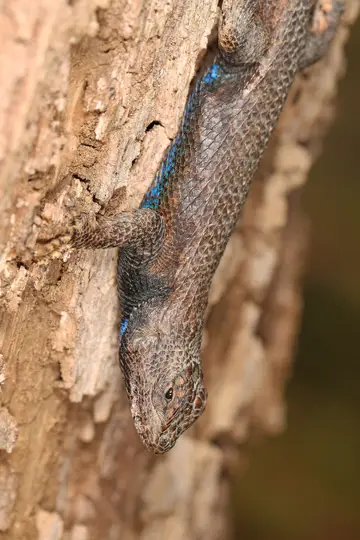
Eastern Fence Lizard
Photo: Judy Gallagher · CC BY 2.0 · Wikimedia Commons

Ohio has 3 venomous snakes named by official sources: Eastern Copperhead, Massasauga and Timber Rattlesnake, as labelled by Ohio Department of Natural Resources, Division of Wildlife. This guide covers 8 animal groups from Ohio Department of Natural Resources (ODNR), Division of Wildlife lists and other official sources, with photos, venomous status and when each group is active.

Identification help has limits: a photo cannot confirm that an animal is safe. Watch from a distance and never handle a wild animal.

On this page
  1. Animal groups
  2. Dangerous animals
  3. Invasive species
  4. Seasons
  5. Official agency and reporting
  6. Questions
  7. Sources

Animal groups in Ohio

Dangerous animals in Ohio

These are the animals official sources describe as venomous or as a risk to people in Ohio, across 5 groups. The reason is given in the source's own terms.

AnimalGroupWhy, per the sourceSource
Eastern CopperheadSnakesVenomous: “Copperheads have the dubious distinction of having bitten more people in the United States than any other venomous snake … Ohio has only three species of venomous snakes, two of which have rattles at …”Ohio Department of Natural Resources, Division of Wildlife
MassasaugaSnakesVenomous: “This is still a venomous snake, however, and should be treated with utmost caution and respect. … Ohio has only three species of venomous snakes, two of which have rattles at the end of the tail.”Ohio Department of Natural Resources, Division of Wildlife
Timber RattlesnakeSnakesVenomous: “By virtue of their large size, timber rattlesnakes are the most dangerous snakes in northeastern America. … Ohio has only three species of venomous snakes, two of which have rattles at the end of the …”Ohio Department of Natural Resources, Division of Wildlife
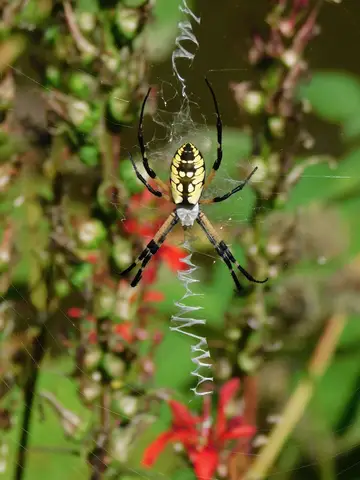
Brown RecluseSpidersVenomous: “Only two groups of Ohio spiders, the black widows and the recluse spiders are considered dangerous to humans.”Ohio Department of Natural Resources, Division of Wildlife
Mediterranean RecluseSpidersVenomous: “Only two groups of Ohio spiders, the black widows and the recluse spiders are considered dangerous to humans.”Ohio Department of Natural Resources, Division of Wildlife
Northern Black WidowSpidersVenomous: “Only the females pose a bite risk. Their bite can be serious, and anyone bitten should seek medical attention immediately.”Ohio Department of Natural Resources, Division of Wildlife
Southern Black WidowSpidersVenomous: “Only the females pose a bite risk. Their bite can be serious, and anyone bitten should seek medical attention immediately.”Ohio Department of Natural Resources, Division of Wildlife
Yellow Sac SpiderSpidersMinor: “There are a few cases of bites that have caused some medical problems (slow healing wounds).”Ohio Department of Natural Resources, Division of Wildlife
American dog tickTicks (arachnids)Disease vector (tick, an arachnid, not a spider): “Three tick species in Ohio are medically important because they are disease vectors: the American dog tick, the blacklegged tick (commonly called the deer tick), and the lone star tick.”Ohio State University Extension (Ohioline); co-authors from the Ohio Department of Health
Blacklegged tick (deer tick)Ticks (arachnids)Disease vector (tick, an arachnid, not a spider): “Three tick species in Ohio are medically important because they are disease vectors: the American dog tick, the blacklegged tick (commonly called the deer tick), and the lone star tick.”Ohio State University Extension (Ohioline); co-authors from the Ohio Department of Health
Lone star tickTicks (arachnids)Disease vector (tick, an arachnid, not a spider): “Three tick species in Ohio are medically important because they are disease vectors: the American dog tick, the blacklegged tick (commonly called the deer tick), and the lone star tick.”Ohio State University Extension (Ohioline); co-authors from the Ohio Department of Health
Western Honey BeeInsects and BugsVenomous: “In some cases, the ovipositor can be used as a defensive weapon that delivers venom from a gland inside the abdomen.”Ohio Department of Natural Resources, Division of Wildlife
Eastern YellowjacketInsects and BugsVenomous: “In some cases, the ovipositor can be used as a defensive weapon that delivers venom from a gland inside the abdomen.”Ohio Department of Natural Resources, Division of Wildlife
German YellowjacketInsects and BugsVenomous: “In some cases, the ovipositor can be used as a defensive weapon that delivers venom from a gland inside the abdomen.”Ohio Department of Natural Resources, Division of Wildlife
Bald-faced HornetInsects and BugsVenomous: “In some cases, the ovipositor can be used as a defensive weapon that delivers venom from a gland inside the abdomen.”Ohio Department of Natural Resources, Division of Wildlife
Northern Paper WaspInsects and BugsVenomous: “In some cases, the ovipositor can be used as a defensive weapon that delivers venom from a gland inside the abdomen.”Ohio Department of Natural Resources, Division of Wildlife
European Paper WaspInsects and BugsVenomous: “In some cases, the ovipositor can be used as a defensive weapon that delivers venom from a gland inside the abdomen.”Ohio Department of Natural Resources, Division of Wildlife
European HornetInsects and BugsVenomous: “In some cases, the ovipositor can be used as a defensive weapon that delivers venom from a gland inside the abdomen.”Ohio Department of Natural Resources, Division of Wildlife
Eastern Velvet AntInsects and BugsVenomous: “In some cases, the ovipositor can be used as a defensive weapon that delivers venom from a gland inside the abdomen.”Ohio Department of Natural Resources, Division of Wildlife
Northern Short-tailed ShrewMammalsVenomous: “The salivary glands of the northern short-tailed shrew produce a venom which helps in subduing prey.”Ohio Department of Natural Resources, Division of Wildlife

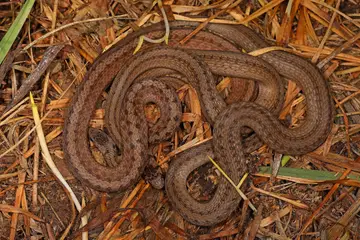
Venomous snakes in Ohio shows each venomous snake with photos and range.

Invasive and nonnative species

1 nonnative animal is named on Ohio's official lists (Ohio Department of Natural Resources, Division of Wildlife).

  • Common (European) Wall Lizard Podarcis muralis

All invasive species in Ohio, with where they live and how to report them.

When animals are active in Ohio

Darker cells are the months with more open-licence observation records of each group in Ohio (GBIF). They show when people see and record these animals, not how many there are. The current month, this month, is highlighted.

JanFebMarAprMayJunJulAugSepOctNovDec
SnakesJanuary: 4 recordsFebruary: 6 recordsMarch: 115 recordsApril: 451 recordsMay: 874 recordsJune: 598 recordsJuly: 373 recordsAugust: 267 recordsSeptember: 345 recordsOctober: 206 recordsNovember: 42 recordsDecember: 7 records
SpidersJanuary: 44 recordsFebruary: 51 recordsMarch: 222 recordsApril: 632 recordsMay: 1,043 recordsJune: 1,110 recordsJuly: 869 recordsAugust: 1,066 recordsSeptember: 1,155 recordsOctober: 513 recordsNovember: 115 recordsDecember: 45 records
LizardsJanuary: 0 recordsFebruary: 2 recordsMarch: 10 recordsApril: 26 recordsMay: 52 recordsJune: 35 recordsJuly: 36 recordsAugust: 17 recordsSeptember: 24 recordsOctober: 13 recordsNovember: 2 recordsDecember: 0 records
Frogs and ToadsJanuary: 2 recordsFebruary: 47 recordsMarch: 576 recordsApril: 623 recordsMay: 763 recordsJune: 663 recordsJuly: 516 recordsAugust: 525 recordsSeptember: 419 recordsOctober: 160 recordsNovember: 24 recordsDecember: 3 records
TurtlesJanuary: 1 recordFebruary: 23 recordsMarch: 177 recordsApril: 601 recordsMay: 754 recordsJune: 455 recordsJuly: 242 recordsAugust: 225 recordsSeptember: 234 recordsOctober: 93 recordsNovember: 21 recordsDecember: 1 record
Insects and BugsJanuary: 208 recordsFebruary: 319 recordsMarch: 1,138 recordsApril: 4,707 recordsMay: 12,679 recordsJune: 25,254 recordsJuly: 28,586 recordsAugust: 22,476 recordsSeptember: 16,114 recordsOctober: 5,397 recordsNovember: 1,051 recordsDecember: 256 records
MammalsJanuary: 551 recordsFebruary: 748 recordsMarch: 984 recordsApril: 1,465 recordsMay: 1,572 recordsJune: 1,170 recordsJuly: 928 recordsAugust: 888 recordsSeptember: 866 recordsOctober: 846 recordsNovember: 590 recordsDecember: 606 records

What official sources say about seasons

Official agency and how to report

Ohio's wildlife agency is the Ohio Department of Natural Resources (ODNR), Division of Wildlife.

Report: ODNR Division of Wildlife: 1-800-WILDLIFE (Wildlife headquarters and district offices are listed in the 2018 Reptiles of Ohio guide). An older undated ODNR brochure (Pub 115) asks people to report timber rattlesnake sightings by mail to the Division of Wildlife, 360 E. State Street, Athens, OH 45701; that address may be out of date. Ohio Department of Natural Resources, Division of Wildlife

Official safety advice

Questions people ask about Ohio wildlife

Are there venomous snakes in Ohio?

Yes. ODNR: Ohio has three venomous snakes: the Eastern Copperhead, the Massasauga and the Timber Rattlesnake. Ohio Department of Natural Resources, Division of Wildlife

Are there rattlesnakes in Ohio?

Yes. Two: the Massasauga (glaciated Ohio: bogs, swamps, wet prairies) and the Timber Rattlesnake (southern unglaciated Ohio). ODNR lists both as endangered. Ohio Department of Natural Resources, Division of Wildlife

Are there copperheads in Ohio?

Yes. ODNR: copperheads are widely scattered through most of unglaciated Ohio, especially the rocky, wooded hillsides of southeastern Ohio. ODNR status: uncommon. Ohio Department of Natural Resources, Division of Wildlife · More

Are there water moccasins (cottonmouths) in Ohio?

No. ODNR: water moccasins are not native to Ohio. The Northern Watersnake is often mistaken for one. Ohio Department of Natural Resources, Division of Wildlife

Is the eastern hog-nosed snake venomous?

No. ODNR calls it "completely harmless". It bluffs: hisses, spreads a hood and strikes with its mouth closed, then plays dead. Ohio Department of Natural Resources, Division of Wildlife

Are there alligators in Ohio?

Not established. USGS NAS has 7 Ohio records of American alligators (2007-2023). Six are marked "failed" (not established); a 2023 St. Marys River (Auglaize County) record is marked "unknown". USGS notes that collection records do not mean a population is established. US Geological Survey

Are there pythons in Ohio?

Not established. USGS NAS has one Ohio Burmese python record (Chagrin River, 2016), marked "failed". US Geological Survey

Are there black widows in Ohio?

Yes. ODNR: northern and southern black widows occur but are not nearly as common as in the southern states; most frequent in the southern unglaciated portions. Only females pose a bite risk. Ohio Department of Natural Resources, Division of Wildlife · More

Are there brown recluse spiders in Ohio?

Rarely. ODNR: very rare. Only nine specimens from three localities out of more than 24,400 Ohio Spider Survey records, no verified outdoor records, and the few records come from inside buildings. Most spiders sent in as brown recluses are misidentified harmless spiders. Ohio Department of Natural Resources, Division of Wildlife

How many kinds of spiders are in Ohio?

ODNR: Ohio has 624 spider species. Only black widows and recluse spiders are considered dangerous to humans. Ohio Department of Natural Resources, Division of Wildlife

Are there black bears in Ohio?

Yes. ODNR lists the American Black Bear in its Mammals of Ohio guide with status Endangered. Ohio Department of Natural Resources, Division of Wildlife

Are there mountain lions (cougars) in Ohio?

No. ODNR: cougars probably disappeared from Ohio by the mid-1850s. Ohio Department of Natural Resources, Division of Wildlife

Are there wolves in Ohio?

No. ODNR: the gray wolf was eradicated by the 1850s. Ohio Department of Natural Resources, Division of Wildlife

Are there porcupines in Ohio?

Not anymore. ODNR: porcupines disappeared by 1900, but recent reports suggest they may be recolonizing from the east. Ohio Department of Natural Resources, Division of Wildlife

Are there coyotes in Ohio?

Yes. ODNR includes the coyote in Mammals of Ohio with status Common. Ohio Department of Natural Resources, Division of Wildlife

Are there lizards in Ohio?

Yes. ODNR lists five lizards: Eastern Fence Lizard, Little Brown Skink, Common Five-lined Skink, Broad-headed Skink and the invasive Common Wall Lizard (Cincinnati area). The broad-headed skink is the largest. Ohio Department of Natural Resources, Division of Wildlife

Which ticks in ohio carry disease?

OSU Extension, with Ohio Department of Health co-authors: these three species are medically important disease vectors in Ohio. Ohio State University Extension (Ohioline); co-authors from the Ohio Department of Health

What is the largest snake in Ohio?

ODNR: the gray ratsnake (formerly black ratsnake) is Ohio's largest snake, typically 4-6 feet and sometimes over 8 feet. It is nonvenomous. Ohio Department of Natural Resources, Division of Wildlife

Sources

  1. Reptiles of Ohio Field Guide (Publication 5354). Ohio Department of Natural Resources, Division of Wildlife. PUBLICATION 5354; checked November 3, 2026.
    Quoted passages (14)
    “Copperheads have the dubious distinction of having bitten more people in the United States than any other venomous snake … Ohio has only three species of venomous snakes, two of which have rattles at the end of the tail.”
    “This is still a venomous snake, however, and should be treated with utmost caution and respect. … Ohio has only three species of venomous snakes, two of which have rattles at the end of the tail.”
    “By virtue of their large size, timber rattlesnakes are the most dangerous snakes in northeastern America. … Ohio has only three species of venomous snakes, two of which have rattles at the end of the tail.”
    “This exotic species was introduced into Cincinnati in 1951 and has become well established.”
    “For more information about Ohio’s native wildlife, please contact the Division of Wildlife: 1-800-WILDLIFE (1-800-750-0750 Ohio Relay TTY only)”
    “Ohio has only three species of venomous snakes, two of which have rattles at the end of the tail. The third species is the Northern copper-head.”
    “Remnant colonies persist in widely scattered areas in southern unglaciated Ohio.”
    “Copperheads are widely scattered throughout most of unglaciated Ohio.”
    “Water moccasins are not native to Ohio.”
    “A master of deceit, the completely harmless hog-nosed snake can put on an act that will frighten the bravest of people.”
    “The broad-headed skink is the largest lizard in Ohio.”
    “This is Ohio’s largest snake. Although it is typically four to six feet long, individuals have been known to exceed eight feet.”
    “Get the victim to a hospital immediately! Call the Poison Help hotline (1-800-222-1222) to find the nearest hospital capable of treating snake bites.”
    “Prevention is the best method for dealing with snakebites. Learn how to distinguish venomous from nonvenomous snakes and learn where to find – and therefore how to avoid – the venomous ones.”
  2. Common Spiders of Ohio Field Guide (Publication 5140). Ohio Department of Natural Resources, Division of Wildlife (text by Richard A. Bradley, Ph.D.). PUBLICATION 5140; checked November 3, 2026.
    Quoted passages (7)
    “Almost all of Ohio’s 624 spider species fall within the Araneomorphae.”
    “Only two groups of Ohio spiders, the black widows and the recluse spiders are considered dangerous to humans.”
    “Only the females pose a bite risk. Their bite can be serious, and anyone bitten should seek medical attention immediately.”
    “There are a few cases of bites that have caused some medical problems (slow healing wounds).”
    “These infamous spiders are not nearly as common in Ohio as they are in the southern states. Within our state they occur most frequently in the southern unglaciated portions.”
    “Brown recluse is represented by only nine specimens from three localities out of over 24,400 records in the Ohio Spider Survey database.”
    “Their bite can be serious, and anyone bitten should seek medical attention immediately.”
  3. Official OOS Ohio Bird Checklist. Ohio Ornithological Society. "456 species as of July 2026"; checked November 3, 2026.
    Quoted passages (1)
    “The official Ohio checklist stands at 456 species as of July 2026.”
  4. Mammals of Ohio Field Guide (Publication 5344). Ohio Department of Natural Resources, Division of Wildlife. PUBLICATION 5344; checked November 3, 2026.
    Quoted passages (5)
    “Ohio was home to 65 native mammal species. Unfortunately, 12 species no longer occur, leaving a current fauna of 53 native species.Two nonnative introductions, the brown rat and house mouse, occur widely, and commonly in some areas.”
    “The salivary glands of the northern short-tailed shrew produce a venom which helps in subduing prey.”
    “Cougars probably disappeared from Ohio by the mid-1850s.”
    “Bounties for wolf hides were paid by the state, and the gray wolf was eradicated by the 1850s.”
    “While porcupines disappeared by 1900, a number of recent reports suggests they may be recolonizing from the east.”
  5. Ticks and Tick-Borne Diseases (HYG-2073). Ohio State University Extension (Ohioline); co-authors from the Ohio Department of Health. June 6, 2013; checked November 3, 2026.
    Quoted passages (4)
    “Three tick species in Ohio are medically important because they are disease vectors: the American dog tick, the blacklegged tick (commonly called the deer tick), and the lone star tick.”
    “Adults are active during spring and summer, but they are most abundant from mid-April to mid-July.”
    “One or more life stages may be active during every month of the year (Figure 4), depending on temperature. Because of this year-long activity, preventative measures should be taken outdoors where the tick occurs, even during autumn and winter.”
    “All stages can be found throughout the warm months of the year.”
  6. Bees and Wasps of Ohio Field Guide (Publication 5488). Ohio Department of Natural Resources, Division of Wildlife (text by Eric R. Eaton). PUBLICATION 5488; checked November 3, 2026.
    Quoted passages (5)
    “In some cases, the ovipositor can be used as a defensive weapon that delivers venom from a gland inside the abdomen.”
    “For some people, bee and wasp stings are serious business due to severe reactions. They must – or should – carry epinephrine pens in case of stings.”
    “Be vigilant such that you don’t run a lawnmower over a nest entrance, or drive a garden stake into one.”
    “The underground nests harbor 1,000-3,000 workers or more by late summer or early autumn. Males and queens are produced in the fall. The colony collapses in late fall, males and remaining workers dying by the first hard frost.”
    “Adult wasps can be seen from July through mid-September.”
  7. NAS collection info: American alligator, Ohio. U.S. Geological Survey. database queried November 3, 2026; checked November 3, 2026.
  8. NAS collection info: Burmese python, Ohio. U.S. Geological Survey. database queried November 3, 2026; checked November 3, 2026.
  9. Preserving the Timber Rattlesnake (Publication 115). Ohio Department of Natural Resources, Division of Wildlife. "Publication 115"; checked November 3, 2026.
    Quoted passages (1)
    “Remember rattlesnakes do not attack. … Be safe and stay back a distance equal to the snake’s estimated length.”
  10. Insects and Scorpions at Work. CDC / NIOSH. archived copy, captured October 4, 2026; checked November 3, 2026.
    Quoted passages (1)
    “Bees, wasps, and hornets are most abundant in the warmer months.”
  11. Amphibians of Ohio Field Guide (Publication 5348). Ohio Department of Natural Resources, Division of Wildlife. PUBLICATION 5348; checked November 3, 2026.
    Quoted passages (2)
    “…can be heard reverberating from Ohio ponds, marshes, and large slow-moving streams from late April through late summer.”
    “During the brief breeding period in late February to early April, often before the ice has completely melted, woodland ponds may be suddenly full of courting Wood Frogs.”
  12. GBIF.org occurrence records, human observations licensed CC0 1.0 or CC BY 4.0 only, accessed November 3, 2026. The datasets behind these counts are listed on our Sources page.