States Wildlife

North Carolina wildlife: what lives here and what is dangerous

Last checked November 3, 2026 against official sources.

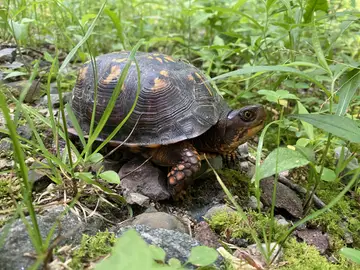
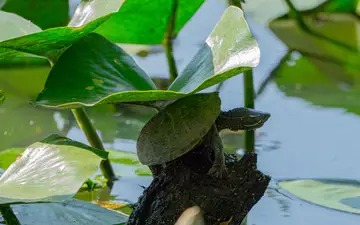
Eastern Musk Turtle
Photo: Curtis Meyers · CC BY-SA 4.0 · iNaturalist · resized

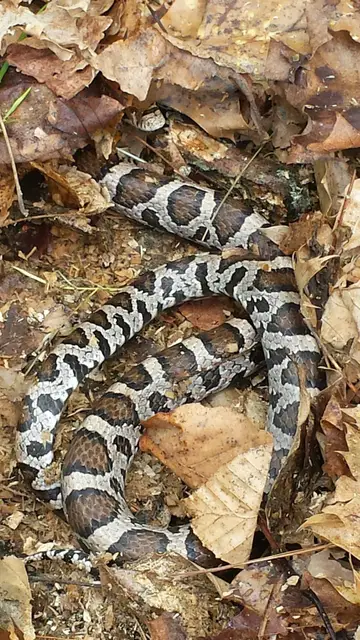
North Carolina has 6 venomous snakes named by official sources: Carolina Pygmy Rattlesnake, Copperhead, Eastern Coral Snake, Eastern Cottonmouth, Eastern Diamondback Rattlesnake and Timber Rattlesnake, as labelled by N.C. Wildlife Resources Commission. This guide covers 10 animal groups from North Carolina Wildlife Resources Commission (NCWRC) lists and other official sources, with photos, venomous status and when each group is active.

Identification help has limits: a photo cannot confirm that an animal is safe. Watch from a distance and never handle a wild animal.

On this page
  1. Animal groups
  2. Dangerous animals
  3. Invasive species
  4. Seasons
  5. Official agency and reporting
  6. Questions
  7. Sources

Animal groups in North Carolina

Dangerous animals in North Carolina

These are the animals official sources describe as venomous or as a risk to people in North Carolina, across 5 groups. The reason is given in the source's own terms.

AnimalGroupWhy, per the sourceSource
Carolina Pygmy RattlesnakeSnakesVenomous: “This venomous snake feeds on lizards, mice, and frogs.”N.C. Wildlife Resources Commission
CopperheadSnakesVenomous: “The copperhead is the most common and widespread venomous snake in North Carolina.”N.C. Wildlife Resources Commission
Eastern Coral SnakeSnakesVenomous: “The beautiful, highly venomous coral snake takes its name from its bright colors, reminiscent of those found in some species of coral.”N.C. Wildlife Resources Commission
Eastern CottonmouthSnakesVenomous: “The venomous cottonmouth, like all pit vipers, has a facial pit for sensing infrared radiation (heat), but unlike rattlesnakes, it lacks a rattle.”N.C. Wildlife Resources Commission
Eastern Diamondback RattlesnakeSnakesVenomous: “Though venomous, the snake prefers to escape first.”N.C. Wildlife Resources Commission
Timber RattlesnakeSnakesVenomous: “They are venomous and are most common in the mountains and Coastal Plain.”N.C. Wildlife Resources Commission
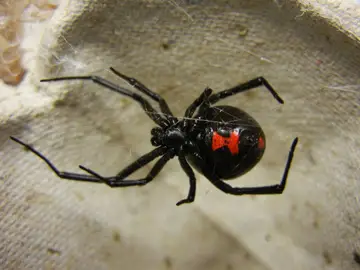
Black Widow SpiderSpidersVenomous: “Black widow spider venom affects the nervous system.”NC State Extension
Brown Recluse SpiderSpidersVenomous: “Venomous spiders found in the United States include the black widow and the brown recluse.”CDC / NIOSH
Snapping TurtleTurtlesBites when handled or molested (not aggressive otherwise): “Snappers are so named because they defend themselves by snapping and biting aggressively when handled or otherwise molested.”N.C. Wildlife Resources Commission
Red imported fire antInsects and BugsPainful stings: “A small number of people are highly allergic to fire ant stings and requires immediate medical attention.”NC State Extension
Saddleback caterpillarInsects and BugsStings: “Some people are very sensitive to such stings and may require professional medical treatment.”NC State Extension
Striped SkunkMammalsDisease (rabies vector species): “Skunks are a rabies vector species in North Carolina, but encounters with rabid skunks are uncommon.”N.C. Wildlife Resources Commission
Feral SwineMammalsDisease: “Feral swine also carry a variety of diseases that pose substantial risk to livestock, wildlife, humans, and pets.”N.C. Wildlife Resources Commission
ElkMammalsMay be aggressive: “Elk are wild animals that are unpredictable and some-times aggressive, especially during the fall breeding season.”N.C. Wildlife Resources Commission
BobcatMammalsMay become aggressive if habituated: “Once a bobcat becomes habituated, it loses its natural wariness of people and may become bold and aggressive.”N.C. Wildlife Resources Commission
Nine-banded ArmadilloMammalsDisease exposure (handling precaution): “To reduce exposure to diseases, the Commission recommends that gloves be worn when in direct contact with any wild animal, including armadillos.”N.C. Wildlife Resources Commission
BatsMammalsDisease (rabies vector species): “Bats are rabies vector species in North Carolina, though most bats do not carry the virus.”N.C. Wildlife Resources Commission
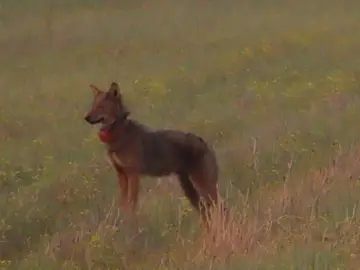
CoyoteMammalsMay become bold or aggressive if habituated: “Once a coyote becomes habituated, it loses its natural wariness of people and may become bold or aggressive.”N.C. Wildlife Resources Commission

Venomous snakes in North Carolina shows each venomous snake with photos and range.

Invasive and nonnative species

45 nonnative animals are named on North Carolina's official lists (US Geological Survey, Nonindigenous Aquatic Species (NAS) database). The USGS Nonindigenous Aquatic Species database records 2 nonnative animals in our groups with an established population in North Carolina.

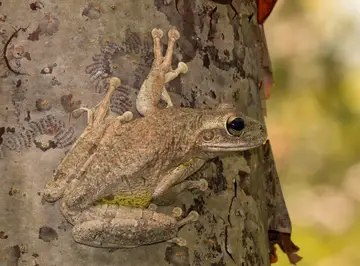
  • Cuban Treefrog Osteopilus septentrionalis
  • African Clawed Frog Xenopus laevis
  • nutria Myocastor coypus
  • freshwater golden clam Corbicula fluminea
  • Corbicula sp.
  • zebra mussel Dreissena polymorpha
  • green mussel Perna viridis
  • striate peaclam Pisidium punctiferum

All invasive species in North Carolina, with where they live and how to report them.

When animals are active in North Carolina

Darker cells are the months with more open-licence observation records of each group in North Carolina (GBIF). They show when people see and record these animals, not how many there are. The current month, this month, is highlighted.

JanFebMarAprMayJunJulAugSepOctNovDec
SnakesJanuary: 24 recordsFebruary: 45 recordsMarch: 262 recordsApril: 534 recordsMay: 651 recordsJune: 484 recordsJuly: 365 recordsAugust: 288 recordsSeptember: 334 recordsOctober: 249 recordsNovember: 100 recordsDecember: 37 records
SpidersJanuary: 47 recordsFebruary: 84 recordsMarch: 235 recordsApril: 545 recordsMay: 797 recordsJune: 814 recordsJuly: 973 recordsAugust: 1,042 recordsSeptember: 1,139 recordsOctober: 600 recordsNovember: 271 recordsDecember: 77 records
LizardsJanuary: 39 recordsFebruary: 43 recordsMarch: 218 recordsApril: 372 recordsMay: 312 recordsJune: 220 recordsJuly: 210 recordsAugust: 292 recordsSeptember: 287 recordsOctober: 209 recordsNovember: 124 recordsDecember: 58 records
Frogs and ToadsJanuary: 37 recordsFebruary: 202 recordsMarch: 427 recordsApril: 451 recordsMay: 792 recordsJune: 647 recordsJuly: 598 recordsAugust: 588 recordsSeptember: 557 recordsOctober: 311 recordsNovember: 103 recordsDecember: 26 records
TurtlesJanuary: 30 recordsFebruary: 44 recordsMarch: 218 recordsApril: 336 recordsMay: 443 recordsJune: 438 recordsJuly: 263 recordsAugust: 216 recordsSeptember: 249 recordsOctober: 151 recordsNovember: 54 recordsDecember: 40 records
Insects and BugsJanuary: 404 recordsFebruary: 640 recordsMarch: 2,561 recordsApril: 8,408 recordsMay: 11,307 recordsJune: 16,933 recordsJuly: 17,291 recordsAugust: 14,964 recordsSeptember: 10,722 recordsOctober: 5,112 recordsNovember: 1,898 recordsDecember: 522 records
MammalsJanuary: 526 recordsFebruary: 430 recordsMarch: 629 recordsApril: 667 recordsMay: 738 recordsJune: 750 recordsJuly: 608 recordsAugust: 421 recordsSeptember: 400 recordsOctober: 389 recordsNovember: 456 recordsDecember: 343 records
Sharks and Marine LifeJanuary: 31 recordsFebruary: 16 recordsMarch: 30 recordsApril: 42 recordsMay: 60 recordsJune: 39 recordsJuly: 35 recordsAugust: 19 recordsSeptember: 16 recordsOctober: 27 recordsNovember: 29 recordsDecember: 32 records

What official sources say about seasons

Official agency and how to report

North Carolina's wildlife agency is the North Carolina Wildlife Resources Commission (NCWRC).

Report: NC Wildlife Helpline (NCWRC), Monday-Friday 8 a.m.-5 p.m.: 866-318-2401; email [email protected]. Aquatic invasive species: NCWRC Aquatic Nuisance Species Reporting Tool (https://survey123.arcgis.com/share/710337fbf02140599fd788ebfdd72744). Rattlesnake sightings: [email protected] or HerpMapper. Wildlife violations / alligator emergencies: 800-662-7137. Yellow-legged hornet: www.ncagr.gov/YLH (NCDA&CS). N.C. Wildlife Resources Commission

Official safety advice

Questions people ask about North Carolina wildlife

Are there alligators in North Carolina?

Yes. American alligators occur naturally in North Carolina, in patches along the coast; NC is the northern extent of their range. N.C. Wildlife Resources Commission · More

How many venomous snakes are in North Carolina?

Six venomous species: Copperhead, Cottonmouth, Timber Rattlesnake, Eastern Diamondback Rattlesnake, Pigmy Rattlesnake and Eastern Coral Snake. N.C. Wildlife Resources Commission

How many kinds of snakes are in North Carolina?

NCWRC says 38 species; one older NCWRC PDF (Coexist with Snakes) says thirty-seven. N.C. Wildlife Resources Commission

What is the most common venomous snake in North Carolina?

The copperhead is the most common and widespread venomous snake in NC and probably accounts for over 90 percent of venomous snakebites in the state. N.C. Wildlife Resources Commission

Are there rattlesnakes in North Carolina?

Yes. Three species: Eastern Diamondback, Timber and Pigmy Rattlesnake, all protected under the N.C. Endangered Species Act. N.C. Wildlife Resources Commission · More

Are there coral snakes in North Carolina?

Rarely. The Eastern Coral Snake is state-listed Endangered and one of NC's most rarely encountered vertebrates; found only in the southeastern corner of the state. N.C. Wildlife Resources Commission

Are there water moccasins in North Carolina?

Yes. The cottonmouth (water moccasin) occurs in the coastal plain and sandhills. NC State Extension

Are there copperheads in North Carolina?

Yes. Copperheads occur across North Carolina except the Outer Banks (Extension); NCWRC lists abundance as statewide. NC State Extension

Are there black widow spiders in North Carolina?

Yes. The black widow is one of the two best-known poisonous spiders found in North Carolina. NC State Extension

Are there brown recluse spiders in North Carolina?

Rarely. They can be found in NC but are not very common; several spiders closely resemble them. NC State Extension · More

Are there scorpions in North Carolina?

Yes. The southern unstriped (southern devil) scorpion is found primarily in western NC; two striped scorpions have been introduced accidentally. NC State Extension · More

Are there sharks in North Carolina?

Yes. NC DMF says North Carolina is home to a variety of shark species; its 2026 proclamation names species authorized for harvest and species that must be released. N.C. Department of Environmental Quality, Division of Marine Fisheries · More

Are there armadillos in North Carolina?

Yes. Nine-banded armadillos reached NC in the late 2000s; NCWRC lists confirmed observations across the state and asks the public to report sightings. N.C. Wildlife Resources Commission · More

Are there wolves in North Carolina?

Yes. Red wolves occur in Beaufort, Dare, Hyde, Tyrrell and Washington counties (federally endangered; state threatened). N.C. Wildlife Resources Commission

Are there coyotes in North Carolina?

Yes. NCWRC lists coyote abundance as common throughout the state. N.C. Wildlife Resources Commission · More

Are there bears in North Carolina?

Yes. The black bear is the only bear species in NC; common in coastal and mountain regions, uncommon in the Piedmont. N.C. Wildlife Resources Commission · More

Are there mountain lions in North Carolina?

No. NCWRC classifies the eastern cougar as extinct, abundance none. N.C. Wildlife Resources Commission · More

Are there fire ants in North Carolina?

Yes. Imported fire ants are in at least 75 of NC's 100 counties (Extension, reviewed 2019). NC State Extension

Are there yellow-legged hornets in North Carolina?

Yes. NCDA&CS confirmed the first established presence in Matthews on July 27, 2026. N.C. Department of Agriculture and Consumer Services

Are there murder hornets in North Carolina?

No. NC State Extension says the Asian giant ("murder") hornet is not in North Carolina (reviewed Aug. 21, 2024). Note: the same sentence said the yellow-legged hornet was not in NC; that part was superseded by NCDA&CS on 2026-07-27. NC State Extension

Are there sea turtles in North Carolina?

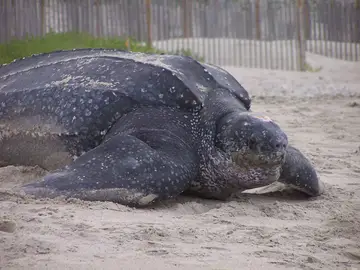
Yes. SWAP lists five sea turtles (loggerhead, green, leatherback, Kemp's ridley, hawksbill), all federally listed. N.C. Wildlife Resources Commission

Are there bats in North Carolina?

Yes. 17 bat species occur in NC; three are federally endangered and one federally threatened (NCWRC bat page). N.C. Wildlife Resources Commission

Sources

  1. North Carolina's State Wildlife Action Plan (SWAP) page. N.C. Wildlife Resources Commission. 2025 SWAP approved by USFWS January 2026; checked November 3, 2026.
  2. Pigmy Rattlesnake (NCWRC species page). N.C. Wildlife Resources Commission. undated page; checked November 3, 2026.
    Quoted passages (1)
    “This venomous snake feeds on lizards, mice, and frogs.”
  3. Copperhead (NCWRC species page). N.C. Wildlife Resources Commission. undated page; checked November 3, 2026.
    Quoted passages (5)
    “The copperhead is the most common and widespread venomous snake in North Carolina.”
    “There are 38 species of snakes in North Carolina and most are harmless to people.”
    “…copperheads account for probably over 90 percent of venomous snakebites in North Carolina.”
    “The great majority of bites can be prevented by exercising common sense: copperheads should be left alone.”
    “Copperheads mate in the spring and fall. Females give birth to 3 to 14 (up to 20) live young during the late summer or early fall.”
  4. Eastern Coral Snake (NCWRC species page). N.C. Wildlife Resources Commission. undated page; checked November 3, 2026.
    Quoted passages (3)
    “The beautiful, highly venomous coral snake takes its name from its bright colors, reminiscent of those found in some species of coral.”
    “It is one of North Carolina’s most rarely encountered terrestrial vertebrates, and is state listed as Endangered.”
    “Still, these snakes should never be handled or in any way molested or harmed.”
  5. Cottonmouth (NCWRC species page). N.C. Wildlife Resources Commission. undated page; checked November 3, 2026.
    Quoted passages (2)
    “The venomous cottonmouth, like all pit vipers, has a facial pit for sensing infrared radiation (heat), but unlike rattlesnakes, it lacks a rattle.”
    “Females give birth to a litter of 3–14 young between August and October.”
  6. Eastern Diamondback Rattlesnake (NCWRC species page). N.C. Wildlife Resources Commission. undated page; checked November 3, 2026.
    Quoted passages (1)
    “Though venomous, the snake prefers to escape first.”
  7. Timber Rattlesnake (NCWRC species page). N.C. Wildlife Resources Commission. undated page; checked November 3, 2026.
    Quoted passages (1)
    “They are venomous and are most common in the mountains and Coastal Plain.”
  8. Spiders in and Around Homes. NC State Extension (N.C. Cooperative Extension, NC State University). Publication date: Jan. 1, 2008; checked November 3, 2026.
    Quoted passages (3)
    “Black widow spider venom affects the nervous system.”
    “The two best-known poisonous spiders found here are the black widow spider and the brown recluse.”
    “Although brown recluse spiders can be found in North Carolina, they are simply not very common.”
  9. Venomous Spiders (Outdoor Workers). CDC / NIOSH. archived copy, captured September 29, 2026; checked November 3, 2026.
    Quoted passages (1)
    “Venomous spiders found in the United States include the black widow and the brown recluse.”
  10. Common Snapping Turtle (NCWRC species page). N.C. Wildlife Resources Commission. undated page; checked November 3, 2026.
    Quoted passages (1)
    “Snappers are so named because they defend themselves by snapping and biting aggressively when handled or otherwise molested.”
  11. Red Imported Fire Ant in North Carolina. NC State Extension (N.C. Cooperative Extension, NC State University). Publication date: June 20, 2017; checked November 3, 2026.
    Quoted passages (2)
    “A small number of people are highly allergic to fire ant stings and requires immediate medical attention.”
    “In North Carolina, imported fire ants can be found in at least 75 of our 100 counties”
  12. Saddleback Caterpillar. NC State Extension (N.C. Cooperative Extension, NC State University). Publication date: Jan. 27, 2017; checked November 3, 2026.
    Quoted passages (1)
    “Some people are very sensitive to such stings and may require professional medical treatment.”
  13. Striped Skunk (NCWRC species page). N.C. Wildlife Resources Commission. undated page; checked November 3, 2026.
    Quoted passages (1)
    “Skunks are a rabies vector species in North Carolina, but encounters with rabid skunks are uncommon.”
  14. Feral Swine (NCWRC species page). N.C. Wildlife Resources Commission. undated page; checked November 3, 2026.
    Quoted passages (1)
    “Feral swine also carry a variety of diseases that pose substantial risk to livestock, wildlife, humans, and pets.”
  15. Elk (NCWRC species page). N.C. Wildlife Resources Commission. undated page; checked November 3, 2026.
    Quoted passages (1)
    “Elk are wild animals that are unpredictable and some-times aggressive, especially during the fall breeding season.”
  16. Bobcat (NCWRC species page). N.C. Wildlife Resources Commission. undated page; checked November 3, 2026.
    Quoted passages (1)
    “Once a bobcat becomes habituated, it loses its natural wariness of people and may become bold and aggressive.”
  17. Armadillo, Nine-Banded (NCWRC species page). N.C. Wildlife Resources Commission. undated page; checked November 3, 2026.
    Quoted passages (2)
    “To reduce exposure to diseases, the Commission recommends that gloves be worn when in direct contact with any wild animal, including armadillos.”
    “…reaching North Carolina in the late 2000s, primarily from natural dispersal from adjacent states.”
  18. Bat (NCWRC species page). N.C. Wildlife Resources Commission. undated page; checked November 3, 2026.
    Quoted passages (2)
    “Bats are rabies vector species in North Carolina, though most bats do not carry the virus.”
    “Of the 17 species that occur in North Carolina, three are federally endangered and one is federally threatened.”
  19. Coyote (NCWRC species page). N.C. Wildlife Resources Commission. undated page; checked November 3, 2026.
    Quoted passages (2)
    “Once a coyote becomes habituated, it loses its natural wariness of people and may become bold or aggressive.”
    “Abundance: Common throughout state”
  20. Nonindigenous Aquatic Species - species list for North Carolina (by group). U.S. Geological Survey, Nonindigenous Aquatic Species (NAS) database. database queried November 3, 2026; checked November 3, 2026.
  21. Have a Wildlife Problem? N.C. Wildlife Resources Commission. undated page; checked November 3, 2026.
    Quoted passages (1)
    “The Wildlife Helpline is open Monday through Friday, 8 a.m. to 5 p.m. Call: 866-318-2401”
  22. Alligator, American (NCWRC species page). N.C. Wildlife Resources Commission. undated page; checked November 3, 2026.
    Quoted passages (2)
    “American alligators occur naturally in North Carolina, inhabiting bay lakes, rivers, creeks, marshes, swamps and ponds, with local populations distributed in patches along the coast.”
    “Be particularly cautious between dusk and dawn when alligators are most active.”
  23. Coexist with Snakes (Coexist-Snakes.pdf). N.C. Wildlife Resources Commission. undated page; checked November 3, 2026.
    Quoted passages (2)
    “…only six are venomous. Venomous snakes include the Copperhead, Cottonmouth, Timber Rattlesnake, Eastern Diamondback Rattlesnake, Pigmy Rattlesnake, and the Eastern Coral Snake.”
    “The best plan is to leave the snake alone and give it plenty of space.”
  24. Rattlesnakes of North Carolina / Rattlesnake Sightings Wanted (NCPARC, NCWRC). N.C. Wildlife Resources Commission. undated page; checked November 3, 2026.
    Quoted passages (1)
    “North Carolina is home to three rattlesnake species: the Eastern Diamondback Rattlesnake, Timber Rattlesnake and Pigmy Rattlesnake.”
  25. Snakes: Family Viperidae (AG-472-02). NC State Extension (N.C. Cooperative Extension, NC State University). Publication date: Aug. 21, 2019; checked November 3, 2026.
    Quoted passages (2)
    “The cottonmouth (sometimes called water moccasin) can reach a length of 71 inches and occurs in the coastal plain and sandhills of North Carolina.”
    “They are the most common venomous snake in the state and occur across North Carolina, except for the Outer Banks.”
  26. Scorpions in North Carolina. NC State Extension (N.C. Cooperative Extension, NC State University). Publication date: Oct. 1, 1984; checked November 3, 2026.
    Quoted passages (2)
    “…there is a species of scorpion found primarily in western North Carolina.”
    “Scorpions tend to be more active at night”
  27. Sharks (Species Profiles). N.C. Department of Environmental Quality, Division of Marine Fisheries. undated page; checked November 3, 2026.
    Quoted passages (1)
    “North Carolina is home to a variety of different shark species.”
  28. Red Wolf (NCWRC species page). N.C. Wildlife Resources Commission. undated page; checked November 3, 2026.
    Quoted passages (1)
    “Occurrence: Beaufort, Dare, Hyde, Tyrrell, and Washington counties”
  29. Black Bear (NCWRC species page). N.C. Wildlife Resources Commission. undated page; checked November 3, 2026.
    Quoted passages (2)
    “Common in coastal and mountain regions of the state; uncommon in the Piedmont region”
    “In North Carolina, den entry can occur as early as November or as late as January, though male bears in the coastal plain region may be active throughout the winter.”
  30. Eastern Cougar (NCWRC species page). N.C. Wildlife Resources Commission. undated page; checked November 3, 2026.
  31. NCDA&CS confirms first finding of yellow-legged hornet in the state, asks beekeepers to watch for predator hornet (press release). N.C. Department of Agriculture and Consumer Services. July 27, 2026; checked November 3, 2026.
    Quoted passages (1)
    “…has confirmed the first established presence of the invasive yellow-legged hornet (Vespa velutina) in the state, in Matthews.”
  32. Non-Honey Bee Stinging Insects in North Carolina. NC State Extension (N.C. Cooperative Extension, NC State University). Publication date: Feb. 5, 2015; checked November 3, 2026.
    Quoted passages (2)
    “…the Asian Giant hornet (also known as the "murder" hornet) and the Yellow-legged hornet—neither of which are in North Carolina.”
    “In North Carolina, they typically emerge in April and May.”
  33. 2025 SWAP Appendix 3 Table 3-7 REPTILES SGCN and Priority Species List (2025 WAP Revision Taxa Team Evaluations). N.C. Wildlife Resources Commission. 2025 NC SWAP; checked November 3, 2026.
    Quoted passages (1)
    “Scientific Name: Caretta caretta”
  34. Animals, Bites, and Stings (FAQ). U.S. Health Resources & Services Administration (HRSA), Poison Help. archived copy, captured July 13, 2026; checked November 3, 2026.
    Quoted passages (2)
    “If you or someone you know are bitten by a snake, right away call Poison Help (1-800-222-1222), which connects you to your local poison center.”
    “If you or someone you know has been bitten by a spider, call Poison Help (1-800-222-1222), which connects you to your local poison center, to find out more information.”
  35. Venomous Snakes (Outdoor Workers). CDC / NIOSH. archived copy, captured October 1, 2026; checked November 3, 2026.
    Quoted passages (1)
    “Seek emergency medical attention as soon as possible”
  36. Expect to See Snakes as the Weather Warms (press release). N.C. Wildlife Resources Commission. May 2, 2023; checked November 3, 2026.
    Quoted passages (1)
    “The warm weather means more snakes will start to show up along trails, in the woods, crossing roads and in our yards.”
  37. Birdwatching. N.C. Wildlife Resources Commission. undated page; checked November 3, 2026.
    Quoted passages (1)
    “Spring and fall migration seasons offer the greatest diversity, while winter is ideal for spotting waterfowl along the coast and birds of prey across the state.”
  38. GBIF.org occurrence records, human observations licensed CC0 1.0 or CC BY 4.0 only, accessed November 3, 2026. The datasets behind these counts are listed on our Sources page.