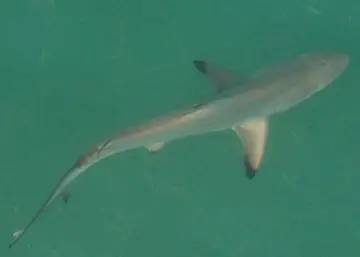
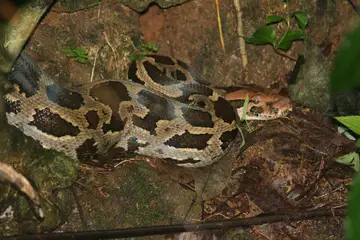
States Wildlife

Florida wildlife: what lives here and what is dangerous

Last checked November 3, 2026 against official sources.

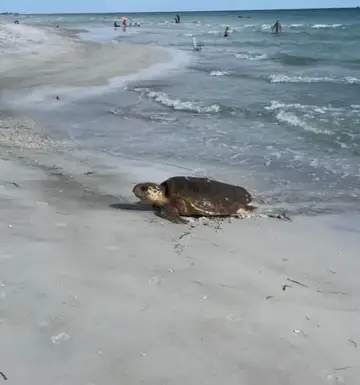
Loggerhead Sea Turtle
Photo: Kristiina Hurme · CC BY 4.0 · iNaturalist

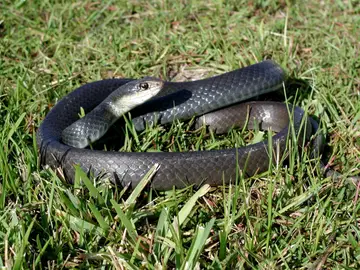
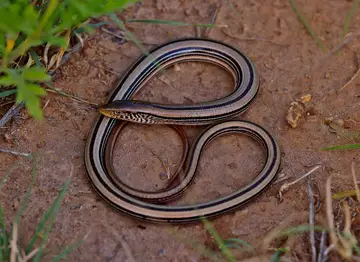
Florida has 6 venomous snakes named by official sources: Eastern or Harlequin Coralsnake, Florida Cottonmouth, Eastern Copperhead, Eastern Diamond-backed Rattlesnake, Timber Rattlesnake or Canebrake Rattlesnake and Pygmy Rattlesnake, as labelled by FWC. This guide covers 10 animal groups from Florida Fish and Wildlife Conservation Commission (FWC) lists and other official sources, with photos, venomous status and when each group is active.

Identification help has limits: a photo cannot confirm that an animal is safe. Watch from a distance and never handle a wild animal.

On this page
  1. Animal groups
  2. Dangerous animals
  3. Invasive species
  4. Seasons
  5. Official agency and reporting
  6. Questions
  7. Sources

Animal groups in Florida

Dangerous animals in Florida

These are the animals official sources describe as venomous or as a risk to people in Florida, across 7 groups. The reason is given in the source's own terms.

AnimalGroupWhy, per the sourceSource
Eastern or Harlequin CoralsnakeSnakesVenomous: “Only six of Florida's 44 snake species are venomous: the eastern coral snake, the southern copperhead, the cottonmouth, the eastern diamondback rattlesnake, the timber rattlesnake, and the dusky …”FWC
Florida CottonmouthSnakesVenomous: “Only six of Florida's 44 snake species are venomous: the eastern coral snake, the southern copperhead, the cottonmouth, the eastern diamondback rattlesnake, the timber rattlesnake, and the dusky …”FWC
Eastern CopperheadSnakesVenomous: “Only six of Florida's 44 snake species are venomous: the eastern coral snake, the southern copperhead, the cottonmouth, the eastern diamondback rattlesnake, the timber rattlesnake, and the dusky …”FWC
Eastern Diamond-backed RattlesnakeSnakesVenomous: “Only six of Florida's 44 snake species are venomous: the eastern coral snake, the southern copperhead, the cottonmouth, the eastern diamondback rattlesnake, the timber rattlesnake, and the dusky …”FWC
Timber Rattlesnake or Canebrake RattlesnakeSnakesVenomous: “Only six of Florida's 44 snake species are venomous: the eastern coral snake, the southern copperhead, the cottonmouth, the eastern diamondback rattlesnake, the timber rattlesnake, and the dusky …”FWC
Pygmy RattlesnakeSnakesVenomous: “Only six of Florida's 44 snake species are venomous: the eastern coral snake, the southern copperhead, the cottonmouth, the eastern diamondback rattlesnake, the timber rattlesnake, and the dusky …”FWC
Boa ConstrictorSnakesNon-venomous, but large individuals: “However, larger boa constrictors have large, sharp teeth, and their bites can cause severe lacerations.”Florida Museum of Natural History
Burmese/Indian PythonSnakesNon-venomous, but large individuals: “However, larger Burmese Pythons have large, sharp teeth, and their bites can cause severe lacerations.”Florida Museum of Natural History
Northern African PythonSnakesNon-venomous, but large individuals: “However, larger African Rock Pythons have large, sharp teeth, and their bites can cause severe lacerations.”Florida Museum of Natural History
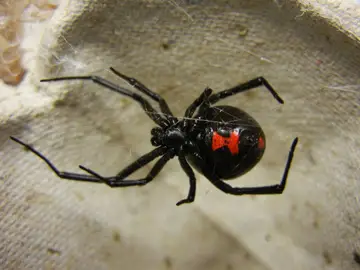
Southern black widowSpidersVenomous: “The only spiders native to or established in Florida with medically significant venom are the widow spiders (Latrodectus spp.).”UF/IFAS Extension
Brown widowSpidersVenomous: “The only spiders native to or established in Florida with medically significant venom are the widow spiders (Latrodectus spp.).”UF/IFAS Extension
Northern black widowSpidersVenomous: “The only spiders native to or established in Florida with medically significant venom are the widow spiders (Latrodectus spp.).”UF/IFAS Extension
Red widowSpidersVenomous: “The only spiders native to or established in Florida with medically significant venom are the widow spiders (Latrodectus spp.).”UF/IFAS Extension
Widow spiders (southern black, brown, northern black, red)SpidersMedically significant venom: “Widow spiders have medically significant venom, meaning people may require medical care if bitten”UF/IFAS Extension
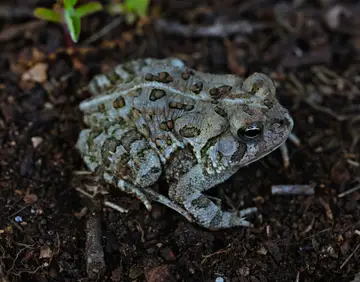
Cane ToadFrogs and ToadsPoisonous to animals that bite or eat it, including pets: “The skin-gland secretions of cane toads (called bufotoxin) are highly toxic and can sicken or even kill animals that bite or feed on them, including native animals and domestic pets …”FWC
Cuban TreefrogFrogs and ToadsToxic skin secretions irritate the eyes and nose of people and the mouths of pets that bite them: “Cuban treefrog secretions are extremely irritating to the mucous membranes of mammals, especially humans.”UF/IFAS Extension
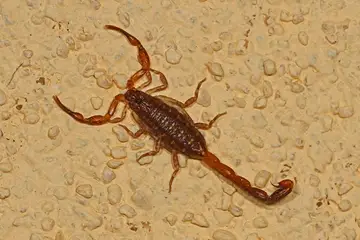
Hentz striped scorpionScorpionsVenomous: “Scorpion venom is a neurotoxin, but the dose injected usually is insufficient to prove fatal to an adult human …”UF/IFAS Extension
Slender brown scorpionScorpionsVenomous: “Scorpion venom is a neurotoxin, but the dose injected usually is insufficient to prove fatal to an adult human …”UF/IFAS Extension
Keys bark scorpionScorpionsVenomous: “Scorpion venom is a neurotoxin, but the dose injected usually is insufficient to prove fatal to an adult human …”UF/IFAS Extension
Scorpions (all Florida species)ScorpionsVenomous sting: “Scorpion venom is a neurotoxin, but the dose injected usually is insufficient to prove fatal to an adult human …”UF/IFAS Extension
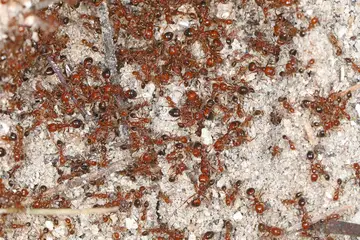
Red imported fire antInsects and BugsVenomous: “The sting of the RIFA possesses venom of an alkaloid nature, which exhibits potent necrotoxic activity.”UF/IFAS Extension
Puss caterpillar (southern flannel moth larva)Insects and BugsVenomous: “…the puss caterpillar, which is one of the most venomous caterpillars in the United States”UF/IFAS Extension
Honey beeInsects and BugsVenomous: “Venoms that attack the central nervous system, or neurotoxins (e.g., black and brown widow spiders, bark scorpions, certain ticks, Hymenoptera, wheel bugs).”UF/IFAS Extension
Wasps (hornets, yellow jackets, paper wasps)Insects and BugsVenomous: “Venoms that attack the central nervous system, or neurotoxins (e.g., black and brown widow spiders, bark scorpions, certain ticks, Hymenoptera, wheel bugs).”UF/IFAS Extension
Wheel bugInsects and BugsVenomous: “Venoms that attack the central nervous system, or neurotoxins (e.g., black and brown widow spiders, bark scorpions, certain ticks, Hymenoptera, wheel bugs).”UF/IFAS Extension
Blister beetlesInsects and BugsVenomous: “Venoms that produce blisters, or vesicating toxins (e.g., blister beetles, certain stinging caterpillars, millipedes).”UF/IFAS Extension
Saddleback caterpillarInsects and BugsVenomous: “Venoms that produce blisters, or vesicating toxins (e.g., blister beetles, certain stinging caterpillars, millipedes).”UF/IFAS Extension
Io moth caterpillarInsects and BugsVenomous: “Venoms that produce blisters, or vesicating toxins (e.g., blister beetles, certain stinging caterpillars, millipedes).”UF/IFAS Extension
Hag moth caterpillarInsects and BugsVenomous: “Venoms that produce blisters, or vesicating toxins (e.g., blister beetles, certain stinging caterpillars, millipedes).”UF/IFAS Extension
Bees, wasps and fire ants (Hymenoptera)Insects and BugsStings: “Death can occur within one hour after the person has been stung by a Hymenopteran (bees, fire ants, wasps, yellow jackets, or hornets).”UF/IFAS Extension
Puss caterpillarInsects and BugsOne of the most venomous caterpillars in the United States: “…the puss caterpillar, which is one of the most venomous caterpillars in the United States”UF/IFAS Extension
Florida black bearMammalsCan seriously harm or kill people, though injuries in Florida are rare: “Even though they are typically quiet and shy animals, they have the potential to seriously harm or kill people.”FWC
BatsMammalsDisease: “Bats do carry rabies, and are one of the primary vectors for rabies exposure in the United States.”FWC
Raccoons and foxesMammalsDisease: “However, any mammal is capable of carrying rabies, and in Florida, foxes and raccoons have a higher incidence of rabies than bats do.”FWC
Atlantic stingraySharks and Marine LifeVenomous: “Non-aggressive species of little danger to humans except for their defensive venomous barb located near the base of the tail.”FWC
Southern stingraySharks and Marine LifeVenomous: “Non-aggressive species of little danger to humans except for their defensive venomous barb located near the base of the tail.”FWC
Yellow stingraySharks and Marine LifeVenomous: “Non-aggressive species of little danger to humans except for their defensive venomous barb located near the base of the tail.”FWC
LionfishSharks and Marine LifeVenomous: “Use care when handling lionfish, as they have up to 18 venomous spines on their dorsal, pelvic and anal fins that can cause painful stings.”FWC
Bull sharkSharks and Marine LifeOne of the more dangerous shark species: “One of the more dangerous shark species, accounting for the third highest number of attacks on humans.”FWC
Tiger sharkSharks and Marine LifeSecond only to the white shark in attacks on humans worldwide: “Tiger sharks are second only to the Great White shark in the number of attacks on humans worldwide.”FWC
Great hammerheadSharks and Marine LifeConsidered dangerous: “Considered to be dangerous, ranking seventh in unprovoked attacks on humans (often confused with more abundant Scalloped Hammerhead shark).”FWC
Blacktip sharkSharks and Marine LifeImplicated in attacks on bathers: “Has been implicated in attacks on bathers.”FWC
Stingrays (Atlantic, southern, yellow)Sharks and Marine LifeDefensive venomous barb near the base of the tail: “Non-aggressive species of little danger to humans except for their defensive venomous barb located near the base of the tail.”FWC
JellyfishSharks and Marine LifeStinging cells: “The stings of some jellyfish can be quite painful, causing reactions ranging from mild rashes to death (in extreme allergic-reaction instances.)”FWC

Venomous snakes in Florida shows each venomous snake with photos and range.

Invasive and nonnative species

45 nonnative animals are named on Florida's official lists (FWC). The USGS Nonindigenous Aquatic Species database records 14 nonnative animals in our groups with an established population in Florida.

  • Burmese Python Python molurus
  • Northern African Python Python sebae
  • Argentine Black and White Tegu Salvator merianae
  • Yellow Anaconda Eunectes notaeus
  • Reticulated Python Python reticulatus
  • Peter's Rock Agama Agama picticauda
  • Green Anaconda Eunectes murinus
  • Green Iguana Iguana iguana

All invasive species in Florida, with where they live and how to report them.

When animals are active in Florida

Darker cells are the months with more open-licence observation records of each group in Florida (GBIF). They show when people see and record these animals, not how many there are. The current month, this month, is highlighted.

JanFebMarAprMayJunJulAugSepOctNovDec
SnakesJanuary: 306 recordsFebruary: 543 recordsMarch: 828 recordsApril: 686 recordsMay: 565 recordsJune: 410 recordsJuly: 391 recordsAugust: 376 recordsSeptember: 405 recordsOctober: 413 recordsNovember: 294 recordsDecember: 396 records
SpidersJanuary: 610 recordsFebruary: 606 recordsMarch: 889 recordsApril: 949 recordsMay: 884 recordsJune: 897 recordsJuly: 860 recordsAugust: 813 recordsSeptember: 830 recordsOctober: 789 recordsNovember: 523 recordsDecember: 726 records
LizardsJanuary: 1,058 recordsFebruary: 1,510 recordsMarch: 2,242 recordsApril: 2,216 recordsMay: 1,720 recordsJune: 1,610 recordsJuly: 1,212 recordsAugust: 1,279 recordsSeptember: 1,297 recordsOctober: 1,420 recordsNovember: 832 recordsDecember: 1,473 records
Frogs and ToadsJanuary: 473 recordsFebruary: 514 recordsMarch: 908 recordsApril: 859 recordsMay: 1,044 recordsJune: 1,030 recordsJuly: 1,081 recordsAugust: 1,360 recordsSeptember: 1,069 recordsOctober: 879 recordsNovember: 648 recordsDecember: 556 records
TurtlesJanuary: 544 recordsFebruary: 583 recordsMarch: 727 recordsApril: 626 recordsMay: 478 recordsJune: 384 recordsJuly: 274 recordsAugust: 284 recordsSeptember: 292 recordsOctober: 303 recordsNovember: 339 recordsDecember: 572 records
ScorpionsJanuary: 14 recordsFebruary: 3 recordsMarch: 20 recordsApril: 23 recordsMay: 18 recordsJune: 7 recordsJuly: 5 recordsAugust: 19 recordsSeptember: 9 recordsOctober: 7 recordsNovember: 9 recordsDecember: 7 records
Insects and BugsJanuary: 5,782 recordsFebruary: 7,420 recordsMarch: 14,677 recordsApril: 16,704 recordsMay: 15,024 recordsJune: 11,849 recordsJuly: 10,736 recordsAugust: 10,715 recordsSeptember: 11,140 recordsOctober: 10,309 recordsNovember: 6,711 recordsDecember: 6,706 records
MammalsJanuary: 1,023 recordsFebruary: 940 recordsMarch: 1,058 recordsApril: 1,001 recordsMay: 867 recordsJune: 672 recordsJuly: 570 recordsAugust: 567 recordsSeptember: 552 recordsOctober: 672 recordsNovember: 660 recordsDecember: 864 records
Sharks and Marine LifeJanuary: 258 recordsFebruary: 243 recordsMarch: 269 recordsApril: 236 recordsMay: 423 recordsJune: 1,142 recordsJuly: 788 recordsAugust: 941 recordsSeptember: 598 recordsOctober: 395 recordsNovember: 302 recordsDecember: 317 records

What official sources say about seasons

  • Alligator courtship begins in early April; mating in May or June; nesting late June/early July; hatching mid-August to early September. FWC
  • Cane toads breed year-round. FWC
  • Blacktip sharks migrate south and into deeper coastal waters in winter; females give birth in shallow bays in spring and early summer. FWC
  • Bonnetheads move into deeper coastal waters in colder months. FWC
  • Lemon sharks migrate south and into deeper waters in winter. FWC
  • Lionfish are found year-round in Florida waters. FWC
  • Scorpions are most active at night. UF/IFAS Extension
  • Sharks are most active at darkness or twilight. FWC

Official agency and how to report

Florida's wildlife agency is the Florida Fish and Wildlife Conservation Commission (FWC).

Report: Report nonnative animals to the FWC Invasive Species Hotline 888-Ive-Got1 (888-483-4681); FWC asks the public to call the Hotline for high-priority species: all nonnative snakes, monitor lizards and tegus. Other nonnative species can be reported via the IveGot1 app or IveGot1.org. Alligator or crocodile concerns: 866-FWC-GATOR (866-392-4286). FWC

Official safety advice

  • If you see a snake, stand back and observe it; leave venomous snakes alone. FWC
  • Even a venomous snake in the woods or crossing the road poses no threat and should be left alone. FWC
  • Do not try to capture, harass or harm any snake. UF/IFAS Extension
  • Poison control hotline for snakebite and other venom exposures: 1-800-222-1222 (call 911 in an emergency). UF/IFAS Extension
  • Never feed an alligator, keep your distance, swim only in designated areas in daylight, keep pets leashed and away from water. FWC
  • If you are concerned about an alligator or crocodile, call the FWC Nuisance Alligator Hotline 866-FWC-GATOR (866-392-4286). FWC

Questions people ask about Florida wildlife

Are there alligators in Florida?

Yes. Alligators live in Florida marshes, swamps, rivers and lakes and are found in all 67 counties; serious injuries are rare. FWC · More

Are there crocodiles in Florida?

Yes. American crocodiles live mainly in south Florida and the Keys in brackish and saltwater areas; the Florida population is federally threatened. FWC · More

Are there venomous snakes in Florida?

Yes. Six of Florida's 44 snake species (FWC count) are venomous: eastern coral snake, southern copperhead, cottonmouth, eastern diamondback rattlesnake, timber rattlesnake and dusky pygmy rattlesnake. FWC

Are there rattlesnakes in Florida?

Yes. Three: eastern diamondback, timber (canebrake) and pygmy rattlesnakes. FWC · More

Are there copperheads in Florida?

Yes, Panhandle only. In Florida, copperheads occur only in the Panhandle. Florida Museum of Natural History · More

Are there coral snakes in Florida?

Yes. Harlequin coralsnakes are found throughout Florida, in every county. Florida Museum of Natural History · More

Are there water moccasins (cottonmouths) in Florida?

Yes. Cottonmouths are found throughout Florida, in every county. Florida Museum of Natural History

Are there pythons in Florida?

Yes. Burmese pythons are established in the southern Florida peninsula. Florida Museum of Natural History · More

Are there brown recluse spiders in Florida?

Not established. UF/IFAS: no scientific evidence that any recluse spider is established in Florida; there have been occasional interceptions. UF/IFAS Extension

Are there black widow spiders in Florida?

Yes. Florida has four widow spiders: southern black, brown, northern black and red widow. UF/IFAS Extension · More

Are there scorpions in Florida?

Yes. Several scorpion species occur in Florida; UF/IFAS says none can inflict a lethal sting. UF/IFAS Extension · More

Are there sharks in Florida?

Yes. Bull, tiger, blacktip and other sharks live in Florida waters; bites are extremely unlikely. FWC

Are there bears in Florida?

Yes. The Florida black bear lives in seven separated subpopulations throughout Florida. FWC · More

Are there coyotes in Florida?

Yes. Coyotes have been documented in all 67 Florida counties. FWC · More

Are there cane toads in Florida?

Yes. Cane toads are found in central and south Florida, generally south of the I-4 corridor; they are poisonous to pets. FWC

Are there lionfish in Florida?

Yes. Lionfish can be found year-round in Florida waters and have venomous spines. FWC

Sources

  1. Checklist of Florida's Amphibians and Reptiles (Revised 2023). Florida Fish and Wildlife Conservation Commission (FWC). Revised 2023; checked November 3, 2026.
  2. Living with Snakes. Florida Fish and Wildlife Conservation Commission (FWC). archived copy, captured June 16, 2026; checked November 3, 2026. Archived copy.
    Quoted passages (3)
    “Only six of Florida's 44 snake species are venomous: the eastern coral snake, the southern copperhead, the cottonmouth, the eastern diamondback rattlesnake, the timber rattlesnake, and the dusky pygmy rattlesnake.”
    “What should you do when you come upon a snake? Just stand back and observe it.”
    “Even a venomous snake in the woods or crossing the road poses no threat and should be left alone.”
  3. Checklist of Florida's Mammals (FWC; archived copy, incomplete). Florida Fish and Wildlife Conservation Commission (FWC). undated page; checked November 3, 2026.
    Quoted passages (1)
    “This checklist identifies the 99 species of wild mammals currently found in Florida, 11 of which have been introduced or recently expanded their range into the state.”
  4. Florida Snake ID Guide species account: Boa Constrictor. Florida Museum of Natural History (University of Florida). updated September 23, 2022; checked November 3, 2026.
    Quoted passages (1)
    “However, larger boa constrictors have large, sharp teeth, and their bites can cause severe lacerations.”
  5. Florida Snake ID Guide species account: Burmese Python. Florida Museum of Natural History (University of Florida). updated September 23, 2022; checked November 3, 2026.
    Quoted passages (2)
    “However, larger Burmese Pythons have large, sharp teeth, and their bites can cause severe lacerations.”
    “However, they are currently known to be established only in the southern Florida peninsula from Lake Okeechobee south to Key Largo and Florida Bay.”
  6. Florida Snake ID Guide species account: African Rock Python. Florida Museum of Natural History (University of Florida). updated September 8, 2021; checked November 3, 2026.
    Quoted passages (1)
    “However, larger African Rock Pythons have large, sharp teeth, and their bites can cause severe lacerations.”
  7. ENY2080 An Introduction to Some Common and Charismatic Florida Spiders (Powell & Taylor). UF/IFAS Extension (EDIS). Original publication date February 2023; checked November 3, 2026.
    Quoted passages (4)
    “The only spiders native to or established in Florida with medically significant venom are the widow spiders (Latrodectus spp.).”
    “Widow spiders have medically significant venom, meaning people may require medical care if bitten”
    “There is currently no scientific evidence to suggest that any recluse spider is established in Florida”
    “The widow spiders found in Florida include the southern black widow (Latrodectus mactans), the brown widow (L. geometricus), the northern black widow (L. variolus), and the red widow (L. bishopi)”
  8. Cane Toad (species profile). Florida Fish and Wildlife Conservation Commission (FWC). archived copy, captured October 13, 2026; checked November 3, 2026. Archived copy.
    Quoted passages (3)
    “The skin-gland secretions of cane toads (called bufotoxin) are highly toxic and can sicken or even kill animals that bite or feed on them, including native animals and domestic pets. The skin secretions may irritate the skin or burn the eyes of people who handle them.”
    “Cane toads are currently found in central and south Florida, generally south of the I-4 corridor.”
    “Cane toads breed year-round in standing water, streams, canals and ditches.”
  9. WEC218 The Cuban Treefrog in Florida. UF/IFAS Extension (EDIS). Original publication date May 2007; checked November 3, 2026.
    Quoted passages (1)
    “Cuban treefrog secretions are extremely irritating to the mucous membranes of mammals, especially humans.”
  10. ENY-215 Stinging or Venomous Insects and Related Pests (Koehler & Diclaro). UF/IFAS Extension (EDIS). Original publication date January 1996; checked November 3, 2026.
    Quoted passages (6)
    “Scorpion venom is a neurotoxin, but the dose injected usually is insufficient to prove fatal to an adult human. None of the several species of scorpions that occur in Florida is capable of inflicting a lethal sting.”
    “Venoms that attack the central nervous system, or neurotoxins (e.g., black and brown widow spiders, bark scorpions, certain ticks, Hymenoptera, wheel bugs).”
    “Venoms that produce blisters, or vesicating toxins (e.g., blister beetles, certain stinging caterpillars, millipedes).”
    “Death can occur within one hour after the person has been stung by a Hymenopteran (bees, fire ants, wasps, yellow jackets, or hornets).”
    “None of the several species of scorpions that occur in Florida is capable of inflicting a lethal sting.”
    “Scorpions are most active at night.”
  11. EENY-195 Red Imported Fire Ant, Solenopsis invicta. UF/IFAS Extension (EDIS). Original Jan 2001; checked November 3, 2026.
    Quoted passages (1)
    “The sting of the RIFA possesses venom of an alkaloid nature, which exhibits potent necrotoxic activity.”
  12. EENY-545 Puss Caterpillar, Southern Flannel Moth, Megalopyge opercularis. UF/IFAS Extension (EDIS). Original Jan 2013; checked November 3, 2026.
    Quoted passages (1)
    “…the puss caterpillar, which is one of the most venomous caterpillars in the United States”
  13. Bear encounters (Living with Bears). Florida Fish and Wildlife Conservation Commission (FWC). archived copy, captured May 12, 2026; checked November 3, 2026. Archived copy.
    Quoted passages (1)
    “Even though they are typically quiet and shy animals, they have the potential to seriously harm or kill people.”
  14. Bats and Rabies. Florida Fish and Wildlife Conservation Commission (FWC). archived copy, captured May 12, 2026; checked November 3, 2026. Archived copy.
    Quoted passages (2)
    “Bats do carry rabies, and are one of the primary vectors for rabies exposure in the United States.”
    “However, any mammal is capable of carrying rabies, and in Florida, foxes and raccoons have a higher incidence of rabies than bats do.”
  15. Atlantic Stingray (FWRI ray species). Florida Fish and Wildlife Conservation Commission (FWC). archived copy, captured January 21, 2026; checked November 3, 2026. Archived copy.
    Quoted passages (1)
    “Non-aggressive species of little danger to humans except for their defensive venomous barb located near the base of the tail.”
  16. Southern Stingray (FWRI ray species). Florida Fish and Wildlife Conservation Commission (FWC). archived copy, captured March 12, 2026; checked November 3, 2026. Archived copy.
    Quoted passages (1)
    “Non-aggressive species of little danger to humans except for their defensive venomous barb located near the base of the tail.”
  17. Yellow Stingray (FWRI ray species). Florida Fish and Wildlife Conservation Commission (FWC). archived copy, captured March 9, 2026; checked November 3, 2026. Archived copy.
    Quoted passages (1)
    “Non-aggressive species of little danger to humans except for their defensive venomous barb located near the base of the tail.”
  18. Lionfish (saltwater recreational regulations). Florida Fish and Wildlife Conservation Commission (FWC). archived copy, captured October 19, 2026; checked November 3, 2026. Archived copy.
    Quoted passages (2)
    “Use care when handling lionfish, as they have up to 18 venomous spines on their dorsal, pelvic and anal fins that can cause painful stings.”
    “…lionfish can be found year-round in Florida waters”
  19. Bull Shark (FWRI shark species). Florida Fish and Wildlife Conservation Commission (FWC). archived copy, captured October 21, 2026; checked November 3, 2026. Archived copy.
    Quoted passages (1)
    “One of the more dangerous shark species, accounting for the third highest number of attacks on humans.”
  20. Tiger Shark (FWRI shark species). Florida Fish and Wildlife Conservation Commission (FWC). archived copy, captured June 9, 2026; checked November 3, 2026. Archived copy.
    Quoted passages (1)
    “Tiger sharks are second only to the Great White shark in the number of attacks on humans worldwide.”
  21. Great Hammerhead Shark (FWRI shark species). Florida Fish and Wildlife Conservation Commission (FWC). archived copy, captured January 17, 2026; checked November 3, 2026. Archived copy.
    Quoted passages (1)
    “Considered to be dangerous, ranking seventh in unprovoked attacks on humans (often confused with more abundant Scalloped Hammerhead shark).”
  22. Blacktip Shark (FWRI shark species). Florida Fish and Wildlife Conservation Commission (FWC). archived copy, captured February 11, 2026; checked November 3, 2026. Archived copy.
    Quoted passages (2)
    “Has been implicated in attacks on bathers.”
    “Migrates southward and into deeper coastal waters during winter months.”
  23. Jellyfish (species profile). Florida Fish and Wildlife Conservation Commission (FWC). archived copy, captured June 9, 2026; checked November 3, 2026. Archived copy.
    Quoted passages (1)
    “The stings of some jellyfish can be quite painful, causing reactions ranging from mild rashes to death (in extreme allergic-reaction instances.)”
  24. Species Not Native to Florida. Florida Fish and Wildlife Conservation Commission (FWC). archived copy, captured September 9, 2025; checked November 3, 2026. Archived copy.
    Quoted passages (8)
    “Burmese Python Python molurus”
    “Northern African Python Python sebae”
    “Argentine Black and White Tegu Salvator merianae”
    “Yellow Anaconda Eunectes notaeus”
    “Reticulated Python Python reticulatus”
    “Peter's Rock Agama Agama picticauda”
    “Green Anaconda Eunectes murinus”
    “Green Iguana Iguana iguana”
  25. Report Nonnative Species. Florida Fish and Wildlife Conservation Commission (FWC). archived copy, captured October 25, 2026; checked November 3, 2026. Archived copy.
    Quoted passages (1)
    “You can call the FWC’s Invasive Species Hotline at 888-Ive-Got1 (483-4681) to report nonnative animals. We ask the public to call the Hotline to report high priority species, which include all nonnative snakes, monitor lizards, and tegus.”
  26. Living with Alligators. Florida Fish and Wildlife Conservation Commission (FWC). archived copy, captured October 25, 2026; checked November 3, 2026. Archived copy.
    Quoted passages (3)
    “Alligators have inhabited Florida's marshes, swamps, rivers and lakes for many centuries, and are found in all 67 counties.”
    “Remember, never feed an alligator and keep your distance if you see one. Swim only in designated swimming areas during daylight hours. And keep pets on a leash and away from the water.”
    “…if you are concerned about an alligator, call FWC’s toll-free Nuisance Alligator Hotline at 866-392-4286.”
  27. American Crocodile. Florida Fish and Wildlife Conservation Commission (FWC). archived copy, captured September 5, 2026; checked November 3, 2026. Archived copy.
    Quoted passages (1)
    “American crocodiles live in coastal areas throughout the Caribbean and occur at the northern end of their range in south Florida and the Keys.”
  28. Florida Snake ID Guide species account: Eastern Copperhead. Florida Museum of Natural History (University of Florida). updated September 23, 2022; checked November 3, 2026.
    Quoted passages (1)
    “In Florida, copperheads occur only in the Panhandle, primarily in the western tip and along the Apalachicola River and its tributaries.”
  29. Florida Snake ID Guide species account: Harlequin Coralsnake. Florida Museum of Natural History (University of Florida). updated September 23, 2022; checked November 3, 2026.
    Quoted passages (1)
    “Harlequin Coralsnakes are found throughout Florida and in every county.”
  30. Florida Snake ID Guide species account: Florida Cottonmouth. Florida Museum of Natural History (University of Florida). updated September 26, 2025; checked November 3, 2026.
    Quoted passages (1)
    “Cottonmouths are found throughout Florida and in every county.”
  31. Reducing the odds of a shark encounter (FWRI). Florida Fish and Wildlife Conservation Commission (FWC). archived copy, captured July 31, 2026; checked November 3, 2026. Archived copy.
    Quoted passages (2)
    “It is extremely unlikely for a person to be bitten by a shark in Florida waters, and bites are rarely life threatening.”
    “Avoid being in the water during darkness or twilight hours when sharks are most active.”
  32. Terrestrial Mammals (FWRI research). Florida Fish and Wildlife Conservation Commission (FWC). archived copy, captured January 15, 2026; checked November 3, 2026. Archived copy.
    Quoted passages (1)
    “…the subspecies currently lives in seven separated subpopulations throughout Florida”
  33. Living with Coyotes. Florida Fish and Wildlife Conservation Commission (FWC). archived copy, captured September 15, 2026; checked November 3, 2026. Archived copy.
    Quoted passages (1)
    “Coyotes are found throughout Florida, having been documented in all 67 Florida counties.”
  34. WEC 202 Recognizing Florida's Venomous Snakes (Johnson & Main). UF/IFAS Extension (EDIS). Original Sept 2005; checked November 3, 2026.
    Quoted passages (2)
    “Therefore, it is best not to attempt to capture, harass, or harm any snake.”
    “Poison Control Hotline: 1-800-222-1222”
  35. Alligator Facts. Florida Fish and Wildlife Conservation Commission (FWC). archived copy, captured September 1, 2026; checked November 3, 2026. Archived copy.
    Quoted passages (1)
    “Courtship begins in early April, and mating occurs in May or June.”
  36. Bonnethead Shark (FWRI shark species). Florida Fish and Wildlife Conservation Commission (FWC). archived copy, captured April 16, 2026; checked November 3, 2026. Archived copy.
    Quoted passages (1)
    “Moves into deeper coastal waters during the colder months.”
  37. Lemon Shark (FWRI shark species). Florida Fish and Wildlife Conservation Commission (FWC). archived copy, captured July 10, 2026; checked November 3, 2026. Archived copy.
    Quoted passages (1)
    “Migrates southward and into deeper waters in the winter months.”
  38. GBIF.org occurrence records, human observations licensed CC0 1.0 or CC BY 4.0 only, accessed November 3, 2026. The datasets behind these counts are listed on our Sources page.