Invasive and nonnative animals in Florida
Last checked November 3, 2026 against official sources.
45 nonnative animals are named on an official list for Florida: “Species Not Native to Florida” (FWC).
The USGS Nonindigenous Aquatic Species database records an established population in Florida for 14 nonnative animals in the groups this guide covers.
To report a sighting, see how to report.
Being on a list of nonnative species does not always mean an animal is harmful or established: each list below is described in its source's terms. A sighting of a listed animal is still worth reporting to the agency.
Species Not Native to Florida
Florida Fish and Wildlife Conservation Commission (FWC), archived copy, captured September 9, 2025. 45 animals.
-
Arapaima Arapaima gigas
-
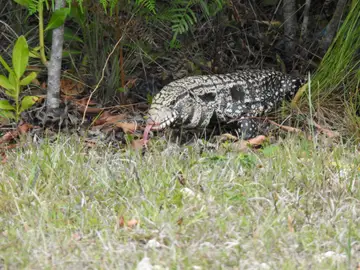
Photo: Andrew Durso · CC BY 4.0 · iNaturalist Argentine Black and White Tegu Salvator merianae
-
Asian Swamp Eel Monopterus albus
-
Asian Tiger Shrimp (Prawn) Penaeus monodon
-
Black Acara Cichlasoma bimaculatum
-
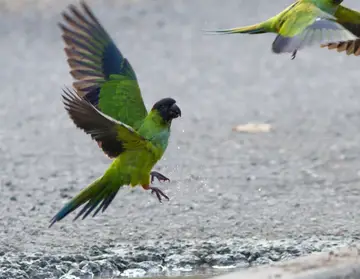
Photo: Adam J. Searcy · CC BY 4.0 · iNaturalist Black-hooded Parakeet Nandayus nenday
-
Blue Catfish Ictalurus furcatus
-
Blue Tilapia Oreochromis aureus
-
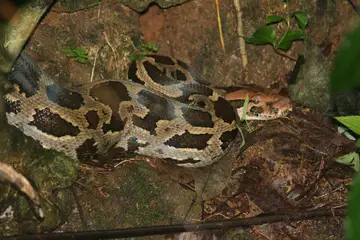
Photo: Praveenp · CC BY-SA 4.0 · Wikimedia Commons · resized Burmese Python Python molurus
However, they are currently known to be established only in the southern Florida peninsula from Lake Okeechobee south to Key Largo and Florida Bay. Florida Museum of Natural History
-
Butterfly Peacock Cichla ocellaris
-
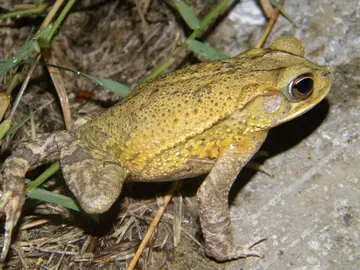
Photo: Maximilian Paradiz from Amsterdam, Netherlands · CC BY 2.0 · Wikimedia Commons -
Clown Knifefish Chitala ornata
-
Common Carp Cyprinus carpio
-
Flathead Catfish Pylodictis olivaris
-
Gambian Pouched Rat Cricetomys gambianus
-
Grass Carp Ctenopharyngodon idella
-
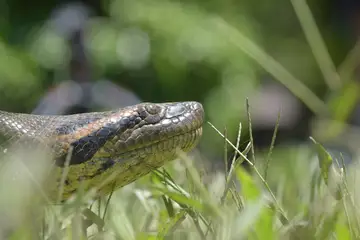
Photo: MauMirror · CC BY-SA 4.0 · Wikimedia Commons · resized Green Anaconda Eunectes murinus
-
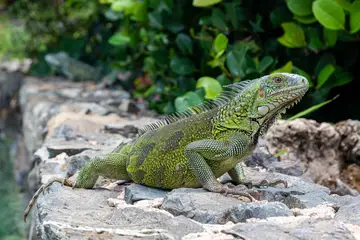
Photo: Aatu Dorochenko · CC BY-SA 4.0 · Wikimedia Commons · resized Green Iguana Iguana iguana
-
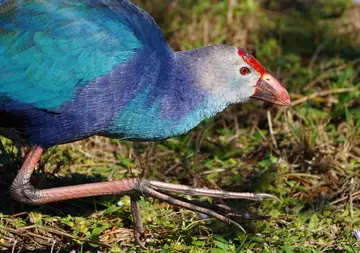
Photo: Eridan Xharahi · CC BY 4.0 · iNaturalist Grey-headed Swamphen Porphyrio poliocephalus
-
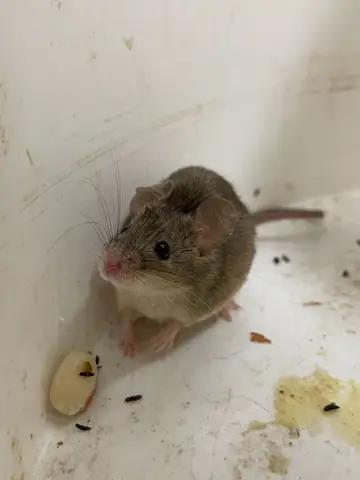
Photo: Emily Langdon-Lassagne · CC0 1.0 · iNaturalist House Mouse Mus musculus
-
Invasive soft corals / Pulse corals
-
Island Apple Snail Pomacea maculata
-
Jaguar Guapote Cichlasoma managuense
-
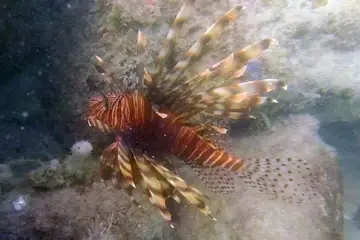
Photo: Kristof Zyskowski · CC BY 4.0 · iNaturalist -
Mayan Cichlid Cichlasoma urophthalmus
-
Midas Cichlid Cichlasoma citrinellum
-
Monk Parakeet Myiopsitta monachus
-
Muscovy Ducks Cairina moschata
-
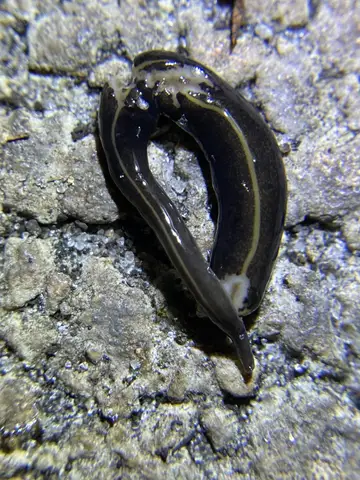
Photo: Sandra H Statner · CC BY 4.0 · iNaturalist New Guinea Flatworm Platydemus manokwari
-
Northern African Python Python sebae
However, they are currently known to be established only in a small localized area on the southeastern side of US 41 (Tamiami Trail) and SR 997 (Krome Avenue) in Miami, Miami-Dade County. Florida Museum of Natural History
-
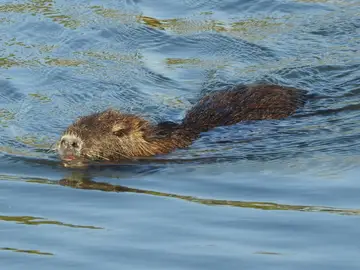
Photo: Sam Kieschnick · CC BY 4.0 · iNaturalist Nutria Myocastor coypus
-
Orinoco Sailfin Catfish Pterygoplichthys multiradiatus
-
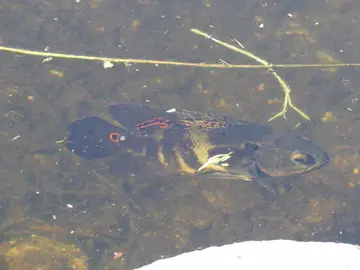
Photo: botanygirl · CC BY 4.0 · iNaturalist Oscar Astronotus ocellatus
-
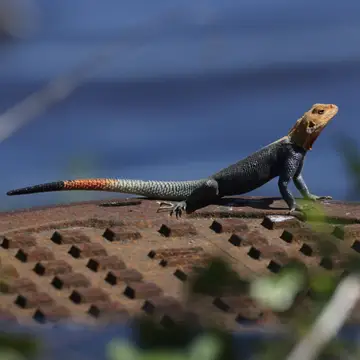
Photo: gpete · CC BY 4.0 · Wikimedia Commons Peter's Rock Agama Agama picticauda
-
Piranha Serrasalmindae
-
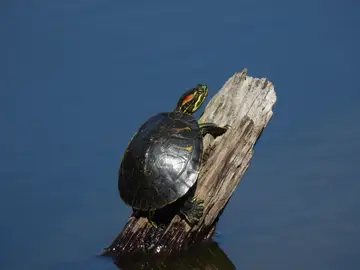
Photo: ncb1221 · CC BY 4.0 · iNaturalist Red-Eared Slider Trachemys scripta elegans
-
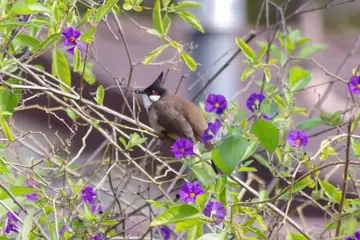
Photo: Dan Killam · CC BY 4.0 · iNaturalist Red-whiskered Bulbul Pycnonotus jocosus
-
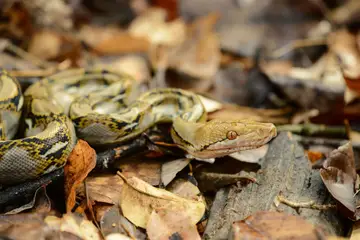
Photo: Rushen · CC BY-SA 2.0 · Wikimedia Commons · resized Reticulated Python Python reticulatus
-
Snakehead Channa sp.
-
Spotted Tilapia Tilapia mariae
-
Suckermouth Catfish Hypostomus sp.
-
Walking Catfish Clarias batrachus
-
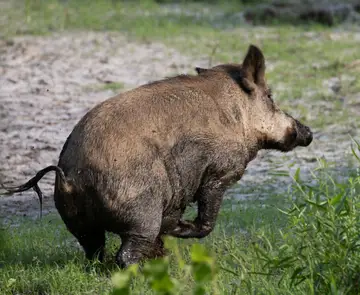
Photo: Cullen Hanks · CC BY 4.0 · iNaturalist Wild Hog Sus scrofa
-
Yellow Anaconda Eunectes notaeus
-
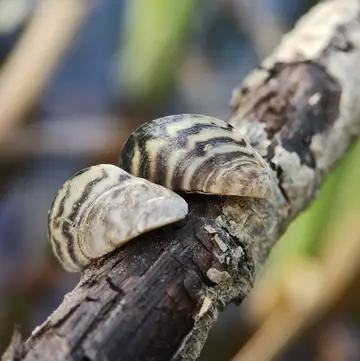
Photo: Harukano · CC0 1.0 · iNaturalist Zebra Mussel Dreissena polymorpha


Established in Florida, per USGS records
The U.S. Geological Survey's Nonindigenous Aquatic Species (NAS) database tracks nonnative aquatic animals. These have at least one record with the status "established" in Florida, which USGS defines as a population showing evidence of reproduction and overwinter survival.
| Animal | Group | First record | Latest record | Counties |
|---|---|---|---|---|
| African Clawed Frog Xenopus laevis | Frogs and Toads | 1964 | 2016 | 3 |
| Australian spotted jellyfish Phyllorhiza punctata | Sharks and Marine Life | 2001 | 2026 | 3 |
| Burmese Python Python bivittatus | Snakes | 1979 | 2026 | 36 |
| Cane Toad Rhinella marina | Frogs and Toads | 1936 | 2025 | 35 |
| Capybara Hydrochoerus hydrochaeris | Mammals | 1990 | 2024 | 21 |
| Common Caiman Caiman crocodilus | Reptiles-Crocodilians | 1959 | 2024 | 6 |
| Coqui Eleutherodactylus coqui | Frogs and Toads | 1973 | 2012 | 1 |
| Cuban Treefrog Osteopilus septentrionalis | Frogs and Toads | 1931 | 2026 | 62 |
| Greenhouse Frog Eleutherodactylus planirostris | Frogs and Toads | 1863 | 2026 | 62 |
| Lionfish Pterois volitans/miles | Sharks and Marine Life | 1985 | 2026 | 30 |
| Nile Monitor Varanus niloticus | Lizards | 1981 | 2025 | 28 |
| Nutria Myocastor coypus | Mammals | 1956 | 2024 | 26 |
| Spot-legged Turtle Rhinoclemmys punctularia | Turtles | 1996 | 2008 | 1 |
| Western clawed frog Xenopus tropicalis | Frogs and Toads | 2016 | 2021 | 1 |
Source: U.S. Geological Survey. [2026]. Nonindigenous Aquatic Species Database. Gainesville, Florida. Accessed [11/3/2026]. "Native Transplant" animals are native elsewhere in the US but not in Florida.
How to report a sighting in Florida
Report nonnative animals to the FWC Invasive Species Hotline 888-Ive-Got1 (888-483-4681); FWC asks the public to call the Hotline for high-priority species: all nonnative snakes, monitor lizards and tegus. Other nonnative species can be reported via the IveGot1 app or IveGot1.org. Alligator or crocodile concerns: 866-FWC-GATOR (866-392-4286). FWC
Do not try to catch or handle the animal. A photo taken from a safe distance, the place and the date help the agency.
Sources
- Florida Snake ID Guide species account: Burmese Python. Florida Museum of Natural History (University of Florida). updated September 23, 2022; checked November 3, 2026.
- Florida Snake ID Guide species account: African Rock Python. Florida Museum of Natural History (University of Florida). updated September 8, 2021; checked November 3, 2026.
- Cane Toad (species profile). Florida Fish and Wildlife Conservation Commission (FWC). archived copy, captured October 13, 2026; checked November 3, 2026. Archived copy.
- Lionfish (saltwater recreational regulations). Florida Fish and Wildlife Conservation Commission (FWC). archived copy, captured October 19, 2026; checked November 3, 2026. Archived copy.
- Species Not Native to Florida. Florida Fish and Wildlife Conservation Commission (FWC). archived copy, captured September 9, 2025; checked November 3, 2026. Archived copy.
Quoted passages (40)
“Arapaima Arapaima gigas”
“Argentine Black and White Tegu Salvator merianae”
“Asian Swamp Eel Monopterus albus”
“Asian Tiger Shrimp (Prawn) Penaeus monodon”
“Black Acara Cichlasoma bimaculatum”
“Black-hooded Parakeet Nandayus nenday”
“Blue Catfish Ictalurus furcatus”
“Blue Tilapia Oreochromis aureus”
“Burmese Python Python molurus”
“Butterfly Peacock Cichla ocellaris”
“Cane Toad Rhinella marina”
“Clown Knifefish Chitala ornata”
“Common Carp Cyprinus carpio”
“Flathead Catfish Pylodictis olivaris”
“Gambian Pouched Rat Cricetomys gambianus”
“Grass Carp Ctenopharyngodon idella”
“Green Anaconda Eunectes murinus”
“Green Iguana Iguana iguana”
“Grey-headed Swamphen Porphyrio poliocephalus”
“House Mouse Mus musculus”
“Invasive soft corals Pulse corals”
“Island Apple Snail Pomacea maculata”
“Jaguar Guapote Cichlasoma managuense”
“Lionfish Pterois volitans”
“Mayan Cichlid Cichlasoma urophthalmus”
“Midas Cichlid Cichlasoma citrinellum”
“Monk Parakeet Myiopsitta monachus”
“Muscovy Ducks Cairina moschata”
“New Guinea Flatworm Platydemus manokwari”
“Northern African Python Python sebae”
“Nutria Myocastor coypus”
“Orinoco Sailfin Catfish Pterygoplichthys multiradiatus”
“Oscar Astronotus ocellatus”
“Peter's Rock Agama Agama picticauda”
“Red-Eared Slider Trachemys scripta elegans”
“Red-whiskered Bulbul Pycnonotus jocosus”
“Reticulated Python Python reticulatus”
“Snakehead Channa sp.”
“Spotted Tilapia Tilapia mariae”
“Suckermouth Catfish Hypostomus sp.”
- Report Nonnative Species. Florida Fish and Wildlife Conservation Commission (FWC). archived copy, captured October 25, 2026; checked November 3, 2026. Archived copy.
Quoted passages (1)
“You can call the FWC’s Invasive Species Hotline at 888-Ive-Got1 (483-4681) to report nonnative animals. We ask the public to call the Hotline to report high priority species, which include all nonnative snakes, monitor lizards, and tegus.”
- U.S. Geological Survey. [2026]. Nonindigenous Aquatic Species Database. Gainesville, Florida. Accessed [11/3/2026].