On this page Which insects can hurt you All 7 insects When they are active If you are bitten or stung How to report What official sources say About this list Sources
This page lists 7 insects : 4 from NC State Extension's NC State Extension publications: Red Imported Fire Ant in North Carolina; Saddleback Caterpillar; Non-Honey Bee Stinging Insects in North Carolina; NCDA&CS yellow-legged hornet release and 3 named in other official sources.
2 are nonnative.
Not every species: no complete official list of North Carolina insects exists, so this page covers the ones state and Extension sources name. How lists are built .
Which insects can hurt you Official sources single out these insects in North Carolina, in their own words:
All 7 insects From A to Z. Do not handle them.
No confirmed photo of Carpenter bees Carpenter bees Not stated
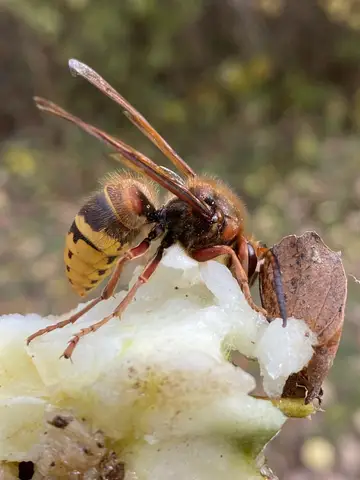
Venom No official source we use states whether this animal is venomous. That does not mean it is harmless: do not handle it. Photo: Dexter Hartsfield · CC BY 4.0 · iNaturalist Vespa crabro
Not stated
Venom No official source we use states whether this animal is venomous. That does not mean it is harmless: do not handle it. Size Workers up to 1 inch (25 mm); queens slightly larger, up to about 1.3 inches. How to recognize it Large size plus reddish-brown color on the thorax and first abdominal segment C-shaped eyes; somewhat hairy body Flies at night and comes to porch lights
J F M A M J J A S O N D
125 records by month. Full European hornet guide
No confirmed photo of Paper wasps Paper wasps Polistes sp.
Not stated
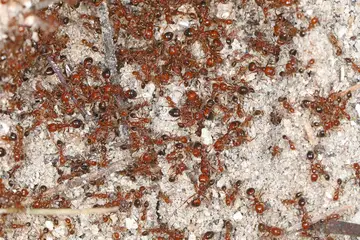
Venom No official source we use states whether this animal is venomous. That does not mean it is harmless: do not handle it. Photo: Judy Gallagher · CC BY 2.0 · Wikimedia Commons Red imported fire ant Solenopsis invicta
Not stated Nonnative
Venom No official source we use states whether this animal is venomous. That does not mean it is harmless: do not handle it. Danger to people “A small number of people are highly allergic to fire ant stings and requires immediate medical attention.” NC State Extension
J F M A M J J A S O N D
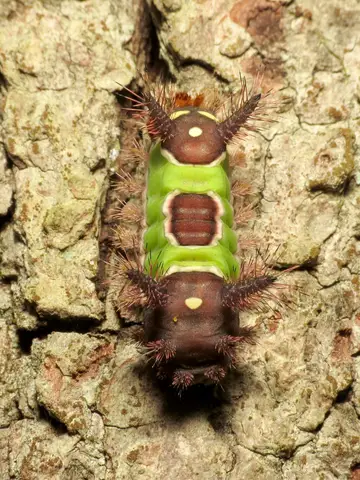
119 records by month. Photo: Katja Schulz · CC BY 4.0 · iNaturalist Acharia stimulea
Not stated
Venom No official source we use states whether this animal is venomous. That does not mean it is harmless: do not handle it. Danger to people “Some people are very sensitive to such stings and may require professional medical treatment.” NC State Extension Size About 3/4 inch (up to 0.8 inch, 20 mm) when full grown; UGA says about 1 inch. How to recognize it Short, slug-like body; legs hidden underneath; glides like a slug Four large fleshy horns, a pair at each end, plus smaller knobs along the sides, all bearing stinging spines; LSU says it looks like it has two heads
J F M A M J J A S O N D
76 records by month. Full Saddleback caterpillar guide
No confirmed photo of Yellow-legged hornet Yellow-legged hornet Vespa velutina
Not stated Invasive
Venom No official source we use states whether this animal is venomous. That does not mean it is harmless: do not handle it. Where in North Carolina A follow-up survey found additional adults near the Union and Mecklenburg county line. N.C. Department of Agriculture and Consumer Services No confirmed photo of Yellowjackets Yellowjackets Not stated
Venom No official source we use states whether this animal is venomous. That does not mean it is harmless: do not handle it. When insects are active in North Carolina Records of insects in North Carolina peak in May to August. They show when people record insects, not how many there are (about month bars ).
Jan Feb Mar Apr May Jun Jul Aug Sep Oct Nov Dec
92,481 records of insects in North Carolina by month (GBIF, CC0 and CC BY records). If you are bitten or stung Call 911 or Poison Help at 1-800-222-1222 right away. Poison Help connects you to your local poison center, any time of day.
How to report NC Wildlife Helpline (NCWRC), Monday-Friday 8 a.m.-5 p.m.: 866-318-2401; email [email protected] . Aquatic invasive species: NCWRC Aquatic Nuisance Species Reporting Tool (https://survey123.arcgis.com/share/710337fbf02140599fd788ebfdd72744). Rattlesnake sightings: [email protected] or HerpMapper. Wildlife violations / alligator emergencies: 800-662-7137. Yellow-legged hornet: www.ncagr.gov/YLH (NCDA&CS). N.C. Wildlife Resources Commission
What official sources say Are there fire ants in North Carolina? Yes. Imported fire ants are in at least 75 of NC's 100 counties (Extension, reviewed 2019). NC State Extension
“In North Carolina, imported fire ants can be found in at least 75 of our 100 counties” Sources North Carolina's State Wildlife Action Plan (SWAP) page . N.C. Wildlife Resources Commission. 2025 SWAP approved by USFWS January 2026; checked November 3, 2026. Non-Honey Bee Stinging Insects in North Carolina . NC State Extension (N.C. Cooperative Extension, NC State University). Publication date: Feb. 5, 2015; checked November 3, 2026. Quoted passages (1) “In North Carolina, they typically emerge in April and May.” Red Imported Fire Ant in North Carolina . NC State Extension (N.C. Cooperative Extension, NC State University). Publication date: June 20, 2017; checked November 3, 2026. Quoted passages (2) “A small number of people are highly allergic to fire ant stings and requires immediate medical attention.” “In North Carolina, imported fire ants can be found in at least 75 of our 100 counties” Saddleback Caterpillar . NC State Extension (N.C. Cooperative Extension, NC State University). Publication date: Jan. 27, 2017; checked November 3, 2026. Quoted passages (1) “Some people are very sensitive to such stings and may require professional medical treatment.” NCDA&CS confirms first finding of yellow-legged hornet in the state, asks beekeepers to watch for predator hornet (press release) . N.C. Department of Agriculture and Consumer Services. July 27, 2026; checked November 3, 2026. Have a Wildlife Problem? N.C. Wildlife Resources Commission. undated page; checked November 3, 2026. Quoted passages (1) “The Wildlife Helpline is open Monday through Friday, 8 a.m. to 5 p.m. Call: 866-318-2401” GBIF.org occurrence records, human observations licensed CC0 1.0 or CC BY 4.0 only, accessed November 3, 2026. The datasets behind these counts are listed on our Sources page.