This page lists 88 mammals: all from N.C. Wildlife Resources Commission's 2025 SWAP Appendix 3 Table 3-6 MAMMALS SGCN and Priority Species List.
7 are nonnative.
Which mammals can hurt you
Official sources single out these mammals in North Carolina, in their own words:
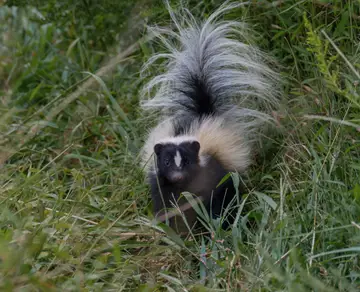
Disease (rabies vector species). “Skunks are a rabies vector species in North Carolina, but encounters with rabid skunks are uncommon.” N.C. Wildlife Resources Commission
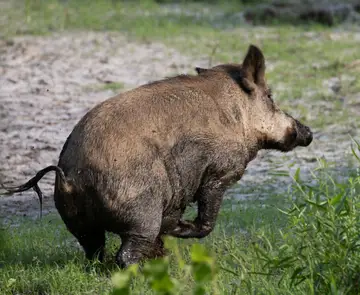
Disease. “Feral swine also carry a variety of diseases that pose substantial risk to livestock, wildlife, humans, and pets.” N.C. Wildlife Resources Commission
Elk
May be aggressive. “Elk are wild animals that are unpredictable and some-times aggressive, especially during the fall breeding season.” N.C. Wildlife Resources Commission
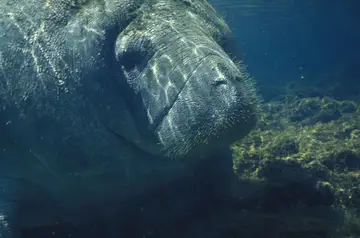
Photo: National Marine Sanctuaries · Public domain · Wikimedia Commons
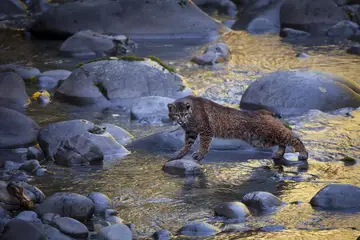
May become aggressive if habituated. “Once a bobcat becomes habituated, it loses its natural wariness of people and may become bold and aggressive.” N.C. Wildlife Resources Commission
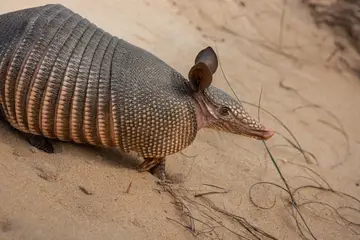
Disease exposure (handling precaution). “To reduce exposure to diseases, the Commission recommends that gloves be worn when in direct contact with any wild animal, including armadillos.” N.C. Wildlife Resources Commission
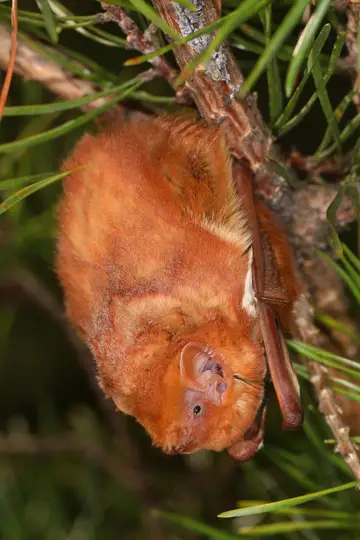
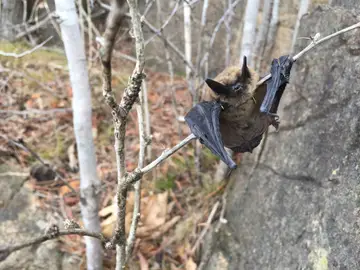
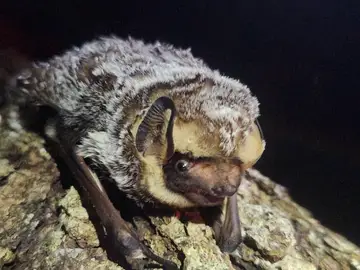
Bats
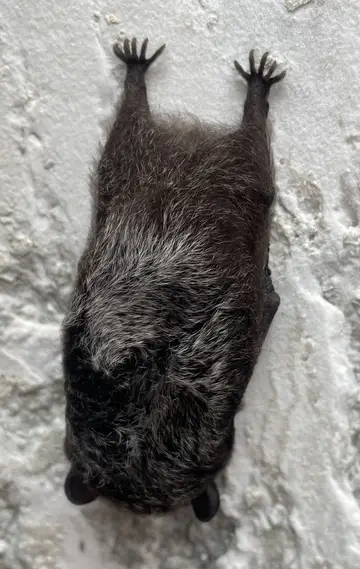
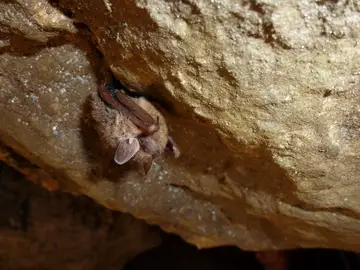
Disease (rabies vector species). “Bats are rabies vector species in North Carolina, though most bats do not carry the virus.” N.C. Wildlife Resources Commission
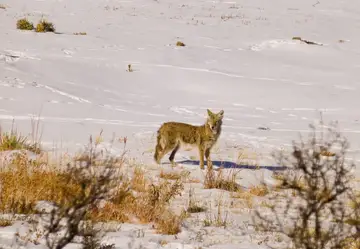
May become bold or aggressive if habituated. “Once a coyote becomes habituated, it loses its natural wariness of people and may become bold or aggressive.” N.C. Wildlife Resources Commission
Smokies: males average about 6 ft long, 3 ft at the shoulder and 250 lb in summer; females usually just over 100 lb. Missouri: 46 to 78 inches long, 86 to 600 lb.
How to recognize it
Straight facial profile, rounded erect ears, very short tail
“Once a bobcat becomes habituated, it loses its natural wariness of people and may become bold and aggressive.” N.C. Wildlife Resources Commission
Size
Total length 18 to 50 inches, tail 3 to 8 inches, weight 8 to 49 pounds (Missouri). About twice the size of a house cat.
How to recognize it
Short 'bobbed' tail, 4 to 8 inches, with a black tip and white underneath (Arizona). New Mexico instead describes black bars on top, white underneath and a white tip.
Pointed ears with tufts at the tips, often with cheek tufts
Backs of the ears are black with a light central spot
“Once a coyote becomes habituated, it loses its natural wariness of people and may become bold or aggressive.” N.C. Wildlife Resources Commission
Size
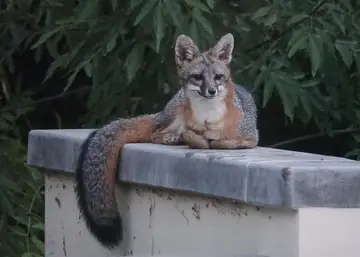
About 3.5 to 4 feet long including the tail and roughly 2 feet tall at the shoulder; weight varies by region: Arizona 20 to 30 lb, Florida average about 28 lb, Georgia 25 to 45 lb
How to recognize it
Large pointed ears, long narrow nose, bushy black-tipped tail
Like a slender medium-sized dog, much smaller than a wolf
“Elk are wild animals that are unpredictable and some-times aggressive, especially during the fall breeding season.” N.C. Wildlife Resources Commission
“Feral swine also carry a variety of diseases that pose substantial risk to livestock, wildlife, humans, and pets.” N.C. Wildlife Resources Commission
Size
Adults average 75 to 250 pounds, but some get twice as large. They can stand up to 3 feet tall and reach 5 feet long, and males (boars) are larger than females (sows). FWC says Florida wild hogs can weigh more than 150 pounds and be 5 to 6 feet long. Ohio State Extension says Ohio adults typically weigh 125 to 200 pounds.
How to recognize it
Look much like domestic hogs but are generally thinner, with thicker hides of coarse, bristly hair and longer tusks
Four continuously growing tusks, 2 on top and 2 below
“To reduce exposure to diseases, the Commission recommends that gloves be worn when in direct contact with any wild animal, including armadillos.” N.C. Wildlife Resources Commission
Size
Cat-sized: 15-17 in long not counting the tail, 8-17 lb (FWC); 24-32 in including a 9.5-14.5 in tail (UGA).
How to recognize it
Bony skin plates that form a shell, which make it easy to identify
Long scaly tail, deer-like ears, long pig-like snout
Tail encased in 12 bony rings; no canine or incisor teeth
Records of mammals in North Carolina peak in January and March to July. They show when people record mammals, not how many there are (about month bars).
JanFebMarAprMayJunJulAugSepOctNovDec
6,357 records of mammals in North Carolina by month (GBIF, CC0 and CC BY records).
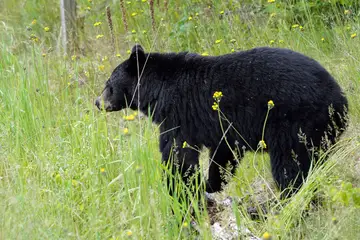
Black bears enter dens between November and January; some coastal-plain males stay active all winter. N.C. Wildlife Resources Commission
If you are bitten or stung
Call 911 or Poison Help at 1-800-222-1222 right away. Poison Help connects you to your local poison center, any time of day.
“The Nine-banded Armadillo is a unique mammal, with its armor-like skin and long, scaly tail. … It has deer-like ears and and has been nicknamed ‘Armored pig’ for its long, pig-like snout”
“To reduce exposure to diseases, the Commission recommends that gloves be worn when in direct contact with any wild animal, including armadillos.”
Bobcat (NCWRC species page). N.C. Wildlife Resources Commission. undated page; checked November 3, 2026.Quoted passages (1)
“Once a bobcat becomes habituated, it loses its natural wariness of people and may become bold and aggressive.”
“Skunks are a rabies vector species in North Carolina, but encounters with rabid skunks are uncommon.”
Feral Swine (NCWRC species page). N.C. Wildlife Resources Commission. undated page; checked November 3, 2026.Quoted passages (1)
“Feral swine also carry a variety of diseases that pose substantial risk to livestock, wildlife, humans, and pets.”
Bat (NCWRC species page). N.C. Wildlife Resources Commission. undated page; checked November 3, 2026.Quoted passages (1)
“Bats are rabies vector species in North Carolina, though most bats do not carry the virus.”
Black Bear (NCWRC species page). N.C. Wildlife Resources Commission. undated page; checked November 3, 2026.Quoted passages (1)
“In North Carolina, den entry can occur as early as November or as late as January, though male bears in the coastal plain region may be active throughout the winter.”
Have a Wildlife Problem? N.C. Wildlife Resources Commission. undated page; checked November 3, 2026.Quoted passages (1)
“The Wildlife Helpline is open Monday through Friday, 8 a.m. to 5 p.m. Call: 866-318-2401”