Invasive and nonnative animals in Kentucky
Last checked November 3, 2026 against official sources.
On this page
8 nonnative animals are named on 5 official lists for Kentucky: “Mammals of Kentucky” (KDFWR), “Reptiles of Kentucky” (KDFWR), “Imported Fire Ants in Kentucky (Entfact 469)” (University of Kentucky Department of Entomology), “Ticks in Kentucky” (KDFWR) and “NAS Collection Info: Osteopilus septentrionalis in Kentucky” (US Geological Survey, Nonindigenous Aquatic Species (NAS) database).
To report a sighting, see how to report.
Being on a list of nonnative species does not always mean an animal is harmful or established: each list below is described in its source's terms. A sighting of a listed animal is still worth reporting to the agency.
Mammals of Kentucky
Kentucky Department of Fish and Wildlife Resources (KDFWR), archived copy, captured October 11, 2026. 3 animals.
-
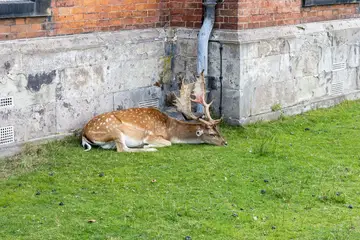
Photo: Mike Peel (www.mikepeel.net) · CC BY-SA 4.0 · Wikimedia Commons · resized Fallow Deer
-
Feral Pig
-
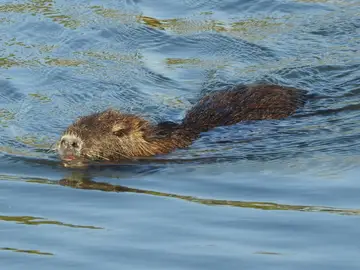
Photo: Sam Kieschnick · CC BY 4.0 · iNaturalist Nutria

Reptiles of Kentucky
Kentucky Department of Fish and Wildlife Resources (KDFWR), archived copy, captured October 14, 2026. 2 animals.
-
Common Wall-lizard
-
Mediterranean House Gecko
Imported Fire Ants in Kentucky (Entfact 469)
University of Kentucky Department of Entomology (Cooperative Extension), Revised: 3/26. 1 animal.
-
Imported fire ants
Land Between the Lakes (isolated since 2000, managed); McCreary, Whitley and Knox counties (2022) University of Kentucky Department of Entomology
Ticks in Kentucky
Kentucky Department of Fish and Wildlife Resources (KDFWR), archived copy, captured March 8, 2025. 1 animal.
-
Asian Longhorned Tick Haemaphysalis longicornis
NAS Collection Info: Osteopilus septentrionalis in Kentucky
U.S. Geological Survey, Nonindigenous Aquatic Species (NAS) database, live query 2026-11-03. 1 animal.
-
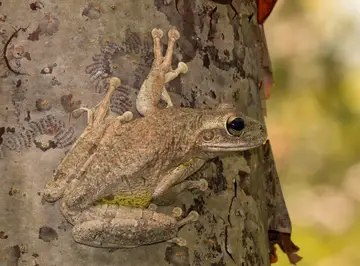
Photo: Charles J. Sharp · CC BY-SA 4.0 · Wikimedia Commons · resized Cuban Treefrog Osteopilus septentrionalis
Kenton County, single 2023 record (USGS NAS; status column blank); not on KDFWR list US Geological Survey, Nonindigenous Aquatic Species (NAS) database

How to report a sighting in Kentucky
Report people feeding bears or aggressive bears to Kentucky Fish and Wildlife at 1-800-25ALERT (1-800-252-5378); report sick or injured bats via the KDFWR online Report a Bat form; report suspected fire ant mounds or stings to UK Entomology at [email protected]. KDFWR
Do not try to catch or handle the animal. A photo taken from a safe distance, the place and the date help the agency.
Sources
- Imported Fire Ants in Kentucky (Entfact 469). University of Kentucky Department of Entomology (Cooperative Extension). Revised: 3/26; checked November 3, 2026.
Quoted passages (1)
“Imported fire ants (IFA) are spreading into Kentucky.”
- NAS Collection Info: Osteopilus septentrionalis in Kentucky. U.S. Geological Survey, Nonindigenous Aquatic Species (NAS) database. live query 2026-11-03; checked November 3, 2026.
- Mammals of Kentucky. Kentucky Department of Fish and Wildlife Resources (KDFWR). archived copy, captured October 11, 2026; checked November 3, 2026.
Quoted passages (1)
“…our state has also seen three introduced species: the nutria, feral pig, and fallow deer.”
- Reptiles of Kentucky. Kentucky Department of Fish and Wildlife Resources (KDFWR). archived copy, captured October 14, 2026; checked November 3, 2026.
Quoted passages (1)
“Most of our reptiles are native, but at least 2 species (Common Wall-lizard and Mediterranean House Gecko) are exotics that have been introduced into Kentucky from other parts of the world.”
- Ticks in Kentucky. Kentucky Department of Fish and Wildlife Resources (KDFWR). archived copy, captured March 8, 2025; checked November 3, 2026.
Quoted passages (1)
“This species of tick is not native to North America, but was detected in the U.S. in 2017. It has become an invasive pest in numerous states”
- Black Bears. Kentucky Department of Fish and Wildlife Resources (KDFWR). archived copy, captured September 14, 2026; checked November 3, 2026.
Quoted passages (1)
“Immediately report any instances of people feeding bears to Kentucky Fish and Wildlife by calling 1-800-25ALERT (1-800-252-5378). [UK Entfact 469: "You can report a suspicious ant mound or a stinging event to the University of Kentucky Entomology Department through email, [email protected]"]”