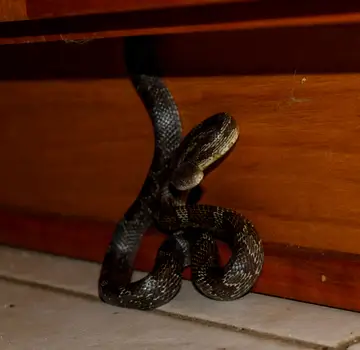
Kentucky has 4 venomous snakes named by official sources: Eastern Copperhead, Timber Rattlesnake, Northern Cottonmouth and Western Pigmy Rattlesnake, as labelled by KDFWR. This guide covers 9 animal groups from Kentucky Department of Fish and Wildlife Resources lists and other official sources, with photos, venomous status and when each group is active.
Identification help has limits: a photo cannot confirm that an animal is safe. Watch from a distance and never handle a wild animal.
These are the animals official sources describe as venomous or as a risk to people in Kentucky, across 6 groups. The reason is given in the source's own terms.
Venomous: “Venomous - Species with the "" icon indicate that this species is venomous; please use caution when encountering this species.) … of the 32 types of snakes found in Kentucky, only four are venomous …”
Venomous: “Venomous - Species with the "" icon indicate that this species is venomous; please use caution when encountering this species.) … of the 32 types of snakes found in Kentucky, only four are venomous …”
Venomous: “Venomous - Species with the "" icon indicate that this species is venomous; please use caution when encountering this species.) … of the 32 types of snakes found in Kentucky, only four are venomous …”
Venomous: “Venomous - Species with the "" icon indicate that this species is venomous; please use caution when encountering this species.) … of the 32 types of snakes found in Kentucky, only four are venomous …”
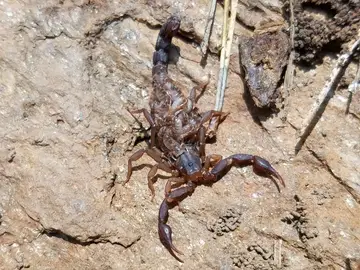
Venomous: “A venom, produced by a pair of glands located near the end of the tail, is injected by the stinger. The sensation is a sharp pain that usually lasts for 15 to 20 minutes.”
Venomous: “The sting is painful, often described as causing a burning sensation at the sting site. … Some people may be more sensitive to the venom than others. This can lead to anaphylaxis.”
Venomous: “Allergic reactions to these venomous insects account for about 225,000 emergency room visits and as many as 100 deaths per year in the U.S.”
Venomous: “Allergic reactions to these venomous insects account for about 225,000 emergency room visits and as many as 100 deaths per year in the U.S.”
Venomous: “Allergic reactions to these venomous insects account for about 225,000 emergency room visits and as many as 100 deaths per year in the U.S.”
Venomous: “We have many species of silkworm caterpillars in Kentucky, but only two members of this group possess poisonous spines. … Stinging caterpillars possess hollow quill-like hairs, connected to poison …”
Venomous: “We have many species of silkworm caterpillars in Kentucky, but only two members of this group possess poisonous spines. … Stinging caterpillars possess hollow quill-like hairs, connected to poison …”
Venomous: “Unlike other stinging caterpillars the venomous spines are hidden underneath longer silky hairs. … Puss caterpillar stings are often more severe than those of other caterpillars.”
Venomous: “Unlike other stinging caterpillars the venomous spines are hidden underneath longer silky hairs. … With younger black-wave flannel moth caterpillars, the long wispy hairs hide the venomous short …”
Venomous: “Unlike other stinging caterpillars the venomous spines are hidden underneath longer silky hairs. … The dark long silky hairs do not sting, but shorter needle like hairs at the base of the tuffs are …”
Venomous: “Stinging caterpillars possess hollow quill-like hairs, connected to poison sacs, which are used as defensive weapons. When these hairs are touched they pierce the skin releasing poison.”
Venomous: “Stinging caterpillars possess hollow quill-like hairs, connected to poison sacs, which are used as defensive weapons. When these hairs are touched they pierce the skin releasing poison.”
Stings: “Fire ants are a significant health concern and can be agricultural pests. Worker ants will vigorously defend their nest, often resulting in dozens of stings on people and animals …”
Very painful sting if handled (UK Extension): “Velvet ants are not aggressive and will try to escape when encountered, but females have a very painful sting if handled.”
Cantharidin causes blisters: “In sufficient quantity, the cantharidin in the bodies of living or dead blister beetles can be toxic, and in some cases lethal, to horses, sheep, and cattle.”
Stinging (urticating) hairs with venom: “This factsheet describes some of the more commonly encountered stinging caterpillars in Kentucky which cause serious reactions. … Reactions can range from a mild itching to the more severe pain …”
Rabies vector in Kentucky (KDFWR): “In Kentucky, raccoons, skunks and bats are the main vectors of the disease. … You should never directly handle the bat.”
Darker cells are the months with more open-licence observation records of each group in Kentucky (GBIF). They show when people see and record these animals, not how many there are. The current month, this month, is highlighted.
Report: Report people feeding bears or aggressive bears to Kentucky Fish and Wildlife at 1-800-25ALERT (1-800-252-5378); report sick or injured bats via the KDFWR online Report a Bat form; report suspected fire ant mounds or stings to UK Entomology at [email protected]. KDFWR
Official safety advice
If you find a snake and are unsure whether it is venomous, leave it alone; do not try to catch or kill it. KDFWR
Do not handle a freshly killed venomous snake; it can still bite by reflex. KDFWR
Snakebite: call 911 or Poison Help at 1-800-222-1222 and get to the nearest hospital right away. KDFWR
Spider bite: call Poison Help at 1-800-222-1222 (or 911). Black widow and brown recluse bites are very serious and need immediate medical attention. University of Kentucky Department of Entomology
Stings: wasp, hornet and yellowjacket stings can be life-threatening for allergic people; seek medical attention immediately for hives or trouble breathing (call 911). University of Kentucky Department of Entomology
Black bears: if approached, stand your ground, raise your arms and yell; never run; back away slowly if a bear huffs or pops its jaws. Feeding bears is illegal in Kentucky. KDFWR
Questions people ask about Kentucky wildlife
How many venomous snakes are in Kentucky?
Eastern Copperhead, Timber Rattlesnake, Northern Cottonmouth and Western Pigmy Rattlesnake. KDFWR: of the 32 types of snakes found in Kentucky, only four are venomous. KDFWR
Are there cottonmouths (water moccasins) in Kentucky?
Yes. KDFWR lists the Northern Cottonmouth as venomous; its booklet says the cottonmouth has a limited distribution in Kentucky. KDFWR · More
Are there rattlesnakes in Kentucky?
Yes. Two: Timber Rattlesnake and Western Pigmy Rattlesnake (KDFWR). KDFWR also says the state has never stocked rattlesnakes. KDFWR
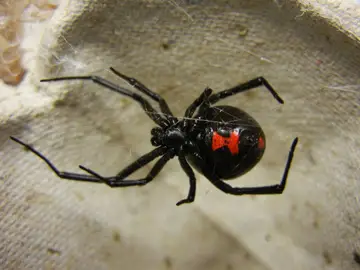
Yes. Black widow and brown recluse (University of Kentucky Extension). Black widows are common all over Kentucky; brown recluses are more common in western Kentucky. University of Kentucky Department of Entomology
Yes. UK Extension describes several stinging caterpillars in Kentucky (buck moth, io moth, puss caterpillar and other flannel moths, saddleback and other slug caterpillars); only the caterpillar stage stings. University of Kentucky Department of Entomology
Sources
Snakes (Snakes of Kentucky). Kentucky Department of Fish and Wildlife Resources (KDFWR). archived copy, captured August 27, 2025; checked November 3, 2026.Quoted passages (10)
“Venomous - Species with the "" icon indicate that this species is venomous; please use caution when encountering this species.) … of the 32 types of snakes found in Kentucky, only four are venomous. … [species card:] EASTERN COPPERHEAD (Agkistrodon contortrix)”
“Venomous - Species with the "" icon indicate that this species is venomous; please use caution when encountering this species.) … of the 32 types of snakes found in Kentucky, only four are venomous. … [species card:] TIMBER RATTLESNAKE (Crotalus horridus)”
“Venomous - Species with the "" icon indicate that this species is venomous; please use caution when encountering this species.) … of the 32 types of snakes found in Kentucky, only four are venomous. … [species card:] NORTHERN COTTONMOUTH (Agkistrodon piscivorus leucostoma)”
“Venomous - Species with the "" icon indicate that this species is venomous; please use caution when encountering this species.) … of the 32 types of snakes found in Kentucky, only four are venomous. … [species card:] WESTERN PIGMY RATTLESNAKE (Sistrurus miliarius steckeri)”
“…of the 32 types of snakes found in Kentucky, only four are venomous”
“However, of the 32 types of snakes found in Kentucky, only four are venomous.”
“However, the state has never stocked rattlesnakes in Kentucky.”
“When in doubt, leave it alone. Most snake bites are accidental and often come from trying to handle or kill a snake. If you are uncertain about the snake's identity, leave it alone. Don't try to catch or kill it.”
“Do not poke or prod at a freshly killed snake. Snakes may still exhibit active reflexes, such as slowly writhing their bodies, and may potentially bite. Do not handle a freshly killed venomous snake.”
“Seek immediate attention from the nearest hospital or medical facility. [Poison Help,”
Reptiles of Kentucky. Kentucky Department of Fish and Wildlife Resources (KDFWR). archived copy, captured October 14, 2026; checked November 3, 2026.Quoted passages (2)
“At present, 56 species of reptiles are known to occur in Kentucky (10 lizards, 32 snakes, and 14 turtles).”
“Most of our reptiles are native, but at least 2 species (Common Wall-lizard and Mediterranean House Gecko) are exotics that have been introduced into Kentucky from other parts of the world.”
Overview of Frogs and Toad Species in Kentucky. Kentucky Department of Fish and Wildlife Resources (KDFWR). archived copy, captured November 18, 2025; checked November 3, 2026.Quoted passages (1)
“Our 23 species of frogs and their relatives are classified into five different major groups, or families, each differing in several ways from the others.”
Birds in Kentucky. Kentucky Department of Fish and Wildlife Resources (KDFWR). archived copy, captured October 14, 2026; checked November 3, 2026.Quoted passages (1)
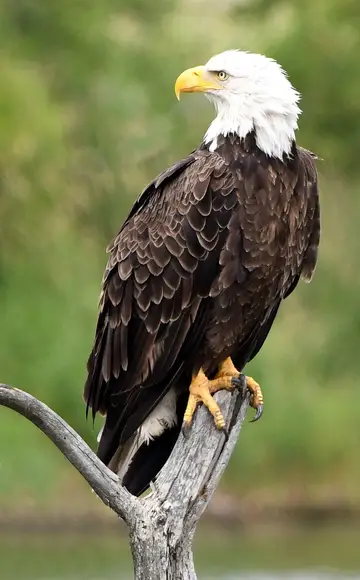
“Over 350 species of birds have been documented in Kentucky.”
Mammals of Kentucky. Kentucky Department of Fish and Wildlife Resources (KDFWR). archived copy, captured October 11, 2026; checked November 3, 2026.Quoted passages (4)
“Roughly 80 species of mammals are associated with Kentucky, depending on whether historical records are considered.”
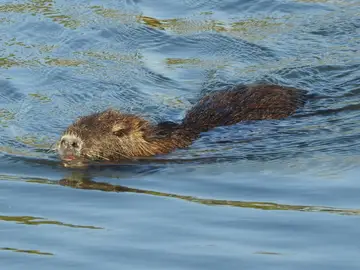
“…our state has also seen three introduced species: the nutria, feral pig, and fallow deer.”
“…species such as the gray wolf, red wolf, fisher, mountain lion, and American bison no longer occur in Kentucky”
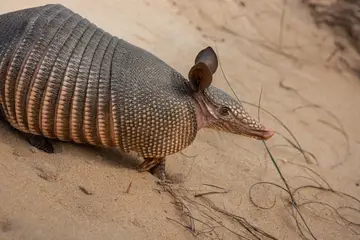
“…recent years have seen the arrival of new species such as the nine-banded armadillo”
“Only a few species, such as the black widow and the brown recluse, have venom that is very toxic or harmful to humans.”
Scorpions in Kentucky (Entfact 633). University of Kentucky Department of Entomology (Cooperative Extension). Revised: 3/26; checked November 3, 2026.Quoted passages (3)
“A venom, produced by a pair of glands located near the end of the tail, is injected by the stinger. The sensation is a sharp pain that usually lasts for 15 to 20 minutes.”
“The southern devil scorpion, Vejovis carolinianus, occurs in several southeastern states, including Kentucky.”
“Scorpions are most likely to be seen in or around houses from April through June but can be active until fall.”
“The sting is painful, often described as causing a burning sensation at the sting site. … Some people may be more sensitive to the venom than others. This can lead to anaphylaxis.”
“Allergic reactions to these venomous insects account for about 225,000 emergency room visits and as many as 100 deaths per year in the U.S.”
“Wasp and hornet stings are a serious threat to public health.”
Foraging Yellowjackets (Entfact 634). University of Kentucky Department of Entomology (Cooperative Extension). Revised: 3/26; checked November 3, 2026.Quoted passages (3)
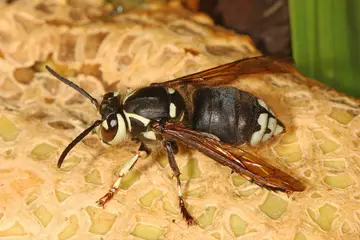
“Wasp, hornet and yellowjacket stings can be life-threatening to persons who are allergic to the venom.”
“People who develop hives, difficulty breathing or swallowing, wheezing, or similar symptoms of allergic reaction should seek medical attention immediately.”
“During late summer and fall, yellowjacket colonies are nearing maturity and huge numbers of workers are out foraging for food for the developing queens.”
ENTFACT-003: Stinging Caterpillars. University of Kentucky Department of Entomology (Cooperative Extension). Revised: 3/26; checked November 3, 2026.Quoted passages (9)
“We have many species of silkworm caterpillars in Kentucky, but only two members of this group possess poisonous spines. … Stinging caterpillars possess hollow quill-like hairs, connected to poison sacs, which are used as defensive weapons. When these hairs are touched they pierce the skin releasing poison.”
“Unlike other stinging caterpillars the venomous spines are hidden underneath longer silky hairs. … Puss caterpillar stings are often more severe than those of other caterpillars.”
“Unlike other stinging caterpillars the venomous spines are hidden underneath longer silky hairs. … With younger black-wave flannel moth caterpillars, the long wispy hairs hide the venomous short, sharp spines.”
“Unlike other stinging caterpillars the venomous spines are hidden underneath longer silky hairs. … The dark long silky hairs do not sting, but shorter needle like hairs at the base of the tuffs are stinging.”
“It is less venomous than the saddleback caterpillar. … Stings by this insect can cause severe irritation.”
“Stinging caterpillars possess hollow quill-like hairs, connected to poison sacs, which are used as defensive weapons. When these hairs are touched they pierce the skin releasing poison.”
“It is less venomous than the saddleback caterpillar.”
“This factsheet describes some of the more commonly encountered stinging caterpillars in Kentucky which cause serious reactions. … Reactions can range from a mild itching to the more severe pain, swelling, blistering, dermatitis, and even intestinal disturbances.”
“Recognizing the few stinging caterpillar species in Kentucky may prevent irritating encounters.”
Imported Fire Ants in Kentucky (Entfact 469). University of Kentucky Department of Entomology (Cooperative Extension). Revised: 3/26; checked November 3, 2026.Quoted passages (3)
“Fire ants are a significant health concern and can be agricultural pests. Worker ants will vigorously defend their nest, often resulting in dozens of stings on people and animals. The sting site will burn and become inflamed. Anaphylaxis is possible in sensitive people.”
“Imported fire ants (IFA) are spreading into Kentucky.”
“Imported fire ants (IFA) are spreading into Kentucky. Since 2000, the Land Between the Lakes area has had isolated incidences of fire ants. In 2022, IFA were found in southern Kentucky, specifically McCreary, Whitley, and Knox counties.”
Velvet Ants (Entfact 442). University of Kentucky Department of Entomology (Cooperative Extension). Revised: 1/26; checked November 3, 2026.Quoted passages (1)
“Velvet ants are not aggressive and will try to escape when encountered, but females have a very painful sting if handled.”
Blister Beetles (Entfact 102). University of Kentucky Department of Entomology (Cooperative Extension). Revised: 3/26; checked November 3, 2026.Quoted passages (1)
“In sufficient quantity, the cantharidin in the bodies of living or dead blister beetles can be toxic, and in some cases lethal, to horses, sheep, and cattle.”
Ticks in Kentucky. Kentucky Department of Fish and Wildlife Resources (KDFWR). archived copy, captured March 8, 2025; checked November 3, 2026.Quoted passages (4)
“This species of tick is not native to North America, but was detected in the U.S. in 2017. It has become an invasive pest in numerous states”
“Also known as a deer tick, the greatest risk of being bitten by this tick exists in the spring, summer, and fall. However, adults may be searching for a host whenever winter temperatures exceed freezing.”
Black Bears. Kentucky Department of Fish and Wildlife Resources (KDFWR). archived copy, captured September 14, 2026; checked November 3, 2026.Quoted passages (4)
“It is important to remember that bears are powerful animals and their behavior can be unpredictable.”
“Immediately report any instances of people feeding bears to Kentucky Fish and Wildlife by calling 1-800-25ALERT (1-800-252-5378). [UK Entfact 469: "You can report a suspicious ant mound or a stinging event to the University of Kentucky Entomology Department through email, [email protected]"]”
“In Kentucky, black bears are found primarily in the eastern part of the state.”
“If approached by a bear, stand your ground, raise your arms to appear larger, and yell until it leaves the area. … Never run from a bear.”
Bats of Kentucky. Kentucky Department of Fish and Wildlife Resources (KDFWR). archived copy, captured September 28, 2026; checked November 3, 2026.Quoted passages (3)
“In Kentucky, raccoons, skunks and bats are the main vectors of the disease.”
“In Kentucky, raccoons, skunks and bats are the main vectors of the disease. … You should never directly handle the bat.”
“Bats may be observed as early as April when they come out of hibernation, though they usually are not noticed until May when the maternity colonies begin forming.”
Coyotes. Kentucky Department of Fish and Wildlife Resources (KDFWR). archived copy, captured July 29, 2026; checked November 3, 2026.Quoted passages (3)
“People should stay away from den sites, as coyotes may feel the need to protect their pups.”
“In Kentucky, they are now commonly seen in all 120 counties but usually stay hidden from people.”
“Coyote sightings increase during the winter breeding season and pup rearing in spring and early summer.”
Kentucky Snakes (booklet). Kentucky Department of Fish and Wildlife Resources (KDFWR). archived copy, captured January 21, 2015; checked November 3, 2026.Quoted passages (2)
“The cottonmouth has a limited distribution in Kentucky.”
“Copperheads mate in the spring and the young are born alive in late summer or early fall.”
Elk History in Kentucky. Kentucky Department of Fish and Wildlife Resources (KDFWR). archived copy, captured April 29, 2025; checked November 3, 2026.Quoted passages (1)
“Elk translocation to Kentucky occurred from 1997 through 2002, during which time 1541 elk were released into the Kentucky elk restoration zone.”
Animals, Bites, and Stings (Poison Help FAQ). U.S. Health Resources & Services Administration (HRSA), Poison Help. archived copy, captured July 13, 2026; checked November 3, 2026.Quoted passages (1)
“If you or someone you know are bitten by a snake, right away call Poison Help (1-800-222-1222), which connects you to your local poison center.”
Urban Spider Chart (Entfact supplement). University of Kentucky Department of Entomology (Cooperative Extension). Issued: 1/10; checked November 3, 2026.Quoted passages (1)
“Bites are very serious and require immediate medical attention, but the spider is timid and unlikely to bite unless handled. [HRSA: "If you or someone you know has been bitten by a spider, call Poison Help (1-800-222-1222)"]”
European Hornet in Kentucky (Entfact 600). University of Kentucky Department of Entomology (Cooperative Extension). Revised: 3/26; checked November 3, 2026.Quoted passages (1)
“Queen hornets first appear around late April or early May in Kentucky”