Invasive and nonnative animals in Delaware
Last checked November 3, 2026 against official sources.
On this page
16 nonnative animals are named on 3 official lists for Delaware: “Invasive and Problematic Species and Diseases (DEWAP)” (DNREC), “Gone Herpin' - DNREC Catalogs Delaware's Reptiles and Amphibians (Outdoor Delaware)” (DNREC) and “Ticks of Delaware” (DNREC).
The USGS Nonindigenous Aquatic Species database records an established population in Delaware for 1 nonnative animal in the groups this guide covers.
To report a sighting, see how to report.
Being on a list of nonnative species does not always mean an animal is harmful or established: each list below is described in its source's terms. A sighting of a listed animal is still worth reporting to the agency.
Invasive and Problematic Species and Diseases (DEWAP)
Delaware Department of Natural Resources and Environmental Control (DNREC), datePublished 2025-09-10, dateModified 2025-12-16. 13 animals.
-
Asian Longhorned Beetle Anoplophora glabripennis
Not stated DNREC
-
Asian Shore Crab Hemigraspus sanguineus
Rocky nearshore habitats (source spells genus 'Hemigraspus') DNREC
-
Asian Tiger Mosquito Aedes albopictus
Statewide (yards, small standing water) DNREC
-
Blue Catfish Ictalurus furcatus
Delaware River DNREC
-
Chinese Mitten Crab Eriocheir sinensis
Estuarine and marine waters DNREC
-
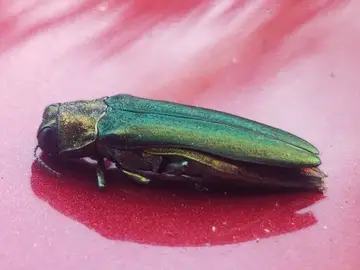
Photo: Brandon McCracken · CC BY 4.0 · iNaturalist Emerald Ash Borer
Ash forests DNREC
-
European Green Crab Carcinus maenas
Estuarine and marine waters DNREC
-
Flathead Catfish Pylodictis olivaris
Delaware River DNREC
-
Free-ranging domestic cats
Statewide DNREC
-
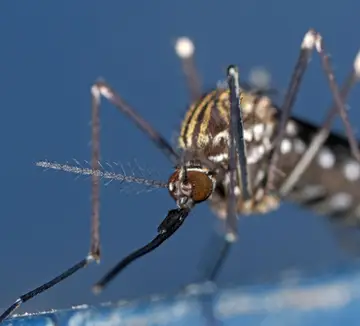
Photo: Chris Baer · CC BY 4.0 · iNaturalist Japanese Rockpool Mosquito Aedes japonicus
Not stated DNREC
-
Northern Snakehead Channa argus
Rivers and ponds; freshwater impoundments in New Castle County DNREC
-
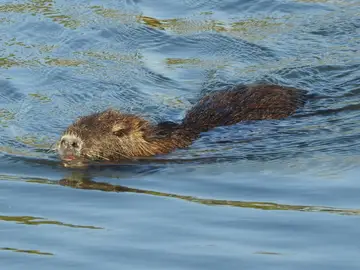
Photo: Sam Kieschnick · CC BY 4.0 · iNaturalist -
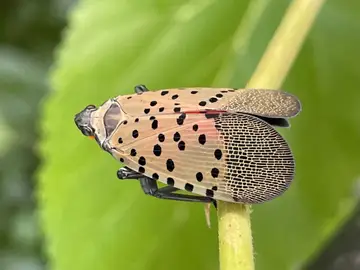
Photo: Isaac Caswell · CC0 1.0 · iNaturalist Spotted Lanternfly Lycorma delicatula
Not stated DNREC
Gone Herpin' - DNREC Catalogs Delaware's Reptiles and Amphibians (Outdoor Delaware)
Delaware Department of Natural Resources and Environmental Control (DNREC), published 2020-09-30, modified 2025-07-08. 2 animals.
-
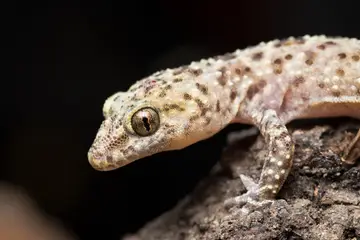
Photo: Konstantinos Kalaentzis · CC BY-SA 4.0 · Wikimedia Commons · resized Mediterranean Gecko
Tiny local populations DNREC
-
Red-eared Slider
63 of 260 atlas blocks DNREC

Ticks of Delaware
Delaware Department of Natural Resources and Environmental Control (DNREC), published 2021-06-16, modified 2026-05-29. 1 animal.
-
Longhorned Tick Haemaphysalis longicornis
New Castle and Kent Counties DNREC
Established in Delaware, per USGS records
The U.S. Geological Survey's Nonindigenous Aquatic Species (NAS) database tracks nonnative aquatic animals. These have at least one record with the status "established" in Delaware, which USGS defines as a population showing evidence of reproduction and overwinter survival.
| Animal | Group | First record | Latest record | Counties |
|---|---|---|---|---|
| Nutria Myocastor coypus | Mammals | 1993 | 2005 | 2 |
Source: U.S. Geological Survey. [2026]. Nonindigenous Aquatic Species Database. Gainesville, Florida. Accessed [11/3/2026]. "Native Transplant" animals are native elsewhere in the US but not in Delaware.
How to report a sighting in Delaware
Invasive aquatic species: report to the DNREC Division of Fish and Wildlife by phone, email or the online Invasive Fish Tracker. Invasive terrestrial species: Wildlife Section, 302-739-9912. Sick or dead wildlife (five or more at one place): 302-735-3600 ext. 2. Wildlife damage biologist: 302-735-8683. DNREC
Do not try to catch or handle the animal. A photo taken from a safe distance, the place and the date help the agency.
Sources
- Invasive and Problematic Species and Diseases (DEWAP). Delaware Department of Natural Resources and Environmental Control (DNREC). datePublished 2025-09-10, dateModified 2025-12-16; checked November 3, 2026.
Quoted passages (11)
“The Asian Longhorned Beetle (Anoplophora glabripennis) was also discovered in Delaware in 2015.”
“The Asian Shore Crab (Hemigraspus sanguineus), which was first discovered in North America near the mouth of Delaware Bay in 1988”
“Other invasive insect threats in Delaware include the Asian Tiger Mosquito (Aedes albopictus)”
“These catfish are voracious predators now found in the Delaware River”
“Several species of non-native, invasive crabs are present in Delaware’s estuarine and marine systems, including the European Green Crab (Carcinus maenas), and the Chinese Mitten Crab (Eriocheir sinensis).”
“Aerial surveys in 2022 mapped over 3,300 acres of damage due to Emerald Ash Borer”
“Invasive Species – Free-ranging Cats”
“Japanese Rockpool Mosquito (Aedes japonicus), with the latter being a known vector of West Nile Virus”
“In Delaware, Northern Snakeheads have been documented in several rivers and ponds and are now considered common in the state.”
“Nutria (Myocastor coypus), a non-native, marsh-damaging, beaver-like rodent had been documented in Delaware, but is now considered eradicated in the state.”
“Spotted Lanternfly (Lycorma delicatula) have highly detrimental effects on native biodiversity”
- Gone Herpin' - DNREC Catalogs Delaware's Reptiles and Amphibians (Outdoor Delaware). Delaware Department of Natural Resources and Environmental Control (DNREC). published 2020-09-30, modified 2025-07-08; checked November 3, 2026.
Quoted passages (2)
“…tiny populations of Mediterranean geckos have been established here since the early 2000s.”
“Thirteen non-native species were observed, by far the most common of which was the red-eared slider, spotted in 63 blocks, or 24%.”
- Ticks of Delaware. Delaware Department of Natural Resources and Environmental Control (DNREC). published 2021-06-16, modified 2026-05-29; checked November 3, 2026.
Quoted passages (1)
“Longhorned ticks are found in a variety of habitats in New Castle and Kent Counties during the spring and summer.”
- Invasive Aquatic Species. Delaware Department of Natural Resources and Environmental Control (DNREC). published 2020-02-11, modified 2025-02-03; checked November 3, 2026.
Quoted passages (1)
“It is also important to keep an eye out for invasive terrestrial species. They should be reported to the Wildlife Section, at 302-739-9912.”
- U.S. Geological Survey. [2026]. Nonindigenous Aquatic Species Database. Gainesville, Florida. Accessed [11/3/2026].