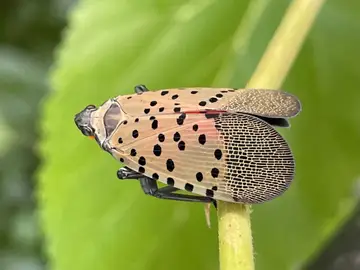
This page lists 7 insects: 6 from DNREC's DEWAP Invasive and Problematic Species; DNREC Asian Tiger Mosquitoes; DNREC Ticks of Delaware and 1 named in other official sources.
7 are nonnative.
Not every species: no complete official list of Delaware insects exists, so this page covers the ones state and Extension sources name. How lists are built.
Which insects can hurt you
Official sources single out these insects in Delaware, in their own words:
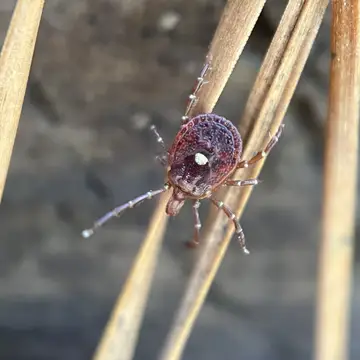
Disease vector. “They are vectors of the pathogens that cause ehrlichiosis and are also associated with a condition called alpha-gal syndrome (mammalian meat allergy).” DNREC
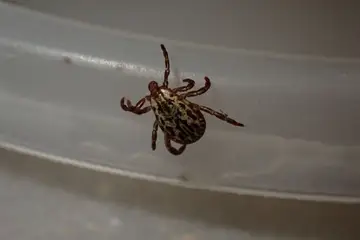
Disease vector. “They can vector the bacteria that cause spotted fever.” DNREC
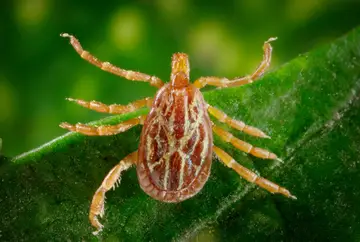
Photo: CDC/ Dr. Christopher Paddock/ James Gathany · Public domain · Wikimedia Commons
Gulf Coast Tick
One of the five most common ticks in Delaware. “The five most common tick species found in Delaware are the Lone Star Tick, the Deer/Blacklegged Tick, the American Dog Tick, the Gulf Coast Tick and the Longhorned Tick.” DNREC
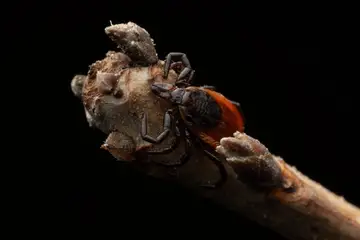
Longhorned Tick
One of the five most common ticks. “They infrequently bite humans and are more likely to be seen on pets or livestock.” DNREC
All 7 insects
From A to Z. Do not handle them.
No confirmed photo of Asian Longhorned Beetle
Asian Longhorned Beetle
Anoplophora glabripennis
Not statedInvasive
Venom
No official source we use states whether this animal is venomous. That does not mean it is harmless: do not handle it.
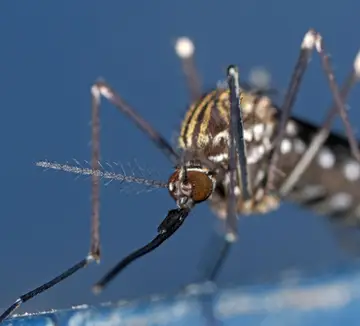
No confirmed photo of Asian Tiger Mosquito
Asian Tiger Mosquito
Aedes albopictus
Not statedInvasive
Venom
No official source we use states whether this animal is venomous. That does not mean it is harmless: do not handle it.
Records of insects in Delaware peak in June to September. They show when people record insects, not how many there are (about month bars).
JanFebMarAprMayJunJulAugSepOctNovDec
25,256 records of insects in Delaware by month (GBIF, CC0 and CC BY records).
Ticks can be active year-round. Nymphs peak in late spring and early summer; blacklegged tick adults are most active in late fall and winter; lone star ticks are found spring through early fall. DNREC
If you are bitten or stung
Call 911 or Poison Help at 1-800-222-1222 right away. Poison Help connects you to your local poison center, any time of day.
Official advice from DNREC:
Jellyfish sting on the face or neck while swimming: get medical help as soon as possible (call 911 or Poison Help at 1-800-222-1222). DNREC
How to report
Invasive aquatic species: report to the DNREC Division of Fish and Wildlife by phone, email or the online Invasive Fish Tracker. Invasive terrestrial species: Wildlife Section, 302-739-9912. Sick or dead wildlife (five or more at one place): 302-735-3600 ext. 2. Wildlife damage biologist: 302-735-8683. DNREC
Delaware's Endangered Species. Delaware Department of Natural Resources and Environmental Control (DNREC). datePublished 2020-05-15, dateModified 2025-04-28; checked November 3, 2026.
Invasive and Problematic Species and Diseases (DEWAP). Delaware Department of Natural Resources and Environmental Control (DNREC). datePublished 2025-09-10, dateModified 2025-12-16; checked November 3, 2026.Quoted passages (1)
“…with the latter being a known vector of West Nile Virus”
Asian Tiger Mosquitoes. Delaware Department of Natural Resources and Environmental Control (DNREC). published 2019-09-25, modified 2026-06-01; checked November 3, 2026.
Ticks of Delaware. Delaware Department of Natural Resources and Environmental Control (DNREC). published 2021-06-16, modified 2026-05-29; checked November 3, 2026.Quoted passages (6)
“They are vectors of the pathogens that cause ehrlichiosis and are also associated with a condition called alpha-gal syndrome (mammalian meat allergy).”
“They are vectors of the pathogens that cause Lyme disease, anaplasmosis, and babesiosis.”
“They can vector the bacteria that cause spotted fever.”
“The five most common tick species found in Delaware are the Lone Star Tick, the Deer/Blacklegged Tick, the American Dog Tick, the Gulf Coast Tick and the Longhorned Tick.”
“They infrequently bite humans and are more likely to be seen on pets or livestock.”
“For most species, adult ticks are most common in the spring and summer, but blacklegged tick adults are most active in the late fall and winter.”
Jellyfish to Watch Out for (Outdoor Delaware). Delaware Department of Natural Resources and Environmental Control (DNREC). published 2020-09-30, modified 2026-07-28; checked November 3, 2026.Quoted passages (1)
“If you’re swimming and get stung in the face or neck area, seek medical help as soon as possible.”
Invasive Aquatic Species. Delaware Department of Natural Resources and Environmental Control (DNREC). published 2020-02-11, modified 2025-02-03; checked November 3, 2026.Quoted passages (1)
“It is also important to keep an eye out for invasive terrestrial species. They should be reported to the Wildlife Section, at 302-739-9912.”