States Wildlife

Delaware Mammals: Species List With Pictures

Last checked November 3, 2026 against official sources.

On this page
  1. No longer living here
  2. All 53 mammals
  3. When they are active
  4. If you see one
  5. How to report
  6. What official sources say
  7. About this list
  8. Sources

DNREC: Sixty species are native to Delaware, including 38 terrestrial and 16 marine mammals.

This page lists 53 mammals: 27 from DNREC's Mammals SGCN page + USFWS Bombay Hook NWR Mammals + DNREC species pages and 26 named in other official sources. 1 is nonnative. DNREC gives a total of 60; the 53 here are the mammals official sources name one by one.

No longer living here

Official sources list the American black bear as extirpated from Delaware; it stays on the list below with that status. It is not counted among the mammals that can hurt you here; each entry quotes the source.

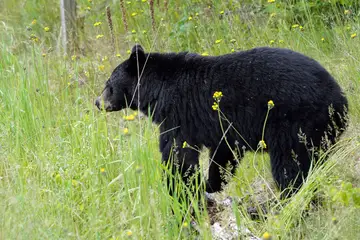
  • American Black Bear

    Extirpated. “Black bears were extirpated in Delaware by approximately 1900, but four members of the species have ventured into the state since 2016.” DNREC

All 53 mammals

From A to Z.

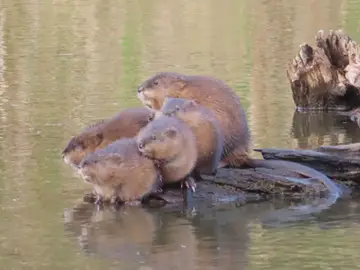
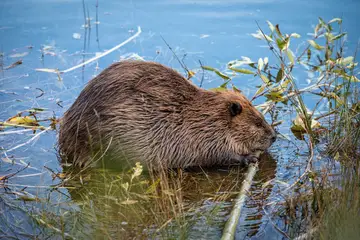
American Beaver
Photo: GrandTetonNPS · Public domain · Wikimedia Commons

American Beaver

Castor canadensis

American Black Bear
Photo: U.S. Fish and Wildlife Service - Midwest Region · Public domain · Wikimedia Commons

American Black Bear

Ursus americanus

Size
Smokies: males average about 6 ft long, 3 ft at the shoulder and 250 lb in summer; females usually just over 100 lb. Missouri: 46 to 78 inches long, 86 to 600 lb.
How to recognize it
  • Straight facial profile, rounded erect ears, very short tail
  • Short curved claws for climbing
Where in Delaware
Visitors entered northern Delaware (New Castle County) DNREC
Conservation
extirpated ~1900; occasional wandering visitors (2016, 2019, 2020, 2024)

Full American Black Bear guide

No confirmed photo of American Mink

American Mink

Mustela vision

Conservation
SGCN Assessment Priority
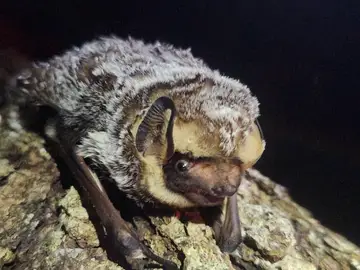
No confirmed photo of Big Brown Bat

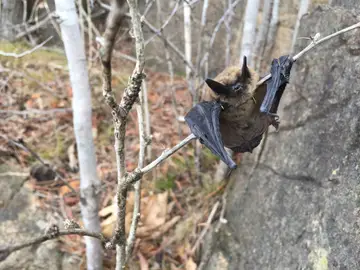
Big Brown Bat

Eptesicus fuscus

What the sources say

Habitat: Cave bat; overwinters in homes, abandoned buildings and forts (DNREC)

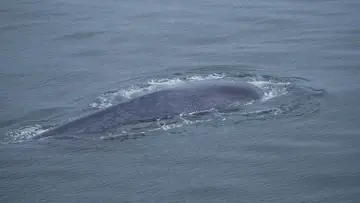
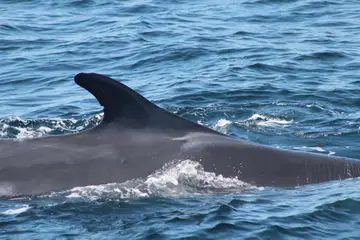
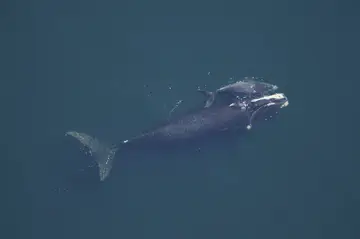
Blue Whale
Photo: Carina Gsottbauer · CC BY-SA 4.0 · Wikimedia Commons · resized

Blue Whale

Balaenoptera musculus

Conservation
state endangered; SGCN Tier 1
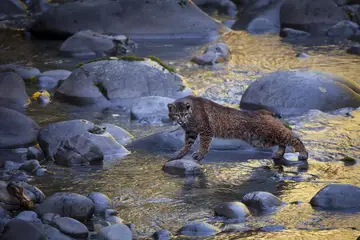
Bobcat
Photo: National Marine Sanctuaries · Public domain · Wikimedia Commons

Bobcat

Lynx rufus

Size
Total length 18 to 50 inches, tail 3 to 8 inches, weight 8 to 49 pounds (Missouri). About twice the size of a house cat.
How to recognize it
  • Short 'bobbed' tail, 4 to 8 inches, with a black tip and white underneath (Arizona). New Mexico instead describes black bars on top, white underneath and a white tip.
  • Pointed ears with tufts at the tips, often with cheek tufts
  • Backs of the ears are black with a light central spot
Conservation
Extirpated (DEWAP)

Full Bobcat guide

No confirmed photo of Common Bottlenose Dolphin

Common Bottlenose Dolphin

Where in Delaware
Delaware Bay and Atlantic Ocean, as far north as Slaughter Beach DNREC
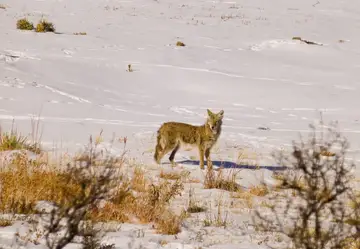
Coyote
Photo: Gaurav Vaidya from Chapel Hill, USA · CC BY 2.0 · Wikimedia Commons

Coyote

Canis latrans

Size
About 3.5 to 4 feet long including the tail and roughly 2 feet tall at the shoulder; weight varies by region: Arizona 20 to 30 lb, Florida average about 28 lb, Georgia 25 to 45 lb
How to recognize it
  • Large pointed ears, long narrow nose, bushy black-tipped tail
  • Like a slender medium-sized dog, much smaller than a wolf
  • Paw track about 2 inches long (Florida)
Where in Delaware
All three counties; population relatively low DNREC

Full Coyote guide

Delmarva Fox Squirrel
Photo: gpete · CC BY 4.0 · iNaturalist

Delmarva Fox Squirrel

Sciurus niger cinereus

Where in Delaware
Sussex County (Prime Hook NWR, Nanticoke WMA, translocation sites) DNREC
Conservation
state endangered; SGCN Tier 1 (removed from federal ESA protection in 2015)
Eastern Cougar
Photo: Jeff Bartlett · CC BY 4.0 · iNaturalist

Eastern Cougar

Puma concolor couguar

Conservation
extirpated (1700s)
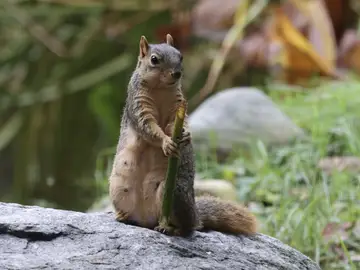
Eastern Gray Squirrel
Photo: Mila C · CC BY 4.0 · iNaturalist

Eastern Gray Squirrel

Sciurus carolinensis

148 records by month.
No confirmed photo of Eastern Mole

Eastern Mole

Scalopus aquaticus

No confirmed photo of Evening Bat

Evening Bat

Nycticeius humeralis

Conservation
SGCN Assessment Priority
Fin Whale
Photo: Steven Lamonde · CC BY 4.0 · iNaturalist

Fin Whale

Balaenoptera physalus

Conservation
state endangered; SGCN Tier 1
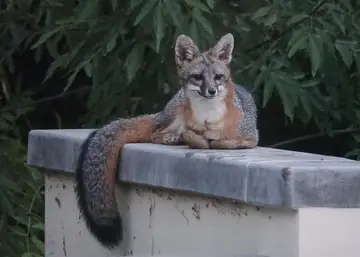
Gray Fox
Photo: Mike's Birds from Riverside, CA, US · CC BY-SA 2.0 · Wikimedia Commons · resized

Gray Fox

Urocyon cinereoargenteus

Conservation
SGCN Assessment Priority
No confirmed photo of Harbor Porpoise

Harbor Porpoise

Phocoena phocoena

No confirmed photo of Humpback Whale

Humpback Whale

Megaptera novaeangliae

Conservation
state endangered; SGCN Tier 1
No confirmed photo of Least Shrew

Least Shrew

Cryptotis parvus

Conservation
SGCN Assessment Priority
No confirmed photo of Little Brown Bat

Little Brown Bat

Myotis lucifugus

Conservation
state endangered; SGCN Tier 1
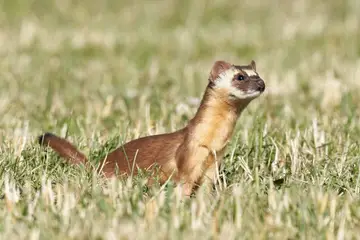
Long-tailed Weasel
Photo: benjchristensen · CC BY 4.0 · iNaturalist

Long-tailed Weasel

Mustela frenata

Conservation
SGCN Assessment Priority
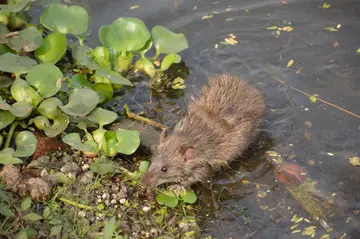
No confirmed photo of Marsh Rice Rat

Marsh Rice Rat

Oryzomys palustris

Conservation
SGCN Assessment Priority
What the sources say

Habitat: Salt marsh (Bombay Hook NWR) (US Fish and Wildlife Service)

No confirmed photo of Maryland Shrew

Maryland Shrew

Sorex fontinalis

Conservation
SGCN Assessment Priority
No confirmed photo of Masked Shrew

Masked Shrew

Sorex cinereus

Conservation
SGCN Assessment Priority
No confirmed photo of Meadow Jumping Mouse

Meadow Jumping Mouse

Zapus hudsonius

Conservation
SGCN Assessment Priority
No confirmed photo of Meadow Vole

Meadow Vole

Microtus pennsylvanicus

No confirmed photo of Minke Whale

Minke Whale

No confirmed photo of Northern Long-eared Bat

Northern Long-eared Bat

Myotis septentrionalis

Conservation
state endangered; federally endangered (2022); SGCN Tier 1
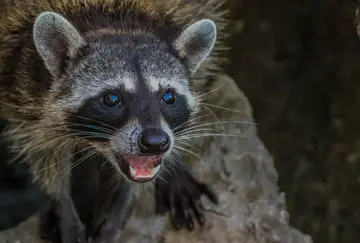
Northern Raccoon
Photo: Marco Antonino Ramos Rodríguez · CC BY-SA 4.0 · Wikimedia Commons · resized

Northern Raccoon

Procyon lotor

45 records by month.
No confirmed photo of Northern Short-tailed Shrew

Northern Short-tailed Shrew

Blarina brevicauda

Venom note
“Saliva has a toxic poison that allows it a more varied diet than other shrews.”
What the sources say

Habitat: Damp woods with thick leaf mold (US Fish and Wildlife Service)

No confirmed photo of Red Fox

Red Fox

Vulpes fulva

No confirmed photo of Sei Whale

Sei Whale

Balaenoptera borealis

Conservation
state endangered; SGCN Tier 1
No confirmed photo of Southern Flying Squirrel

Southern Flying Squirrel

Glaucomys volans

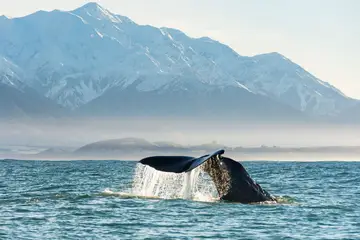
Sperm Whale
Photo: Whale Watch Kaikoura / Destination Kaikōura · CC BY 4.0 · Wikimedia Commons

Sperm Whale

Physeter macrocephalus

Conservation
state endangered; SGCN Tier 1
No confirmed photo of Star-nosed Mole

Star-nosed Mole

Condylura cristata

Conservation
SGCN Assessment Priority
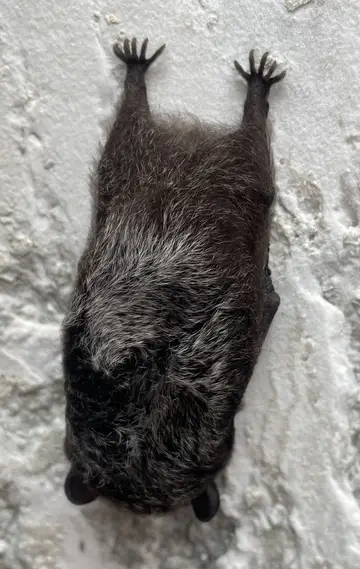
Tricolored Bat
Photo: Felix Zareie-Vaux · CC0 1.0 · iNaturalist

Tricolored Bat

Perimyotis subflavus

Conservation
state endangered; SGCN Tier 1
No confirmed photo of Virginia Opossum

Virginia Opossum

Didelphis marsupialis

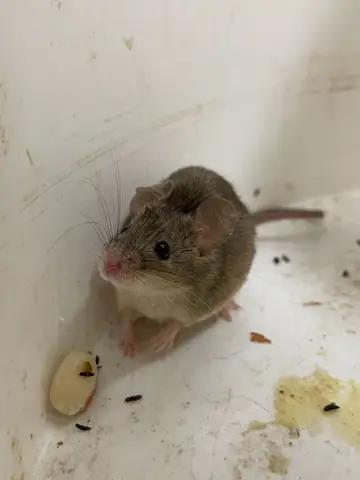
No confirmed photo of White-footed Deermouse

White-footed Deermouse

Peromyscus leucopus

No confirmed photo of Whitetail Deer

Whitetail Deer

Odocoileus virginianus

392 records by month.
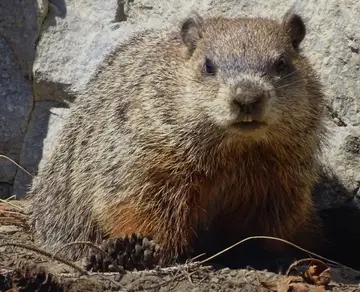
Woodchuck
Photo: Shirley Zundell · CC BY 4.0 · iNaturalist

Woodchuck

Marmota monax

What the sources say

Habitat: Fields, woods and dikes; hibernates October to February (US Fish and Wildlife Service)

No confirmed photo of Woodland Vole

Woodland Vole

Microtus pinetorum

When mammals are active in Delaware

Records of mammals in Delaware peak in March to August. They show when people record mammals, not how many there are (about month bars).

1,149 records of mammals in Delaware by month (GBIF, CC0 and CC BY records).
  • Young male black bears disperse in spring and summer, which is when bears have wandered into Delaware. DNREC

If you see one

Official advice from DNREC:

  • Possible rabies exposure (bite, scratch or contact with a wild animal or feral cat or dog): contact a healthcare provider right away or call the Division of Public Health Rabies Program at 302-744-4995. DNREC
  • If you meet a black bear, stay calm and back away slowly; do not run. DNREC
  • Do not feed coyotes; nearly all bites and attacks happen when people feed wild animals. DNREC

How to report

Invasive aquatic species: report to the DNREC Division of Fish and Wildlife by phone, email or the online Invasive Fish Tracker. Invasive terrestrial species: Wildlife Section, 302-739-9912. Sick or dead wildlife (five or more at one place): 302-735-3600 ext. 2. Wildlife damage biologist: 302-735-8683. DNREC

What official sources say

Are there bears in Delaware?

Rarely. Black bears were extirpated by about 1900. Four bears have wandered into northern Delaware since 2016; the 2024 bear was killed by a car near New Castle. DNREC

“Black bears were extirpated in Delaware by approximately 1900, but four members of the species have ventured into the state since 2016.”

Are there coyotes in Delaware?

Yes. Coyotes have been documented in all three counties, but the population remains relatively low. DNREC

“While Delaware’s coyote population remains relatively low, coyotes have been documented in each of the state’s three counties.”

About this list

The species list comes from Mammals SGCN page (2025-2035 DEWAP) + USFWS Bombay Hook NWR Mammals + DNREC species pages (Delaware Department of Natural Resources and Environmental Control (DNREC), DEWAP page modified 2025-12-16). 26 more entries come from other official sources named on each card.

Venom labels come only from official sources and link to them; "Not stated" never means harmless. How labels work.

"Nonnative" and "Invasive" follow the wording of the source list. See invasive species in Delaware.

Sources

  1. Delaware's Endangered Species. Delaware Department of Natural Resources and Environmental Control (DNREC). datePublished 2020-05-15, dateModified 2025-04-28; checked November 3, 2026.
  2. Mammals (2025-2035 Delaware Wildlife Action Plan). Delaware Department of Natural Resources and Environmental Control (DNREC). datePublished 2025-08-14, dateModified 2025-12-16; checked November 3, 2026.
    Quoted passages (1)
    “Sixty species are native to Delaware, including 38 terrestrial and 16 marine mammals.”
  3. Bombay Hook National Wildlife Refuge: Mammals. U.S. Fish and Wildlife Service. archived copy, captured July 20, 2026; checked November 3, 2026.
  4. Update and Revision of Delaware's SGCN List. Delaware Department of Natural Resources and Environmental Control (DNREC). datePublished 2025-07-16, dateModified 2025-12-16; checked November 3, 2026.
  5. Winter Survival Strategies: Hibernation in Delaware's Animal Kingdom (Outdoor Delaware). Delaware Department of Natural Resources and Environmental Control (DNREC). published 2024-02-12, modified 2025-07-08; checked November 3, 2026.
  6. Dolphins, Horseshoe Crabs and Piping Plovers, Oh My! (Outdoor Delaware). Delaware Department of Natural Resources and Environmental Control (DNREC). published 2024-06-10, modified 2025-07-08; checked November 3, 2026.
  7. Coyotes in Delaware. Delaware Department of Natural Resources and Environmental Control (DNREC). published 2020-04-13, modified 2026-04-22; checked November 3, 2026.
    Quoted passages (2)
    “Nearly all bites or attacks occur when people attempt to feed wild animals or to treat them like domestic animals.”
    “While Delaware’s coyote population remains relatively low, coyotes have been documented in each of the state’s three counties.”
  8. How Delaware is Preparing for the Return of Black Bears (Outdoor Delaware). Delaware Department of Natural Resources and Environmental Control (DNREC). published 2024-07-31, modified 2025-07-08; checked November 3, 2026.
    Quoted passages (3)
    “Black bears were extirpated in Delaware by approximately 1900, but four members of the species have ventured into the state since 2016.”
    “Individuals who encounter a black bear in the woods should remain calm and slowly back away. Do not run, as that could cause the bear to give chase.”
    “Every year in spring and summer, young male bears disperse from the areas where they grew up in search of proverbial greener pastures”
  9. Reporting Sick or Dead Wildlife. Delaware Department of Natural Resources and Environmental Control (DNREC). published 2022-04-12, modified 2026-10-08; checked November 3, 2026.
    Quoted passages (1)
    “If you think you have been bitten by, scratched by or encountered a wild animal or feral cat or dog that may be rabid, you should immediately contact your healthcare provider or call the Division of Public Health Rabies Program, at 302-744-4995.”
  10. Invasive Aquatic Species. Delaware Department of Natural Resources and Environmental Control (DNREC). published 2020-02-11, modified 2025-02-03; checked November 3, 2026.
    Quoted passages (1)
    “It is also important to keep an eye out for invasive terrestrial species. They should be reported to the Wildlife Section, at 302-739-9912.”
  11. GBIF.org occurrence records, human observations licensed CC0 1.0 or CC BY 4.0 only, accessed November 3, 2026. The datasets behind these counts are listed on our Sources page.