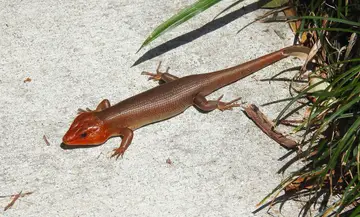
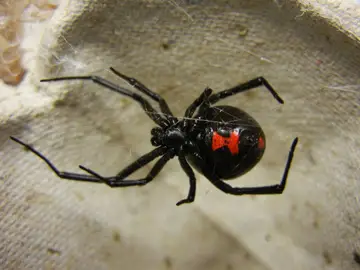
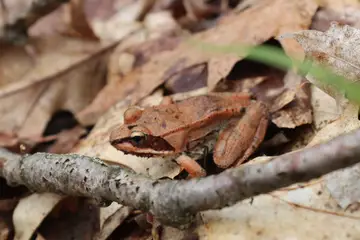
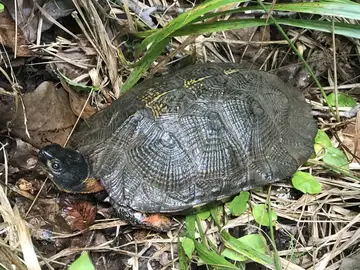
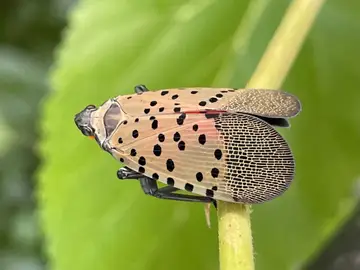
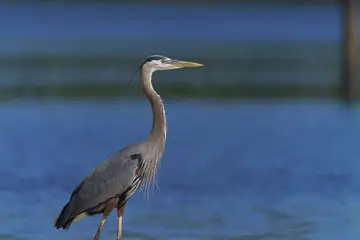
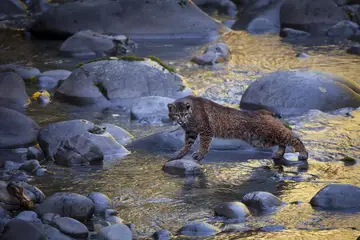
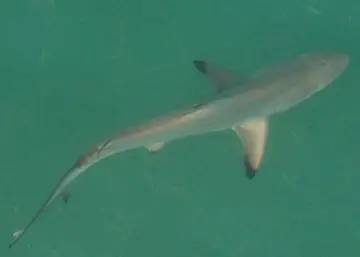
These are the animals official sources describe as venomous or as a risk to people in Delaware, across 5 groups. The reason is given in the source's own terms.
Venomous: “…only two in the United States are considered venomous to humans, and even these spiders rarely bother humans unless they are provoked. They are the Black Widow and the Brown Recluse.”
Venomous: “…only two in the United States are considered venomous to humans, and even these spiders rarely bother humans unless they are provoked. They are the Black Widow and the Brown Recluse.”
Disease vector: “They are vectors of the pathogens that cause ehrlichiosis and are also associated with a condition called alpha-gal syndrome (mammalian meat allergy).”
One of the five most common ticks in Delaware: “The five most common tick species found in Delaware are the Lone Star Tick, the Deer/Blacklegged Tick, the American Dog Tick, the Gulf Coast Tick and the Longhorned Tick.”
DNREC: “But Delaware has seen only four confirmed unprovoked shark attacks since 1837, according to the University of Florida. We have no record of a death caused by a shark in Delaware.”
Official sources list the American black bear as extirpated from Delaware. It is not counted among the dangerous animals above; each entry quotes the source.
American Black Bear: extirpated. “Black bears were extirpated in Delaware by approximately 1900, but four members of the species have ventured into the state since 2016.” DNREC
16 nonnative animals are named on Delaware's official lists (DNREC). The USGS Nonindigenous Aquatic Species database records 1 nonnative animal in our groups with an established population in Delaware.
Darker cells are the months with more open-licence observation records of each group in Delaware (GBIF). They show when people see and record these animals, not how many there are. The current month, this month, is highlighted.
Reptiles become less active around Halloween and stay that way until about March; snakes shelter underground below the frost line. DNREC
Salamanders can be active year-round; tiger salamanders breed over the winter. DNREC
Sea turtles are in Delaware waters June through October. DNREC
Sharks migrate south to north in summer (and year-round); people notice them most in summer. DNREC
Dolphins are seen March to October, most often in summer; seals are most common in winter. DNREC
Jellyfish (lion's mane, sea nettle) turn up toward the end of summer. DNREC
Horseshoe crabs spawn in May and June on Delaware Bay beaches; the shorebird migration peaks in May. DNREC
Ticks can be active year-round. Nymphs peak in late spring and early summer; blacklegged tick adults are most active in late fall and winter; lone star ticks are found spring through early fall. DNREC
Report: Invasive aquatic species: report to the DNREC Division of Fish and Wildlife by phone, email or the online Invasive Fish Tracker. Invasive terrestrial species: Wildlife Section, 302-739-9912. Sick or dead wildlife (five or more at one place): 302-735-3600 ext. 2. Wildlife damage biologist: 302-735-8683. DNREC
Official safety advice
Anyone who thinks a copperhead bit them should get medical attention right away (call 911 or Poison Help at 1-800-222-1222). DNREC
If bitten by any snake, try to get a photo of it so the species can be identified. DNREC
If you encounter a snake, a spray from a garden hose can safely encourage it to move on. DNREC
Possible rabies exposure (bite, scratch or contact with a wild animal or feral cat or dog): contact a healthcare provider right away or call the Division of Public Health Rabies Program at 302-744-4995. DNREC
Aggressive wildlife: leave the area right away, take shelter in a building or vehicle, and call DNREC Natural Resources Police at 800-523-3336. DNREC
Questions people ask about Delaware wildlife
Are there venomous snakes in Delaware?
Yes. DNREC: Delaware has only one venomous snake, the eastern copperhead, found only in southern Sussex County and near Wilmington. Reports elsewhere, when checked with photos, usually turn out to be young rat snakes, watersnakes or hog-nosed snakes. DNREC
How many snake species are in Delaware?
DNREC: the First State has 19 snake species; only the eastern copperhead is dangerous to people. DNREC
Are there rattlesnakes in Delaware?
No. DNREC names the copperhead as Delaware's only venomous snake, so no rattlesnake is recognized there. The Philadelphia Poison Control Center gives timber rattlesnake range as central and northern PA and the NJ Pine Barrens. DNREC
Where do copperheads live in Delaware?
DNREC says the eastern copperhead is found only in southern Sussex County and near Wilmington; the regional poison center lists it for 'all of PA and DE'. DNREC
Are there alligators in Delaware?
No. DNREC's 2018-2023 herp atlas recorded one American alligator among non-native animals that were most likely escaped or released pets. DNREC says most such species cannot survive Delaware's cold winters. DNREC
Are there bears in Delaware?
Rarely. Black bears were extirpated by about 1900. Four bears have wandered into northern Delaware since 2016; the 2024 bear was killed by a car near New Castle. DNREC
Are there coyotes in Delaware?
Yes. Coyotes have been documented in all three counties, but the population remains relatively low. DNREC
Are there sharks in Delaware?
Yes. As many as 62 shark species can be found in the Atlantic, Delaware Bay and Inland Bays. The most common are sandbar, spiny dogfish, smooth dogfish, sand tiger and mako. Delaware has had four confirmed unprovoked attacks since 1837 and no recorded deaths. DNREC
Are there great white sharks in Delaware?
Yes. DNREC: white sharks are around but are the least common shark in Delaware waters. DNREC
Are there brown recluse spiders in Delaware?
No official source places the brown recluse in Delaware. A UD Cooperative Extension entomologist (2011) names the black widow as the only poisonous spider found in Delaware, and the regional poison center says none are thought to live in Pennsylvania or farther north. The Poison Control Center at Children's Hospital of Philadelphia
DNREC: lone star ticks are the most common tick in Delaware, especially in Kent and Sussex Counties. DNREC
Is lyme disease common in Delaware?
Yes. DNREC: Delaware has one of the highest Lyme disease rates in the country (CDC). Blacklegged (deer) ticks carry it. DNREC
Are there sea turtles in Delaware?
Yes. All five sea turtle species known from Delaware waters visit estuarine and marine waters June through October; nesting is rare (green 2011, loggerhead 2018). DNREC
DNREC: 60 native mammal species, including 38 terrestrial and 16 marine; six extirpated and five non-native. DNREC
Sources
Delaware's Endangered Species. Delaware Department of Natural Resources and Environmental Control (DNREC). datePublished 2020-05-15, dateModified 2025-04-28; checked November 3, 2026.
Snakes to Watch Out For (Outdoor Delaware). Delaware Department of Natural Resources and Environmental Control (DNREC). published 2021-07-09, modified 2026-05-07; checked November 3, 2026.Quoted passages (6)
“Delaware only has one species of snake that is venomous – the eastern copperhead.”
“Despite its small size, the First State has 19 different species.”
“Although often reported throughout the state, this species is found only in southern Sussex County and near Wilmington.”
“Regardless, anyone who suspects they were bitten by a copperhead should seek medical attention immediately.”
“If you are bitten by any snake, try to get a photo of the snake so the species can be identified and proper treatment can be administered.”
“If you encounter a snake, you can use spray from a garden hose to safely encourage it to move on.”
“Delaware is home to 28 species of amphibians, of which 13 (46%) meet the criteria for SGCN.”
“Eleven species of non-marine turtles are known to occur in Delaware.”
“Sea turtles visit Delaware’s estuarine and marine waters during the warmer months (June through October).”
Delaware State List of Bird Species. Delaware Bird Records Committee, Delaware Ornithological Society. Updated July 2025; checked November 3, 2026.Quoted passages (1)
“The Delaware State List of Bird Species contains 432 species of birds that have been accepted for Delaware by the Delaware Bird Records Committee (DBRC) as of July 2025.”
Mammals (2025-2035 Delaware Wildlife Action Plan). Delaware Department of Natural Resources and Environmental Control (DNREC). datePublished 2025-08-14, dateModified 2025-12-16; checked November 3, 2026.Quoted passages (1)
“Sixty species are native to Delaware, including 38 terrestrial and 16 marine mammals.”
Sharks in Delaware Waters (Outdoor Delaware). Delaware Department of Natural Resources and Environmental Control (DNREC). published 2022-07-15, modified 2026-05-07; checked November 3, 2026.Quoted passages (6)
“But as many as 62 total species can be found in the Atlantic Ocean, Delaware Bay and the Inland Bays.”
“…in June 2020, what was most likely a sandbar shark bit a 12-year-old boy at Herring Point in Cape Henlopen State Park.”
“But Delaware has seen only four confirmed unprovoked shark attacks since 1837, according to the University of Florida. We have no record of a death caused by a shark in Delaware.”
“The five most common sharks in Delaware waters are sandbar, spiny dogfish, smooth dogfish, sand tiger and Atlantic mako sharks.”
“Yes, they’re around, but they are the least common shark species found in Delaware waters.”
“It’s a sign of summer that sharks migrate from south to north this time of year, although they do migrate year-round — we just notice them more in the summer.”
Spider Bites. The Poison Control Center at Children's Hospital of Philadelphia (serves Delaware). no date on page; checked November 3, 2026.Quoted passages (3)
“…only two in the United States are considered venomous to humans, and even these spiders rarely bother humans unless they are provoked. They are the Black Widow and the Brown Recluse.”
“…no Brown Recluse spiders are thought to live in Pennsylvania or more northern states.”
“If you think you or your child has been bitten by a venomous spider, immediately contact the Poison Control Center at 1-800-222-1222 or your doctor.”
Ticks of Delaware. Delaware Department of Natural Resources and Environmental Control (DNREC). published 2021-06-16, modified 2026-05-29; checked November 3, 2026.Quoted passages (7)
“They are vectors of the pathogens that cause ehrlichiosis and are also associated with a condition called alpha-gal syndrome (mammalian meat allergy).”
“They are vectors of the pathogens that cause Lyme disease, anaplasmosis, and babesiosis.”
“They can vector the bacteria that cause spotted fever.”
“The five most common tick species found in Delaware are the Lone Star Tick, the Deer/Blacklegged Tick, the American Dog Tick, the Gulf Coast Tick and the Longhorned Tick.”
“They infrequently bite humans and are more likely to be seen on pets or livestock.”
“Lone star ticks are the most common tick species in Delaware, especially in Kent and Sussex Counties.”
“For most species, adult ticks are most common in the spring and summer, but blacklegged tick adults are most active in the late fall and winter.”
Invasive and Problematic Species and Diseases (DEWAP). Delaware Department of Natural Resources and Environmental Control (DNREC). datePublished 2025-09-10, dateModified 2025-12-16; checked November 3, 2026.Quoted passages (7)
“…with the latter being a known vector of West Nile Virus”
“In Delaware, Northern Snakeheads have been documented in several rivers and ponds and are now considered common in the state.”
“Several species of non-native, invasive crabs are present in Delaware’s estuarine and marine systems, including the European Green Crab (Carcinus maenas), and the Chinese Mitten Crab (Eriocheir sinensis).”
“The Asian Shore Crab (Hemigraspus sanguineus), which was first discovered in North America near the mouth of Delaware Bay in 1988”
“These catfish are voracious predators now found in the Delaware River”
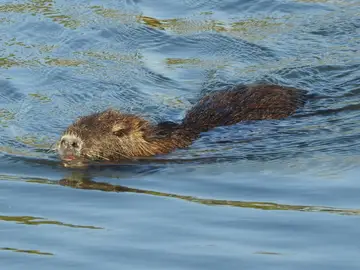
“Nutria (Myocastor coypus), a non-native, marsh-damaging, beaver-like rodent had been documented in Delaware, but is now considered eradicated in the state.”
“Other invasive insect threats in Delaware include the Asian Tiger Mosquito (Aedes albopictus)”
Jellyfish to Watch Out for (Outdoor Delaware). Delaware Department of Natural Resources and Environmental Control (DNREC). published 2020-09-30, modified 2026-07-28; checked November 3, 2026.Quoted passages (2)
“The stinging cells are not known to be fatal to people. But the sting site will be very red and painful.”
“Their sting is strong to severe but not deadly to humans. However, it will hurt.”
“Black bears were extirpated in Delaware by approximately 1900, but four members of the species have ventured into the state since 2016.”
Invasive Aquatic Species. Delaware Department of Natural Resources and Environmental Control (DNREC). published 2020-02-11, modified 2025-02-03; checked November 3, 2026.Quoted passages (1)
“It is also important to keep an eye out for invasive terrestrial species. They should be reported to the Wildlife Section, at 302-739-9912.”
“Other non-native species include an American alligator, a ball python and a green iguana, each of which were likely exotic pets that escaped or were released.”
Coyotes in Delaware. Delaware Department of Natural Resources and Environmental Control (DNREC). published 2020-04-13, modified 2026-04-22; checked November 3, 2026.Quoted passages (1)
“While Delaware’s coyote population remains relatively low, coyotes have been documented in each of the state’s three counties.”
Delaware spiders more friend than foe, UD experts say (UDaily). University of Delaware (UDaily news office), quoting Brian Kunkel, entomologist with University of Delaware Cooperative Extension. Oct. 26, 2011; checked November 3, 2026.Quoted passages (1)
“Only one poisonous spider is found in Delaware, the black widow.”
Tick Program. Delaware Department of Natural Resources and Environmental Control (DNREC). published 2021-06-16, modified 2026-06-24; checked November 3, 2026.Quoted passages (1)
“Delaware has one of the highest incidences of Lyme disease in the country, according to the Centers for Disease Control and Prevention.”
Reporting Sick or Dead Wildlife. Delaware Department of Natural Resources and Environmental Control (DNREC). published 2022-04-12, modified 2026-10-08; checked November 3, 2026.Quoted passages (1)
“If you think you have been bitten by, scratched by or encountered a wild animal or feral cat or dog that may be rabid, you should immediately contact your healthcare provider or call the Division of Public Health Rabies Program, at 302-744-4995.”
When Wildlife Cause Problems. Delaware Department of Natural Resources and Environmental Control (DNREC). published 2025-04-10, modified 2026-07-27; checked November 3, 2026.Quoted passages (1)
“Immediately leave the area and attempt to seek shelter in a building or vehicle. If pets are present attempt to get them out of the area as well. Contact the DNREC Natural Resources Police at 800-523-3336.”