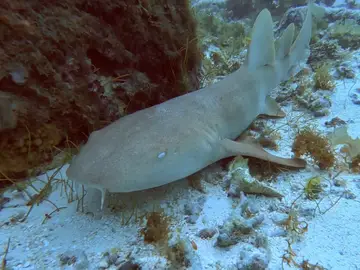
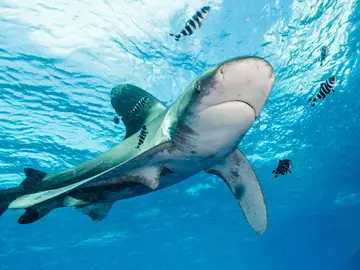
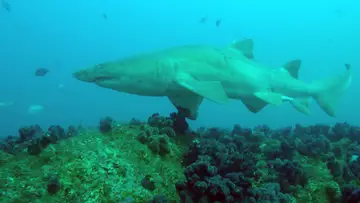
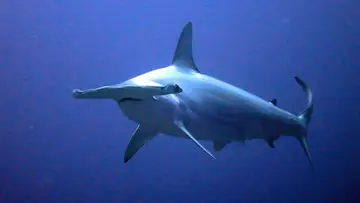
DNREC: But as many as 62 total species can be found in the Atlantic Ocean, Delaware Bay and the Inland Bays.
This page lists 46 sharks, rays and other marine animals: 40 from DNREC's Fish SGCN page: Sharks, Rays and Skates + Sharks in Delaware Waters and 6 named in other official sources.
DNREC gives a total of 62; the 46 here are the sharks, rays and other marine animals official sources name one by one.
Which sharks, rays and other marine animals can hurt you
Official sources single out these sharks, rays and other marine animals in Delaware, in their own words:
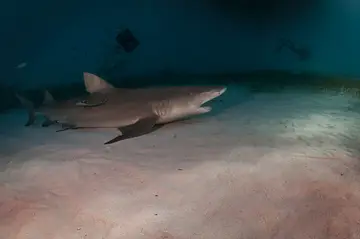
Sandbar Shark
Shark bite. “…in June 2020, what was most likely a sandbar shark bit a 12-year-old boy at Herring Point in Cape Henlopen State Park.” DNREC
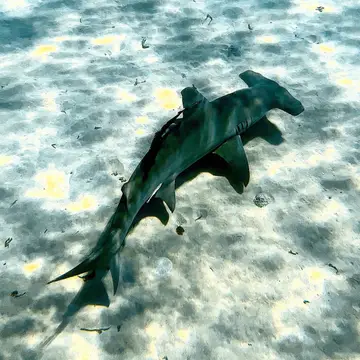
Sharks
DNREC. “But Delaware has seen only four confirmed unprovoked shark attacks since 1837, according to the University of Florida. We have no record of a death caused by a shark in Delaware.” DNREC
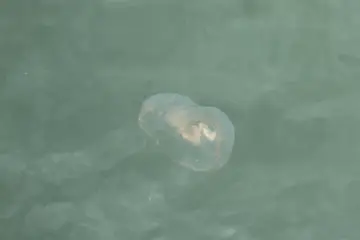
Lion's mane jellyfish
Stings. “The stinging cells are not known to be fatal to people. But the sting site will be very red and painful.” DNREC
Atlantic Sea Nettle
Stings. “Their sting is strong to severe but not deadly to humans. However, it will hurt.” DNREC
All 46 sharks, rays and other marine animals
From A to Z. Do not handle them.
No confirmed photo of Atlantic Angel Shark
Atlantic Angel Shark
Squatina dumeril
Not stated
Venom
No official source we use states whether this animal is venomous. That does not mean it is harmless: do not handle it.
No confirmed photo of Atlantic Horseshoe Crab
Atlantic Horseshoe Crab
Not stated
Venom
No official source we use states whether this animal is venomous. That does not mean it is harmless: do not handle it.
Where in Delaware
Delaware Bay and Inland Bays; spawns May-June on bay beaches DNREC
No confirmed photo of Atlantic Sea Nettle
Atlantic Sea Nettle
Not stated
Venom
No official source we use states whether this animal is venomous. That does not mean it is harmless: do not handle it.
Danger to people
“Their sting is strong to severe but not deadly to humans. However, it will hurt.” DNREC
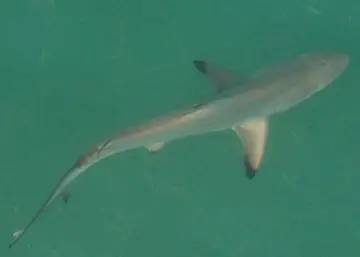
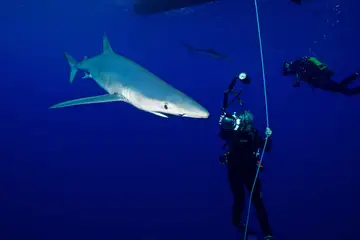
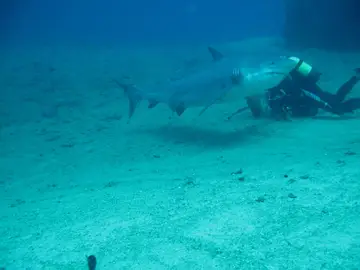
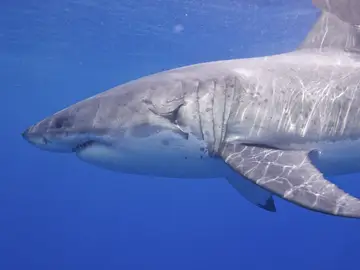
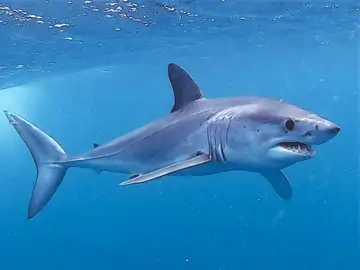
The white shark has broad, triangular, serrated teeth; mako teeth are slender and smooth-edged.
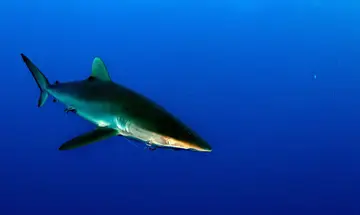
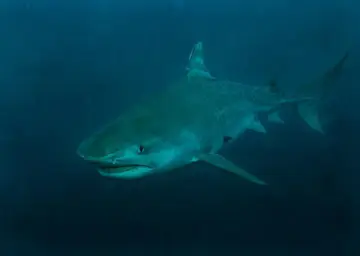
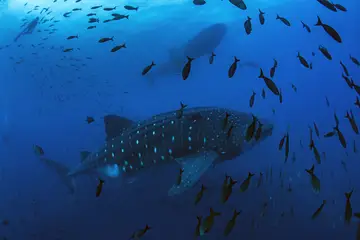
Photos show typical adults; individuals vary. Never get close to compare.
When sharks, rays and other marine animals are active in Delaware
Records of sharks, rays and other marine animals in Delaware peak in July to August. They show when people record sharks, rays and other marine animals, not how many there are (about month bars).
JanFebMarAprMayJunJulAugSepOctNovDec
204 records of sharks, rays and other marine animals in Delaware by month (GBIF, CC0 and CC BY records).
Sharks migrate south to north in summer (and year-round); people notice them most in summer. DNREC
Jellyfish (lion's mane, sea nettle) turn up toward the end of summer. DNREC
Horseshoe crabs spawn in May and June on Delaware Bay beaches; the shorebird migration peaks in May. DNREC
If you are bitten or stung
Call 911 or Poison Help at 1-800-222-1222 right away. Poison Help connects you to your local poison center, any time of day.
Official advice from DNREC:
If you encounter a snake, a spray from a garden hose can safely encourage it to move on. DNREC
Sharks: swim in groups, stay near shore, avoid dawn/dusk/night and fished waters, don't swim if bleeding. DNREC
Jellyfish sting on the face or neck while swimming: get medical help as soon as possible (call 911 or Poison Help at 1-800-222-1222). DNREC
How to report
Invasive aquatic species: report to the DNREC Division of Fish and Wildlife by phone, email or the online Invasive Fish Tracker. Invasive terrestrial species: Wildlife Section, 302-739-9912. Sick or dead wildlife (five or more at one place): 302-735-3600 ext. 2. Wildlife damage biologist: 302-735-8683. DNREC
What official sources say
Are there sharks in Delaware?
Yes. As many as 62 shark species can be found in the Atlantic, Delaware Bay and Inland Bays. The most common are sandbar, spiny dogfish, smooth dogfish, sand tiger and mako. Delaware has had four confirmed unprovoked attacks since 1837 and no recorded deaths. DNREC
“The five most common sharks in Delaware waters are sandbar, spiny dogfish, smooth dogfish, sand tiger and Atlantic mako sharks.”
Are there great white sharks in Delaware?
Yes. DNREC: white sharks are around but are the least common shark in Delaware waters. DNREC
“Yes, they’re around, but they are the least common shark species found in Delaware waters.”
Venom labels come only from official sources and link to them; "Not stated" never means harmless. How labels work.
Sources
Delaware's Endangered Species. Delaware Department of Natural Resources and Environmental Control (DNREC). datePublished 2020-05-15, dateModified 2025-04-28; checked November 3, 2026.
Fish (2025-2035 Delaware Wildlife Action Plan). Delaware Department of Natural Resources and Environmental Control (DNREC). datePublished 2025-09-09, dateModified 2025-12-16; checked November 3, 2026.
Sharks in Delaware Waters (Outdoor Delaware). Delaware Department of Natural Resources and Environmental Control (DNREC). published 2022-07-15, modified 2026-05-07; checked November 3, 2026.Quoted passages (7)
“But as many as 62 total species can be found in the Atlantic Ocean, Delaware Bay and the Inland Bays.”
“…in June 2020, what was most likely a sandbar shark bit a 12-year-old boy at Herring Point in Cape Henlopen State Park.”
“But Delaware has seen only four confirmed unprovoked shark attacks since 1837, according to the University of Florida. We have no record of a death caused by a shark in Delaware.”
“Swim in water where you can see your feet.”
“It’s a sign of summer that sharks migrate from south to north this time of year, although they do migrate year-round — we just notice them more in the summer.”
“The five most common sharks in Delaware waters are sandbar, spiny dogfish, smooth dogfish, sand tiger and Atlantic mako sharks.”
“Yes, they’re around, but they are the least common shark species found in Delaware waters.”
“…tend to show up in Delaware toward the end of the summer”
“The species spawns in May and June along the bay beaches.”
Jellyfish to Watch Out for (Outdoor Delaware). Delaware Department of Natural Resources and Environmental Control (DNREC). published 2020-09-30, modified 2026-07-28; checked November 3, 2026.Quoted passages (4)
“The stinging cells are not known to be fatal to people. But the sting site will be very red and painful.”
“Their sting is strong to severe but not deadly to humans. However, it will hurt.”
“Don’t worry if you see one because they’re harmless to people.”
“If you’re swimming and get stung in the face or neck area, seek medical help as soon as possible.”
Snakes to Watch Out For (Outdoor Delaware). Delaware Department of Natural Resources and Environmental Control (DNREC). published 2021-07-09, modified 2026-05-07; checked November 3, 2026.Quoted passages (1)
“If you encounter a snake, you can use spray from a garden hose to safely encourage it to move on.”
Invasive Aquatic Species. Delaware Department of Natural Resources and Environmental Control (DNREC). published 2020-02-11, modified 2025-02-03; checked November 3, 2026.Quoted passages (1)
“It is also important to keep an eye out for invasive terrestrial species. They should be reported to the Wildlife Section, at 302-739-9912.”