Invasive and nonnative animals in New Jersey
Last checked November 3, 2026 against official sources.
On this page
16 nonnative animals are named on 3 official lists for New Jersey: “Invasive Animals and Pests” (NJDEP), “USGS NAS records: Cuban treefrog, New Jersey” (US Geological Survey) and “USGS NAS records: lionfish, New Jersey” (US Geological Survey).
The USGS Nonindigenous Aquatic Species database records an established population in New Jersey for 1 nonnative animal in the groups this guide covers.
To report a sighting, see how to report.
Being on a list of nonnative species does not always mean an animal is harmful or established: each list below is described in its source's terms. A sighting of a listed animal is still worth reporting to the agency.
Invasive Animals and Pests
NJDEP, archived copy, captured February 24, 2026. 14 animals.
-
Asian carps (grass, silver, bighead) C. idella; H. molitrix; H. nobolis (as printed)
-
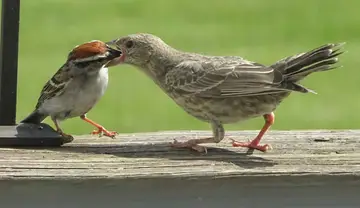
Photo: Shirley Zundell · CC BY 4.0 · iNaturalist Brown-headed cowbird Molothrus ater
-
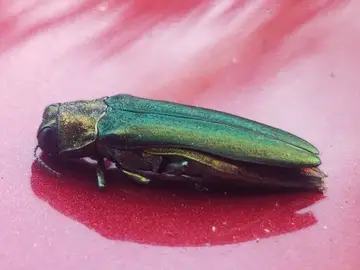
Photo: Brandon McCracken · CC BY 4.0 · iNaturalist Emerald ash borer Agrilus planipennis
-
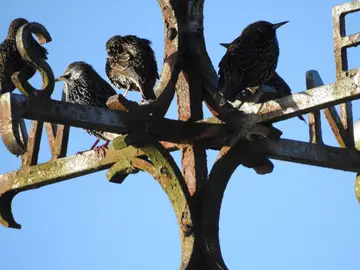
Photo: Surly Aardvark · CC0 1.0 · iNaturalist European starling Sturnus vulgaris
-

Photo: Sawyer Baran · CC BY 4.0 · iNaturalist Feral cat Felis domesticus
-
Flathead catfish Pylodictis olivaris
-
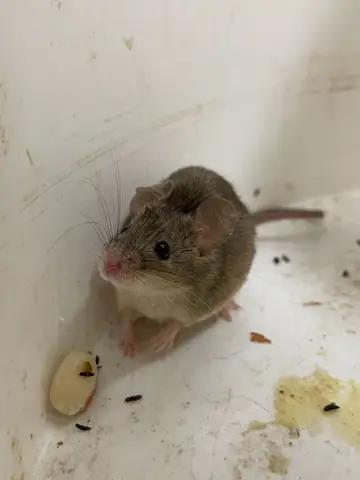
Photo: Emily Langdon-Lassagne · CC0 1.0 · iNaturalist House mouse Mus musculus
-
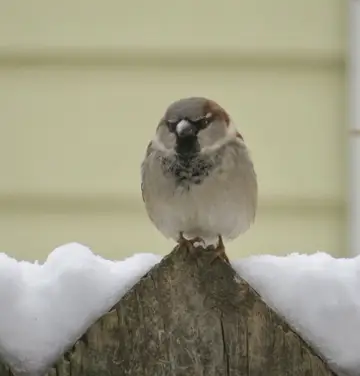
Photo: Sandy Wolkenberg · CC BY 4.0 · iNaturalist House sparrow Passer domesticus
-
Longhorned tick Haemaphysalis longicornis
-
Northern snakehead Channa spp.
-
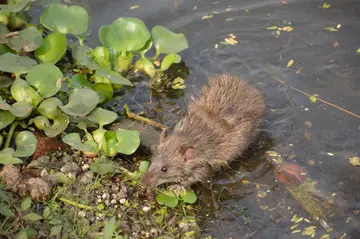
Photo: Biswarup Ganguly · CC BY 3.0 · Wikimedia Commons Norway (brown) rat Rattus norvegicus
-
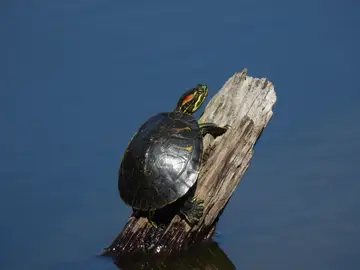
Photo: ncb1221 · CC BY 4.0 · iNaturalist Red-eared slider Trachemys scripta elegans
-
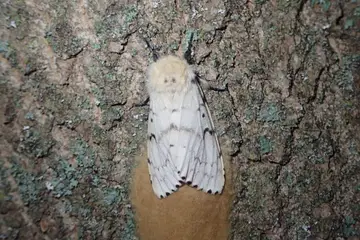
Photo: Emmett Collins-Sussman · CC BY 4.0 · iNaturalist Spongy moth (gypsy moth) Lymantria dispar
-
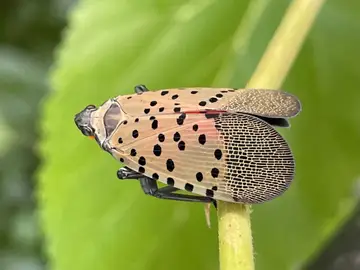
Photo: Isaac Caswell · CC0 1.0 · iNaturalist Spotted lanternfly Lycorma delicatula

USGS NAS records: Cuban treefrog, New Jersey
U.S. Geological Survey, database queried November 3, 2026. 1 animal.
-
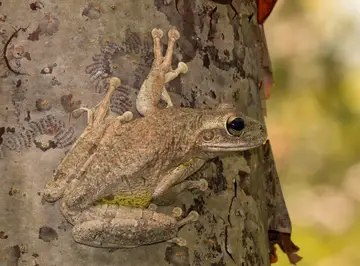
Photo: Charles J. Sharp · CC BY-SA 4.0 · Wikimedia Commons · resized Cuban treefrog Osteopilus septentrionalis
Burlington, Mercer, Middlesex, Monmouth and Ocean counties (5 USGS NAS records, 2018-2024; establishment not stated) US Geological Survey

USGS NAS records: lionfish, New Jersey
U.S. Geological Survey, database queried November 3, 2026. 1 animal.
-
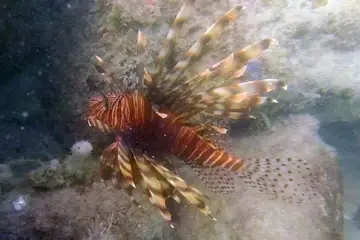
Photo: Kristof Zyskowski · CC BY 4.0 · iNaturalist Lionfish Pterois volitans/miles
Atlantic Ocean off New Jersey (Belmar, Monmouth County; Cape May; a wreck site): 3 USGS NAS records, 2003-2012, status field "established" US Geological Survey
Established in New Jersey, per USGS records
The U.S. Geological Survey's Nonindigenous Aquatic Species (NAS) database tracks nonnative aquatic animals. These have at least one record with the status "established" in New Jersey, which USGS defines as a population showing evidence of reproduction and overwinter survival.
| Animal | Group | First record | Latest record | Counties |
|---|---|---|---|---|
| Lionfish Pterois volitans/miles | Sharks and Marine Life | 2003 | 2012 | 1 |
Source: U.S. Geological Survey. [2026]. Nonindigenous Aquatic Species Database. Gainesville, Florida. Accessed [11/3/2026]. "Native Transplant" animals are native elsewhere in the US but not in New Jersey.
How to report a sighting in New Jersey
DEP 24-hour hotline 1-877-WARN DEP (1-877-927-6337) for venomous snakes on private land, bear damage or nuisance bears, and injured or dead bobcats; report endangered, threatened and special concern wildlife (and roadkill) with the NJ Wildlife Tracker app. NJDEP Fish & Wildlife
Do not try to catch or handle the animal. A photo taken from a safe distance, the place and the date help the agency.
Sources
- USGS NAS records: Cuban treefrog, New Jersey. U.S. Geological Survey. database queried November 3, 2026; checked November 3, 2026.
- USGS NAS records: lionfish, New Jersey. U.S. Geological Survey. database queried November 3, 2026; checked November 3, 2026.
- Invasive Animals and Pests. NJDEP. archived copy, captured February 24, 2026; checked November 3, 2026.
Quoted passages (14)
“C. idella … H. molitrix … H. nobolis”
“Brown-headed Cowbird Molothrus ater”
“Emerald Ash Borer Agrilus planipennis”
“European Starling Sturnus vulgaris”
“Feral Cat Felis domesticus”
“Flathead Catfish Pylodictis olivaris”
“House Mouse Mus musculus”
“House Sparrow Passer domesticus”
“Longhorned Tick Haemaphysalis longicornis”
“Northern Snakehead Channa spp.”
“Norway (Brown) Rat Rattus norvegicus”
“Red-eared Slider Trachemys scripta elegans”
“Gypsy (spongy) Moth-Larva Lymantria dispar”
“Spotted Lanternfly (Adult) Lycorma delicatula”
- Black Bears in New Jersey. NJDEP Fish & Wildlife. archived copy, captured July 21, 2026; checked November 3, 2026.
Quoted passages (1)
“To report black bear damage and nuisance behavior, call the DEP’s 24-hour, toll-free hotline: 1-877-WARN DEP (1-877-927-6337)”
- U.S. Geological Survey. [2026]. Nonindigenous Aquatic Species Database. Gainesville, Florida. Accessed [11/3/2026].