On this page Which insects can hurt you All 7 insects When they are active If you are bitten or stung About this list Sources
This page lists 7 insects : 2 from NJDEP's NJDEP Invasive Animals and Pests; NJ Poison Control Center Bites and Stings; NJDA Spotted Lanternfly and 5 named in other official sources.
3 are nonnative.
Not every species: no complete official list of New Jersey insects exists, so this page covers the ones state and Extension sources name. How lists are built .
Which insects can hurt you Official sources single out these insects in New Jersey, in their own words:
All 7 insects From A to Z. Do not handle them.
No confirmed photo of Bees, wasps, hornets and yellow jackets (group) Bees, wasps, hornets and yellow jackets (group) Not stated
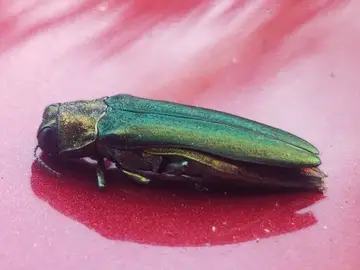
Venom No official source we use states whether this animal is venomous. That does not mean it is harmless: do not handle it. Photo: Brandon McCracken · CC BY 4.0 · iNaturalist Agrilus planipennis
Not stated Invasive
Venom No official source we use states whether this animal is venomous. That does not mean it is harmless: do not handle it. Size About 3/8 to 1/2 inch long and 1/8 inch wide; small enough to fit on a penny How to recognize it Slender, bullet-shaped body Signs on ash trees: S-shaped galleries under the bark and D-shaped exit holes about 1/8 inch across Tree symptoms: dead branches near the top, sprouts on the trunk, vertical bark cracks, and woodpecker 'blonding'
J F M A M J J A S O N D
42 records by month. Full Emerald ash borer guide
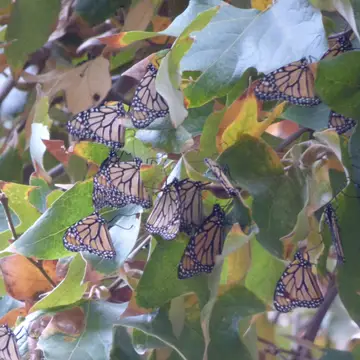
Photo: Dave West · CC0 1.0 · iNaturalist Monarch butterfly Danaus plexippus
Not stated
Venom No official source we use states whether this animal is venomous. That does not mean it is harmless: do not handle it. Conservation State Special Concern
J F M A M J J A S O N D
6,426 records by month. No confirmed photo of Mosquitoes (group) Mosquitoes (group) Not stated
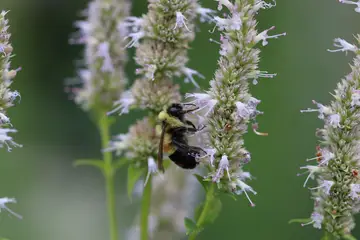
Venom No official source we use states whether this animal is venomous. That does not mean it is harmless: do not handle it. Photo: U.S. Fish and Wildlife Service - Midwest Region · Public domain · Wikimedia Commons (U.S. federal work, public domain) Rusty-patched bumble bee Bombus affinis
Not stated
Venom No official source we use states whether this animal is venomous. That does not mean it is harmless: do not handle it. Conservation State Endangered (also federally endangered or threatened) Photo: Emmett Collins-Sussman · CC BY 4.0 · iNaturalist Lymantria dispar
Not stated Invasive
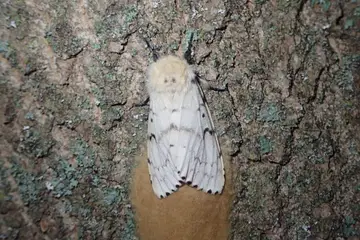
Venom No official source we use states whether this animal is venomous. That does not mean it is harmless: do not handle it. Size Mature caterpillars 1.5 to 2.5 inches long (Missouri: up to 2 inches). Male moths about 1.5-inch wingspread; females larger, about 2 to 2.5 inches. How to recognize it Older caterpillars have a double row of five pairs of blue spots followed by six pairs of red spots down the back, and tufts of hair on each segment. Spongy moth caterpillars do not make silk webs or tents. Females are white and cannot fly; males are brown and fly erratically in daytime in July and August.
J F M A M J J A S O N D
138 records by month. Full Spongy moth (formerly gypsy moth) guide
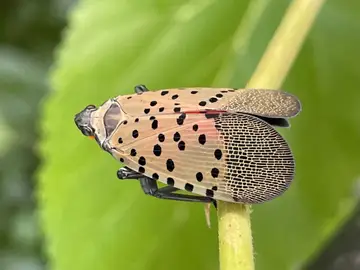
Photo: Isaac Caswell · CC0 1.0 · iNaturalist Lycorma delicatula
Not stated Invasive
Venom No official source we use states whether this animal is venomous. That does not mean it is harmless: do not handle it. Size Adults are roughly 1 inch long and 1/2 inch wide. How to recognize it Forewings brown or gray with black spots, ending in a speckled band. Hind wings scarlet with black spots, plus white and black bars. Abdomen yellow with black bars. Legs and head black.
J F M A M J J A S O N D
674 records by month. Full Spotted lanternfly guide
When insects are active in New Jersey Records of insects in New Jersey peak in June to September. They show when people record insects, not how many there are (about month bars ).
Jan Feb Mar Apr May Jun Jul Aug Sep Oct Nov Dec
61,353 records of insects in New Jersey by month (GBIF, CC0 and CC BY records). If you are bitten or stung Call 911 or Poison Help at 1-800-222-1222 right away. Poison Help connects you to your local poison center, any time of day.
Official advice from NJDEP Fish & Wildlife and NJ Poison Control Center (NJPIES), Rutgers New Jersey Medical School:
Sources New Jersey's Endangered, Threatened, and Special Concern Species . NJDEP Fish & Wildlife, ENSP. archived copy, captured August 25, 2026; checked November 3, 2026. Invasive Animals and Pests . NJDEP. archived copy, captured February 24, 2026; checked November 3, 2026. Bites and Stings . NJ Poison Control Center (NJPIES), Rutgers New Jersey Medical School. undated page; checked November 3, 2026. Quoted passages (2) “Allergic reactions to these insects could be life threatening, and emergency support should be sought IMMEDIATELY.” “Mosquitoes may carry potentially dangerous illnesses, the two most commonly found in New Jersey are; West Nile Virus, and Eastern Equine Encephalitis.” Spotted Lanternfly . New Jersey Department of Agriculture. undated page; checked November 3, 2026. Black Bears in New Jersey . NJDEP Fish & Wildlife. archived copy, captured July 21, 2026; checked November 3, 2026. Quoted passages (1) “Prevent bear encounters by securing garbage and other attractants.” GBIF.org occurrence records, human observations licensed CC0 1.0 or CC BY 4.0 only, accessed November 3, 2026. The datasets behind these counts are listed on our Sources page.