On this page Which mammals can hurt you All 89 mammals Lookalikes When they are active If you are bitten or stung What official sources say About this list Sources
This page lists 89 mammals : all from NJDEP Division of Fish & Wildlife's Mammals of New Jersey.
7 are nonnative.
Which mammals can hurt you Official sources single out these mammals in New Jersey, in their own words:
Photo: U.S. Fish and Wildlife Service - Midwest Region · Public domain · Wikimedia Commons Bears near homes and trails. “However, if you encounter a black bear in your neighborhood or outdoors while hiking or camping, follow these common-sense safety tips.” NJDEP Fish & Wildlife
All 89 mammals From A to Z. Do not handle them.
Find by name
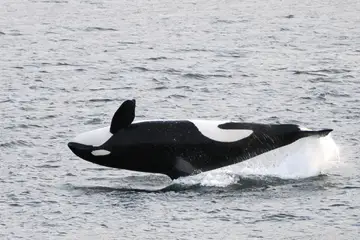
Photo: steve b · CC0 1.0 · iNaturalist Atlantic Killer Whale Orcinus orca
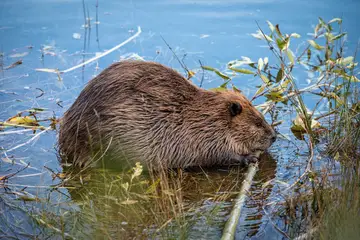
Photo: GrandTetonNPS · Public domain · Wikimedia Commons Beaver Castor candensis
No confirmed photo of Beluga Whale Beluga Whale Delphinapterus leucas
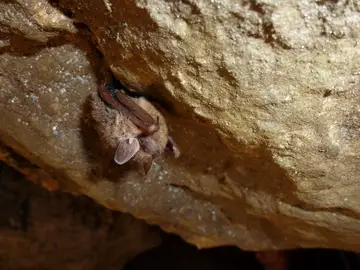
No confirmed photo of Big Brown Bat Big Brown Bat Eptesicus fuscus
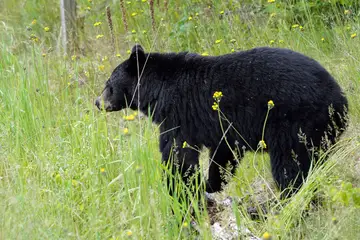
Conservation State Special Concern Photo: U.S. Fish and Wildlife Service - Midwest Region · Public domain · Wikimedia Commons Ursus americanus
Danger to people “However, if you encounter a black bear in your neighborhood or outdoors while hiking or camping, follow these common-sense safety tips.” NJDEP Fish & Wildlife Size Smokies: males average about 6 ft long, 3 ft at the shoulder and 250 lb in summer; females usually just over 100 lb. Missouri: 46 to 78 inches long, 86 to 600 lb. How to recognize it Straight facial profile, rounded erect ears, very short tail Short curved claws for climbing Where in New Jersey Confirmed sightings in all 21 counties NJDEP Fish & Wildlife Full Black Bear guide
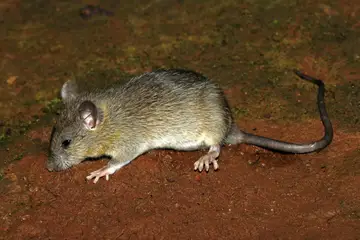
Photo: Davidvraju · CC0 · Wikimedia Commons Black Rat Rattus rattus
Nonnative
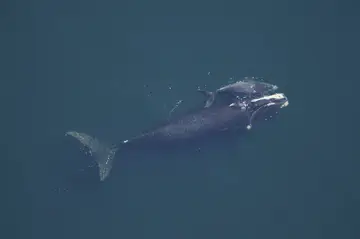
Photo: NOAA Photo Library · Public domain · Wikimedia Commons (U.S. federal work, public domain) Black Right Whale Balaena glacialis
Conservation State Endangered (also federally endangered or threatened) No confirmed photo of Black-tailed Jackrabbit Black-tailed Jackrabbit Lepus californicus
Nonnative
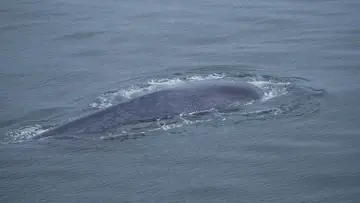
Photo: Carina Gsottbauer · CC BY-SA 4.0 · Wikimedia Commons · resized Blue Whale Balaenoptera musculus
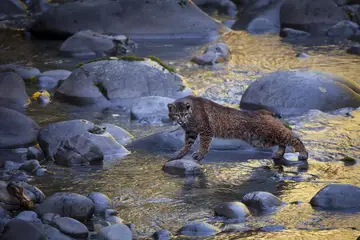
Photo: National Marine Sanctuaries · Public domain · Wikimedia Commons Felis rufus
Size Total length 18 to 50 inches, tail 3 to 8 inches, weight 8 to 49 pounds (Missouri). About twice the size of a house cat. How to recognize it Short 'bobbed' tail, 4 to 8 inches, with a black tip and white underneath (Arizona). New Mexico instead describes black bars on top, white underneath and a white tip. Pointed ears with tufts at the tips, often with cheek tufts Backs of the ears are black with a light central spot Where in New Jersey Rebounding in northern NJ; very few observations in central and southern NJ NJDEP Fish & Wildlife Conservation State Threatened Full Bobcat guide
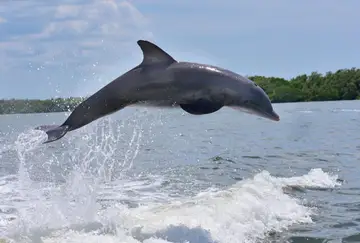
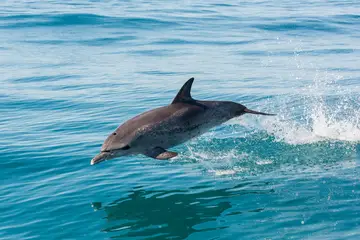
Photo: Dean Hester · CC BY 4.0 · iNaturalist Bottle-nosed Dolphin Tursiops truncatus
Conservation State Special Concern Photo: João D'Andretta · CC BY-SA 4.0 · Wikimedia Commons · resized Bridled Spotted Dolphin Stenella frontalis
Photo: Biswarup Ganguly · CC BY 3.0 · Wikimedia Commons Brown Rat Rattus norvegicus
Nonnative
No confirmed photo of Dense Beaked Whale Dense Beaked Whale Mesoplodon densirostris
No confirmed photo of Dwarf Sperm Whale Dwarf Sperm Whale Kogia simus
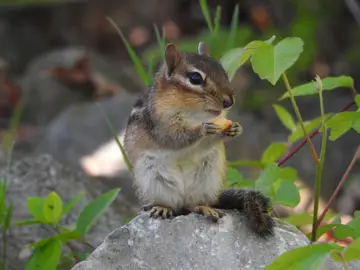
Photo: Yann Kemper · CC0 1.0 · iNaturalist Eastern Chipmunk Tamias striatus
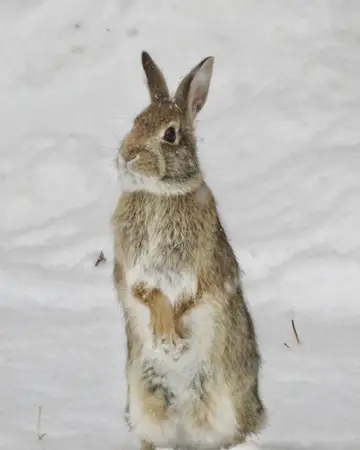
Photo: Bernie Paquette · CC BY 4.0 · iNaturalist Eastern Cottontail Sylvilagus floridanus
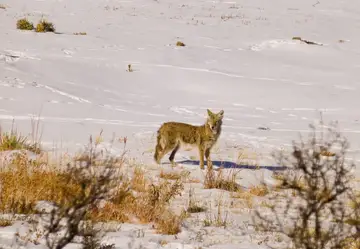
Photo: Gaurav Vaidya from Chapel Hill, USA · CC BY 2.0 · Wikimedia Commons Canis latrans, var.
Size About 3.5 to 4 feet long including the tail and roughly 2 feet tall at the shoulder; weight varies by region: Arizona 20 to 30 lb, Florida average about 28 lb, Georgia 25 to 45 lb How to recognize it Large pointed ears, long narrow nose, bushy black-tipped tail Like a slender medium-sized dog, much smaller than a wolf Paw track about 2 inches long (Florida) Full Eastern Coyote guide
No confirmed photo of Eastern Mole Eastern Mole Scalopus aquaticus
Photo: Felix Zareie-Vaux · CC0 1.0 · iNaturalist Eastern Pipistrel Pipistrellus subflavus
Conservation State Endangered No confirmed photo of Eastern Wood Rat Eastern Wood Rat Neotoma floridana
Where in New Jersey Hudson River Palisades (only remaining population, as Allegheny woodrat) NJDEP Fish & Wildlife Conservation State Endangered No confirmed photo of Ermine Ermine Mustela erminea
No confirmed photo of European Hare European Hare Lepus capensis
Nonnative
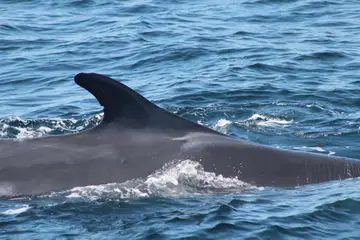
Photo: Steven Lamonde · CC BY 4.0 · iNaturalist Fin Whale Balaenoptera physalus
Conservation State Endangered (also federally endangered or threatened) No confirmed photo of Gervais Beaked Whale Gervais Beaked Whale Mesoplodon europaeus
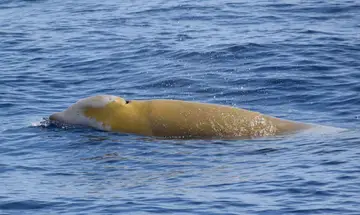
Photo: Wanax01 Charles Davies (info) · CC BY-SA 4.0 · Wikimedia Commons · resized Goose-beaked Whale Ziphius cavirostris
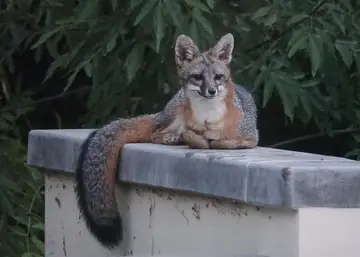
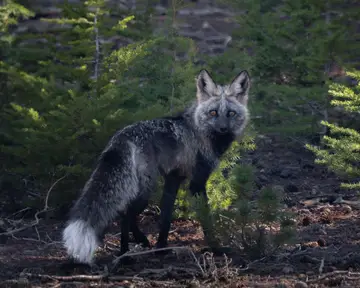
Photo: Mike's Birds from Riverside, CA, US · CC BY-SA 2.0 · Wikimedia Commons · resized Gray Fox Urocyon cinereoargenteus
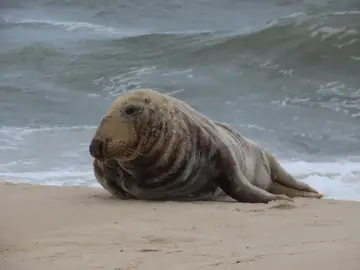
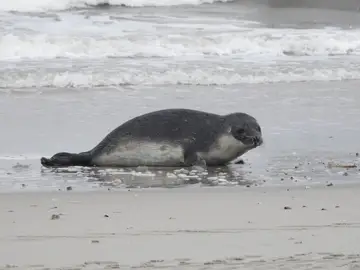
Photo: Katie Gipson · CC BY 4.0 · iNaturalist Gray Seal Halichoerus grypus
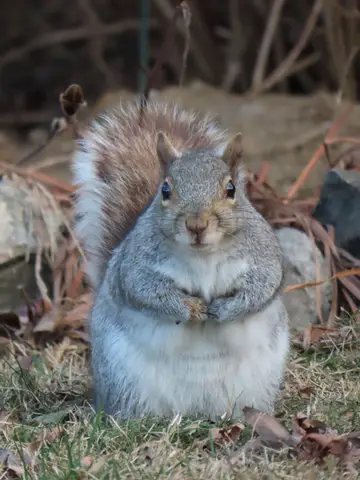
Photo: Mila C · CC BY 4.0 · iNaturalist Gray Squirrel Sciurus carolinensis
J F M A M J J A S O N D
1,603 records by month. No confirmed photo of Hairy-tailed Mole Hairy-tailed Mole Parascalops breweri
Conservation Undetermined-Unknown (state nongame list) No confirmed photo of Harbor Porpoise Harbor Porpoise Phocoena phocoena
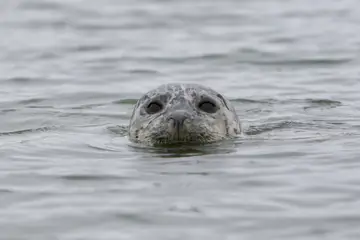
Conservation State Special Concern Photo: Chris Spain · CC0 1.0 · iNaturalist Harbor Seal Phoca vitulina
No confirmed photo of Harp Seal Harp Seal Pagophilus groenlandica
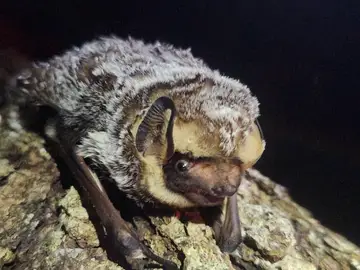
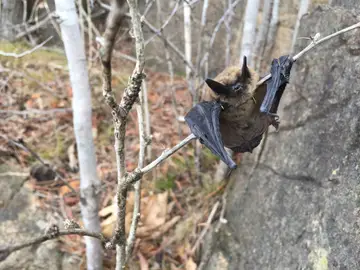
Photo: otiegoat · CC BY 4.0 · iNaturalist Hoary Bat Lasiurus cinereus
Conservation State Special Concern Photo: Michael Bakker Paiva · CC BY 4.0 · Wikimedia Commons Hooded Seal Cystophora cristata
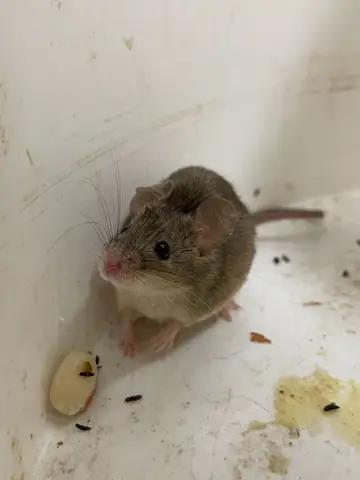
Photo: Emily Langdon-Lassagne · CC0 1.0 · iNaturalist House mouse Mus musculus
Nonnative
No confirmed photo of Humpback Whale Humpback Whale Megaptera novaeangliae
Conservation State Endangered (also federally endangered or threatened) No confirmed photo of Indiana Bat Indiana Bat Myotis sodalis
Conservation State Endangered (also federally endangered or threatened) No confirmed photo of Keen Myotis Keen Myotis Myotis septentrionalis
Conservation State Endangered (also federally endangered or threatened) No confirmed photo of Least Shrew Least Shrew Crytotis parva
Conservation Undetermined-Unknown (state nongame list) No confirmed photo of Little Brown Bat Little Brown Bat Myotis lucifugus
Conservation State Endangered No confirmed photo of Long-finned Pilot Whale Long-finned Pilot Whale Globicephala melaena
No confirmed photo of Long-tailed Shrew Long-tailed Shrew Sorex dispar
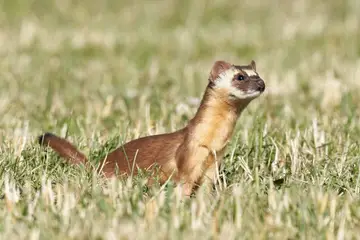
Conservation Undetermined-Unknown (state nongame list) Photo: benjchristensen · CC BY 4.0 · iNaturalist Long-tailed Weasel Mustela frenata
No confirmed photo of Marsh Rice Rat Marsh Rice Rat Oryzomys palustris
Conservation Undetermined-Unknown (state nongame list) No confirmed photo of Masked Shrew Masked Shrew Sorex cinereus
No confirmed photo of Meadow Jumping Mouse Meadow Jumping Mouse Zapus hudsonius
Conservation State Special Concern No confirmed photo of Meadow Vole Meadow Vole Microtus pennsylvanicus
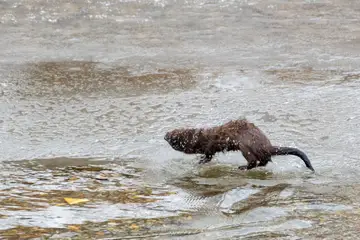
Photo: Richard Littauer · CC BY 4.0 · iNaturalist Mink Mustela vison
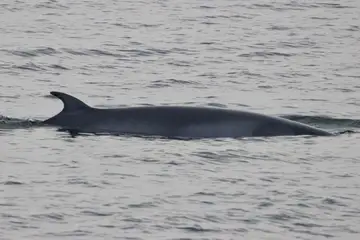
Photo: Ryan F. Mandelbaum · CC BY 4.0 · iNaturalist Minke Whale Balaenoptera acutorostrata
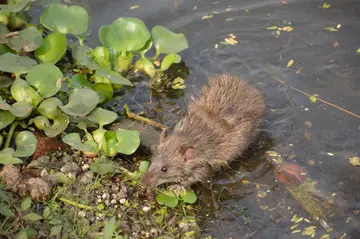
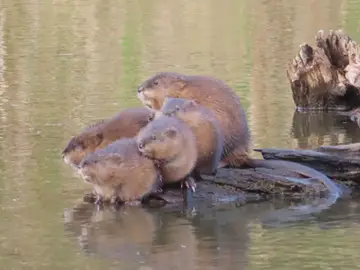
Conservation Undetermined-Unknown (state nongame list) Photo: Ken Clark · CC BY 4.0 · iNaturalist Muskrat Ondatra zibethicus
No confirmed photo of New England Cottontail New England Cottontail Sylvilagus transitionalis
No confirmed photo of Northern Flying Squirrel Northern Flying Squirrel Glaucomys sabrinus
Conservation Undetermined-Unknown (state nongame list) No confirmed photo of Northern yellow bat Northern yellow bat Lasiurus intermedius
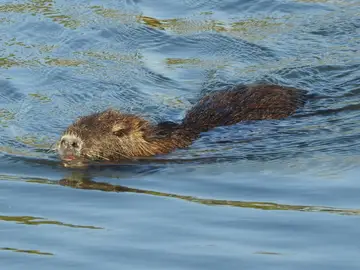
Photo: Sam Kieschnick · CC BY 4.0 · iNaturalist Myocastor coypus
Nonnative
Size Body 47 to 61 cm (about 1.5 to 2 ft) plus a tail of about 37 to 41 cm (USGS). Males reach about 20 lb and females 18 lb (USGS). CDFW: up to 2.5 ft body length, 12 to 18 inch tail, 20+ lb. How to recognize it White whiskers and a large, round, sparsely haired tail. Large dark-orange front teeth (incisors). Hind feet webbed on four of five toes. Full Nutria guide
No confirmed photo of Opossum Opossum Didelphis marsupialis
No confirmed photo of Pine Vole Pine Vole Microtus pinetorum
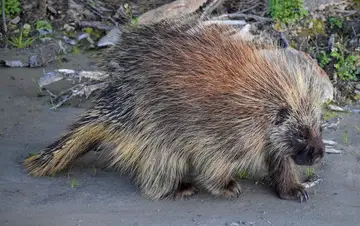
Photo: The Cosmonaut · CC BY-SA 2.5 ca · Wikimedia Commons · resized Erethizon dorsatum
Size Adults about 30 inches including a 6- to 10-inch tail, 9 to 15 pounds, older adults up to 20 pounds (Pennsylvania). Massachusetts: 25-31 inches, averaging 12 pounds in early spring to 20 in fall. Minnesota: 24 to 40 inches, 18 to 35 pounds. How to recognize it Coat of quills; up to 30,000 Only North American mammal with coat hairs modified as quills Short legs, long claws, high-arching back Full Porcupine guide
No confirmed photo of Pygmy Shrew Pygmy Shrew Sorex hoyii
Conservation Undetermined-Unknown (state nongame list) No confirmed photo of Pygmy Sperm Whale Pygmy Sperm Whale Kogia breviceps
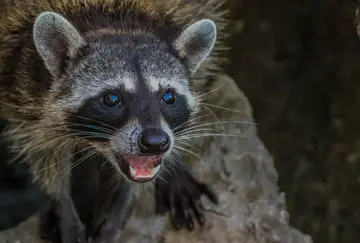
Photo: Marco Antonino Ramos Rodríguez · CC BY-SA 4.0 · Wikimedia Commons · resized Raccoon Procyon lotor
J F M A M J J A S O N D
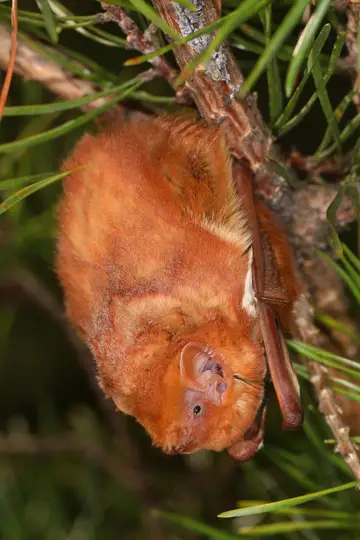
153 records by month. Photo: Judy Gallagher · CC BY-SA 4.0 · iNaturalist · resized Red Bat Lasiurus borealis
Conservation State Special Concern Photo: David Willingham · CC BY 4.0 · iNaturalist Red Fox Vulpes vulpes
J F M A M J J A S O N D
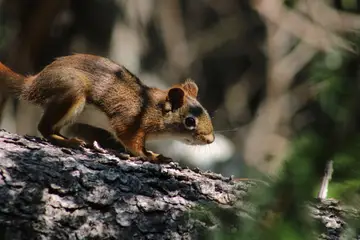
128 records by month. Photo: oksanaetal · CC BY 4.0 · iNaturalist Red Squirrel Tamiasciurus hudsonicus
No confirmed photo of Red-backed Mouse Red-backed Mouse Clethrionomys gapperi
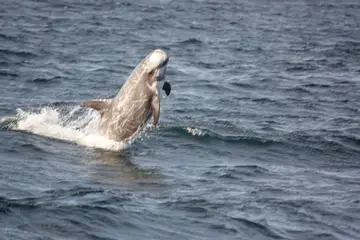
Photo: Lucy Keith-Diagne · CC BY 4.0 · iNaturalist Risso’s Dolphin Grampus griseus
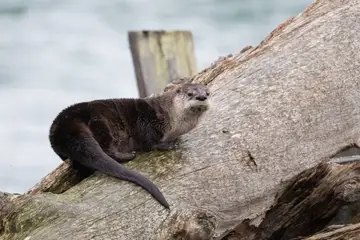
Photo: Adam Jackson · CC0 1.0 · iNaturalist River Otter Lutra canadensis
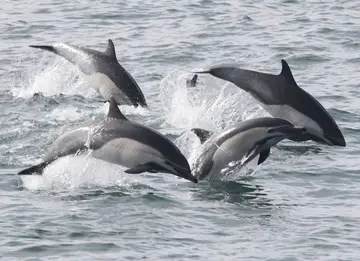
Photo: Cricket Raspet · CC BY 4.0 · iNaturalist Saddle-backed Dolphin Delphinus delphis
No confirmed photo of Sei Whale Sei Whale Balaenoptera borealis
No confirmed photo of Short-finned Pilot Whale Short-finned Pilot Whale Globicephala macrorhyncus
Conservation Undetermined-Unknown (state nongame list) No confirmed photo of Short-tailed Shrew Short-tailed Shrew Blarina brevicauda
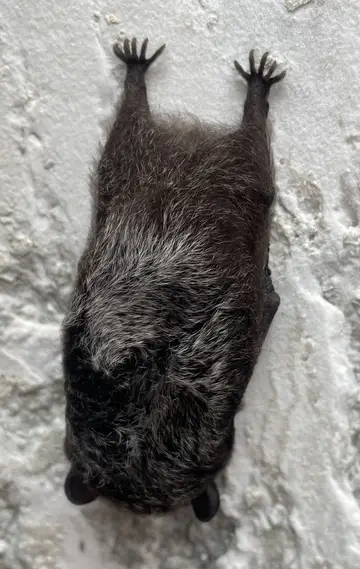
Photo: Sam Kieschnick · CC BY 4.0 · iNaturalist Silver-haired Bat Lasionycteris noctivagans
Conservation State Special Concern No confirmed photo of Smokey Shrew Smokey Shrew Sorex fumeus
Conservation Undetermined-Unknown (state nongame list) No confirmed photo of Southern Bog Lemming Southern Bog Lemming Synaptomys cooperi
Conservation Undetermined-Unknown (state nongame list) No confirmed photo of Southern Flying Squirrel Southern Flying Squirrel Glaucomys volans
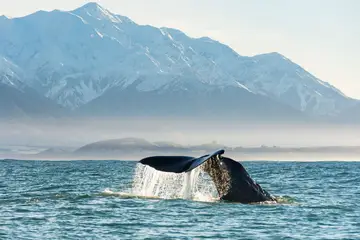
Photo: Whale Watch Kaikoura / Destination Kaikōura · CC BY 4.0 · Wikimedia Commons Sperm Whale Physeter macrocephalus
No confirmed photo of Spotted Dolphin Spotted Dolphin Stenella plagiodon
No confirmed photo of Star-nosed Mole Star-nosed Mole Condylura cristata
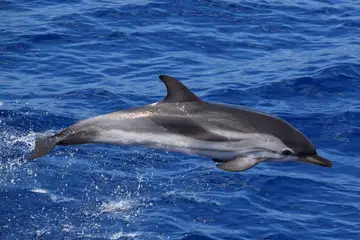
Photo: Wanax01 · CC BY-SA 4.0 · Wikimedia Commons · resized Striped Dolphin Stenella coeruleoalba
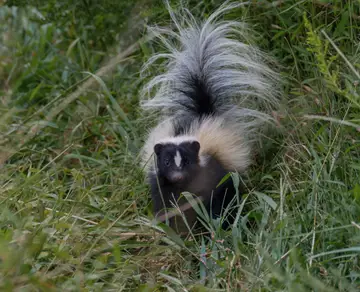
Conservation Undetermined-Unknown (state nongame list) Photo: Mirko Schoenitz · CC0 1.0 · iNaturalist Striped Skunk Mephitis mephitis
J F M A M J J A S O N D
48 records by month. No confirmed photo of True’s Beaked Whale True’s Beaked Whale Mesoplodon mirus
No confirmed photo of Tuckahoe Masked Shrew Tuckahoe Masked Shrew Sorex cinereus nigriculus
Conservation Undetermined-Unknown (state nongame list) No confirmed photo of Water Shrew Water Shrew Sorex palustris
Conservation Undetermined-Unknown (state nongame list) No confirmed photo of White-tailed Deer White-tailed Deer Odocoileus virginianus
J F M A M J J A S O N D
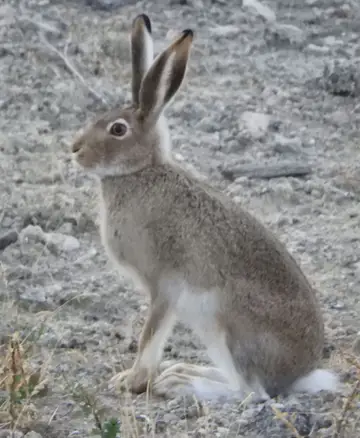
847 records by month. Photo: pachips · CC BY 4.0 · iNaturalist White-tailed Jackrabbit Lepus townsendii
Nonnative
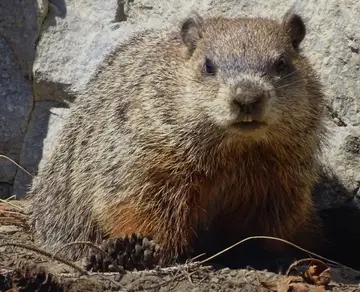
Photo: Shirley Zundell · CC BY 4.0 · iNaturalist Woodchuck Marmota monax
No confirmed photo of Woodland Jumping Mouse Woodland Jumping Mouse Napaeozapus insignis
Conservation Undetermined-Unknown (state nongame list) Mammals people confuse Nutria or Muskrat? Muskrats have dark whiskers, a nearly triangular (side-flattened) tail and weigh at most 5 pounds. CDFW says most nutria reports it receives are actually muskrats.
Photos show typical adults; individuals vary. Never get close to compare.
When mammals are active in New Jersey Records of mammals in New Jersey peak in March to August. They show when people record mammals, not how many there are (about month bars ).
Jan Feb Mar Apr May Jun Jul Aug Sep Oct Nov Dec
4,385 records of mammals in New Jersey by month (GBIF, CC0 and CC BY records). If you are bitten or stung Call 911 or Poison Help at 1-800-222-1222 right away. Poison Help connects you to your local poison center, any time of day.
Official advice from NJDEP Fish & Wildlife:
Black bears: secure garbage and other attractants; report bear damage or nuisance behavior to 1-877-WARN DEP. NJDEP Fish & Wildlife What official sources say Are there black bears in New Jersey? Yes. The population has grown since the 1980s and spread south and east from northwestern New Jersey. NJDEP Fish & Wildlife
“…there are now confirmed bear sightings in all 21 of New Jersey’s counties.” Sources New Jersey's Endangered, Threatened, and Special Concern Species . NJDEP Fish & Wildlife, ENSP. archived copy, captured August 25, 2026; checked November 3, 2026. Mammals of New Jersey (checklist) . NJDEP Division of Fish & Wildlife. updated December 10, 2004; checked November 3, 2026. New Jersey's Mammals . NJDEP Fish & Wildlife. archived copy, captured October 3, 2026; checked November 3, 2026. Black Bears in New Jersey . NJDEP Fish & Wildlife. archived copy, captured July 21, 2026; checked November 3, 2026. Quoted passages (4) “However, if you encounter a black bear in your neighborhood or outdoors while hiking or camping, follow these common-sense safety tips.” “Prevent bear encounters by securing garbage and other attractants.” “Black bears are not true hibernators and may be active throughout the year.” “…there are now confirmed bear sightings in all 21 of New Jersey’s counties.” GBIF.org occurrence records, human observations licensed CC0 1.0 or CC BY 4.0 only, accessed November 3, 2026. The datasets behind these counts are listed on our Sources page.