Invasive and nonnative animals in West Virginia
Last checked November 3, 2026 against official sources.
On this page
60 nonnative animals are named on 4 official lists for West Virginia: “West Virginia Invasive Species Strategic Plan and Voluntary Guidelines (Appendix B)” (WVDNR), “Non-Native Invasive Species” (WVDNR), “2021-2023 West Virginia Tick Surveillance Report” (WV Office of Epidemiology and Prevention Services) and “Nutria: Collections in West Virginia” (US Geological Survey).
The USGS Nonindigenous Aquatic Species database records an established population in West Virginia for 1 nonnative animal in the groups this guide covers.
To report a sighting, see how to report.
Being on a list of nonnative species does not always mean an animal is harmful or established: each list below is described in its source's terms. A sighting of a listed animal is still worth reporting to the agency.
West Virginia Invasive Species Strategic Plan and Voluntary Guidelines (Appendix B)
West Virginia Division of Natural Resources (WVDNR), 2014. 51 animals.
-
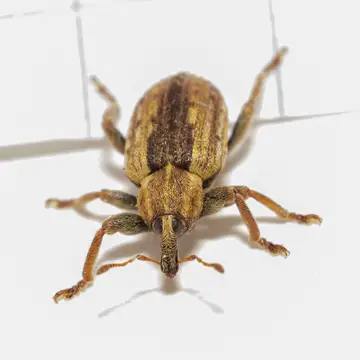
Photo: sentraevant · CC0 1.0 · iNaturalist Alfalfa weevil Hypera postica
-
Ambrosia/Bark beetle species Anisandrus maiche
-
Ambrosia/Bark beetle species Xyleborus pelliculosus
-
Ambrosia/Bark beetle species Xyleborus californicus
-
Ambrosia/Bark beetle species Ambrosiophilus atratus
-
Ambrosia/Bark beetle species Euwallacea validus
-
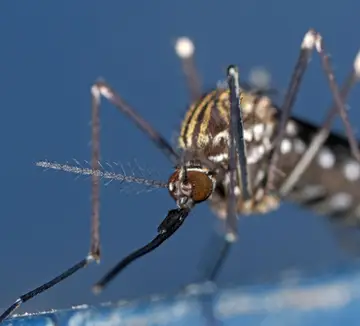
Photo: Chris Baer · CC BY 4.0 · iNaturalist Asian bush mosquito Aedes japonicus
-
Asian Clam Corbicula fluminea
-
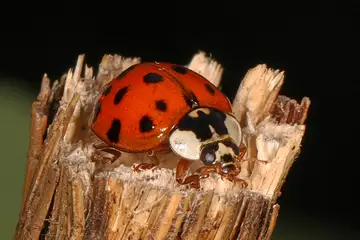
Photo: Judy Gallagher · CC BY 2.0 · Wikimedia Commons Asian Lady beetle Harmonia axyridis
-
Asian long‐horned beetle Anoplophora glabripennis
-
Asian tiger mosquito Aedes albopictus
-
Balsam Woolly Adelgid Adelges piceae
-
Banded Elm Bark Beetle Scolytus schevyrewi
-
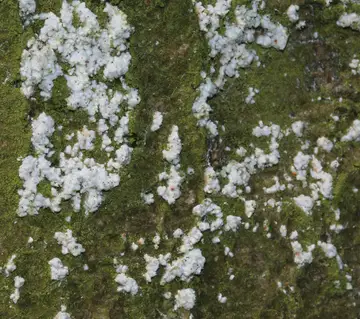
Photo: S. Rae from Scotland, UK · CC BY 2.0 · Wikimedia Commons Beech Scale Cryptococcus fagisuga
-
Bighead carp Hypophthalmichthys nobilis
-
Blueberry Maggot Rhagoletis mendax
-
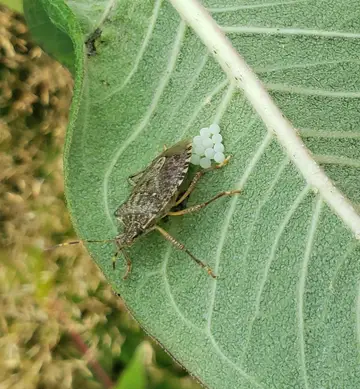
Photo: Alexa Hoffman · CC BY 4.0 · iNaturalist Brown Marmorated Stink Bug Halyomorpha halys
-
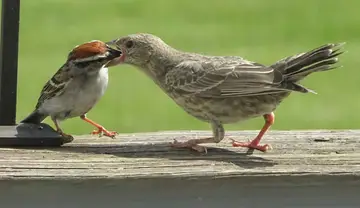
Photo: Shirley Zundell · CC BY 4.0 · iNaturalist Brown‐headed cowbird Molothrus ater
-
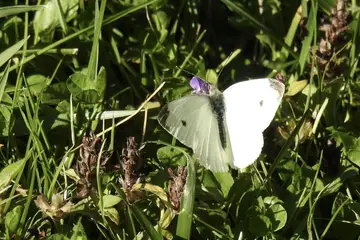
Photo: Nancy Clogston · CC0 1.0 · iNaturalist Cabbage White Pieris rapae
-
Chinese mystery snail Cipangopaludina chinensis malleata
-
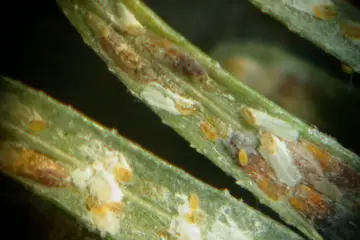
Photo: Eric R. Day, Virginia Polytechnic Institute and State University · CC BY 3.0 us · Wikimedia Commons Elongate Hemlock Scale Fiorina externa
-
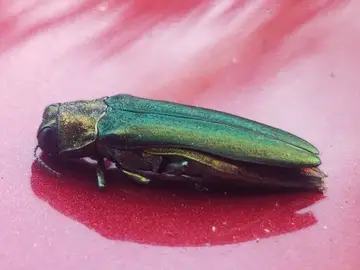
Photo: Brandon McCracken · CC BY 4.0 · iNaturalist Emerald Ash Borer Agrilus planipennis
-
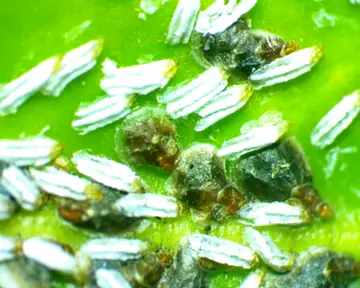
Photo: Ken Kneidel · CC0 1.0 · iNaturalist Euonymus scale Unaspis euonymi
-
European Corn Borer Ostrinia nubilalis
-
European Elm Bark Beetle Scolytus multistriatus
-
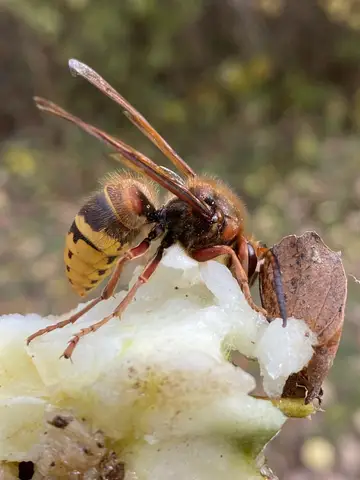
Photo: Dexter Hartsfield · CC BY 4.0 · iNaturalist European hornet Vespa crabro
-
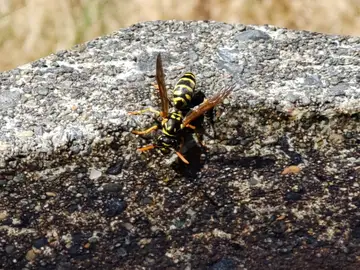
Photo: Gavin Slater · CC BY 4.0 · iNaturalist European Paper Wasp Polistes dominula
-
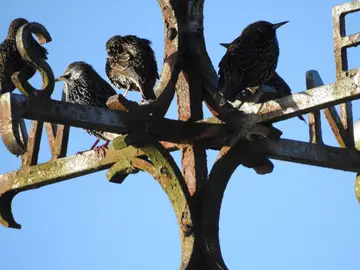
Photo: Surly Aardvark · CC0 1.0 · iNaturalist European starling Sturnus vulgaris
-
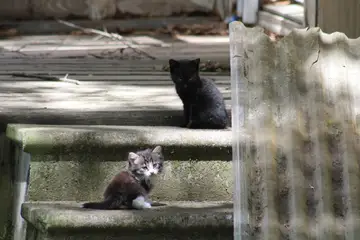
Photo: Sawyer Baran · CC BY 4.0 · iNaturalist Feral cat Felis catus
-
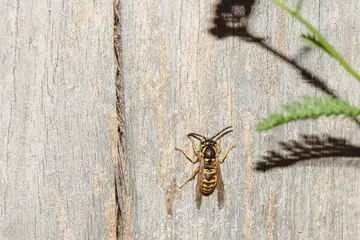
Photo: Flocci Nivis · CC BY 4.0 · Wikimedia Commons German Yellow Jacket Vespula germanica
-
Goldfish Carassius auratus
-
Granulate Ambosia Beetle Xylosandrous crassiusculus
-
Grass carp Ctenopharyngodon idella
-
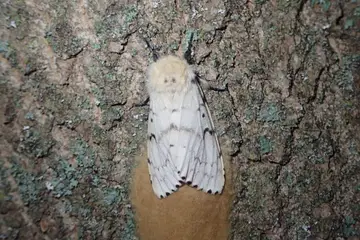
Photo: Emmett Collins-Sussman · CC BY 4.0 · iNaturalist Gypsy Moth Lymantria dispar
-
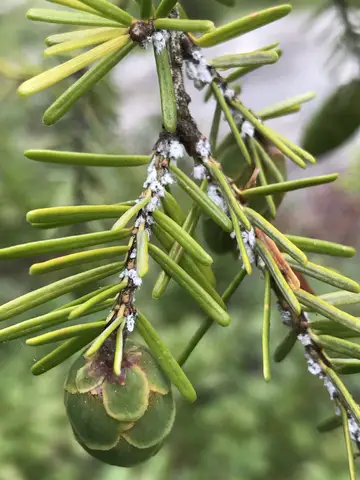
Photo: Alan Weakley · CC0 1.0 · iNaturalist Hemlock Woolly Adelgid Adelges tsugae
-
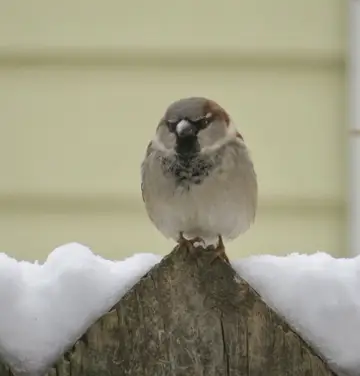
Photo: Sandy Wolkenberg · CC BY 4.0 · iNaturalist House sparrow Passer domesticus
-
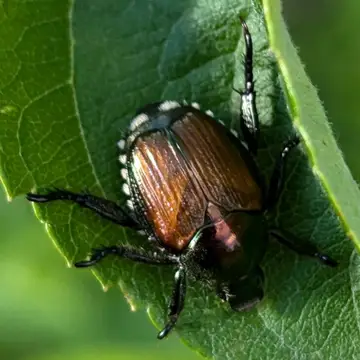
Photo: Emmett Collins-Sussman · CC BY 4.0 · iNaturalist Japanese Beetle Popillia japonica
-
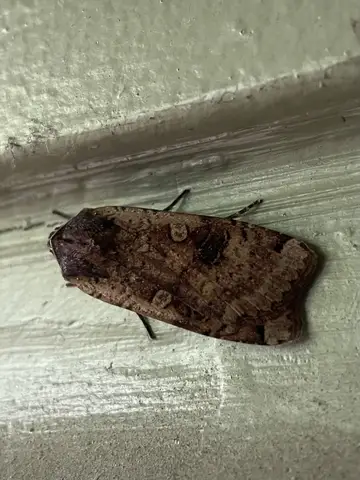
Photo: Amelia Tauber · CC BY 4.0 · iNaturalist Large yellow underwing Noctus pronuba
-
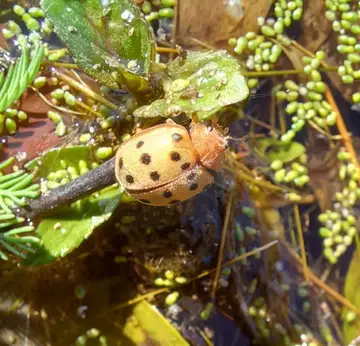
Photo: Even Dankowicz · CC BY 4.0 · iNaturalist Mexican Bean Beetle Epilachna varivestis
-
Mosquitofish Gambusia affinis
-
Northern snakehead Channa argus
-
Pine Shoot Beetle Tomicus piniperda
-
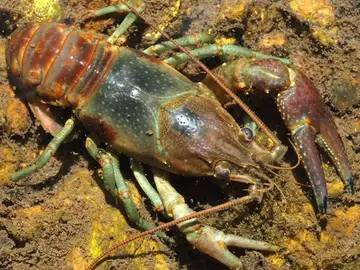
Photo: Peterwchen · CC BY-SA 4.0 · Wikimedia Commons · resized Rusty crayfish Orconectes rusticus
-
Silver carp Hypophthalmichthys molitrix
-
Soybean Aphid Aphis glycines
-
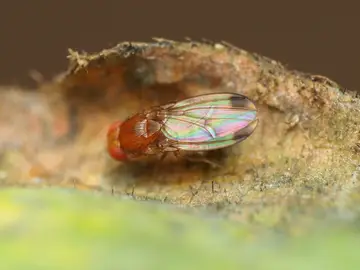
Photo: Katja Schulz · CC BY 4.0 · iNaturalist Spotted Wing Drosophila Drosophila suzukii
-
Virile crayfish Orconectes virilis
-
Walnut twig beetle Pityophthorus juglandis
-
White Fringed Beetle Naupactus leucoloma
-
Yellow‐fever mosquito Aedes aegypti
-
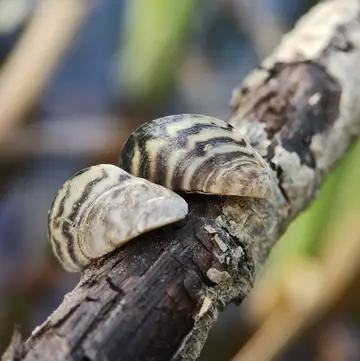
Photo: Harukano · CC0 1.0 · iNaturalist Zebra mussel Dreissena polymorpha


Non-Native Invasive Species
West Virginia Division of Natural Resources (WVDNR), WordPress modified 2026-04-13. 7 animals.
-
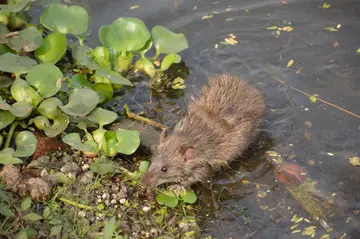
Photo: Biswarup Ganguly · CC BY 3.0 · Wikimedia Commons Brown Rat Rattus norvegicus
-
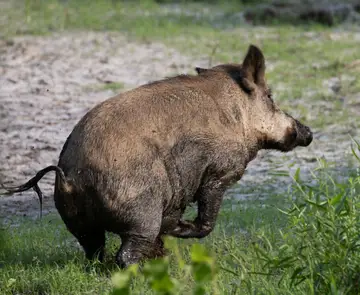
Photo: Cullen Hanks · CC BY 4.0 · iNaturalist Feral Hog
Destructive and aggressive feral hogs are a growing problem in southern West Virginia WVDNR
-
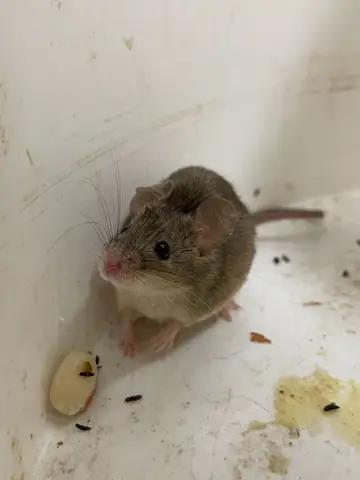
Photo: Emily Langdon-Lassagne · CC0 1.0 · iNaturalist House Mouse Mus musculus
-
Invasive Carp
-
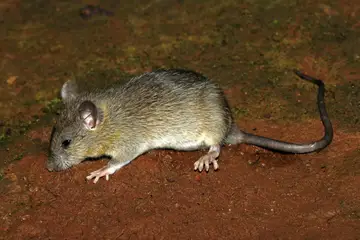
Photo: Davidvraju · CC0 · Wikimedia Commons Roof Rat Rattus rattus
-
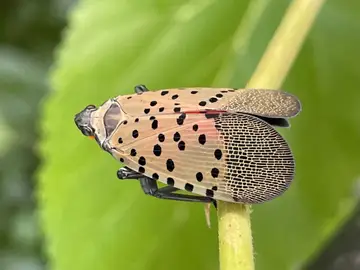
Photo: Isaac Caswell · CC0 1.0 · iNaturalist Spotted Lanternfly
The presence of spotted lanternfly in West Virginia was confirmed in Berkeley County WVDNR
-
Zebra Mussels and Rusty Crayfish


2021-2023 West Virginia Tick Surveillance Report
WV Office of Epidemiology and Prevention Services, covers 2021-2023. 1 animal.
-
Asian Longhorned Tick Haemaphysalis longicornis
Nutria: Collections in West Virginia
U.S. Geological Survey, database queried November 3, 2026. 1 animal.
-
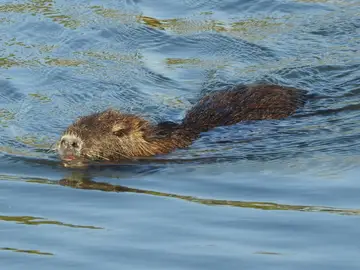
Photo: Sam Kieschnick · CC BY 4.0 · iNaturalist Nutria Myocastor coypus
Wyoming County (Saulsville), 2012 USGS record US Geological Survey
Established in West Virginia, per USGS records
The U.S. Geological Survey's Nonindigenous Aquatic Species (NAS) database tracks nonnative aquatic animals. These have at least one record with the status "established" in West Virginia, which USGS defines as a population showing evidence of reproduction and overwinter survival.
| Animal | Group | First record | Latest record | Counties |
|---|---|---|---|---|
| Nutria Myocastor coypus | Mammals | 2012 | 2012 | 1 |
Source: U.S. Geological Survey. [2026]. Nonindigenous Aquatic Species Database. Gainesville, Florida. Accessed [11/3/2026]. "Native Transplant" animals are native elsewhere in the US but not in West Virginia.
How to report a sighting in West Virginia
Report wildlife violations to any WVDNR district office or (844) 484-7367. Report sick or dead wildlife to a local district office. For nuisance wildlife, consult a WVDNR biologist or Natural Resources Police Officer, or hire a licensed Wildlife Damage Control Agent. For pest questions, WVDA Plant Industries Division: (304) 558-2212. No dedicated WVDNR invasive-species sighting line was found. WVDNR
Do not try to catch or handle the animal. A photo taken from a safe distance, the place and the date help the agency.
Sources
- Non-Native Invasive Species. West Virginia Division of Natural Resources (WVDNR). WordPress modified 2026-04-13; checked November 3, 2026.
Quoted passages (5)
“Invasive rodents such as roof rats (Rattus rattus), brown rats (Rattus norvegicus), and the house mouse (Mus musculus)”
“Feral hogs destroy agricultural fields and tear up the forest floor when foraging for roots and invertebrates in the soil.”
“Invasive carp compete with and prey upon native fish species and can pose a serious threat to anglers by leaping out of the water when disturbed.”
“Invasive insect pests include the emerald ash borer, spotted lanternfly, hemlock woolly adelgid, and spongy moth.”
“Aquatic invasive species like zebra mussels, hydrilla, and rusty crayfish negatively impact aquatic communities”
- Nutria: Collections in West Virginia. U.S. Geological Survey. database queried November 3, 2026; checked November 3, 2026.
- West Virginia Invasive Species Strategic Plan and Voluntary Guidelines (Appendix B). West Virginia Division of Natural Resources (WVDNR). 2014; checked November 3, 2026.
Quoted passages (40)
“Insects Alfalfa weevil Hypera postica”
“Insects Ambrosia/Bark beetle species Anisandrus maiche”
“Insects Ambrosia/Bark beetle species Xyleborus pelliculosus”
“Insects Ambrosia/Bark beetle species Xyleborus californicus”
“Insects Ambrosia/Bark beetle species Ambrosiophilus atratus”
“Insects Ambrosia/Bark beetle species Euwallacea validus”
“Insects Asian bush mosquito Aedes japonicus”
“Mollusks‐Bivalves Asian Clam Corbicula fluminea”
“Insects Asian Lady beetle Harmonia axyridis”
“Insects Asian long‐horned beetle* Anoplophora glabripennis*”
“Insects Asian tiger mosquito Aedes albopictus”
“Insects Balsam Woolly Adelgid Adelges piceae”
“Insects Banded Elm Bark Beetle Scolytus schevyrewi”
“Insects Beech Scale Cryptococcus fagisuga”
“Fishes Bighead carp Hypophthalmichthys nobilis”
“Insects Blueberry Maggot Rhagoletis mendax”
“Insects Brown Marmorated Stink Bug Halyomorpha halys”
“Birds Brown‐headed cowbird Molothrus ater”
“Insects Cabbage White Pieris rapae”
“Mollusks‐Gastropods Chinese mystery snail Cipangopaludina chinensis malleata”
“Insects Elongate Hemlock Scale Fiorina externa”
“Insects Emerald Ash Borer Agrilus planipennis”
“Insects Euonymus scale Unaspis euonymi”
“Insects European Corn Borer Ostrinia nubilalis”
“Insects European Elm Bark Beetle Scolytus multistriatus”
“Insects European hornet Vespa crabro”
“Insects European Paper Wasp Polistes dominula”
“Birds European starling Sturnus vulgaris”
“Mammals Feral cat Felis catus”
“Insects German Yellow Jacket Vespula germanica”
“Fishes Goldfish Carassius auratus”
“Insects Granulate Ambosia Beetle Xylosandrous crassiusculus”
“Fishes Grass carp Ctenopharyngodon idella”
“Insects Gypsy Moth Lymantria dispar”
“Insects Hemlock Woolly Adelgid Adelges tsugae”
“Birds House sparrow Passer domesticus”
“Insects Japanese Beetle Popillia japonica”
“Insects Large yellow underwing Noctus pronuba”
“Insects Mexican Bean Beetle Epilachna varivestis”
“Fishes Mosquitofish Gambusia affinis”
- 2021-2023 West Virginia Tick Surveillance Report. WV Office of Epidemiology and Prevention Services. covers 2021-2023; checked November 3, 2026.
Quoted passages (1)
“…invasive tick species (e.g., Asian longhorned tick, Haemaphysalis longicornis)”
- West Virginia Reptile and Amphibian Regulations (summary). West Virginia Division of Natural Resources (WVDNR). 05/2023; checked November 3, 2026.
Quoted passages (1)
“Citizens may report violations to any DNR district office or call (844) 484-7367.”
- U.S. Geological Survey. [2026]. Nonindigenous Aquatic Species Database. Gainesville, Florida. Accessed [11/3/2026].