This page lists 26 insects and 5 ticks: 8 from West Virginia Poison Center, West Virginia University's Bites & Stings; West Virginia Invasive Species Strategic Plan Appendix B; Ticks and 23 named in other official sources.
9 are venomous by official accounts. 13 are nonnative.
Not every species: no complete official list of West Virginia insects exists, so this page covers the ones state and Extension sources name. How lists are built.
Which insects can hurt you
Official sources single out these insects in West Virginia, in their own words:
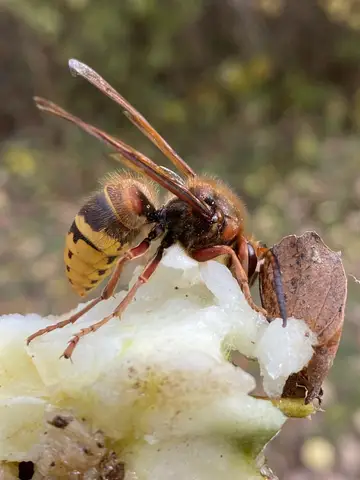
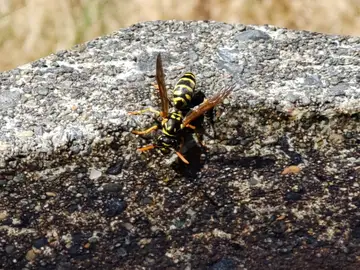
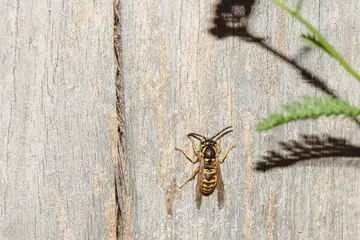
Bees, wasps, yellow jackets and hornets
Stings can cause anaphylaxis, a potentially life-threatening emergency. “A severe reaction, also known as anaphylaxis, is a potentially life-threatening emergency and requires immediate attention.” West Virginia Department of Health
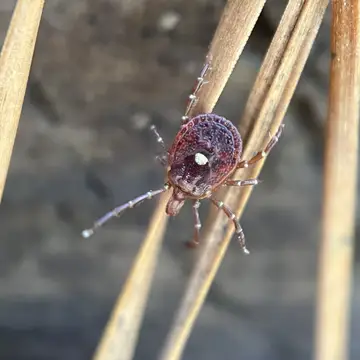
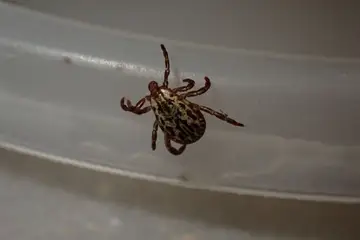
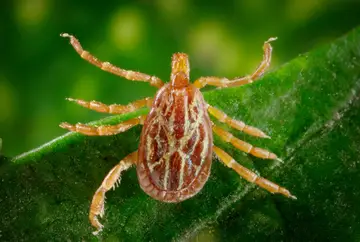
Vector of ehrlichiosis in West Virginia. “The geographic distribution of ehrlichiosis cases in humans (E. chaffeensis, E. ewingii) reflected the geographic distribution of its tick vector, the lone star tick.” WV Office of Epidemiology and Prevention Services
All 26 insects and 5 ticks
Venomous species first, then A to Z. Do not handle them.
Venom: “These animals use poisonous venom as a means to capture prey or defending of themselves or nesting areas.” (West Virginia Poison Center, West Virginia University)
No confirmed photo of Hagmoth Caterpillar (Monkey Slug)
Venom: “These animals use poisonous venom as a means to capture prey or defending of themselves or nesting areas.” (West Virginia Poison Center, West Virginia University)
Venom: “Stinging or biting insects include bees, wasps, hornets, and fire ants. … People who are allergic to venom may experience anaphylaxis, a severe and potentially life-threatening allergic reaction that requires immediate emergency care.” (NIOSH)
Venom: “These animals use poisonous venom as a means to capture prey or defending of themselves or nesting areas.” (West Virginia Poison Center, West Virginia University)
Venom: “These animals use poisonous venom as a means to capture prey or defending of themselves or nesting areas.” (West Virginia Poison Center, West Virginia University)
Venom: “These animals use poisonous venom as a means to capture prey or defending of themselves or nesting areas.” (West Virginia Poison Center, West Virginia University)
Venom: “These animals use poisonous venom as a means to capture prey or defending of themselves or nesting areas.” (West Virginia Poison Center, West Virginia University)
Venom: “These animals use poisonous venom as a means to capture prey or defending of themselves or nesting areas.” (West Virginia Poison Center, West Virginia University)
Venom: “Stinging or biting insects include bees, wasps, hornets, and fire ants. … People who are allergic to venom may experience anaphylaxis, a severe and potentially life-threatening allergic reaction that requires immediate emergency care.” (NIOSH)
No official source we use states whether this animal is venomous. That does not mean it is harmless: do not handle it.
Size
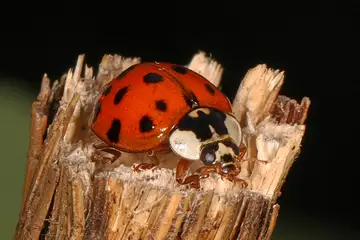
About 1/4 to 1/3 in long; Penn State gives 9/32 in (7 mm) long, larger than most native lady beetles.
How to recognize it
Black mark behind the head, the most reliable identifying feature per Minnesota Extension, which describes it as an M. Penn State and Iowa State describe it as a W, and it may look thick, thin, broken or filled in. It can be hard to see on dark beetles.
Dome-shaped, oval body
Releases a smelly yellow fluid from the leg joints when disturbed, which can stain surfaces
No official source we use states whether this animal is venomous. That does not mean it is harmless: do not handle it.
Size
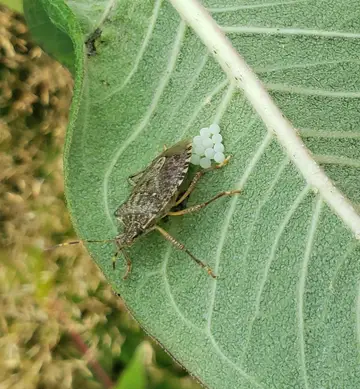
Adults about 5/8 inch (about 17 mm) long; shield-shaped, almost as wide as long.
How to recognize it
Two white bands on the antennae; blunt front edge of head; smooth shoulder margin; dark bands at the tip of the membranous forewings; banded abdominal edge visible beside the wings
Smooth (not spiny) shoulders; slightly larger than most native stink bugs
No official source we use states whether this animal is venomous. That does not mean it is harmless: do not handle it.
Danger to people
“The geographic distribution of ehrlichiosis cases in humans (E. chaffeensis, E. ewingii) reflected the geographic distribution of its tick vector, the lone star tick.” WV Office of Epidemiology and Prevention Services
Venom: “The majority of fuzzy caterpillars are not toxic. These caterpillars trick their prey by looking like caterpillars that do sting. A classic example in West Virginia is the woolley bear caterpillar.” (West Virginia Poison Center, West Virginia University)
Do not pick up or handle wildlife; handling can expose you to rabies, roundworms and ticks. WVDNR
How to report
Report wildlife violations to any WVDNR district office or (844) 484-7367. Report sick or dead wildlife to a local district office. For nuisance wildlife, consult a WVDNR biologist or Natural Resources Police Officer, or hire a licensed Wildlife Damage Control Agent. For pest questions, WVDA Plant Industries Division: (304) 558-2212. No dedicated WVDNR invasive-species sighting line was found. WVDNR
Wildlife Diseases in West Virginia. West Virginia Division of Natural Resources (WVDNR). WordPress modified 2026-06-25; checked November 3, 2026.
Bites & Stings. West Virginia Poison Center, West Virginia University. undated page; checked November 3, 2026.Quoted passages (6)
“These animals use poisonous venom as a means to capture prey or defending of themselves or nesting areas.”
“…it is the caterpillar notorious for causing the most amount of pain for the longest amount of time”
“The majority of fuzzy caterpillars are not toxic. These caterpillars trick their prey by looking like caterpillars that do sting. A classic example in West Virginia is the woolley bear caterpillar.”
“Have an Emergency? Call 1-800-222-1222”
“…the best rule of thumb is to avoid touching any caterpillar with barbs or hairs”
“Bites and stings usually occur during the warmer months.”
“A severe reaction, also known as anaphylaxis, is a potentially life-threatening emergency and requires immediate attention.”
“If you experience any of the above symptoms related to anaphylaxis following a bee sting, call 911 or go to the nearest emergency room immediately.”
Insects and Scorpions at Work. CDC / National Institute for Occupational Safety and Health (NIOSH). archived copy, captured October 4, 2026; checked November 3, 2026.Archived copy. Quoted passages (1)
“Stinging or biting insects include bees, wasps, hornets, and fire ants. … People who are allergic to venom may experience anaphylaxis, a severe and potentially life-threatening allergic reaction that requires immediate emergency care.”
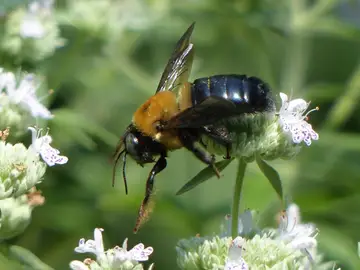
Carpenter Bee. West Virginia University Extension. undated page; checked November 3, 2026.
Ticks. West Virginia University Extension. undated page; checked November 3, 2026.
Nature Care: Leave Young Wildlife Alone. West Virginia Division of Natural Resources (WVDNR). posted 2023-07-07; checked November 3, 2026.Quoted passages (2)
“Lyme disease is caused by the bite of a black-legged deer tick, which carries the disease.”
“The handling of wildlife also can increase the risk of transmitting rabies, roundworms or other parasites, such as ticks, to the person handling the animal.”
“The geographic distribution of ehrlichiosis cases in humans (E. chaffeensis, E. ewingii) reflected the geographic distribution of its tick vector, the lone star tick.”
Spotted Lanternfly. West Virginia University Extension. undated page; checked November 3, 2026.
Cicadas. West Virginia University Extension. undated page; checked November 3, 2026.