Invasive and nonnative animals in Tennessee
Last checked November 3, 2026 against official sources.
On this page
- Mammals » Bats, Large, Medium, Small (Tennessee Watchable Wildlife species accounts)
- Birds » Tennessee's Birds (Tennessee Watchable Wildlife species accounts)
- W1415 Jorō Spider
- History | Fire Ants in Tennessee
- Vector-Borne Diseases
- Nonindigenous Aquatic Species: Tennessee reptile and amphibian records
- USGS established records
- How to report
- Sources
17 nonnative animals are named on 6 official lists for Tennessee: “Mammals » Bats, Large, Medium, Small (Tennessee Watchable Wildlife species accounts)” (Tennessee Wildlife Resources Agency), “Birds » Tennessee's Birds (Tennessee Watchable Wildlife species accounts)” (Tennessee Wildlife Resources Agency), “W1415 Jorō Spider” (University of Tennessee Extension), “History | Fire Ants in Tennessee” (University of Tennessee Institute of Agriculture), “Vector-Borne Diseases” (Tennessee Department of Health) and “Nonindigenous Aquatic Species: Tennessee reptile and amphibian records” (US Geological Survey).
The USGS Nonindigenous Aquatic Species database records an established population in Tennessee for 1 nonnative animal in the groups this guide covers.
To report a sighting, see how to report.
Being on a list of nonnative species does not always mean an animal is harmful or established: each list below is described in its source's terms. A sighting of a listed animal is still worth reporting to the agency.
Mammals » Bats, Large, Medium, Small (Tennessee Watchable Wildlife species accounts)
Tennessee Wildlife Resources Agency (Tennessee Watchable Wildlife website), undated page. 5 animals.
-
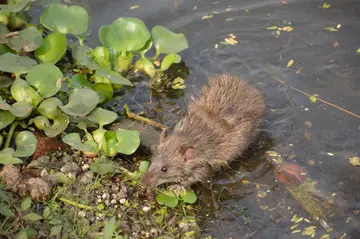
Photo: Biswarup Ganguly · CC BY 3.0 · Wikimedia Commons Brown Rat Rattus norvegicus
The Brown Rat, which is very similar to the Roof Rat, occurs all across the state. It is also known as the Norway Rat, Common Rat, or Sewer Rat. Tennessee Wildlife Resources Agency
-
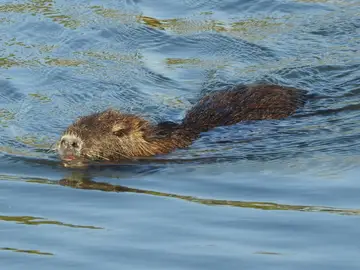
Photo: Sam Kieschnick · CC BY 4.0 · iNaturalist Coypu (Nutria) Myocastor coypus
This semi-aquatic rodent, which was originally introduced in Louisiana in the 1930's from South America, has spread northward and occurs in western Tennessee. It is more commonly known as the Nutria or "River Rat." Tennessee Wildlife Resources Agency
-
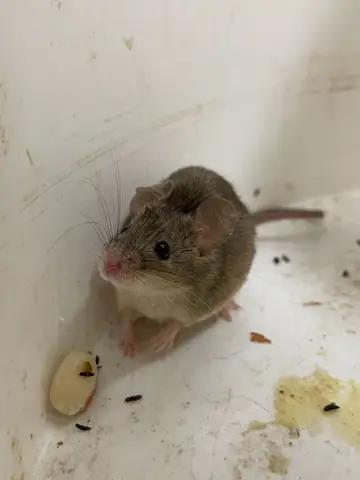
Photo: Emily Langdon-Lassagne · CC0 1.0 · iNaturalist House Mouse Mus musculus
The House Mouse, which is probably the most well-known rodent, is found state-wide in Tennessee. Tennessee Wildlife Resources Agency
-
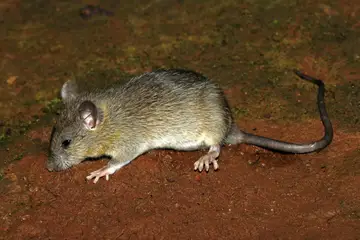
Photo: Davidvraju · CC0 · Wikimedia Commons Roof Rat Rattus rattus
The Roof Rat, which is very similar to the Brown Rat, occurs all across the state. It is also known as the Black Rat, House Rat, or Ship Rat. Tennessee Wildlife Resources Agency
-
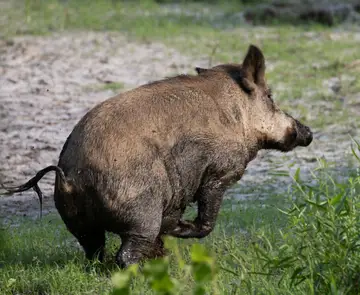
Photo: Cullen Hanks · CC BY 4.0 · iNaturalist Wild Hog Sus scrofa
Wild Pigs, which were originally introduced from Europe into the United States as a big game species, can be found in many areas of Tennessee. Tennessee Wildlife Resources Agency


Birds » Tennessee's Birds (Tennessee Watchable Wildlife species accounts)
Tennessee Wildlife Resources Agency (Tennessee Watchable Wildlife website), undated page. 6 animals.
-
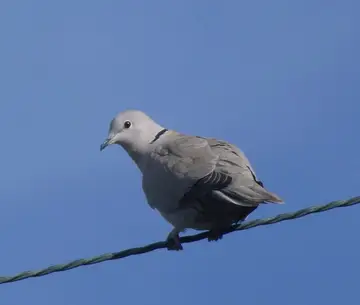
Photo: Laura Liedtke · CC BY 4.0 · iNaturalist Eurasian Collared-Dove Streptopelia decaocto
-
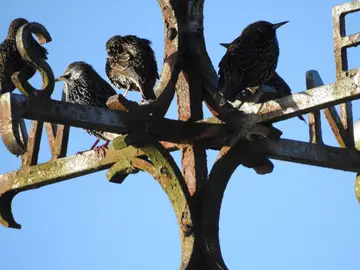
Photo: Surly Aardvark · CC0 1.0 · iNaturalist European Starling Sturnus vulgaris
-
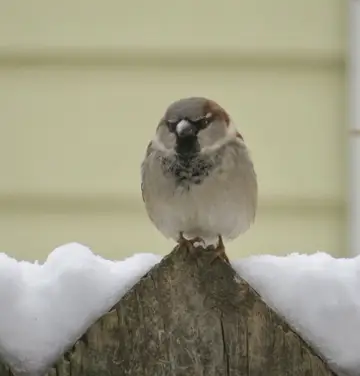
Photo: Sandy Wolkenberg · CC BY 4.0 · iNaturalist House Sparrow Passer domesticus
-
Muscovy Duck Cairina moschata
-

Photo: Laura Mae · CC BY 4.0 · iNaturalist Mute Swan Cygnus olor
-
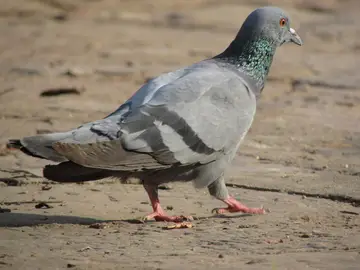
Photo: Abhipalsinghjadon1 · CC BY-SA 4.0 · Wikimedia Commons · resized Rock Pigeon Columba livia

W1415 Jorō Spider
University of Tennessee Extension (UT Institute of Agriculture), W1415 08/26 [August 2026]. 1 animal.
-
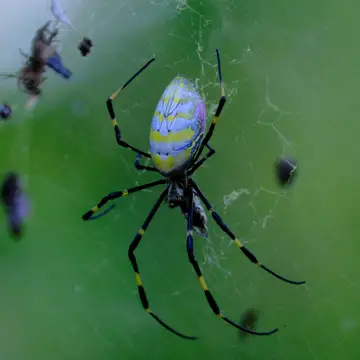
Photo: Amit Naik · CC BY 4.0 · iNaturalist Jorō Spider Trichonephila clavata
Hamilton and Bradley counties (first Tennessee records, October 2021) University of Tennessee Extension
History | Fire Ants in Tennessee
University of Tennessee Institute of Agriculture, undated page. 2 animals.
-
Black Imported Fire Ant Solenopsis richteri
Southern Tennessee (range remains limited to northeastern Mississippi, northwestern Alabama and southern Tennessee) University of Tennessee Institute of Agriculture
-
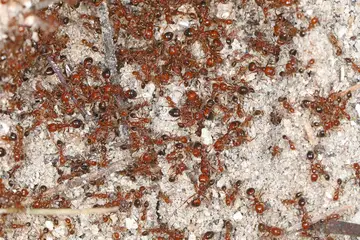
Photo: Judy Gallagher · CC BY 2.0 · Wikimedia Commons Red Imported Fire Ant Solenopsis invicta

Vector-Borne Diseases
Tennessee Department of Health, archived copy, captured August 6, 2026. 1 animal.
-
Asian Longhorned Tick Haemaphysalis longicornis
Distributed: Eastern U.S.; recently found in eastern Tennessee Tennessee Department of Health
Nonindigenous Aquatic Species: Tennessee reptile and amphibian records
U.S. Geological Survey, database accessed 2026-11-03. 2 animals.
-
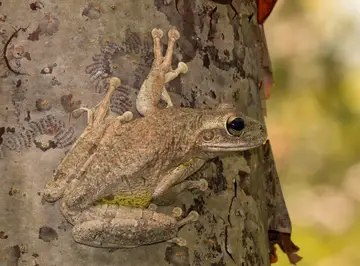
Photo: Charles J. Sharp · CC BY-SA 4.0 · Wikimedia Commons · resized Cuban Treefrog Osteopilus septentrionalis
USGS NAS Tennessee records include Bedford, Hamilton, Rhea, Sevier and Shelby counties, 2013 to 2024; status field blank. NAS lists nonindigenous records; it does not call this population established. US Geological Survey
-
Mesoamerican Cane Toad Rhinella horribilis
One USGS NAS Tennessee record, Madison County 2020, status "failed" (not established). US Geological Survey

Established in Tennessee, per USGS records
The U.S. Geological Survey's Nonindigenous Aquatic Species (NAS) database tracks nonnative aquatic animals. These have at least one record with the status "established" in Tennessee, which USGS defines as a population showing evidence of reproduction and overwinter survival.
| Animal | Group | First record | Latest record | Counties |
|---|---|---|---|---|
| Nutria Myocastor coypus | Mammals | 1996 | 2021 | 4 |
Source: U.S. Geological Survey. [2026]. Nonindigenous Aquatic Species Database. Gainesville, Florida. Accessed [11/3/2026]. "Native Transplant" animals are native elsewhere in the US but not in Tennessee.
How to report a sighting in Tennessee
TWRA "Report Wildlife Encounters, Incidents, or Illness" page (https://www.tn.gov/twra/wildlife/report-wildlife.html): bear conflicts (800) 831-1174; online forms for bear sightings, sick deer, and dead or sick birds. Rare birds: [email protected] (2013 checklist). Aquatic invasive species: TWRA directs people to its Invasive Fish Species page. Tennessee Wildlife Resources Agency
Do not try to catch or handle the animal. A photo taken from a safe distance, the place and the date help the agency.
Sources
- Mammals » Bats, Large, Medium, Small (Tennessee Watchable Wildlife species accounts). Tennessee Wildlife Resources Agency (Tennessee Watchable Wildlife website). undated page; checked November 3, 2026.
Quoted passages (5)
“Brown Rat (Introduced) — Rattus norvegicus — The Brown Rat, which is very similar to the Roof Rat, occurs all across the state. It is also known as the Norway Rat, Common Rat, or Sewer Rat.”
“Coypu (Nutria) Introduced — Myocastor coypus — This semi-aquatic rodent, which was originally introduced in Louisiana in the 1930's from South America, has spread northward and occurs in western Tennessee. It is more commonly known as the Nutria or "River Rat."”
“House Mouse (Introduced) — Mus musculus — The House Mouse, which is probably the most well-known rodent, is found state-wide in Tennessee.”
“Roof Rat (Introduced) — Rattus rattus — The Roof Rat, which is very similar to the Brown Rat, occurs all across the state. It is also known as the Black Rat, House Rat, or Ship Rat.”
“These pigs have recently been removed from big game status to a non-protected nuisance animal marked for eradication.”
- W1415 Jorō Spider. University of Tennessee Extension (UT Institute of Agriculture). W1415 08/26 [August 2026]; checked November 3, 2026.
Quoted passages (1)
“The Jorō spider (Trichonephila clavata Koch) is a species of orb-weaver spider native to Japan, Korea, China, Indochina and Nepal (6). … In Tennessee, the first two counties where Jorō spiders were found were Hamilton and Bradley counties in October 2021.”
- History | Fire Ants in Tennessee. University of Tennessee Institute of Agriculture. undated page; checked November 3, 2026.
Quoted passages (2)
“The black imported fire ant, Solenopsis richteri Forel, had also been accidentally introduced into Mobile a few decades earlier, but the range of this species remains limited to northeastern Mississippi, northwestern Alabama and southern Tennessee.”
“About 89 years ago, the red imported fire ant, Solenopsis invicta Buren, was accidentally brought into Mobile, Alabama from South America.”
- Vector-Borne Diseases. Tennessee Department of Health. archived copy, captured August 6, 2026; checked November 3, 2026.
Quoted passages (1)
“Notes: Invasive species that can reproduce quickly and cause infestations”
- Nonindigenous Aquatic Species: Tennessee reptile and amphibian records. U.S. Geological Survey. database accessed 2026-11-03; checked November 3, 2026.
- Birds » Tennessee's Birds (Tennessee Watchable Wildlife species accounts). Tennessee Wildlife Resources Agency (Tennessee Watchable Wildlife website). undated page; checked November 3, 2026.
Quoted passages (6)
“The Eurasian Collared-Dove was inadvertently introduced into the Bahamas in the mid-1970s.”
“They are all descendants of the 100 birds released in New York's Central Park in the early 1890s by a group dedicated to introducing all of the birds mentioned in Shakespeare's plays into America.”
“Passer domesticus The House Sparrow is an Old World sparrow that was introduced into Brooklyn, New York in 1851.”
“In Tennessee it is an exotic, non-native species that occasionally breeds in the state.”
“The Mute Swan is an exotic species in North America.”
“The Rock Pigeon, formerly known as the Rock Dove, was introduced to North America in the early 17th-century by colonists on the Atlantic coast and is now a common sight in urban areas from southern Alaska across North America to the tip of South America.”
- Report Wildlife Encounters, Incidents, or Illness. Tennessee Wildlife Resources Agency. archived copy, captured August 11, 2026; checked November 3, 2026.
Quoted passages (1)
“To report bear conflicts, call (800) 831-1174”
- U.S. Geological Survey. [2026]. Nonindigenous Aquatic Species Database. Gainesville, Florida. Accessed [11/3/2026].