Invasive and nonnative animals in Kansas
Last checked November 3, 2026 against official sources.
3 nonnative animals are named on an official list for Kansas: “Aquatic Invasive Species (KDWP)” (Kansas Department of Wildlife and Parks).
To report a sighting, see how to report.
Being on a list of nonnative species does not always mean an animal is harmful or established: each list below is described in its source's terms. A sighting of a listed animal is still worth reporting to the agency.
Aquatic Invasive Species (KDWP)
Kansas Department of Wildlife and Parks, undated page. 3 animals.
-
Invasive carp (silver, bighead, black and grass carp)
Kansas waters Kansas Department of Wildlife and Parks
-
White Perch
Kansas waters Kansas Department of Wildlife and Parks
-
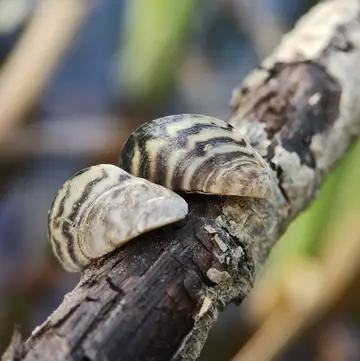
Photo: Harukano · CC0 1.0 · iNaturalist Zebra Mussel
Kansas lakes and rivers (KDWP lists AIS Designated Waters) Kansas Department of Wildlife and Parks
How to report a sighting in Kansas
Report mountain lion, bear or wolf sightings and threatened, endangered, SINC or rare species to KDWP (Wildlife Sightings page; Pratt Operations Office, 512 SE 25th Avenue, Pratt, KS 67124, 620-672-5911). Nuisance wildlife: KDWP lists Nuisance Wildlife Damage Control permit holders. Kansas Department of Wildlife and Parks
Do not try to catch or handle the animal. A photo taken from a safe distance, the place and the date help the agency.
Sources
- Aquatic Invasive Species (KDWP). Kansas Department of Wildlife and Parks. undated page; checked November 3, 2026.
Quoted passages (3)
“Silver carp, bighead carp, black carp, and grass carp are all invasive in Kansas.”
“White perch are native to the Atlantic coast of North America, but it's unclear how they came to Kansas.”
“Zebra mussels are named for the dark and white patter on their shells.”
- Wildlife Sightings (KDWP). Kansas Department of Wildlife and Parks. undated page; checked November 3, 2026.
Quoted passages (1)
“If you observe a threatened or endangered species, a species in need of conservation, or a rare species in a new location, please report it to KDWP.”