Invasive and nonnative animals in Connecticut
Last checked November 3, 2026 against official sources.
On this page
9 nonnative animals are named on 6 official lists for Connecticut: “Spotted Lanternfly” (Connecticut Department of Energy and Environmental Protection (DEEP), Forestry), “Invasive Species” (DEEP), “NAS species list: nonindigenous reptiles, Connecticut” (US Geological Survey, Nonindigenous Aquatic Species database), “Online Guide to the Amphibians and Reptiles of Connecticut (G. J. Watkins-Colwell, editor)” (Herpetology), “Cottontail Rabbits (Wildlife Fact Sheet)” (Connecticut Department of Energy and Environmental Protection (DEEP), Wildlife Division) and “Common Caiman - Collections (Connecticut)” (US Geological Survey, Nonindigenous Aquatic Species database).
To report a sighting, see how to report.
Being on a list of nonnative species does not always mean an animal is harmful or established: each list below is described in its source's terms. A sighting of a listed animal is still worth reporting to the agency.
Spotted Lanternfly
Connecticut Department of Energy and Environmental Protection (DEEP), Forestry, Content last updated August 2026. 1 animal.
-
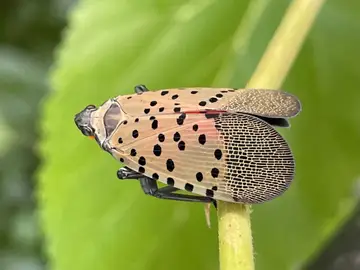
Photo: Isaac Caswell · CC0 1.0 · iNaturalist Spotted Lanternfly Lycorma delicatula
Fairfield County first (2020); since spread to multiple counties Connecticut Department of Energy and Environmental Protection (DEEP), Forestry
Invasive Species
Connecticut Department of Energy and Environmental Protection (DEEP), Content last updated June 2022. 4 animals.
-
Asian Longhorned Beetle Anoplophora glabripennis
-
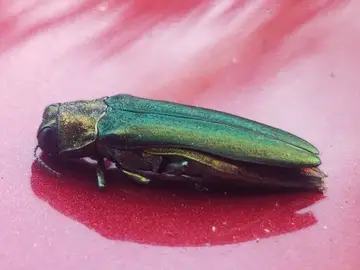
Photo: Brandon McCracken · CC BY 4.0 · iNaturalist Emerald Ash Borer Agrilus planipennis
-
Jumping worms
-
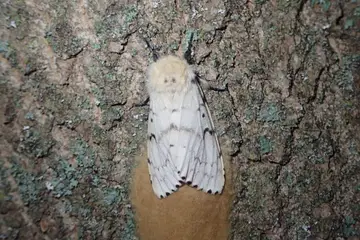
Photo: Emmett Collins-Sussman · CC BY 4.0 · iNaturalist Spongy Moth Lymantria dispar
NAS species list: nonindigenous reptiles, Connecticut
U.S. Geological Survey, Nonindigenous Aquatic Species database, database queried November 3, 2026. 1 animal.
-
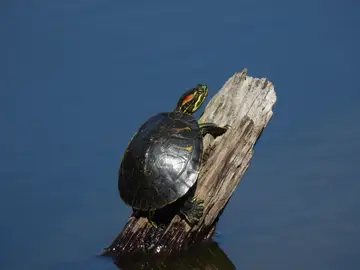
Photo: ncb1221 · CC BY 4.0 · iNaturalist Red-eared Slider Trachemys scripta elegans
Online Guide to the Amphibians and Reptiles of Connecticut (G. J. Watkins-Colwell, editor)
Yale Peabody Museum of Natural History, Division of Vertebrate Zoology (Herpetology), archived copy, captured June 16, 2021. 1 animal.
-
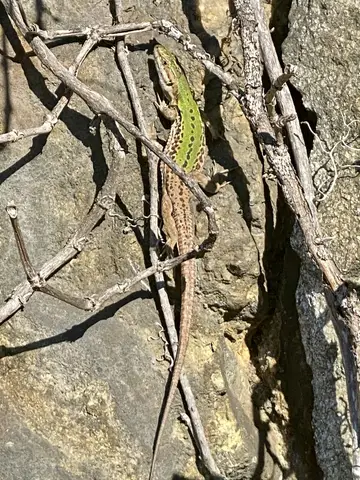
Photo: Sandy Wolkenberg · CC BY 4.0 · iNaturalist Italian Wall Lizard Podarcis siculus
Cottontail Rabbits (Wildlife Fact Sheet)
Connecticut Department of Energy and Environmental Protection (DEEP), Wildlife Division, Content last updated April 30, 2019. 1 animal.
-

Photo: Bernie Paquette · CC BY 4.0 · iNaturalist Eastern Cottontail Sylvilagus floridanus
Common Caiman - Collections (Connecticut)
U.S. Geological Survey, Nonindigenous Aquatic Species database, database queried November 3, 2026. 1 animal.
-
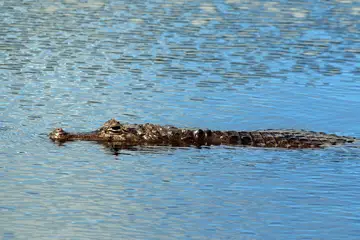
Photo: Charles J. Sharp · CC BY-SA 4.0 · Wikimedia Commons · resized Common Caiman Caiman crocodilus
3 USGS NAS records (East Hartford 1985, Windsor 1965, North Stonington 1996), all with status "failed" (not established) US Geological Survey, Nonindigenous Aquatic Species database

How to report a sighting in Connecticut
Bear-related emergencies: DEEP 24-hour Dispatch Center 860-424-3333. Wildlife sightings (bear, bobcat, moose, fisher, bats, endangered species and others) via the DEEP Report a Wildlife Sighting page; DEEP Wildlife Division 860-424-3011. Spotted lanternfly: CAES SLF Reporting Form. Timber rattlesnake violations: TIP hotline 800-842-HELP. Connecticut Department of Energy and Environmental Protection (DEEP), Wildlife Division
Do not try to catch or handle the animal. A photo taken from a safe distance, the place and the date help the agency.
Sources
- Spotted Lanternfly. Connecticut Department of Energy and Environmental Protection (DEEP), Forestry. Content last updated August 2026; checked November 3, 2026.
Quoted passages (1)
“In 2020, two small established populations of spotted lanternfly were found in Fairfield County, Connecticut. Since then, SLF has spread to multiple counties in Connecticut.”
- Common Caiman - Collections (Connecticut). U.S. Geological Survey, Nonindigenous Aquatic Species database. database queried November 3, 2026; checked November 3, 2026.
- Invasive Species. Connecticut Department of Energy and Environmental Protection (DEEP). Content last updated June 2022; checked November 3, 2026.
Quoted passages (3)
“Asian Longhorned Beetle (ALB)”
“Emerald Ash Borer (EAB)”
“Jumping Worms: These invasive worms favor leaf litter and mulch.”
- NAS species list: nonindigenous reptiles, Connecticut. U.S. Geological Survey, Nonindigenous Aquatic Species database. database queried November 3, 2026; checked November 3, 2026.
- Online Guide to the Amphibians and Reptiles of Connecticut (G. J. Watkins-Colwell, editor). Yale Peabody Museum of Natural History, Division of Vertebrate Zoology (Herpetology). archived copy, captured June 16, 2021; checked November 3, 2026.
Quoted passages (1)
“One additional lizard species is non-native and established in the state.”
- Cottontail Rabbits (Wildlife Fact Sheet). Connecticut Department of Energy and Environmental Protection (DEEP), Wildlife Division. Content last updated April 30, 2019; checked November 3, 2026.
Quoted passages (1)
“The eastern cottontail was introduced into New England in the late 1800s and early 1900s and has been expanding its range ever since.”
- Report a Wildlife Sighting. Connecticut Department of Energy and Environmental Protection (DEEP), Wildlife Division. Content last updated September 22, 2026; checked November 3, 2026.
Quoted passages (1)
“For bear-related emergencies, please call DEEP's 24-hour Dispatch Center at 860-424-3333.”