States Wildlife

Connecticut Bugs and Insects That Sting or Bite

Last checked November 3, 2026 against official sources.

On this page
  1. Which insects can hurt you
  2. Ticks (arachnids, not insects)
  3. All 7 insects and 1 tick
  4. When they are active
  5. If you are bitten or stung
  6. About this list
  7. Sources

This page lists 7 insects and 1 tick. 2 are nonnative.

Not every species: no complete official list of Connecticut insects exists, so this page covers the ones state and Extension sources name. How lists are built.

Which insects can hurt you

Official sources single out these insects in Connecticut, in their own words:

Ticks (arachnids, not insects)

Official sources single out these ticks in Connecticut, in their own words:

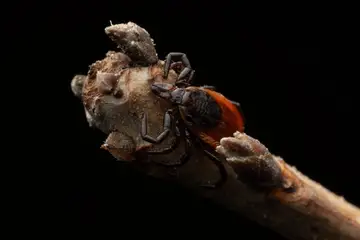
  • Blacklegged Tick
    Photo: Jack Forrester · CC BY 4.0 · iNaturalist

    Blacklegged Tick

    Disease. “It is the most commonly reported tick-borne disease in Connecticut and in the United States.” DPH

All 7 insects and 1 tick

From A to Z. Do not handle them.

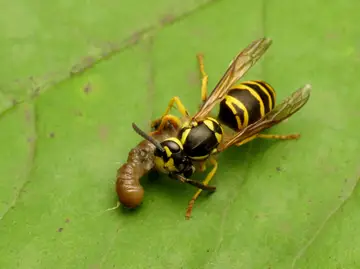
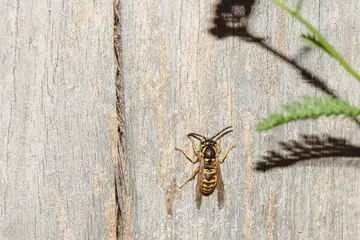
Aerial Yellowjacket
Photo: Darin J McGuire · CC BY 4.0 · iNaturalist

Aerial Yellowjacket

Dolichovespula arenaria

Not stated

Venom
No official source we use states whether this animal is venomous. That does not mean it is harmless: do not handle it.
Blacklegged Tick (deer tick)
Photo: Jack Forrester · CC BY 4.0 · iNaturalist

Blacklegged Tick (deer tick)

Ixodes scapularis

Not stated Tick: an arachnid, not an insect

Venom
No official source we use states whether this animal is venomous. That does not mean it is harmless: do not handle it.
Danger to people
“It is the most commonly reported tick-borne disease in Connecticut and in the United States.” DPH
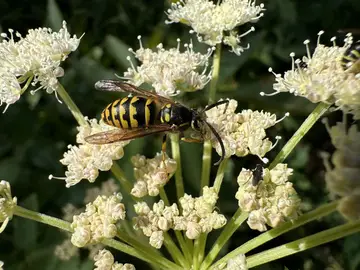
No confirmed photo of Common Yellowjacket

Common Yellowjacket

Vespula vulgaris

Not stated

Venom
No official source we use states whether this animal is venomous. That does not mean it is harmless: do not handle it.
Eastern Yellowjacket
Photo: Katja Schulz · CC BY 4.0 · iNaturalist

Eastern Yellowjacket

Vespula maculifrons

Not stated

Venom
No official source we use states whether this animal is venomous. That does not mean it is harmless: do not handle it.
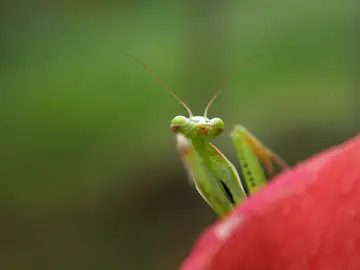
European ("Praying") Mantis (state insect)
Photo: OLJA · CC BY-SA 4.0 · Wikimedia Commons · resized

European ("Praying") Mantis (state insect)

Mantis religiosa

Not stated

Venom
No official source we use states whether this animal is venomous. That does not mean it is harmless: do not handle it.
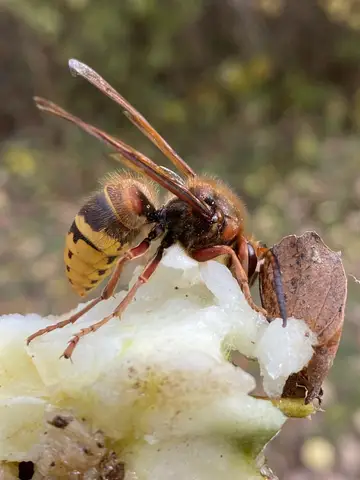
European Hornet
Photo: Dexter Hartsfield · CC BY 4.0 · iNaturalist

European Hornet

Vespa crabro

Not stated Nonnative

Venom
No official source we use states whether this animal is venomous. That does not mean it is harmless: do not handle it.
Size
Workers up to 1 inch (25 mm); queens slightly larger, up to about 1.3 inches.
How to recognize it
  • Large size plus reddish-brown color on the thorax and first abdominal segment
  • C-shaped eyes; somewhat hairy body
  • Flies at night and comes to porch lights

Full European Hornet guide

German Yellowjacket
Photo: Flocci Nivis · CC BY 4.0 · Wikimedia Commons

German Yellowjacket

Vespula germanica

Not stated

Venom
No official source we use states whether this animal is venomous. That does not mean it is harmless: do not handle it.
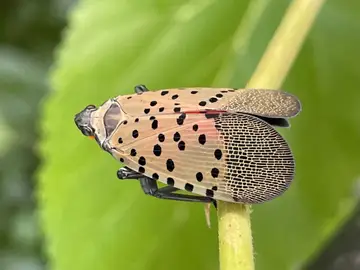
Spotted Lanternfly
Photo: Isaac Caswell · CC0 1.0 · iNaturalist

Spotted Lanternfly

Lycorma delicatula

Not stated Invasive

Venom
No official source we use states whether this animal is venomous. That does not mean it is harmless: do not handle it.
Size
Adults are roughly 1 inch long and 1/2 inch wide.
How to recognize it
  • Forewings brown or gray with black spots, ending in a speckled band.
  • Hind wings scarlet with black spots, plus white and black bars.
  • Abdomen yellow with black bars. Legs and head black.
267 records by month.

Full Spotted Lanternfly guide

When insects are active in Connecticut

Records of insects in Connecticut peak in June to August. They show when people record insects, not how many there are (about month bars).

31,177 records of insects in Connecticut by month (GBIF, CC0 and CC BY records).

If you are bitten or stung

Call 911 or Poison Help at 1-800-222-1222 right away. Poison Help connects you to your local poison center, any time of day.

Official advice from The Connecticut Agricultural Experiment Station (CAES), Dr. Gale E. Ridge:

About this list

The species list comes from No official complete list. Entries from DEEP Insects and Invertebrates, DEEP Spotted Lanternfly, DPH Lyme Disease and the State Mosquito Management Program pages (Connecticut Department of Energy and Environmental Protection (DEEP), Wildlife Division, Content last updated March 2026). 7 more entries come from other official sources named on each card.

Venom labels come only from official sources and link to them; "Not stated" never means harmless. How labels work.

"Nonnative" and "Invasive" follow the wording of the source list. See invasive species in Connecticut.

Sources

  1. Report a Wildlife Sighting. Connecticut Department of Energy and Environmental Protection (DEEP), Wildlife Division. Content last updated September 22, 2026; checked November 3, 2026.
  2. Insects and Invertebrates. Connecticut Department of Energy and Environmental Protection (DEEP), Wildlife Division. Content last updated March 2026; checked November 3, 2026.
  3. Lyme Disease. Connecticut Department of Public Health (DPH). undated page; checked November 3, 2026.
    Quoted passages (1)
    “It is the most commonly reported tick-borne disease in Connecticut and in the United States.”
  4. Spotted Lanternfly. Connecticut Department of Energy and Environmental Protection (DEEP), Forestry. Content last updated August 2026; checked November 3, 2026.
  5. Yellowjackets (Family Vespidae). The Connecticut Agricultural Experiment Station (CAES), Dr. Gale E. Ridge. October 26, 2021; checked November 3, 2026.
    Quoted passages (2)
    “Yellowjackets can become extremely aggressive if disturbed.”
    “If any of these symptoms are experienced, seek immediate medical attention. The Connecticut Poison Control hot line is 1 (800) 222-1222.”
  6. Cicada Killer / European Hornet / Giant Hornet (CAES pest alert). The Connecticut Agricultural Experiment Station (CAES). June 17, 2020; checked November 3, 2026.
  7. State of Connecticut Mosquito Management Program. State of Connecticut Mosquito Management Program (DEEP, CAES, Department of Public Health and partners). undated page; checked November 3, 2026.
    Quoted passages (1)
    “The Connecticut Agricultural Experiment Station traps, identifies, and tests mosquitoes for encephalitis viruses.”
  8. Bats in Connecticut. Connecticut Department of Energy and Environmental Protection (DEEP), Wildlife Division. Content last updated May 2026; checked November 3, 2026.
    Quoted passages (1)
    “Tree-roosting bats generally migrate long distances to more southern latitudes during winter.”
  9. GBIF.org occurrence records, human observations licensed CC0 1.0 or CC BY 4.0 only, accessed November 3, 2026. The datasets behind these counts are listed on our Sources page.