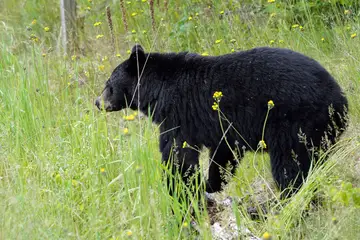
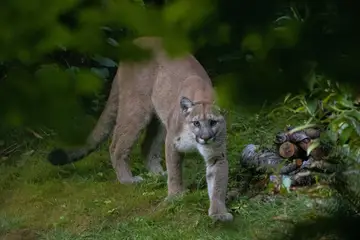
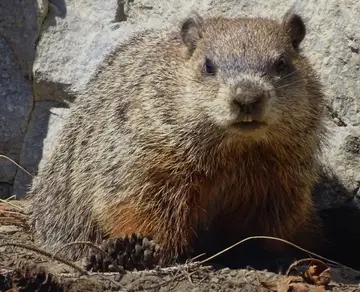
Smokies: males average about 6 ft long, 3 ft at the shoulder and 250 lb in summer; females usually just over 100 lb. Missouri: 46 to 78 inches long, 86 to 600 lb.
How to recognize it
Straight facial profile, rounded erect ears, very short tail
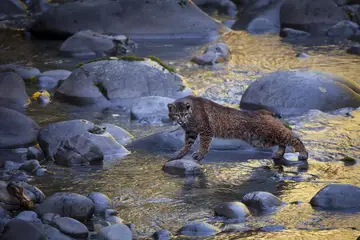
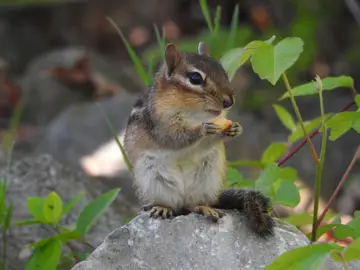
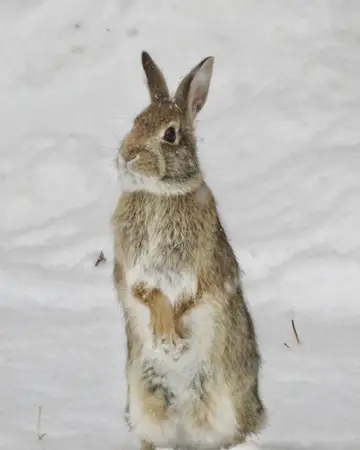
Total length 18 to 50 inches, tail 3 to 8 inches, weight 8 to 49 pounds (Missouri). About twice the size of a house cat.
How to recognize it
Short 'bobbed' tail, 4 to 8 inches, with a black tip and white underneath (Arizona). New Mexico instead describes black bars on top, white underneath and a white tip.
Pointed ears with tufts at the tips, often with cheek tufts
Backs of the ears are black with a light central spot
About 3.5 to 4 feet long including the tail and roughly 2 feet tall at the shoulder; weight varies by region: Arizona 20 to 30 lb, Florida average about 28 lb, Georgia 25 to 45 lb
How to recognize it
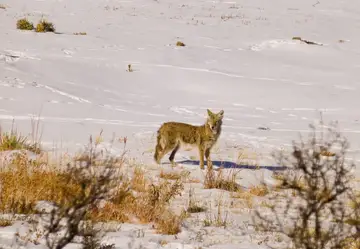
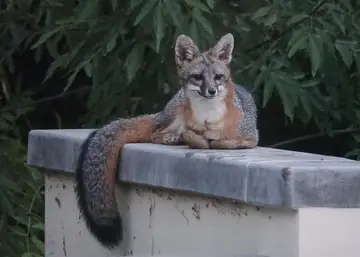
Large pointed ears, long narrow nose, bushy black-tipped tail
Like a slender medium-sized dog, much smaller than a wolf
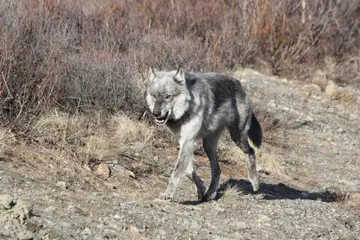
Adults about 40 to 175 pounds depending on sex and region; on average about five to six feet long (Isle Royale), up to 6 feet including the tail (Washington), and 26 to 34 inches at the shoulder. Twice the size of a coyote.
How to recognize it
Longer legs, larger feet, wider head and snout, shorter ears, narrow body and straight tail compared with most coyotes and dogs.
Tracks about 5 inches long by 4 inches wide, with claws showing.
Long, drawn-out howls, audible up to five miles.
Conservation
State Special Concern; believed extirpated; federally endangered (2015 list)
NY DEC: gray wolves are much larger (females typically 50-100 lb, males 70-145 lb, 5-6 ft nose to tail, 27-33 in at the shoulder); eastern coyotes rarely exceed 50 lb and generally stand under 2 ft at the shoulder. Wolves have small rounded ears and a short blocky snout; coyotes have larger, more pointed ears (can look rounded in winter coat) and a long, narrow, pointed snout. Coyote tracks are typically 3 x 2 in, wolf tracks about 5 x 4 in. NY DEC says most wolf reports in New York were coyotes, dogs or wolf-dog hybrids.
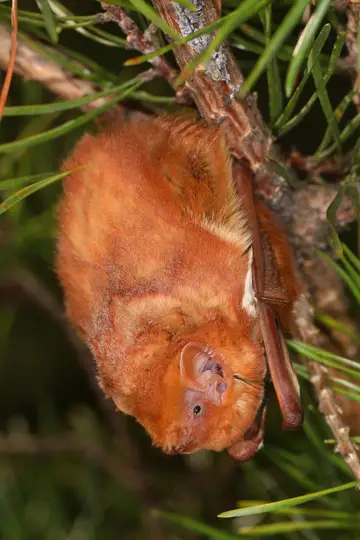
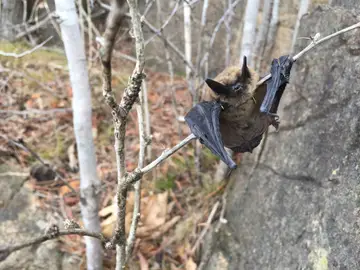
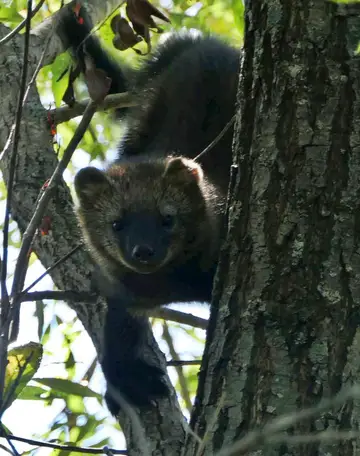
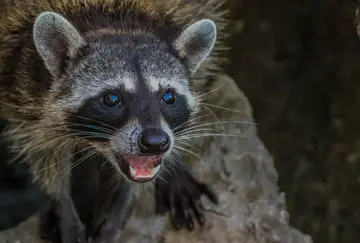
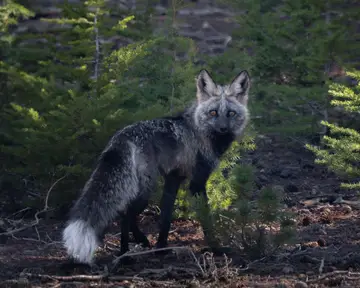
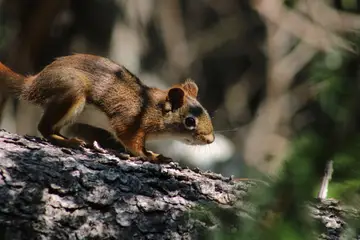
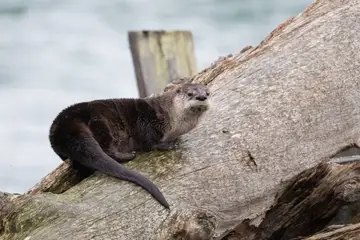
Photos show typical adults; individuals vary. Never get close to compare.
When mammals are active in Connecticut
Records of mammals in Connecticut peak in April to September. They show when people record mammals, not how many there are (about month bars).
JanFebMarAprMayJunJulAugSepOctNovDec
1,872 records of mammals in Connecticut by month (GBIF, CC0 and CC BY records).
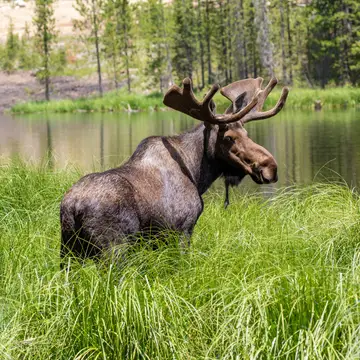
“Annual sightings of cows with calves since 2000 confirm the establishment and expansion of a resident population. Moose sighting reports help biologists monitor the presence of this large mammal in our state. The current population is estimated at just over 100 animals.”
Report a Wildlife Sighting. Connecticut Department of Energy and Environmental Protection (DEEP), Wildlife Division. Content last updated September 22, 2026; checked November 3, 2026.Quoted passages (1)
“Annual sightings of cows with calves since 2000 confirm the establishment and expansion of a resident population. Moose sighting reports help biologists monitor the presence of this large mammal in our state. The current population is estimated at just over 100 animals.”
Virginia Opossum (Wildlife Fact Sheet). Connecticut Department of Energy and Environmental Protection (DEEP), Wildlife Division. undated page; checked November 3, 2026.
Least Shrew (Wildlife Fact Sheet). Connecticut Department of Energy and Environmental Protection (DEEP), Wildlife Division. undated page; checked November 3, 2026.
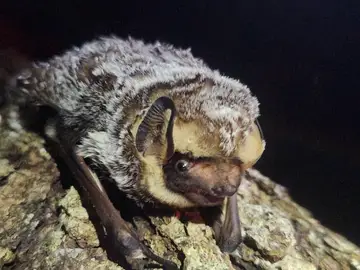
Bats in Connecticut. Connecticut Department of Energy and Environmental Protection (DEEP), Wildlife Division. Content last updated May 2026; checked November 3, 2026.Quoted passages (2)
“NEVER touch a live bat. Bats will bite to protect themselves!”
“Tree-roosting bats generally migrate long distances to more southern latitudes during winter.”
Chipmunk (Wildlife Fact Sheet). Connecticut Department of Energy and Environmental Protection (DEEP), Wildlife Division. undated page; checked November 3, 2026.
Woodchuck (Wildlife Fact Sheet). Connecticut Department of Energy and Environmental Protection (DEEP), Wildlife Division. undated page; checked November 3, 2026.
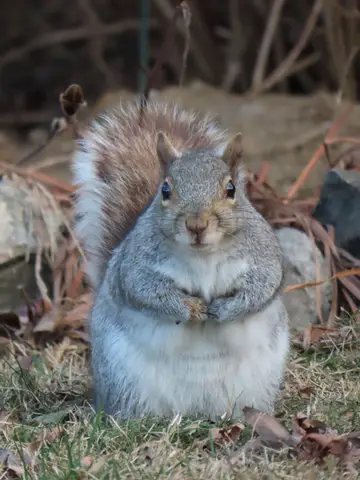
Gray Squirrel (Wildlife Fact Sheet). Connecticut Department of Energy and Environmental Protection (DEEP), Wildlife Division. undated page; checked November 3, 2026.
Red Squirrel (Wildlife Fact Sheet). Connecticut Department of Energy and Environmental Protection (DEEP), Wildlife Division. undated page; checked November 3, 2026.
Flying Squirrels (Wildlife Fact Sheet). Connecticut Department of Energy and Environmental Protection (DEEP), Wildlife Division. undated page; checked November 3, 2026.
Beaver (Wildlife Fact Sheet). Connecticut Department of Energy and Environmental Protection (DEEP), Wildlife Division. undated page; checked November 3, 2026.
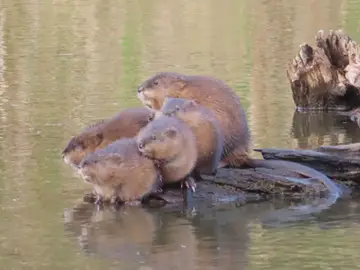
Muskrat (Wildlife Fact Sheet). Connecticut Department of Energy and Environmental Protection (DEEP), Wildlife Division. undated page; checked November 3, 2026.
Cottontail Rabbits (Wildlife Fact Sheet). Connecticut Department of Energy and Environmental Protection (DEEP), Wildlife Division. Content last updated April 30, 2019; checked November 3, 2026.
Snowshoe Hare (Wildlife Fact Sheet). Connecticut Department of Energy and Environmental Protection (DEEP), Wildlife Division. Content last updated March 2021; checked November 3, 2026.
Coyote (Wildlife Fact Sheet). Connecticut Department of Energy and Environmental Protection (DEEP), Wildlife Division. Content last updated March 2023; checked November 3, 2026.Quoted passages (1)
“Coyotes eventually expanded their range throughout the entire state and are now a part of Connecticut’s ecosystem”
Red Fox (Wildlife Fact Sheet). Connecticut Department of Energy and Environmental Protection (DEEP), Wildlife Division. undated page; checked November 3, 2026.
Gray Fox (Wildlife Fact Sheet). Connecticut Department of Energy and Environmental Protection (DEEP), Wildlife Division. Content last updated November 2023; checked November 3, 2026.
Black Bear (Wildlife Fact Sheet). Connecticut Department of Energy and Environmental Protection (DEEP), Wildlife Division. undated page; checked November 3, 2026.Quoted passages (1)
“Never feed bears. Bears that associate food with people may become bold, aggressive, and dangerous.”
Frequently Asked Questions About Black Bears. Connecticut Department of Energy and Environmental Protection (DEEP), Wildlife Division. undated page; checked November 3, 2026.Quoted passages (1)
“In 2023, bears were reported from 165 of the state’s 169 towns and cities.”
Raccoon (Wildlife Fact Sheet). Connecticut Department of Energy and Environmental Protection (DEEP), Wildlife Division. undated page; checked November 3, 2026.
Fisher (Wildlife Fact Sheet). Connecticut Department of Energy and Environmental Protection (DEEP), Wildlife Division. undated page; checked November 3, 2026.
River Otter (Wildlife Fact Sheet). Connecticut Department of Energy and Environmental Protection (DEEP), Wildlife Division. undated page; checked November 3, 2026.
Bobcat (Wildlife Fact Sheet). Connecticut Department of Energy and Environmental Protection (DEEP), Wildlife Division. undated page; checked November 3, 2026.
White-tailed Deer (Wildlife Fact Sheet). Connecticut Department of Energy and Environmental Protection (DEEP), Wildlife Division. undated page; checked November 3, 2026.
Moose (Wildlife Fact Sheet). Connecticut Department of Energy and Environmental Protection (DEEP), Wildlife Division. undated page; checked November 3, 2026.Quoted passages (1)
“Moose can present a serious threat to public safety under some circumstances. Although usually shy, moose can feel threatened and become aggressive during the rutting season or after calving.”
Rabies and Wildlife. Connecticut Department of Energy and Environmental Protection (DEEP), Wildlife Division. Content last updated March 2025; checked November 3, 2026.Quoted passages (1)
“Rabies is a fatal viral disease primarily found in bats and wild carnivores, such as raccoons, skunks, and foxes — also referred to as rabies vector species (RVS).”