States Wildlife

Michigan Bugs and Insects That Sting or Bite

Last checked November 3, 2026 against official sources.

On this page
  1. Which insects can hurt you
  2. All 2 insects
  3. When they are active
  4. If you are bitten or stung
  5. About this list
  6. Sources

This page lists 2 insects. 1 is nonnative.

Not every species: no complete official list of Michigan insects exists, so this page covers the ones state and Extension sources name. How lists are built.

Which insects can hurt you

Official sources single out these insects in Michigan, in their own words:

All 2 insects

From A to Z. Do not handle them.

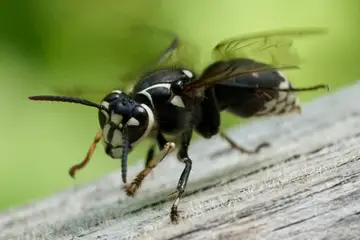
Bald-faced Hornet
Photo: Amy Schnebelin · CC BY 4.0 · iNaturalist

Bald-faced Hornet

Not stated

Venom
No official source we use states whether this animal is venomous. That does not mean it is harmless: do not handle it.
Danger to people
“Because some people do have very serious allergic reactions to stings, those nests need to be removed.” Michigan Department of Natural Resources
What the sources say

Habitat: Paper nests that hang in trees and shrubs (and sometimes manmade structures) (Michigan Department of Natural Resources)

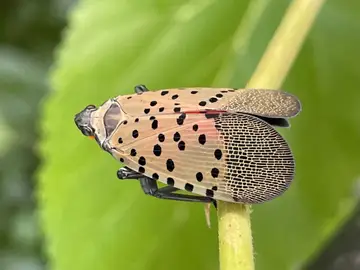
Spotted Lanternfly
Photo: Isaac Caswell · CC0 1.0 · iNaturalist

Spotted Lanternfly

Not stated Invasive

Venom
No official source we use states whether this animal is venomous. That does not mean it is harmless: do not handle it.
Where in Michigan
Southeastern Michigan incl. Jackson, Lenawee, Macomb, Monroe, Oakland and Wayne counties (June 2026) Michigan Department of Agriculture and Rural Development

When insects are active in Michigan

Records of insects in Michigan peak in June to August. They show when people record insects, not how many there are (about month bars).

51,270 records of insects in Michigan by month (GBIF, CC0 and CC BY records).

If you are bitten or stung

Call 911 or Poison Help at 1-800-222-1222 right away. Poison Help connects you to your local poison center, any time of day.

Official advice from Michigan Department of Agriculture and Rural Development:

About this list

Venom labels come only from official sources and link to them; "Not stated" never means harmless. How labels work.

"Nonnative" and "Invasive" follow the wording of the source list. See invasive species in Michigan.

Sources

  1. When encountering Michigan's snakes, best to leave them be. Michigan Department of Natural Resources. May 31, 2016; checked November 3, 2026.
  2. MDARD encourages Michiganders to watch for spotted lanternfly this summer. Michigan Department of Agriculture and Rural Development. June 22, 2026; checked November 3, 2026.
  3. A Lesson in Respect: Bald-faced Hornets. Michigan Department of Natural Resources. September 30, 2013; checked November 3, 2026.
    Quoted passages (1)
    “Because some people do have very serious allergic reactions to stings, those nests need to be removed.”
  4. MDARD Confirms First Case of Eastern Equine Encephalitis for 2025 in a Benzie County Horse. Michigan Department of Agriculture and Rural Development. August 28, 2025; checked November 3, 2026.
    Quoted passages (2)
    “EEE is one of the most dangerous mosquito-borne diseases in the United States, with a 33% fatality rate in people who become ill”
    “We urge Michiganders to take precautions such as using an EPA-registered insect repellent when outdoors, avoiding areas where mosquitoes are present if possible, and wearing clothing to cover arms and legs to prevent bites.”
  5. Tick Borne Illnesses in Michigan (MSU Extension Bulletin E-2765). Michigan Department of Community Health; Michigan Department of Natural Resources; Michigan Department of Agriculture; Michigan State University Extension. Issued 2001; checked November 3, 2026.
    Quoted passages (1)
    “…variabilis ticks (commonly called wood ticks or dog ticks) are most abundant in spring and early summer. Ixodes scapularis, (Black Legged ticks) are most abundant from spring through the summer, and into the warm months of the fall.”
  6. GBIF.org occurrence records, human observations licensed CC0 1.0 or CC BY 4.0 only, accessed November 3, 2026. The datasets behind these counts are listed on our Sources page.