On this page Which mammals can hurt you All 60 mammals When they are active If you are bitten or stung Common questions About this list Sources Michigan DNR and MSU Extension: MAMMALS – 54 SPECIES
This page lists 60 mammals : 54 from Michigan DNR and MSU Extension's Vertebrate Wildlife Species of the Upper Peninsula: A Tentative List Compiled by the Michigan DNR and MSU Extension, plus mammals on the state endangered/threatened rule R 299.1027 and named in DNR bulletins and 6 named in other official sources.
Michigan DNR and MSU Extension gives a total of 54; the 60 here are the mammals official sources name one by one.
Which mammals can hurt you Official sources single out these mammals in Michigan, in their own words:
All 60 mammals From A to Z. Do not handle them.
Find by name
No confirmed photo of Arctic Shrew Arctic Shrew
Where in Michigan Upper Peninsula (on the DNR/MSU Extension UP list) Michigan DNR and MSU Extension No confirmed photo of Badger Badger
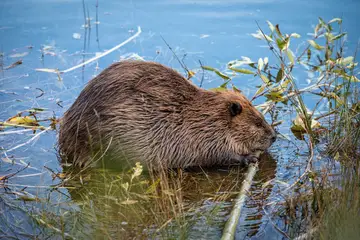
Where in Michigan Upper Peninsula (on the DNR/MSU Extension UP list) Michigan DNR and MSU Extension Photo: GrandTetonNPS · Public domain · Wikimedia Commons Beaver
Where in Michigan Upper Peninsula (on the DNR/MSU Extension UP list) Michigan DNR and MSU Extension No confirmed photo of Big Brown Bat Big Brown Bat
Where in Michigan Upper Peninsula (on the DNR/MSU Extension UP list) Michigan DNR and MSU Extension No confirmed photo of Black Bear Black Bear
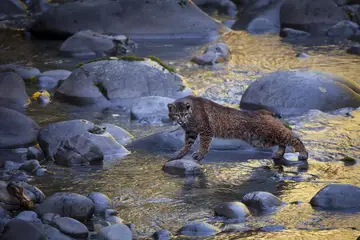
Danger to people “Black bears are wild, powerful animals that should be appreciated from a distance. They may defend themselves when surprised, threatened or protecting their cubs.” Michigan Department of Natural Resources Where in Michigan More than 85% of the population in the Upper Peninsula; also the northern Lower Peninsula; complaints get rarer farther south Michigan Department of Natural Resources Photo: National Marine Sanctuaries · Public domain · Wikimedia Commons Bobcat
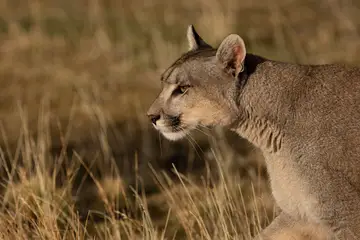
Where in Michigan Upper Peninsula (on the DNR/MSU Extension UP list) Michigan DNR and MSU Extension Photo: ArgentinaTurismo · CC BY 4.0 · Wikimedia Commons Felis concolor
Danger to people “We understand that the prospect of cougars in Michigan can be alarming because cougars are potentially dangerous wild animals.” Michigan Department of Natural Resources Size Total length 5 to 8.5 feet including a 21 to 37.5 inch tail; males 79 to 265 lb, females 64 to 141 lb (Missouri Department of Conservation). How to recognize it Very large, slender cat with a small head, small rounded ears without tufts and a long, heavy tail. The tail may be one-third of the total length; much larger than a bobcat or lynx. Tracks: 2.75 to 3.75 inches wide, three lobes at the bottom of the heel pad, claw marks usually absent. Where in Michigan Upper Peninsula: DNR has confirmed about 168 cougar sightings since 2008, all in the U.P.; cubs verified in Ontonagon County in 2025 Michigan Department of Natural Resources Conservation state endangered Full Cougar guide
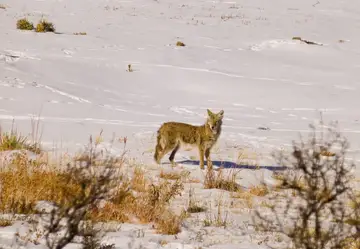
Photo: Gaurav Vaidya from Chapel Hill, USA · CC BY 2.0 · Wikimedia Commons Coyote
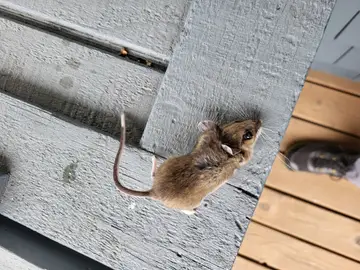
Where in Michigan Upper Peninsula (on the DNR/MSU Extension UP list) Michigan DNR and MSU Extension Photo: Charlie Pavlisich · CC BY 4.0 · iNaturalist Deer Mouse
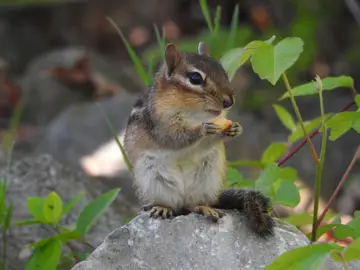
Where in Michigan Upper Peninsula (on the DNR/MSU Extension UP list) Michigan DNR and MSU Extension Photo: Yann Kemper · CC0 1.0 · iNaturalist Eastern Chipmunk
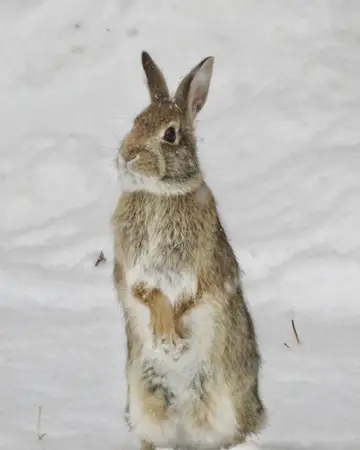
Where in Michigan Upper Peninsula (on the DNR/MSU Extension UP list) Michigan DNR and MSU Extension Photo: Bernie Paquette · CC BY 4.0 · iNaturalist Eastern Cottontail
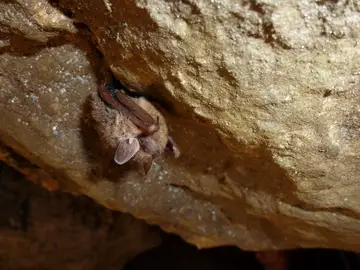
Where in Michigan Upper Peninsula (on the DNR/MSU Extension UP list) Michigan DNR and MSU Extension Photo: Felix Zareie-Vaux · CC0 1.0 · iNaturalist Eastern Pipistrelle Perimyotis subflavus
Where in Michigan Upper Peninsula (on the DNR/MSU Extension UP list) Michigan DNR and MSU Extension Conservation state threatened No confirmed photo of Ermine Ermine
Where in Michigan Upper Peninsula (on the DNR/MSU Extension UP list) Michigan DNR and MSU Extension No confirmed photo of Evening bat Evening bat Nycticeius humeralis
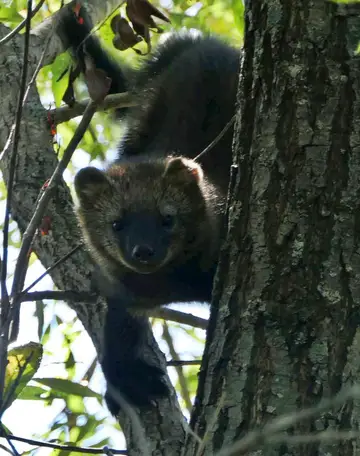
Conservation state threatened Photo: christine123 · CC BY 4.0 · iNaturalist Fisher
Where in Michigan Upper Peninsula (on the DNR/MSU Extension UP list) Michigan DNR and MSU Extension No confirmed photo of Fox Squirrel Fox Squirrel
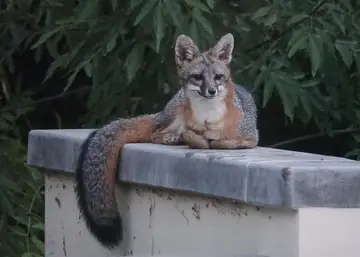
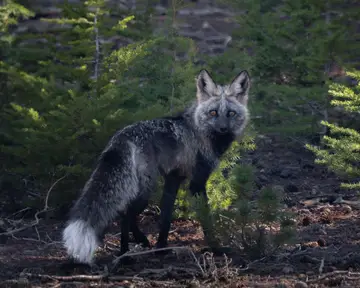
Where in Michigan Upper Peninsula (on the DNR/MSU Extension UP list) Michigan DNR and MSU Extension Photo: Mike's Birds from Riverside, CA, US · CC BY-SA 2.0 · Wikimedia Commons · resized Gray Fox
Where in Michigan Few detections, mainly in the Upper Peninsula or southern Lower Peninsula Michigan Department of Natural Resources No confirmed photo of Gray Squirrel Gray Squirrel
Where in Michigan Upper Peninsula (on the DNR/MSU Extension UP list) Michigan DNR and MSU Extension No confirmed photo of Gray Wolf Gray Wolf
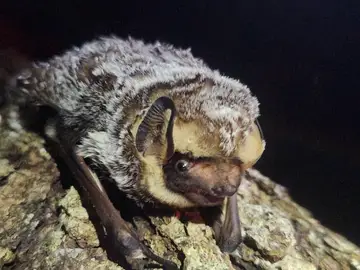
Where in Michigan Currently found in the Upper Peninsula Michigan Department of Natural Resources Conservation federally protected (Endangered Species Act) Photo: otiegoat · CC BY 4.0 · iNaturalist Hoary Bat
Where in Michigan Upper Peninsula (on the DNR/MSU Extension UP list) Michigan DNR and MSU Extension No confirmed photo of Indiana bat Indiana bat Myotis sodalis
Conservation state endangered No confirmed photo of Least Chipmunk Least Chipmunk
Where in Michigan Upper Peninsula (on the DNR/MSU Extension UP list) Michigan DNR and MSU Extension No confirmed photo of Least shrew Least shrew Cryptotis parva
Conservation state threatened No confirmed photo of Least Weasel Least Weasel
Where in Michigan Upper Peninsula (on the DNR/MSU Extension UP list) Michigan DNR and MSU Extension No confirmed photo of Little Brown Bat Little Brown Bat Myotis lucifugus
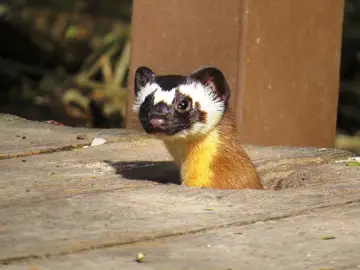
Where in Michigan Upper Peninsula (on the DNR/MSU Extension UP list) Michigan DNR and MSU Extension Conservation state threatened Photo: johnyochum · CC BY 4.0 · iNaturalist Long-Tailed Weasel
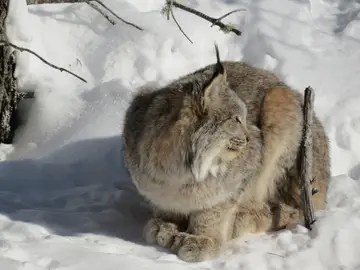
Where in Michigan Upper Peninsula (on the DNR/MSU Extension UP list) Michigan DNR and MSU Extension Photo: Norma Malinowski · CC BY 4.0 · iNaturalist Lynx Lynx canadensis
Conservation state endangered Photo: Sam Eberhard · CC BY 4.0 · iNaturalist Marten
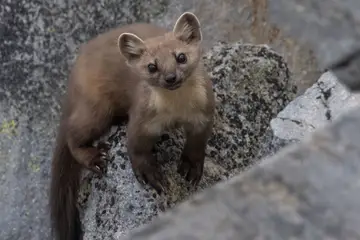
Where in Michigan Upper Peninsula (on the DNR/MSU Extension UP list) Michigan DNR and MSU Extension No confirmed photo of Masked Shrew Masked Shrew
Where in Michigan Upper Peninsula (on the DNR/MSU Extension UP list) Michigan DNR and MSU Extension No confirmed photo of Meadow Jumping Mouse Meadow Jumping Mouse
Where in Michigan Upper Peninsula (on the DNR/MSU Extension UP list) Michigan DNR and MSU Extension No confirmed photo of Meadow Vole Meadow Vole
Where in Michigan Upper Peninsula (on the DNR/MSU Extension UP list) Michigan DNR and MSU Extension No confirmed photo of Mink Mink
Where in Michigan Upper Peninsula (on the DNR/MSU Extension UP list) Michigan DNR and MSU Extension Photo: Dan Vickers · CC BY 4.0 · iNaturalist Moose
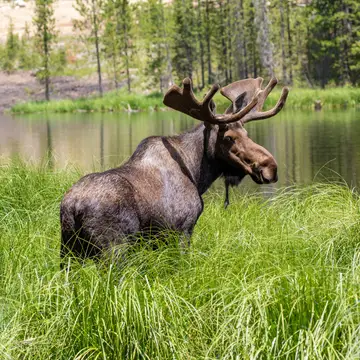
Where in Michigan Upper Peninsula (on the DNR/MSU Extension UP list) Michigan DNR and MSU Extension Photo: Ken Clark · CC BY 4.0 · iNaturalist Muskrat
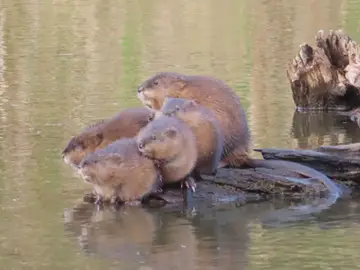
Where in Michigan Upper Peninsula (on the DNR/MSU Extension UP list) Michigan DNR and MSU Extension No confirmed photo of Northern Flying Squirrel Northern Flying Squirrel
Where in Michigan Upper Peninsula (on the DNR/MSU Extension UP list) Michigan DNR and MSU Extension No confirmed photo of Northern Long-Eared Bat Northern Long-Eared Bat Myotis septentrionalis
Where in Michigan Upper Peninsula (on the DNR/MSU Extension UP list) Michigan DNR and MSU Extension Conservation state threatened No confirmed photo of Northern River Otter Northern River Otter
Where in Michigan Upper Peninsula (on the DNR/MSU Extension UP list) Michigan DNR and MSU Extension No confirmed photo of Northern Short-Tailed Shrew Northern Short-Tailed Shrew
Where in Michigan Upper Peninsula (on the DNR/MSU Extension UP list) Michigan DNR and MSU Extension No confirmed photo of Porcupine Porcupine
Where in Michigan Upper Peninsula (on the DNR/MSU Extension UP list) Michigan DNR and MSU Extension No confirmed photo of Prairie vole Prairie vole Microtus ochrogaster
Conservation state endangered No confirmed photo of Pygmy Shrew Pygmy Shrew
Where in Michigan Upper Peninsula (on the DNR/MSU Extension UP list) Michigan DNR and MSU Extension No confirmed photo of Raccoon Raccoon
Where in Michigan Upper Peninsula (on the DNR/MSU Extension UP list) Michigan DNR and MSU Extension No confirmed photo of Red Bat Red Bat
Where in Michigan Upper Peninsula (on the DNR/MSU Extension UP list) Michigan DNR and MSU Extension Photo: David Willingham · CC BY 4.0 · iNaturalist Red Fox
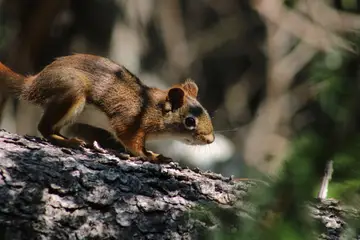
Where in Michigan Upper Peninsula (on the DNR/MSU Extension UP list) Michigan DNR and MSU Extension Photo: oksanaetal · CC BY 4.0 · iNaturalist Red Squirrel
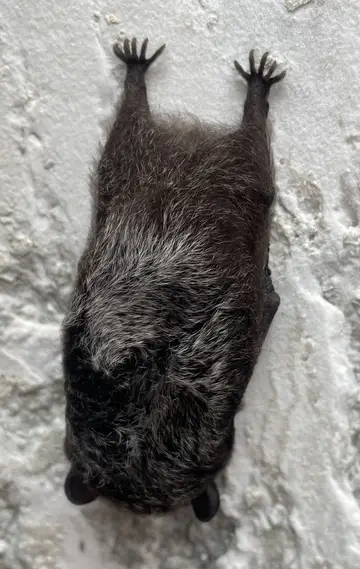
Where in Michigan Upper Peninsula (on the DNR/MSU Extension UP list) Michigan DNR and MSU Extension Photo: Sam Kieschnick · CC BY 4.0 · iNaturalist Silver-Haired Bat
Where in Michigan Upper Peninsula (on the DNR/MSU Extension UP list) Michigan DNR and MSU Extension No confirmed photo of Smoky Shrew Smoky Shrew
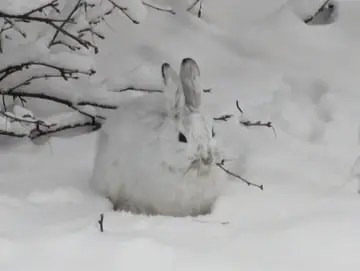
Where in Michigan Upper Peninsula (on the DNR/MSU Extension UP list) Michigan DNR and MSU Extension Photo: Matt Muir · CC BY 4.0 · iNaturalist Snowshoe Hare
Where in Michigan Upper Peninsula (on the DNR/MSU Extension UP list) Michigan DNR and MSU Extension No confirmed photo of Southern Bog Lemming Southern Bog Lemming
Where in Michigan Upper Peninsula (on the DNR/MSU Extension UP list) Michigan DNR and MSU Extension No confirmed photo of Southern Flying Squirrel Southern Flying Squirrel
Where in Michigan Statewide (DNR 2013) Michigan Department of Natural Resources No confirmed photo of Southern Red-backed Vole Southern Red-backed Vole
Where in Michigan Upper Peninsula (on the DNR/MSU Extension UP list) Michigan DNR and MSU Extension No confirmed photo of Star-Nosed Mole Star-Nosed Mole
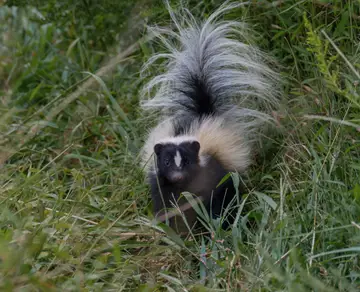
Where in Michigan Upper Peninsula (on the DNR/MSU Extension UP list) Michigan DNR and MSU Extension Photo: Mirko Schoenitz · CC0 1.0 · iNaturalist Striped Skunk
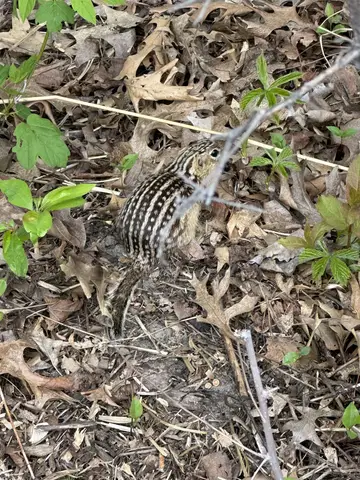
Where in Michigan Upper Peninsula (on the DNR/MSU Extension UP list) Michigan DNR and MSU Extension Photo: Evan H · CC BY 4.0 · iNaturalist Thirteen-lined Ground Squirrel
Where in Michigan Upper Peninsula (on the DNR/MSU Extension UP list) Michigan DNR and MSU Extension No confirmed photo of Virginia Opossum Virginia Opossum
Where in Michigan Upper Peninsula (on the DNR/MSU Extension UP list) Michigan DNR and MSU Extension No confirmed photo of Water Shrew Water Shrew
Where in Michigan Upper Peninsula (on the DNR/MSU Extension UP list) Michigan DNR and MSU Extension No confirmed photo of White-Tailed Deer White-Tailed Deer
Where in Michigan Upper Peninsula (on the DNR/MSU Extension UP list) Michigan DNR and MSU Extension No confirmed photo of Woodchuck Woodchuck
Where in Michigan Upper Peninsula (on the DNR/MSU Extension UP list) Michigan DNR and MSU Extension No confirmed photo of Woodland Jumping Mouse Woodland Jumping Mouse
Where in Michigan Upper Peninsula (on the DNR/MSU Extension UP list) Michigan DNR and MSU Extension When mammals are active in Michigan Records of mammals in Michigan peak in April to August. They show when people record mammals, not how many there are (about month bars ).
Jan Feb Mar Apr May Jun Jul Aug Sep Oct Nov Dec
5,339 records of mammals in Michigan by month (GBIF, CC0 and CC BY records). If you are bitten or stung Call 911 or Poison Help at 1-800-222-1222 right away. Poison Help connects you to your local poison center, any time of day.
Official advice from Michigan Department of Natural Resources:
Black bears: appreciate from a distance; remove birdfeeders, grease-splattered grills and outdoor pet food, and put garbage out on the day of pickup. A bear in the yard is no reason to panic; scare it off with noise. Michigan Department of Natural Resources If you meet a cougar: face it, stand tall, wave your arms and talk loudly; never run; pick up children; if attacked, fight back and do not play dead; report the encounter to local authorities and the DNR. Michigan Department of Natural Resources Sources When encountering Michigan's snakes, best to leave them be . Michigan Department of Natural Resources. May 31, 2016; checked November 3, 2026. Vertebrate Wildlife Species of the Upper Peninsula: A Tentative List Compiled by the Michigan DNR and MSU Extension . Michigan DNR and MSU Extension (MSU Upper Peninsula Forestry Extension Office). MSU Upper Peninsula Forestry Extension Office 4/2000; checked November 3, 2026. Quoted passages (1) “MAMMALS – 54 SPECIES” Wolves in Michigan (Michigan DNR) . Michigan Department of Natural Resources. archived copy, captured June 19, 2026; checked November 3, 2026. Archived copy . Michigan has two fox species. Have you seen the gray one? Michigan Department of Natural Resources. July 8, 2026; checked November 3, 2026. Showcasing the DNR: How Michigan can live with black bears . Michigan Department of Natural Resources. August 27, 2026; checked November 3, 2026. Quoted passages (2) “Black bears are wild, powerful animals that should be appreciated from a distance. They may defend themselves when surprised, threatened or protecting their cubs.” “Spotting a bear on your trail camera or wandering through your backyard is no reason to panic. You do not need to call local authorities or the DNR. This is natural bear behavior. You can scare the bear off by yelling, blowing an air horn or banging pots and pans.” Living with cougars (Michigan DNR) . Michigan Department of Natural Resources. archived copy, captured June 16, 2026; checked November 3, 2026. Archived copy . Quoted passages (2) “We understand that the prospect of cougars in Michigan can be alarming because cougars are potentially dangerous wild animals.” “Face the animal and do not act submissive. Stand tall, wave your arms, and talk in a loud voice.” Mystery solved: Elusive cougar cubs documented again in Michigan . Michigan Department of Natural Resources. December 18, 2025; checked November 3, 2026. Michigan Administrative Code R 299.1021-299.1028: Endangered and Threatened Species . Michigan Department of Natural Resources (via Michigan Office of Administrative Hearings and Rules). 2023 MR 6, Eff. March 20, 2023; checked November 3, 2026. Squirrels that can fly? Michigan Department of Natural Resources. June 6, 2013; checked November 3, 2026. Showcasing the DNR: The fight to save Michigan's bats . Michigan Department of Natural Resources. October 22, 2026; checked November 3, 2026. Quoted passages (2) “Less than 1% of bats carry rabies.” “In October, swarms of bats descend into abandoned mines in the Upper Peninsula to hibernate for the winter.” GBIF.org occurrence records, human observations licensed CC0 1.0 or CC BY 4.0 only, accessed November 3, 2026. The datasets behind these counts are listed on our Sources page.