No confirmed photo of Bees and wasps (group; species not stated)
Bees and wasps (group; species not stated)
- Venom
- No official source we use states whether this animal is venomous. That does not mean it is harmless: do not handle it.
Last checked November 3, 2026 against official sources.
This page lists 3 insects and 2 ticks. 1 is nonnative.
Not every species: no complete official list of Rhode Island insects exists, so this page covers the ones state and Extension sources name. How lists are built.
Official sources single out these insects in Rhode Island, in their own words:
Stings deadly and very dangerous to people who are highly allergic, per the poison center. Massachusetts & Rhode Island Poison Center
Disease. “Approximately 30% of people with EEE virus die, and many survivors have ongoing neurological problems.” Rhode Island DEM and Rhode Island Department of Health
Official sources single out these ticks in Rhode Island, in their own words:
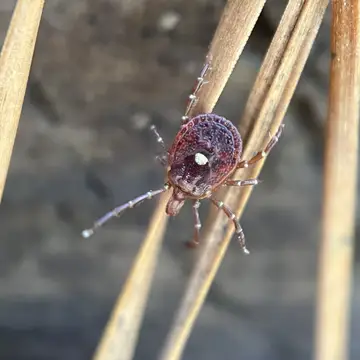
Disease. “…but the nymphal and adult stages can transmit the germs causing Ehrlichiosis, Heartland virus disease, Southern tick-associated rash illness (STARI), Bourbon virus disease, and Tularemia” University of Rhode Island, TickEncounter
Lyme disease. Massachusetts & Rhode Island Poison Center
From A to Z. Do not handle them.
Amblyomma americanum
Habitat: Lone Star ticks are found mostly in woodlands with dense undergrowth and around animal resting areas. (University of Rhode Island, TickEncounter)
Records of insects in Rhode Island peak in June to August. They show when people record insects, not how many there are (about month bars).
Call 911 or Poison Help at 1-800-222-1222 right away. Poison Help connects you to your local poison center, any time of day.
The species list comes from No official complete list. Entries from DEM, URI TickEncounter and the MA & RI Poison Center (Rhode Island DEM, Division of Fish & Wildlife, Sources vary; see each entry). 5 more entries come from other official sources named on each card.
Venom labels come only from official sources and link to them; "Not stated" never means harmless. How labels work.
"Nonnative" and "Invasive" follow the wording of the source list. See invasive species in Rhode Island.
“…but the nymphal and adult stages can transmit the germs causing Ehrlichiosis, Heartland virus disease, Southern tick-associated rash illness (STARI), Bourbon virus disease, and Tularemia”
“Adults are active April-late August”
“Approximately 30% of people with EEE virus die, and many survivors have ongoing neurological problems.”
“Cases of WNV occur during mosquito season, which starts in the summer and continues through fall.”