States Wildlife

Nebraska Bugs and Insects That Sting or Bite

Last checked November 3, 2026 against official sources.

On this page
  1. Which insects can hurt you
  2. Ticks (arachnids, not insects)
  3. All 15 insects and 6 ticks
  4. When they are active
  5. If you are bitten or stung
  6. How to report
  7. About this list
  8. Sources

Nebraska Game and Parks Commission: …it is estimated that there are upwards of 30,000 species of insects in Nebraska.

This page lists 15 insects and 6 ticks. 4 are venomous by official accounts.

Not every species: no complete official list of Nebraska insects exists, so this page covers the ones state and Extension sources name. How lists are built.

Which insects can hurt you

Official sources single out these insects in Nebraska, in their own words:

  • Stinging wasps and bees

    Allergic reactions can be life-threatening. “In allergic individuals, insect stings can cause a life-threatening systemic reaction that can rapidly lead to anaphylactic shock.” Nebraska Extension

  • Culex tarsalis mosquito

    Disease vector. “…is probably the most important vector of mosquito-transmitted diseases in Nebraska.” Nebraska Extension

Ticks (arachnids, not insects)

Official sources single out these ticks in Nebraska, in their own words:

All 15 insects and 6 ticks

Venomous species first, then A to Z. Do not handle them.

No confirmed photo of Bumble Bees

Bumble Bees

Venomous per Nebraska Extension

What the sources say

Venom: “Insect stings probably injure more people each year than all other venomous animals combined.” (Nebraska Extension)

No confirmed photo of Honey Bee

Honey Bee

Venomous per Nebraska Extension

What the sources say

Venom: “Insect stings probably injure more people each year than all other venomous animals combined.” (Nebraska Extension)

No confirmed photo of Paper or Umbrella Wasps

Paper or Umbrella Wasps

Venomous per Nebraska Extension

What the sources say

Venom: “Insect stings probably injure more people each year than all other venomous animals combined.” (Nebraska Extension)

No confirmed photo of Yellowjackets

Yellowjackets

Venomous per Nebraska Extension

What the sources say

Venom: “Insect stings probably injure more people each year than all other venomous animals combined.” (Nebraska Extension)

No confirmed photo of American Burying Beetle

American Burying Beetle

Not stated

Venom
No official source we use states whether this animal is venomous. That does not mean it is harmless: do not handle it.
Conservation
state and federal endangered
No confirmed photo of Asian Tiger Mosquito

Asian Tiger Mosquito

Aedes albopictus

Not stated

Venom
No official source we use states whether this animal is venomous. That does not mean it is harmless: do not handle it.
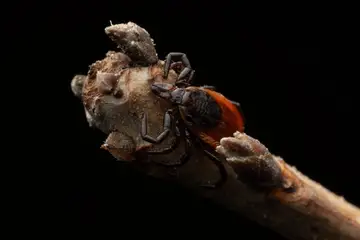
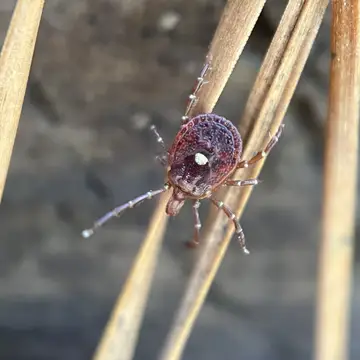
Blacklegged Tick (arachnid)
Photo: Jack Forrester · CC BY 4.0 · iNaturalist

Blacklegged Tick (arachnid)

Ixodes scapularis

Not stated Tick: an arachnid, not an insect

Venom
No official source we use states whether this animal is venomous. That does not mean it is harmless: do not handle it.
Danger to people
“Transmits Lyme disease” Nebraska Department of Health and Human Services
Where in Nebraska
In June 2019, state health officials identified established populations in Douglas, Sarpy and Saunders Counties. University of Nebraska-Lincoln
No confirmed photo of Blue Mud Dauber

Blue Mud Dauber

Not stated

Venom
No official source we use states whether this animal is venomous. That does not mean it is harmless: do not handle it.
No confirmed photo of Brown Dog Tick (arachnid)

Brown Dog Tick (arachnid)

Rhipicephalus sanguineus

Not stated Tick: an arachnid, not an insect

Venom
No official source we use states whether this animal is venomous. That does not mean it is harmless: do not handle it.
Danger to people
“Transmits Rocky Mountain spotted fever (in the southwestern U.S. and along the U.S.-Mexico border).” Nebraska Department of Health and Human Services
No confirmed photo of Carpenter Bees

Carpenter Bees

Not stated

Venom
No official source we use states whether this animal is venomous. That does not mean it is harmless: do not handle it.
No confirmed photo of Cicada Killers

Cicada Killers

Not stated

Venom
No official source we use states whether this animal is venomous. That does not mean it is harmless: do not handle it.
No confirmed photo of Culex tarsalis (mosquito)

Culex tarsalis (mosquito)

Culex tarsalis

Not stated

Venom
No official source we use states whether this animal is venomous. That does not mean it is harmless: do not handle it.
Danger to people
“…is probably the most important vector of mosquito-transmitted diseases in Nebraska.” Nebraska Extension
No confirmed photo of Digger Wasps

Digger Wasps

Not stated

Venom
No official source we use states whether this animal is venomous. That does not mean it is harmless: do not handle it.
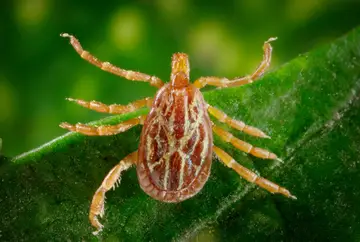
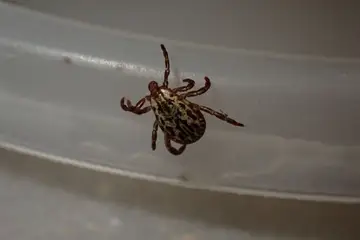
Gulf Coast Tick (arachnid)
Photo: CDC/ Dr. Christopher Paddock/ James Gathany · Public domain · Wikimedia Commons

Gulf Coast Tick (arachnid)

Amblyomma maculatum

Not stated Tick: an arachnid, not an insect

Venom
No official source we use states whether this animal is venomous. That does not mean it is harmless: do not handle it.
Lone Star Tick (arachnid)
Photo: Jasper Shide · CC0 1.0 · iNaturalist

Lone Star Tick (arachnid)

Amblyomma americanum

Not stated Tick: an arachnid, not an insect

Venom
No official source we use states whether this animal is venomous. That does not mean it is harmless: do not handle it.
Danger to people
“Transmits ehrlichiosis, tularemia, Heartland virus, Bourbon virus, and STARI.” Nebraska Department of Health and Human Services
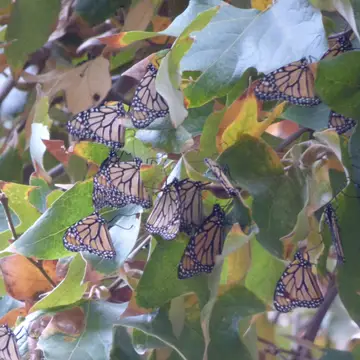
Monarch
Photo: Dave West · CC0 1.0 · iNaturalist

Monarch

Danaus plexippus

Not stated

Venom
No official source we use states whether this animal is venomous. That does not mean it is harmless: do not handle it.
Conservation
Tier 1 at-risk pollinator per NGPC
9,436 records by month.
No confirmed photo of Regal Fritillary

Regal Fritillary

Not stated

Venom
No official source we use states whether this animal is venomous. That does not mean it is harmless: do not handle it.
No confirmed photo of Rocky Mountain Wood Tick (arachnid)

Rocky Mountain Wood Tick (arachnid)

Dermacentor andersoni

Not stated Tick: an arachnid, not an insect

Venom
No official source we use states whether this animal is venomous. That does not mean it is harmless: do not handle it.
Danger to people
“Transmits Rocky Mountain spotted fever, Colorado tick fever, and tularemia.” Nebraska Department of Health and Human Services
No confirmed photo of Salt Creek Tiger Beetle

Salt Creek Tiger Beetle

Not stated

Venom
No official source we use states whether this animal is venomous. That does not mean it is harmless: do not handle it.
Where in Nebraska
Found only on salt flats and salt water seeps in saline wetlands near Lincoln Nebraska Game and Parks Commission
Conservation
state and federal endangered
No confirmed photo of Yellow and Black Mud Dauber

Yellow and Black Mud Dauber

Not stated

Venom
No official source we use states whether this animal is venomous. That does not mean it is harmless: do not handle it.

When insects are active in Nebraska

Records of insects in Nebraska peak in June to August. They show when people record insects, not how many there are (about month bars).

28,361 records of insects in Nebraska by month (GBIF, CC0 and CC BY records).

If you are bitten or stung

Call 911 or Poison Help at 1-800-222-1222 right away. Poison Help connects you to your local poison center, any time of day.

Official advice from Nebraska Regional Poison Center, Nebraska Extension and University of Nebraska-Lincoln:

How to report

NGPC: 402-471-0641 (or a local conservation officer). Sick or dead wildlife: report to a Game and Parks office. Invasive species: Nebraska Invasive Species Council, [email protected] or its Report A Sighting page. Reptile and amphibian sightings: UNL Report A Sighting form (herpneb.unl.edu/report-sighting). Nebraska Game and Parks Commission

About this list

Venom labels come only from official sources and link to them; "Not stated" never means harmless. How labels work.

Sources

  1. Contact Us. Nebraska Game and Parks Commission. archived copy, captured August 24, 2026; checked November 3, 2026.
    Quoted passages (1)
    “You may contact us by mail, phone at 402-471-0641, or the contact form below.”
  2. Insects. Nebraska Game and Parks Commission. archived copy, captured October 1, 2023; checked November 3, 2026.
    Quoted passages (1)
    “…it is estimated that there are upwards of 30,000 species of insects in Nebraska.”
  3. Stinging Wasps and Bees (G1447). Nebraska Extension. NebGuide G1447; checked November 3, 2026.
    Quoted passages (4)
    “Insect stings probably injure more people each year than all other venomous animals combined.”
    “In allergic individuals, insect stings can cause a life-threatening systemic reaction that can rapidly lead to anaphylactic shock.”
    “Generally, these insects will not sting unless stepped on, touched, or annoyed.”
    “Most insect stings occur during late summer and fall when stinging insects are most abundant.”
  4. Residential Mosquito Control (G2037). Nebraska Extension. NebGuide G2037, undated in HTML view; checked November 3, 2026.
    Quoted passages (1)
    “…is probably the most important vector of mosquito-transmitted diseases in Nebraska.”
  5. Medically Important Ticks of Nebraska. Nebraska Department of Health and Human Services. archived copy, captured July 12, 2026; checked November 3, 2026.
    Quoted passages (6)
    “Transmits tularemia and Rocky Mountain spotted fever.”
    “Transmits Rocky Mountain spotted fever (in the southwestern U.S. and along the U.S.-Mexico border).”
    “Transmits ehrlichiosis, tularemia, Heartland virus, Bourbon virus, and STARI.”
    “Transmits Rocky Mountain spotted fever, Colorado tick fever, and tularemia.”
    “Transmits Lyme disease”
    “When ticks are active in Nebraska (April-October)”
  6. Nebraska Ticks & Prevention (Tick Tag Go). University of Nebraska-Lincoln (Nebraska One Health, Tick Tag Go). undated page; checked November 3, 2026.
    Quoted passages (2)
    “Perform regular, full body, tick checks on your person and children”
    “May/June is regarded as high tick season in Nebraska.”
  7. Terrestrial Invasive Insect Species List. Nebraska Invasive Species Council. updated February 16, 2026; checked November 3, 2026.
  8. Threatened and Endangered Species. Nebraska Game and Parks Commission. archived copy, captured May 19, 2023; checked November 3, 2026.
  9. Nebraska Regional Poison Center. Nebraska Regional Poison Center. archived copy, captured October 1, 2026; checked November 3, 2026.
    Quoted passages (1)
    “The person has collapsed or stopped breathing? Call 911 or your local emergency number right away … For Poisoning Questions or Emergencies, Call 800.222.1222”
  10. Nebraska Has Scorpions? Nebraska Game and Parks Commission (NEBRASKAland Magazine blog). archived copy, captured September 17, 2025; checked November 3, 2026.
    Quoted passages (1)
    “…they are dormant from late October to mid-March”
  11. GBIF.org occurrence records, human observations licensed CC0 1.0 or CC BY 4.0 only, accessed November 3, 2026. The datasets behind these counts are listed on our Sources page.