Nongame species in need of conservation, "Species with no take" (Neb. Admin. Code Ch. 10, effective 06/04/2025)
What the sources say
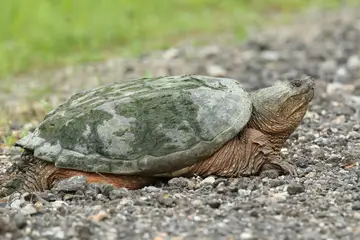
Habitat: These turtles are mostly aquatic, however, they can travel great distances on land in the summer months. They are commonly found in marshes, permanent pools, and small streams with lots of vegetation. (Nebraska Game and Parks Commission)
This turtle can be found in a few counties that border the Missouri River near oxbow lakes and reservoirs. Nebraska Game and Parks Commission
What the sources say
Habitat: These turtles are associated with large rivers and backwater ponds. However, they also can be found in large lakes, streams, and tributaries leading to larger rivers. These turtles need basking sites, so places with fallen trees, stumps and sandy shores are preferred. (Nebraska Game and Parks Commission)
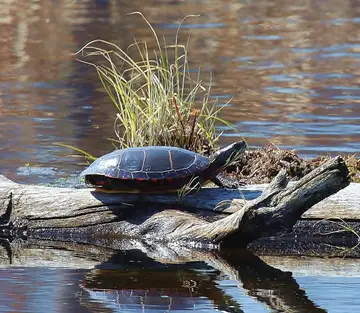
Photo: U. S. Fish and Wildlife Service - Northeast Region · Public domain · Wikimedia Commons
Habitat: Northern Painted turtles can be found in any body of water. However, these turtles prefer permanent areas with aquatic plants like ponds and lakes. They can also be found in the Missouri, Niobrara, Platte and Republican rivers. (Nebraska Game and Parks Commission)
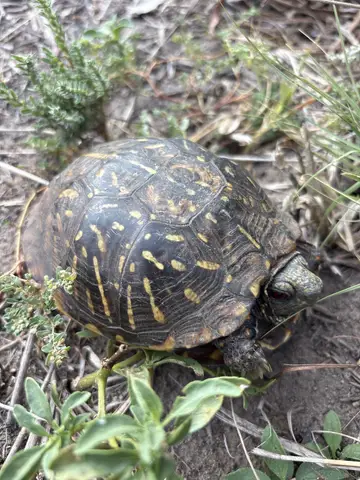
In Nebraska, they are mostly found in short and mixed grass prairies in the western part of the state and in the sandhills. Nebraska Game and Parks Commission
What the sources say
Habitat: Ornate Box turtles can be found in short, mixed, and tallgrass prairies. However, they are more common in sandy or loamy soils. (Nebraska Game and Parks Commission)
No confirmed photo of Slider
Slider
Trachemys scripta
Where in Nebraska
This turtle can be found naturally in Richardson County, in extreme southeast Nebraska. However, they can be found in ponds and reservoirs as released pets. Nebraska Game and Parks Commission
What the sources say
Habitat: These turtles prefer permanent ponds and marshes with lots of aquatic vegetation. Sliders can also be found in city parks, large reservoirs and canals. (Nebraska Game and Parks Commission)
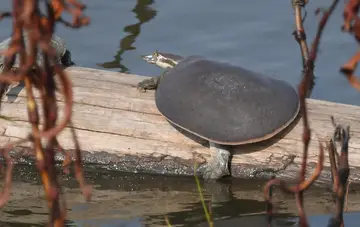
Range: These turtles can be found sporadically throughout the Eastern part of the state. They are primarily a Missouri River species, but can also be found along the Elkhorn, Platte, and Big Blue rivers.
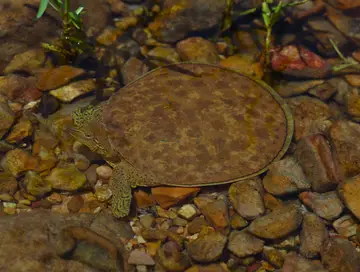
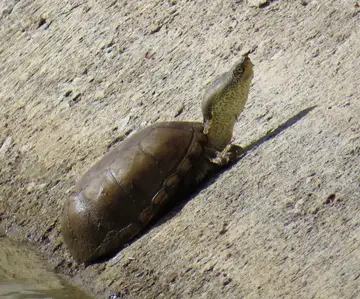
Habitat: This is a large-river species, often preferring a sandy bottom rather than silt. These turtles can also be found in large lakes and reservoirs. Unlike other turtles, this species will often bask on the sandy beach section, rather than on a fallen log. (Nebraska Game and Parks Commission)
Habitat: This turtle species is not as picky for habitat like the Smooth Softshell. They typically are found in streams, ponds, marshes, lakes, and reservoirs. Almost, any body of water is suitable for this turtle. (Nebraska Game and Parks Commission)
The Yellow Mud turtle can be found in the Sandhills’ wetlands and along the Republican River in the Southwestern part of the state. Nebraska Game and Parks Commission
What the sources say
Habitat: This turtle can be found in nearly any permanent or temporary body of water in the short and mixedgrass prairies. To give this turtle its name they prefer areas that are muddy or sandy. (Nebraska Game and Parks Commission)
When turtles are active in Nebraska
Records of turtles in Nebraska peak in May to July. They show when people record turtles, not how many there are (about month bars).
JanFebMarAprMayJunJulAugSepOctNovDec
277 records of turtles in Nebraska by month (GBIF, CC0 and CC BY records).
How to report
NGPC: 402-471-0641 (or a local conservation officer). Sick or dead wildlife: report to a Game and Parks office. Invasive species: Nebraska Invasive Species Council, [email protected] or its Report A Sighting page. Reptile and amphibian sightings: UNL Report A Sighting form (herpneb.unl.edu/report-sighting). Nebraska Game and Parks Commission