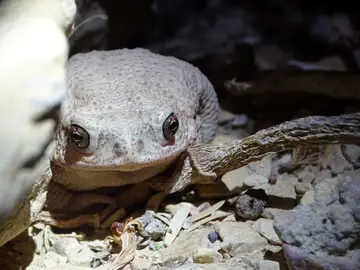
This page lists 15 species: 3 from NDOW's 2022 SGCN List, combined with NAC 503.075, Commission Regulation 19-02 and the NDOW Species Information database and 12 named in other official sources.
1 is nonnative.
All 15 frogs and toads
From A to Z.
No confirmed photo of Amargosa Toad
Amargosa Toad
Anaxyrus nelsoni
Not stated
Venom
No official source we use states whether this animal is venomous. That does not mean it is harmless: do not handle it.
NV state status: Priority Species, State Protected; federal column on NDOW page: Not Evaluated
What the sources say
Habitat: The Amargosa Toad is a rare toad only found in the Oasis Valley of the Amargosa River. The Oasis Valley is on the crux of the Great Basin and the Mojave Desert. Amargosa Toads are dependent on water so the Amargosa River and associated springs provide what they need. (NDOW)
No official source we use states whether this animal is venomous. That does not mean it is harmless: do not handle it.
Size
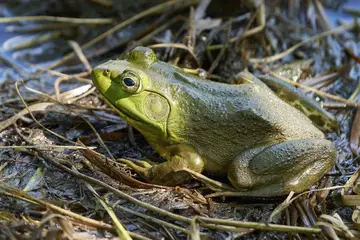
Usually 6 to 8 inches long (NCWRC); can reach 8 inches or more and weigh over 2 pounds (CDFW). Missouri gives 3.5 to 6 inches snout to vent, occasionally to 8.75.
How to recognize it
No ridge (dorsolateral fold) down each side of the back
Large round eardrum: about twice the eye in males, about eye-sized in females
Fully webbed hind feet, longest toe extends past the webbing
Where in Nevada
Statewide (NDOW page map: eastern, southern, western regions) NDOW
Conservation
NV state status: Unprotected; federal column on NDOW page: Least Concern
What the sources say
Habitat: American Bullfrogs can be found throughout Nevada, typically in or near warm, shallow, slow-moving water with plenty of vegetation. Though native to the eastern United States, they have spread across much of the West, where they are considered an invasive species. (NDOW)
NV state status: Priority Species; federal column on NDOW page: Least Concern
What the sources say
Habitat: In Nevada, the Arizona Toad is found exclusively in the Meadow Valley Wash and the Virgin River drainages. They are dependent on water to reproduce and prefer slow moving water. (NDOW)
No confirmed photo of Columbia Spotted Frog
Columbia Spotted Frog
Rana luteiventris
Not stated
Venom
No official source we use states whether this animal is venomous. That does not mean it is harmless: do not handle it.
Where in Nevada
Statewide (NDOW page map: eastern, southern, western regions) NDOW
Conservation
NV state status: Priority Species, State Protected; federal column on NDOW page: Least Concern
What the sources say
Habitat: In Nevada, these frogs occur in three geographically separated subpopulations in the Jarbidge, Independence, Ruby, and Toiyabe Mountains. The Columbia Spotted Frog is dependent on permanent, clean, fresh water sources in the form of lakes, ponds, streams, marshes, and wet riparian corridors. (NDOW)
No confirmed photo of Dixie Valley Toad
Dixie Valley Toad
Anaxyrus williamsi
Not stated
Venom
No official source we use states whether this animal is venomous. That does not mean it is harmless: do not handle it.
No official source we use states whether this animal is venomous. That does not mean it is harmless: do not handle it.
Where in Nevada
Statewide (NDOW page map: eastern, southern, western regions) NDOW
Conservation
NV state status: Priority Species; federal column on NDOW page: Least Concern
What the sources say
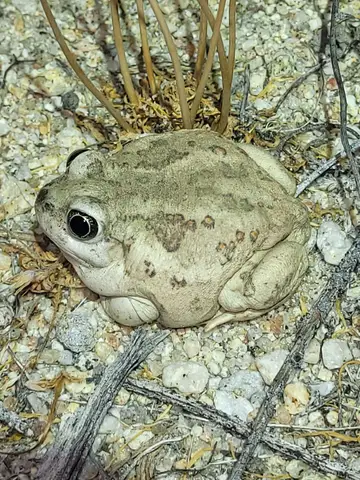
Habitat: This toad is found throughout Nevada except for some of the southern portion of the state. They are an arid toad that prefers sagebrush flats, pinyon-juniper woodlands, and desert shrublands. They need soft soils, so they can burrow to escape the desert heat. (NDOW)
NV state status: Priority Species; federal column on NDOW page: Least Concern
What the sources say
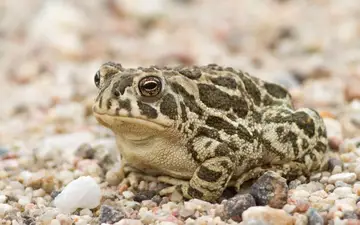
Habitat: Nevada marks the western edge of the Great Plains Toad’s range. These toads prefer open areas and grasslands in the arid desert. They prefer lower, wetter areas of the desert such as irrigation canals, flood plains, intermittent pools, and reservoirs. (NDOW)
No confirmed photo of Hot Creek Toad
Hot Creek Toad
Anaxyrus monfontanus
Not stated
Venom
No official source we use states whether this animal is venomous. That does not mean it is harmless: do not handle it.
No official source we use states whether this animal is venomous. That does not mean it is harmless: do not handle it.
Where in Nevada
Statewide (NDOW page map: eastern, southern, western regions) NDOW
Conservation
NV state status: Priority Species, State Protected; federal column on NDOW page: Least Concern
What the sources say
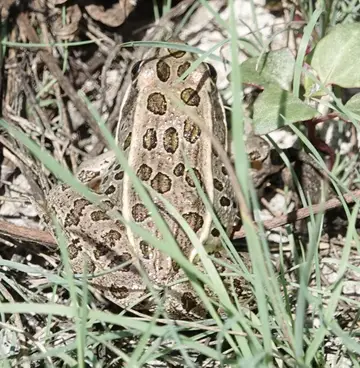
Habitat: The Northern Leopard Frog is found in many different types of habitats, but they all need to include access to a permanent source of water. They can be found in high elevations. They use springs, streams, marshes, ponds, reservoirs, and lakes for breeding and grasslands, uplands, and shrublands when not breeding. (NDOW)
No confirmed photo of Pacific Tree (Chorus) Frog
Pacific Tree (Chorus) Frog
Pseudacris regilla
Not stated
Venom
No official source we use states whether this animal is venomous. That does not mean it is harmless: do not handle it.
JFMAMJJASOND
49 records by month.
No confirmed photo of Railroad Valley Toad
Railroad Valley Toad
Anaxyrus nevadensis
Not stated
Venom
No official source we use states whether this animal is venomous. That does not mean it is harmless: do not handle it.
NV state status: Unprotected; federal column on NDOW page: Least Concern
What the sources say
Habitat: The Red-spotted Toad is found from southern Nevada throughout the south-central United States and down into Mexico. It can be found in rocky riparian habitats up to about 7000 feet in elevation. (NDOW)
No confirmed photo of Relict Leopard Frog
Relict Leopard Frog
Lithobates onca
Not stated
Venom
No official source we use states whether this animal is venomous. That does not mean it is harmless: do not handle it.
NV state status: Priority Species, State Protected; federal column on NDOW page: Not Evaluated
What the sources say
Habitat: Relict Leopard Frogs occupy springs, spring outflows, associated marshes, and wetland habitats generally close to river systems. In Nevada, they are only found in the southern part of the state in the spring that feeds the Virgin, Muddy, and Colorado Rivers. (NDOW)
No confirmed photo of Western Toad
Western Toad
Anaxyrus boreas
Not stated
Venom
No official source we use states whether this animal is venomous. That does not mean it is harmless: do not handle it.
NV state status: Priority Species; federal column on NDOW page: Least Concern
What the sources say
Habitat: The Western Toad uses many different types of habitats. They are found in most of Nevada, except for the very southern part of the state. (NDOW)
No confirmed photo of Woodhouse's Toad
Woodhouse's Toad
Anaxyrus woodhousii
Not stated
Venom
No official source we use states whether this animal is venomous. That does not mean it is harmless: do not handle it.
When frogs and toads are active in Nevada
Records of frogs and toads in Nevada peak in April to May and July to August. They show when people record frogs and toads, not how many there are (about month bars).
JanFebMarAprMayJunJulAugSepOctNovDec
171 records of frogs and toads in Nevada by month (GBIF, CC0 and CC BY records).
How to report
NDOW dispatch 775-688-1331 for wildlife emergencies and residential mountain lion sightings; Las Vegas area urban wildlife hotline 702-668-3551 for venomous reptiles that threaten safety; reptile sightings to [email protected]; poaching to Operation Game Thief 1-800-992-3030 (NDOW page). NDOW