States Wildlife

South Dakota Bugs and Insects That Sting or Bite

Last checked November 3, 2026 against official sources.

On this page
  1. Which insects can hurt you
  2. Ticks (arachnids, not insects)
  3. All 6 insects and 5 ticks and mites
  4. When they are active
  5. If you are bitten or stung
  6. How to report
  7. About this list
  8. Sources

This page lists 6 insects and 5 ticks and mites: 9 from SDSU Extension, South Dakota State University's An identification guide for Arthropods of Human Health Concern in South Dakota and 2 named in other official sources. 1 is venomous by official accounts. 1 is nonnative.

Not every species: no complete official list of South Dakota insects exists, so this page covers the ones state and Extension sources name. How lists are built.

Which insects can hurt you

Official sources single out these insects in South Dakota, in their own words:

  • Western encephalitis mosquito

    Disease. “West Nile virus (WNV) is a very active illness in the state of South Dakota.” South Dakota Department of Health

  • Bees, wasps, and hornets

    Venom allergy can cause anaphylaxis (CDC/NIOSH, national). “People who are allergic to venom may experience anaphylaxis, a severe and potentially life-threatening allergic reaction that requires immediate emergency care.” CDC / NIOSH

Ticks (arachnids, not insects)

Official sources single out these ticks in South Dakota, in their own words:

All 6 insects and 5 ticks and mites

Venomous species first, then A to Z. Do not handle them.

No confirmed photo of Bees, wasps, and hornets

Bees, wasps, and hornets

Venomous per CDC / NIOSH

What the sources say

Venom: “People who are allergic to venom may experience anaphylaxis, a severe and potentially life-threatening allergic reaction that requires immediate emergency care.” (CDC / NIOSH)

No confirmed photo of Anopheles mosquitoes (Anopheles spp.)

Anopheles mosquitoes (Anopheles spp.)

Not stated

Venom
No official source we use states whether this animal is venomous. That does not mean it is harmless: do not handle it.
No confirmed photo of Bed bugs (Cimicidae)

Bed bugs (Cimicidae)

Not stated

Venom
No official source we use states whether this animal is venomous. That does not mean it is harmless: do not handle it.
No confirmed photo of Chiggers (Trombiculidae)

Chiggers (Trombiculidae)

Not stated Mite: an arachnid, not an insect

Venom
No official source we use states whether this animal is venomous. That does not mean it is harmless: do not handle it.
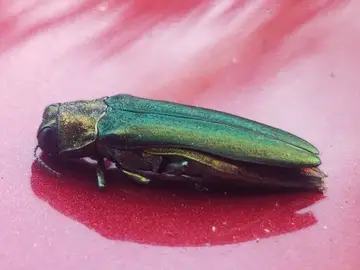
Emerald ash borer
Photo: Brandon McCracken · CC BY 4.0 · iNaturalist

Emerald ash borer

Not stated Invasive

Venom
No official source we use states whether this animal is venomous. That does not mean it is harmless: do not handle it.
Where in South Dakota
Confirmed in Watertown and Milbank (state EAB site); quarantine area mapped there State of South Dakota
No confirmed photo of Inland floodwater mosquito

Inland floodwater mosquito

Aedes vexans

Not stated

Venom
No official source we use states whether this animal is venomous. That does not mean it is harmless: do not handle it.
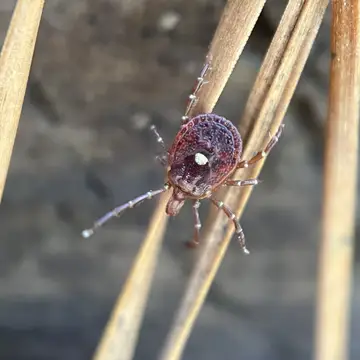
Lone star tick
Photo: Jasper Shide · CC0 1.0 · iNaturalist

Lone star tick

Amblyomma americanum

Not stated Tick: an arachnid, not an insect

Venom
No official source we use states whether this animal is venomous. That does not mean it is harmless: do not handle it.
Danger to people
“Alpha-gal syndrome causes allergies towards red meat and can result in anaphylaxis” SDSU Extension, South Dakota State University
Where in South Dakota
Isolated observations in southeast SD SDSU Extension, South Dakota State University
No confirmed photo of Rocky Mountain wood tick

Rocky Mountain wood tick

Dermacentor andersoni

Not stated Tick: an arachnid, not an insect

Venom
No official source we use states whether this animal is venomous. That does not mean it is harmless: do not handle it.
Danger to people
“Tularemia, Rocky Mountain spotted fever (RMSF), Colorado tick fever (CTF)” SDSU Extension, South Dakota State University
Where in South Dakota
Black Hills, extreme Western South Dakota SDSU Extension, South Dakota State University
No confirmed photo of Western encephalitis mosquito

Western encephalitis mosquito

Culex tarsalis

Not stated

Venom
No official source we use states whether this animal is venomous. That does not mean it is harmless: do not handle it.
Danger to people
“West Nile virus (WNV) is a very active illness in the state of South Dakota.” South Dakota Department of Health

When insects are active in South Dakota

Records of insects in South Dakota peak in July to August. They show when people record insects, not how many there are (about month bars).

17,810 records of insects in South Dakota by month (GBIF, CC0 and CC BY records).

If you are bitten or stung

Call 911 or Poison Help at 1-800-222-1222 right away. Poison Help connects you to your local poison center, any time of day.

Official advice from South Dakota Department of Health and SDSU Extension, South Dakota State University:

How to report

SDGFP: [email protected] (hunting/fishing and wildlife questions); report a suspected aquatic invasive species with a photo to [email protected]; report a tick photo to SD DOH via the South Dakota Tick Survey; report wildlife violations at 1.888.OVERBAG. South Dakota Game, Fish and Parks

About this list

The species list comes from An identification guide for Arthropods of Human Health Concern in South Dakota (P-00243) (SDSU Extension, South Dakota State University, 2022). 2 more entries come from other official sources named on each card.

Venom labels come only from official sources and link to them; "Not stated" never means harmless. How labels work.

"Nonnative" and "Invasive" follow the wording of the source list. See invasive species in South Dakota.

Sources

  1. Contact Us. South Dakota Game, Fish and Parks. undated page; checked November 3, 2026.
  2. An identification guide for Arthropods of Human Health Concern in South Dakota (P-00243). SDSU Extension, South Dakota State University. 2022; checked November 3, 2026.
    Quoted passages (6)
    “Tularemia, Rocky Mountain spotted fever (RMSF), encephalitis”
    “Tularemia, Rocky Mountain spotted fever (RMSF), Colorado tick fever (CTF)”
    “Lyme disease, human granulocytic anaplasmosis (HGA)”
    “Alpha-gal syndrome causes allergies towards red meat and can result in anaphylaxis”
    “Peak activity from May-August”
    “Adults are active April-late August”
  3. West Nile Virus. South Dakota Department of Health. Content last updated: May 1, 2025; checked November 3, 2026.
    Quoted passages (1)
    “West Nile virus (WNV) is a very active illness in the state of South Dakota.”
  4. Insects and Scorpions at Work. CDC / NIOSH. archived copy, captured October 4, 2026; checked November 3, 2026.
    Quoted passages (1)
    “People who are allergic to venom may experience anaphylaxis, a severe and potentially life-threatening allergic reaction that requires immediate emergency care.”
  5. Emerald Ash Borer in South Dakota. State of South Dakota (emeraldashborerinsouthdakota.sd.gov). undated page; checked November 3, 2026.
  6. Tick-Borne Diseases. South Dakota Department of Health. Content last updated: November 20, 2025; checked November 3, 2026.
    Quoted passages (2)
    “Prevention Tip: Wear long sleeves and pants, use EPA-registered repellents, and check for ticks after spending time outdoors.”
    “Several tick species in South Dakota are active during warmer months”
  7. Spring is here, and so are the ticks! SDSU Extension, South Dakota State University. Updated April 11, 2025; checked November 3, 2026.
    Quoted passages (1)
    “If you are concerned about a tick bite or develop other symptoms after the bite, contact your healthcare provider immediately.”
  8. SD Least Wanted: Laws and Regulations (aquatic invasive species). South Dakota Game, Fish and Parks (sdleastwanted.sd.gov). undated page; checked November 3, 2026.
    Quoted passages (1)
    “If you catch what you believe is an invasive species, please take a picture of it and send the picture to [email protected].”
  9. GBIF.org occurrence records, human observations licensed CC0 1.0 or CC BY 4.0 only, accessed November 3, 2026. The datasets behind these counts are listed on our Sources page.