States Wildlife

South Dakota wildlife: what lives here and what is dangerous

Last checked November 3, 2026 against official sources.

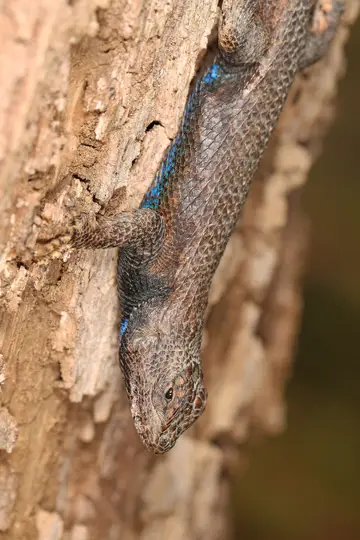
Prairie (Eastern Fence) Lizard
Photo: Judy Gallagher · CC BY 2.0 · Wikimedia Commons

South Dakota has 1 venomous snake named by official sources: Prairie Rattlesnake, as labelled by National Park Service. This guide covers 8 animal groups from South Dakota Game, Fish and Parks lists and other official sources, with photos, venomous status and when each group is active.

Identification help has limits: a photo cannot confirm that an animal is safe. Watch from a distance and never handle a wild animal.

On this page
  1. Animal groups
  2. Dangerous animals
  3. Invasive species
  4. Seasons
  5. Official agency and reporting
  6. Questions
  7. Sources

Animal groups in South Dakota

Dangerous animals in South Dakota

These are the animals official sources describe as venomous or as a risk to people in South Dakota, across 5 groups. The reason is given in the source's own terms.

AnimalGroupWhy, per the sourceSource
Prairie RattlesnakeSnakesVenomous: “Prairie Rattlesnakes are the only venomous snakes in South Dakota. … South Dakota’s only species of venomous snake.”National Park Service
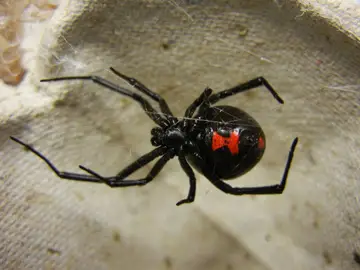
Black widow spiderSpidersVenomous: “…two dangerous venomous species of spider-the black widow … are of major medical consequence in the United States.”Cooperative Extension Service, South Dakota State University
Bees, wasps, and hornetsInsects and BugsVenomous: “People who are allergic to venom may experience anaphylaxis, a severe and potentially life-threatening allergic reaction that requires immediate emergency care.”CDC / NIOSH
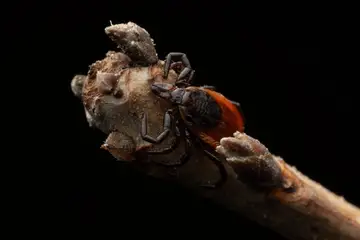
American dog tickTicks (arachnids)Disease: “Tularemia, Rocky Mountain spotted fever (RMSF), encephalitis”SDSU Extension, South Dakota State University
Rocky Mountain wood tickTicks (arachnids)Disease: “Tularemia, Rocky Mountain spotted fever (RMSF), Colorado tick fever (CTF)”SDSU Extension, South Dakota State University
Blacklegged tickTicks (arachnids)Disease: “Lyme disease, human granulocytic anaplasmosis (HGA)”SDSU Extension, South Dakota State University
Lone star tickTicks (arachnids)Disease and alpha-gal syndrome (SDSU Extension): “Alpha-gal syndrome causes allergies towards red meat and can result in anaphylaxis”SDSU Extension, South Dakota State University
Western encephalitis mosquitoInsects and BugsDisease: “West Nile virus (WNV) is a very active illness in the state of South Dakota.”South Dakota Department of Health
Striped skunk (and skunks generally)MammalsDisease: “Skunks are the primary terrestrial reservoirs of rabies in South Dakota.”South Dakota Department of Health
BatsMammalsDisease: “The other primary reservoir of rabies in South Dakota is bats”South Dakota Department of Health
Mountain lionMammalsLarge predator. SDGFP gives steps to avoid an attack if you meet one, and says attacks in the US are rare and there has never been a recorded attack in South Dakota (brochure last revised 2012): “Mountain lion attacks in the United States are rare. … There has never been a recorded attack in South Dakota.”South Dakota Game, Fish and Parks

Not native here

Official sources say the brown recluse spider is not native to South Dakota or not found there. It is not counted among the dangerous animals above; each entry quotes the source.

Venomous snakes in South Dakota shows each venomous snake with photos and range.

Invasive and nonnative species

19 nonnative animals are named on South Dakota's official lists (South Dakota Game, Fish and Parks).

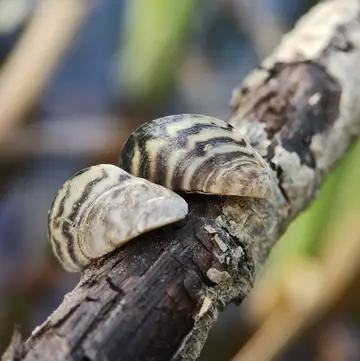
  • Zebra mussel
  • Black carp
  • Bighead carp
  • Silver carp
  • Grass carp
  • Common carp
  • Northern snakehead
  • Round goby

All invasive species in South Dakota, with where they live and how to report them.

When animals are active in South Dakota

Darker cells are the months with more open-licence observation records of each group in South Dakota (GBIF). They show when people see and record these animals, not how many there are. The current month, this month, is highlighted.

JanFebMarAprMayJunJulAugSepOctNovDec
SnakesJanuary: 2 recordsFebruary: 0 recordsMarch: 0 recordsApril: 19 recordsMay: 46 recordsJune: 72 recordsJuly: 50 recordsAugust: 28 recordsSeptember: 24 recordsOctober: 23 recordsNovember: 5 recordsDecember: 0 records
SpidersJanuary: 0 recordsFebruary: 0 recordsMarch: 0 recordsApril: 7 recordsMay: 10 recordsJune: 13 recordsJuly: 23 recordsAugust: 45 recordsSeptember: 46 recordsOctober: 13 recordsNovember: 2 recordsDecember: 0 records
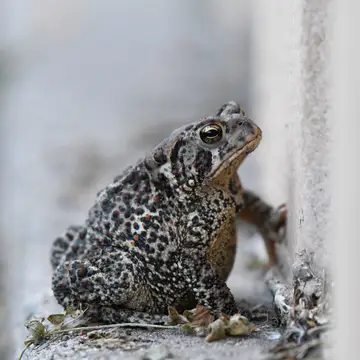
Frogs and ToadsJanuary: 0 recordsFebruary: 0 recordsMarch: 5 recordsApril: 23 recordsMay: 42 recordsJune: 52 recordsJuly: 72 recordsAugust: 62 recordsSeptember: 25 recordsOctober: 6 recordsNovember: 1 recordDecember: 0 records
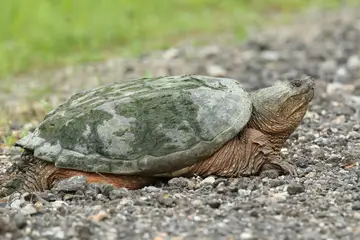
TurtlesJanuary: 0 recordsFebruary: 0 recordsMarch: 1 recordApril: 26 recordsMay: 71 recordsJune: 42 recordsJuly: 18 recordsAugust: 12 recordsSeptember: 10 recordsOctober: 2 recordsNovember: 2 recordsDecember: 0 records
Insects and BugsJanuary: 10 recordsFebruary: 6 recordsMarch: 18 recordsApril: 91 recordsMay: 555 recordsJune: 1,829 recordsJuly: 3,989 recordsAugust: 4,226 recordsSeptember: 1,373 recordsOctober: 160 recordsNovember: 33 recordsDecember: 16 records
MammalsJanuary: 40 recordsFebruary: 14 recordsMarch: 93 recordsApril: 152 recordsMay: 145 recordsJune: 439 recordsJuly: 709 recordsAugust: 368 recordsSeptember: 146 recordsOctober: 105 recordsNovember: 30 recordsDecember: 69 records

What official sources say about seasons

Official agency and how to report

South Dakota's wildlife agency is the South Dakota Game, Fish and Parks.

Report: SDGFP: [email protected] (hunting/fishing and wildlife questions); report a suspected aquatic invasive species with a photo to [email protected]; report a tick photo to SD DOH via the South Dakota Tick Survey; report wildlife violations at 1.888.OVERBAG. South Dakota Game, Fish and Parks

Official safety advice

Questions people ask about South Dakota wildlife

Are there venomous snakes in South Dakota?

Yes. NPS says prairie rattlesnakes are the only venomous snakes in South Dakota. National Park Service

How many venomous snakes are in South Dakota?

Only one snake in South Dakota is venomous, the prairie rattlesnake (NPS). National Park Service

Are there copperheads or water moccasins in South Dakota?

Not on the official list. Neither is on the SDGFP amphibian and reptile checklist, and NPS says the prairie rattlesnake is the only venomous snake in the state. National Park Service

Are there black widows in South Dakota?

Yes. An SDSU Extension fact sheet (1968, historic) says the black widow is frequently found in the state. Cooperative Extension Service, South Dakota State University

Are there ticks with lyme disease in South Dakota?

Yes. SDSU Extension lists the blacklegged tick, which transmits Lyme disease, east of the James River. SDSU Extension, South Dakota State University

Are there mountain lions in South Dakota?

Yes. SDGFP says there is a breeding population in the Black Hills. Its mountain lion brochure (last revised 2012) says there has never been a recorded attack in South Dakota. South Dakota Game, Fish and Parks

Are there bears in South Dakota?

Rarely. The SDGFP mammal checklist lists Black Bear with status A (Accidental). South Dakota Game, Fish and Parks

Are there wolves in South Dakota?

Rarely. The SDGFP mammal checklist lists Gray Wolf with status C (Casual); SDGFP lists the gray wolf as federally endangered statewide. South Dakota Game, Fish and Parks

Are there alligators in South Dakota?

Not on the official list. No crocodilian appears on the SDGFP amphibian and reptile checklist. South Dakota Game, Fish and Parks

Sources

  1. Contact Us. South Dakota Game, Fish and Parks. undated page; checked November 3, 2026.
  2. Prairie Rattlesnake (Crotalus virdidis) - Jewel Cave National Monument. National Park Service. updated January 9, 2024; checked November 3, 2026.
    Quoted passages (2)
    “Prairie Rattlesnakes are the only venomous snakes in South Dakota. … South Dakota’s only species of venomous snake.”
    “Prairie Rattlesnakes are the only venomous snakes in South Dakota.”
  3. Venomous Spiders in South Dakota (FS 421). Cooperative Extension Service, South Dakota State University (Berndt and Kantack). archived copy, captured July 9, 2024; checked November 3, 2026.
    Quoted passages (3)
    “…two dangerous venomous species of spider-the black widow … are of major medical consequence in the United States.”
    “…the brown recluse spider has not been reported in South Dakota.”
    “…the more familiar black widow spider frequently is found in this state”
  4. Insects and Scorpions at Work. CDC / NIOSH. archived copy, captured October 4, 2026; checked November 3, 2026.
    Quoted passages (1)
    “People who are allergic to venom may experience anaphylaxis, a severe and potentially life-threatening allergic reaction that requires immediate emergency care.”
  5. An identification guide for Arthropods of Human Health Concern in South Dakota (P-00243). SDSU Extension, South Dakota State University. 2022; checked November 3, 2026.
    Quoted passages (7)
    “Tularemia, Rocky Mountain spotted fever (RMSF), encephalitis”
    “Tularemia, Rocky Mountain spotted fever (RMSF), Colorado tick fever (CTF)”
    “Lyme disease, human granulocytic anaplasmosis (HGA)”
    “Alpha-gal syndrome causes allergies towards red meat and can result in anaphylaxis”
    “Distribution in South Dakota • East of the James River”
    “Peak activity from May-August”
    “Adults are active April-late August”
  6. West Nile Virus. South Dakota Department of Health. Content last updated: May 1, 2025; checked November 3, 2026.
    Quoted passages (1)
    “West Nile virus (WNV) is a very active illness in the state of South Dakota.”
  7. Rabies Surveillance Report, South Dakota, 2023. South Dakota Department of Health. 2023 report; checked November 3, 2026.
    Quoted passages (3)
    “Skunks are the primary terrestrial reservoirs of rabies in South Dakota.”
    “The other primary reservoir of rabies in South Dakota is bats”
    “Never touch stray, unfamiliar, or wild animals, especially skunks and bats.”
  8. When Mountain Lions Meet People (mountain lion brochure). South Dakota Game, Fish and Parks. brochure 'Last Revised 2012'; checked November 3, 2026.
    Quoted passages (1)
    “Mountain lion attacks in the United States are rare. … There has never been a recorded attack in South Dakota.”
  9. SD Least Wanted: Laws and Regulations (aquatic invasive species). South Dakota Game, Fish and Parks (sdleastwanted.sd.gov). undated page; checked November 3, 2026.
    Quoted passages (3)
    “Asian clam, New Zealand mudsnail, quagga mussel, red rimmed melania, red swamp crayfish, rusty crayfish, spiny waterflea, golden mussel, and zebra mussel.”
    “Black carp, bighead carp, blotched snakehead, bullseye snakehead, common carp, rudd, giant snakehead, grass carp, northern snakehead, round goby, silver carp, western mosquitofish, prussian carp, and white perch.”
    “If you catch what you believe is an invasive species, please take a picture of it and send the picture to [email protected].”
  10. Reptiles - Jewel Cave National Monument. National Park Service. updated October 5, 2022; checked November 3, 2026.
    Quoted passages (2)
    “Only one snake in South Dakota is venomous, the prairie rattlesnake.”
    “If you hear rattling from the tall grass, the best move is to slowly back out the way you came in.”
  11. Mountain Lion. South Dakota Game, Fish and Parks. undated page; checked November 3, 2026.
    Quoted passages (1)
    “With a breeding population established in the Black Hills”
  12. Mammals checklist. South Dakota Game, Fish and Parks (Wildlife Action Plan website checklists). undated page; checked November 3, 2026.
    Quoted passages (2)
    “Black Bear Ursus americanus A”
    “Gray Wolf Canis lupus C”
  13. Amphibians and Reptiles checklist. South Dakota Game, Fish and Parks (Wildlife Action Plan website checklists). undated page; checked November 3, 2026.
  14. Prairie Rattlesnakes in the Badlands. National Park Service (Badlands National Park). updated April 16, 2021; checked November 3, 2026.
    Quoted passages (5)
    “If you are bitten by a rattlesnake, please call 911 immediately.”
    “One of the best ways to prevent a bite is to give these animals plenty of space and not try to handle them.”
    “Snakes typically come out of hibernaculums and return to their summer activity in April or May when the weather is warm enough.”
    “Female rattlesnakes give birth to 8-17 baby snakes in the late summer. … they are born venomous.”
    “In the winter, ground temperatures are too cool for snakes to be active.”
  15. Tick-Borne Diseases. South Dakota Department of Health. Content last updated: November 20, 2025; checked November 3, 2026.
    Quoted passages (2)
    “Prevention Tip: Wear long sleeves and pants, use EPA-registered repellents, and check for ticks after spending time outdoors.”
    “Several tick species in South Dakota are active during warmer months”
  16. Spring is here, and so are the ticks! SDSU Extension, South Dakota State University. Updated April 11, 2025; checked November 3, 2026.
    Quoted passages (1)
    “If you are concerned about a tick bite or develop other symptoms after the bite, contact your healthcare provider immediately.”
  17. GBIF.org occurrence records, human observations licensed CC0 1.0 or CC BY 4.0 only, accessed November 3, 2026. The datasets behind these counts are listed on our Sources page.