States Wildlife

Idaho Lizards: Identification Guide With Pictures

Last checked November 3, 2026 against official sources.

On this page
  1. All 11 lizards
  2. Lookalikes
  3. When they are active
  4. How to report
  5. About this list
  6. Sources

This page lists 11 lizards: all from Idaho Department of Fish and Game's Idaho Species Catalog, Reptilia Class.

All 11 lizards

From A to Z.

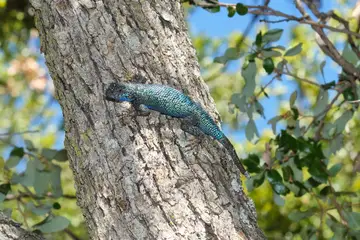
Common Sagebrush Lizard
Photo: Ben · CC0 1.0 · iNaturalist

Common Sagebrush Lizard

Sceloporus graciosus

Not stated

Venom
No official source we use states whether this animal is venomous. That does not mean it is harmless: do not handle it.
Conservation
IDAPA classification: Protected Nongame; State Conservation Rank S5
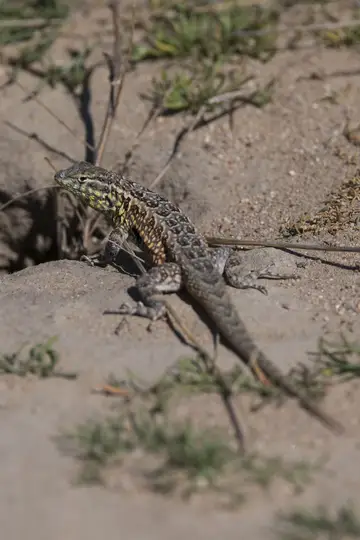
Common Side-blotched Lizard
Photo: William Walker · CC BY 4.0 · iNaturalist

Common Side-blotched Lizard

Uta stansburiana

Not stated

Venom
No official source we use states whether this animal is venomous. That does not mean it is harmless: do not handle it.
Conservation
IDAPA classification: Protected Nongame; State Conservation Rank S4
39 records by month.
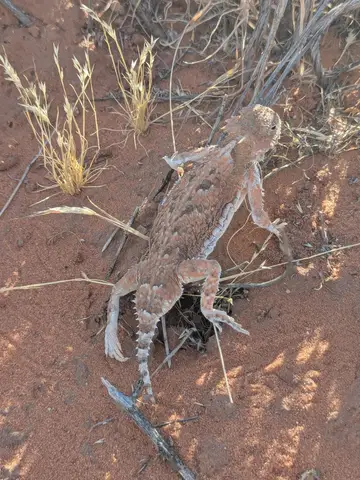
Desert Horned Lizard
Photo: colorful-corvid · CC BY 4.0 · iNaturalist

Desert Horned Lizard

Phrynosoma platyrhinos

Not stated

Venom
No official source we use states whether this animal is venomous. That does not mean it is harmless: do not handle it.
Conservation
IDAPA classification: Protected Nongame; State Conservation Rank S3
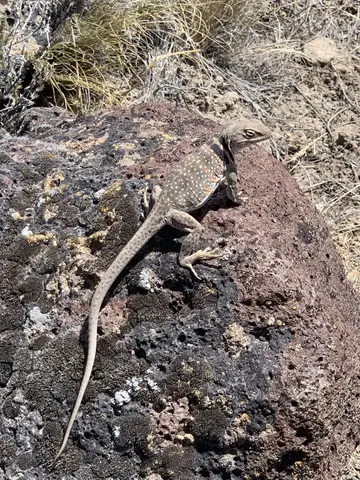
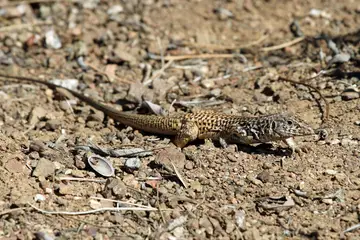
Great Basin Collared Lizard
Photo: Joshua Zupan · CC0 1.0 · iNaturalist

Great Basin Collared Lizard

Crotaphytus bicinctores

Not stated

Venom
No official source we use states whether this animal is venomous. That does not mean it is harmless: do not handle it.
Conservation
IDAPA classification: Protected Nongame; State Conservation Rank S1
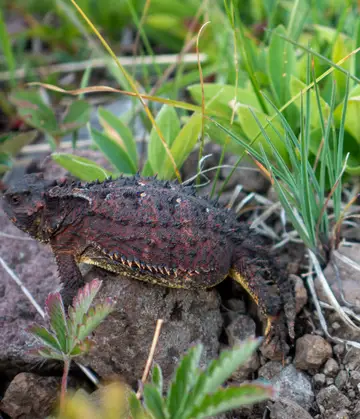
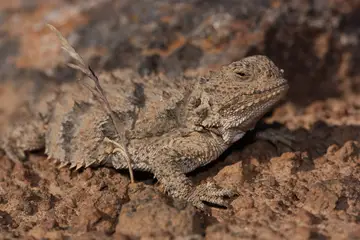
Greater Short-horned Lizard
Photo: Bob Walker · CC BY 4.0 · iNaturalist

Greater Short-horned Lizard

Phrynosoma hernandesi

Not stated

Venom
No official source we use states whether this animal is venomous. That does not mean it is harmless: do not handle it.
Conservation
IDAPA classification: Protected Nongame; State Conservation Rank S2
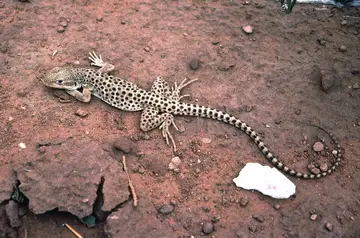
Long-nosed Leopard Lizard
Photo: ALAN SCHMIERER · CC0 · Wikimedia Commons

Long-nosed Leopard Lizard

Gambelia wislizenii

Not stated

Venom
No official source we use states whether this animal is venomous. That does not mean it is harmless: do not handle it.
Conservation
IDAPA classification: Protected Nongame; State Conservation Rank S3
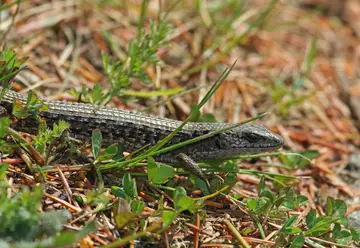
Northern Alligator Lizard
Photo: USFWS - Pacific Region · Public domain · Wikimedia Commons

Northern Alligator Lizard

Elgaria coerulea

Not stated

Venom
No official source we use states whether this animal is venomous. That does not mean it is harmless: do not handle it.
Conservation
IDAPA classification: Protected Nongame; State Conservation Rank S3
Pygmy Short-horned Lizard
Photo: Walter Siegmund (talk) · CC BY-SA 3.0 · Wikimedia Commons · resized

Pygmy Short-horned Lizard

Phrynosoma douglasii

Not stated

Venom
No official source we use states whether this animal is venomous. That does not mean it is harmless: do not handle it.
Conservation
IDAPA classification: Protected Nongame; State Conservation Rank S3
Tiger Whiptail
Photo: Greg Schechter · CC BY 2.0 · Wikimedia Commons

Tiger Whiptail

Aspidoscelis tigris

Not stated

Venom
No official source we use states whether this animal is venomous. That does not mean it is harmless: do not handle it.
Conservation
IDAPA classification: Protected Nongame; State Conservation Rank S4
Western Fence Lizard
Photo: Shawn O'Donnell · CC BY 4.0 · iNaturalist

Western Fence Lizard

Sceloporus occidentalis

Not stated

Venom
No official source we use states whether this animal is venomous. That does not mean it is harmless: do not handle it.
Size
Adults 2.2 to 3.4 inches snout to vent (body without tail).
How to recognize it
  • Keeled, spiny scales on the back
  • In mature males the entire throat is blue and the blue belly patches are outlined in black
  • Yellow scales on the back of the thighs
Conservation
IDAPA classification: Protected Nongame; State Conservation Rank S4
112 records by month.

Full Western Fence Lizard guide

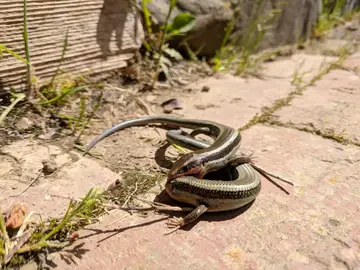
Western Skink
Photo: Andy Kleinhesselink · CC0 1.0 · iNaturalist

Western Skink

Plestiodon skiltonianus

Not stated

Venom
No official source we use states whether this animal is venomous. That does not mean it is harmless: do not handle it.
Conservation
IDAPA classification: Protected Nongame; State Conservation Rank S4

Lizards people confuse

Western Fence Lizard or Sagebrush lizard?

Western Fence Lizard
Photo: Shawn O'Donnell · CC BY 4.0 · iNaturalist

Western Fence Lizard Not stated

Sagebrush lizard
Photo: Ben · CC0 1.0 · iNaturalist

Sagebrush lizard Not stated

Smaller (adults under 2.4 in snout to vent), less robust, with orange or rust armpits, no yellow on the back of the thighs and smaller spiny scales. Male sagebrush lizards have blue mottling on the throat; male fence lizards have an entirely blue throat.

Western Fence Lizard or Side-blotched lizard?

Western Fence Lizard
Photo: Shawn O'Donnell · CC BY 4.0 · iNaturalist

Western Fence Lizard Not stated

Side-blotched lizard
Photo: William Walker · CC BY 4.0 · iNaturalist

Side-blotched lizard Not stated

Smaller, with fine granular (not spiny) back scales, a fold of skin across the throat and a black spot on the side behind the front leg.

Photos show typical adults; individuals vary. Never get close to compare.

When lizards are active in Idaho

Records of lizards in Idaho peak in May to June and August. They show when people record lizards, not how many there are (about month bars).

277 records of lizards in Idaho by month (GBIF, CC0 and CC BY records).

How to report

Invasive species: Idaho Invasive Species Hotline 1-877-336-8676 (ISDA). Wildlife crimes: Citizens Against Poaching 1-800-632-5999 (IDFG). Bear sightings and conflicts: report to the state wildlife agency (IDFG regional offices). Idaho State Department of Agriculture

About this list

The species list comes from Idaho Species Catalog, Reptilia Class (In Idaho? = Yes) (Idaho Department of Fish and Game, 2017 (Internet Archive capture 2017-05-02); same species on the 2024-09-12 capture of the unfiltered Reptilia class page (sources/v-idaho-2.txt)).

Venom labels come only from official sources and link to them; "Not stated" never means harmless. How labels work.

Sources

  1. About Fish and Game. Idaho Department of Fish and Game. archived copy, captured September 23, 2026; checked November 3, 2026.
  2. Idaho Species Catalog: Reptilia Class (In Idaho? = Yes). Idaho Department of Fish and Game. archived copy, captured May 2, 2017; checked November 3, 2026.
  3. Invasive Species / Pests / Invertebrates. Idaho State Department of Agriculture (Invasive Species of Idaho program). undated page; checked November 3, 2026.
    Quoted passages (1)
    “Idaho Invasive Species Hotline [toll-free]: 1-877-336-8676”
  4. GBIF.org occurrence records, human observations licensed CC0 1.0 or CC BY 4.0 only, accessed November 3, 2026. The datasets behind these counts are listed on our Sources page.