States Wildlife

Oregon Bugs and Insects That Sting or Bite

Last checked November 3, 2026 against official sources.

On this page
  1. Which insects can hurt you
  2. Ticks (arachnids, not insects)
  3. All 5 insects and 4 ticks
  4. When they are active
  5. If you are bitten or stung
  6. How to report
  7. About this list
  8. Sources

This page lists 5 insects and 4 ticks. 1 is venomous by official accounts.

Not every species: no complete official list of Oregon insects exists, so this page covers the ones state and Extension sources name. How lists are built.

Which insects can hurt you

Official sources single out these insects in Oregon, in their own words:

Ticks (arachnids, not insects)

Official sources single out these ticks in Oregon, in their own words:

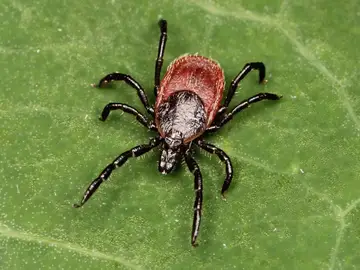
  • Western blacklegged tick and other ticks
    Photo: Kaldari · CC0 · Wikimedia Commons

    Western blacklegged tick and other ticks

    Disease (OSU Extension). “Other diseases spread by ticks have been found in Oregon including tick-borne relapsing fever, Rocky Mountain spotted fever, tularemia, and Colorado tick fever.” Oregon State University Extension Service

All 5 insects and 4 ticks

Venomous species first, then A to Z. Do not handle them.

No confirmed photo of Bees and wasps (Hymenoptera)

Bees and wasps (Hymenoptera)

Venomous per Oregon Poison Center, Oregon Health & Science University

What the sources say

Venom: “To treat a bee sting, avoid squeezing the stinger or venom sac which can release more venom into the skin.” (Oregon Poison Center, Oregon Health & Science University)

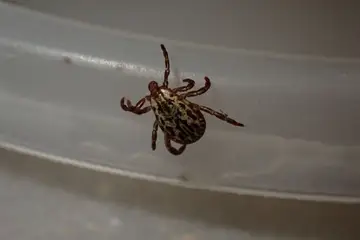
American dog tick
Photo: Turner Brockman · CC BY-SA 4.0 · iNaturalist · resized

American dog tick

Not stated Tick: an arachnid, not an insect

Venom
No official source we use states whether this animal is venomous. That does not mean it is harmless: do not handle it.
No confirmed photo of Deer flies

Deer flies

Not stated

Venom
No official source we use states whether this animal is venomous. That does not mean it is harmless: do not handle it.
Danger to people
“Deer flies can transmit Tularemia, a bacterial infection.” Oregon Poison Center, Oregon Health & Science University
No confirmed photo of Fleas

Fleas

Not stated

Venom
No official source we use states whether this animal is venomous. That does not mean it is harmless: do not handle it.
No confirmed photo of Mosquitoes

Mosquitoes

Not stated

Venom
No official source we use states whether this animal is venomous. That does not mean it is harmless: do not handle it.
Danger to people
“Mosquitos can transmit more serious diseases like Zika virus or West Nile virus (WNV).” Oregon Poison Center, Oregon Health & Science University
No confirmed photo of Pacific Coast tick

Pacific Coast tick

Not stated Tick: an arachnid, not an insect

Venom
No official source we use states whether this animal is venomous. That does not mean it is harmless: do not handle it.
No confirmed photo of Rocky Mountain wood tick

Rocky Mountain wood tick

Not stated Tick: an arachnid, not an insect

Venom
No official source we use states whether this animal is venomous. That does not mean it is harmless: do not handle it.
Western blacklegged tick
Photo: Kaldari · CC0 · Wikimedia Commons

Western blacklegged tick

Ixodes pacificus

Not stated Tick: an arachnid, not an insect

Venom
No official source we use states whether this animal is venomous. That does not mean it is harmless: do not handle it.
Danger to people
“Other diseases spread by ticks have been found in Oregon including tick-borne relapsing fever, Rocky Mountain spotted fever, tularemia, and Colorado tick fever.” Oregon State University Extension Service
No confirmed photo of Western cicada killer

Western cicada killer

Not stated

Venom
No official source we use states whether this animal is venomous. That does not mean it is harmless: do not handle it.

When insects are active in Oregon

Records of insects in Oregon peak in June to August. They show when people record insects, not how many there are (about month bars).

48,746 records of insects in Oregon by month (GBIF, CC0 and CC BY records).

If you are bitten or stung

Call 911 or Poison Help at 1-800-222-1222 right away. Poison Help connects you to your local poison center, any time of day.

Official advice from Oregon Poison Center, Oregon Health & Science University and Oregon Department of Fish and Wildlife:

How to report

Invasive species sightings: Oregon Invasives Hotline, oregoninvasiveshotline.org or 1-866-INVADER; wildlife conflicts: local ODFW office (ODFW main phone 503-947-6000) Oregon Invasives Hotline

About this list

The species list comes from No official list: medically significant and commonly asked species from official sources (Oregon Poison Center; OSU Extension) (Oregon Poison Center, Oregon Health & Science University (poison-control program serving Oregon), undated page (footer © 2001-2026 OHSU); as of retrieval 2026-11-03). 5 more entries come from other official sources named on each card.

Venom labels come only from official sources and link to them; "Not stated" never means harmless. How labels work.

Sources

  1. Wildlife Viewing. Oregon Department of Fish and Wildlife. undated page; checked November 3, 2026.
  2. Bites & Stings. Oregon Poison Center, Oregon Health & Science University (poison-control program serving Oregon). undated page; checked November 3, 2026.
    Quoted passages (6)
    “To treat a bee sting, avoid squeezing the stinger or venom sac which can release more venom into the skin.”
    “Mosquitos can transmit more serious diseases like Zika virus or West Nile virus (WNV).”
    “Deer flies can transmit Tularemia, a bacterial infection.”
    “If left untreated, the effects can be life threatening.”
    “If you are experiencing difficulty breathing or swallowing, seek immediate medical attention by calling 911 or the poison center at 1-800-222-1222.”
    “Their peak season begins in the summer and continues through the fall.”
  3. Northern giant hornets in Oregon? (Ask Extension featured question). Oregon State University Extension Service. Aug 2022; checked November 3, 2026.
  4. How to protect yourself from ticks (EM 9529). Oregon State University Extension Service. EM 9529, Published June 2021, Reviewed 2025; checked November 3, 2026.
    Quoted passages (1)
    “Other diseases spread by ticks have been found in Oregon including tick-borne relapsing fever, Rocky Mountain spotted fever, tularemia, and Colorado tick fever.”
  5. Living with Wildlife: Snakes. Oregon Department of Fish and Wildlife. undated page; checked November 3, 2026.
    Quoted passages (1)
    “Wear over-the-ankle boots and loose-fitting long pants.”
  6. Oregon Invasives Hotline. Oregon Invasives Hotline (Oregon Invasive Species Council; "Maintained by Oregon State University"). undated page; checked November 3, 2026.
    Quoted passages (1)
    “Report potential invasive species you've found to the Online Hotline. Your submission will provide vital early detection information to the experts working to stop the next invasion before it starts!”
  7. GBIF.org occurrence records, human observations licensed CC0 1.0 or CC BY 4.0 only, accessed November 3, 2026. The datasets behind these counts are listed on our Sources page.