

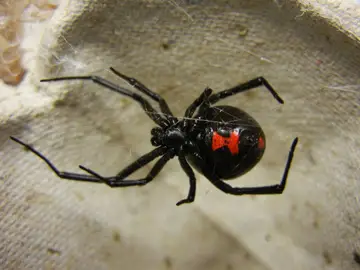
Black widow
What the sources say
Venom: “Widow spider envenomation may lead to symptoms that include painful muscle spasms, abdominal pain, and sweating.” (Oregon Poison Center, Oregon Health & Science University)
Last checked November 3, 2026 against official sources.
This page lists 6 spiders. 2 are venomous by official accounts.
Not every species: no complete official list of Oregon spiders exists, so this page covers the ones state and Extension sources name. How lists are built.
Official sources single out these spiders in Oregon, in their own words:
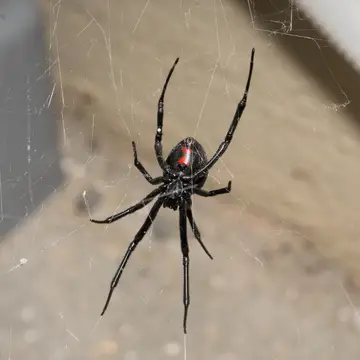
Venomous. “…focusing on the black widow spider, the most common ven-omous spider in our area.” Douglas County Master Gardeners
Widow spider envenomation (Oregon Poison Center). “Widow spider envenomation may lead to symptoms that include painful muscle spasms, abdominal pain, and sweating.” Oregon Poison Center, Oregon Health & Science University
Venomous species first, then A to Z. Do not handle them.
Venom: “Widow spider envenomation may lead to symptoms that include painful muscle spasms, abdominal pain, and sweating.” (Oregon Poison Center, Oregon Health & Science University)
Latrodectus hesperus
Venom: “…focusing on the black widow spider, the most common ven-omous spider in our area.” (Douglas County Master Gardeners)
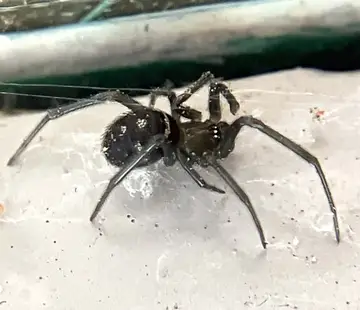
Eratigena duellica
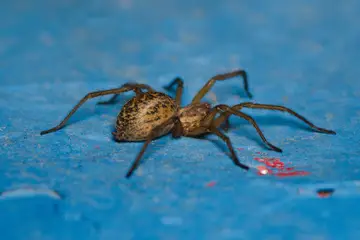
Eratigena agrestis
Records of spiders in Oregon peak in May to September. They show when people record spiders, not how many there are (about month bars).
Call 911 or Poison Help at 1-800-222-1222 right away. Poison Help connects you to your local poison center, any time of day.
Official advice from Douglas County Master Gardeners:
Invasive species sightings: Oregon Invasives Hotline, oregoninvasiveshotline.org or 1-866-INVADER; wildlife conflicts: local ODFW office (ODFW main phone 503-947-6000) Oregon Invasives Hotline
No. OSU Extension experts say no recluse spiders (Loxosceles) live in Oregon; the Oregon Poison Center says brown recluses are not present on the U.S. Pacific Coast. Ask Extension (eXtension) answered by Oregon State University Extension
“Fortunately for us, there are no brown recluse or other recluse spiders (Loxosceles species) in Oregon.”
Yes. The western black widow (Latrodectus hesperus) lives in Oregon and is the most common venomous spider (OSU Extension Master Gardeners, Douglas County). Douglas County Master Gardeners
“The Western Black Widow Spider, Latrodectus hesperus, is the species we have in Oregon.”
The species list comes from No official list: medically significant and commonly asked species from official sources (Oregon Poison Center; OSU Extension) (Oregon Poison Center, Oregon Health & Science University (poison-control program serving Oregon), undated page (footer © 2001-2026 OHSU); as of retrieval 2026-11-03). 4 more entries come from other official sources named on each card.
Venom labels come only from official sources and link to them; "Not stated" never means harmless. How labels work.
“Widow spider envenomation may lead to symptoms that include painful muscle spasms, abdominal pain, and sweating.”
“…focusing on the black widow spider, the most common ven-omous spider in our area.”
“…anyone who believes they’ve been bitten by a black widow should immediately seek medical attention.”
“The Western Black Widow Spider, Latrodectus hesperus, is the species we have in Oregon.”
“Fortunately for us, there are no brown recluse or other recluse spiders (Loxosceles species) in Oregon.”
“Report potential invasive species you've found to the Online Hotline. Your submission will provide vital early detection information to the experts working to stop the next invasion before it starts!”
