This page lists 5 insects.
1 is venomous by official accounts. 1 is nonnative.
Not every species: no complete official list of Arizona insects exists, so this page covers the ones state and Extension sources name. How lists are built.
Which insects can hurt you
Official sources single out these insects in Arizona, in their own words:
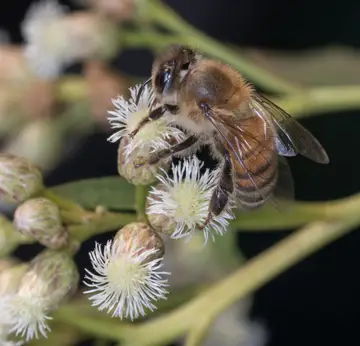
Venomous sting. “Although their sting is treated the same as other bee stings, these bees are very aggressive and much more likely to attack when threatened.” Arizona Poison and Drug Information Center
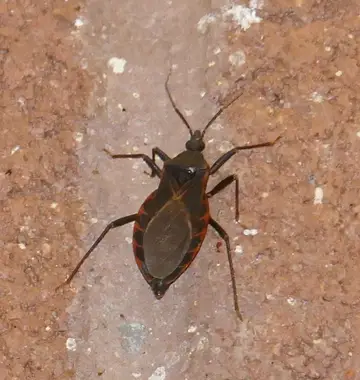
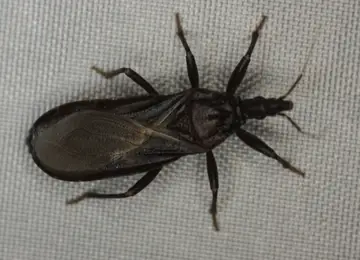
Kissing bugs (conenose bugs)
Severe allergic reaction. “The biggest health risk kissing bugs pose is one of severe allergic reaction. Some people develop a severe or life-threatening allergy to them after multiple bites.” University of Arizona Cooperative Extension
All 5 insects
Venomous species first, then A to Z. Do not handle them.
No confirmed photo of Africanized honey bee ("killer bee")
Call 911 or Poison Help at 1-800-222-1222 right away. Poison Help connects you to your local poison center, any time of day.
Official advice from University of Arizona Cooperative Extension:
Scorpion sting: call Poison Help at 1-800-222-1222; for stung children 9 or under (or under 70 lb), call 911 or Poison Help immediately. University of Arizona Cooperative Extension
Bees, Spiders & Other Bugs. Arizona Poison and Drug Information Center (University of Arizona College of Pharmacy). 2026 (footer copyright; checked November 3, 2026.Quoted passages (3)
“Bees have a barbed stinger at the base of their abdomen which carries their venom.”
“Although their sting is treated the same as other bee stings, these bees are very aggressive and much more likely to attack when threatened.”
“Africanized bees or "killer bees" have now invaded many parts of the United States, including Arizona.”
“The biggest health risk kissing bugs pose is one of severe allergic reaction. Some people develop a severe or life-threatening allergy to them after multiple bites.”
“Most healthy adults can manage a sting without seeking the help of a doctor, but it is always advisable to call the Poison Help Hotline 1 (800) 222-1222 for advice, as each individual has a unique response. … If children 9 years or under, or weighing less than 70lb (32 Kg) are stung, call 911 or the Poison Help Hotline 1 (800) 222-1222, or take them to the nearest hospital for treatment immediately.”
Scorpions. Arizona Poison and Drug Information Center (University of Arizona College of Pharmacy). 2026 (footer copyright; checked November 3, 2026.Quoted passages (1)
“The majority of stings reported to the poison center occur at night during the warm summer months.”