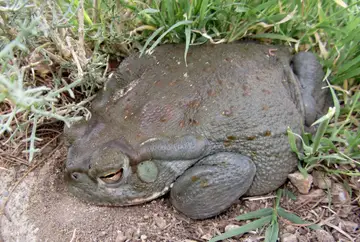
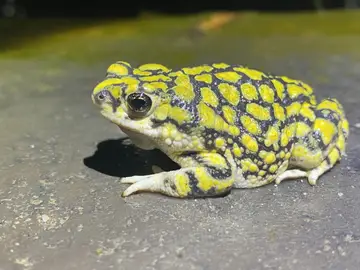
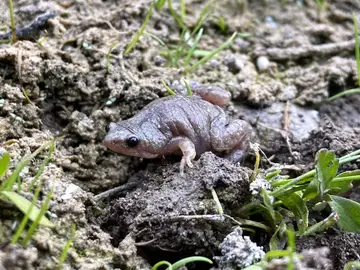
Toxic skin secretions. “The species’ skin toxins are strong enough to kill a dog and reportedly have hallucinogenic qualities.” Arizona Game and Fish Department
All 33 frogs and toads
From A to Z. Do not handle them.
No confirmed photo of African Clawed Frog
African Clawed Frog
Xenopus laevis
Not statedNonnative
Venom
No official source we use states whether this animal is venomous. That does not mean it is harmless: do not handle it.
Where in Arizona
Native to the cooler regions of sub-Saharan Africa, the African clawed frog has been found in the wild in at least 11 of the United States, but has only established … Arizona Game and Fish Department
Conservation
HDMS: state rank SNA
What the sources say
Range: Native to the cooler regions of sub-Saharan Africa, the African clawed frog has been found in the wild in at least 11 of the United States, but has only established long-term, reproducing populations in southern California and Arizona.
Habitat: In the United States, the African clawed frog is typically found in disturbed or human-altered aquatic habitats, such as reservoirs and artificial ponds. (Arizona Game and Fish Department)
No official source we use states whether this animal is venomous. That does not mean it is harmless: do not handle it.
Size
Usually 6 to 8 inches long (NCWRC); can reach 8 inches or more and weigh over 2 pounds (CDFW). Missouri gives 3.5 to 6 inches snout to vent, occasionally to 8.75.
How to recognize it
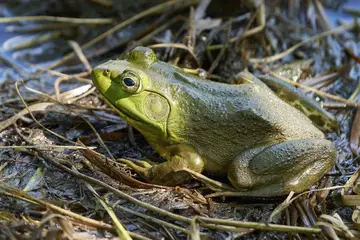
No ridge (dorsolateral fold) down each side of the back
Large round eardrum: about twice the eye in males, about eye-sized in females
Fully webbed hind feet, longest toe extends past the webbing
Where in Arizona
Well-distributed and often abundant in permanent waters south and west of the Colorado Plateau. Arizona Game and Fish Department
Conservation
HDMS: state rank SNA
JFMAMJJASOND
232 records by month.What the sources say
Habitat: This is a frog of rivers, streams, lakes, cattle tanks, and agricultural ditches and canals; it coexists well with a variety of fishes and crayfish. (Arizona Game and Fish Department)
No official source we use states whether this animal is venomous. That does not mean it is harmless: do not handle it.
Where in Arizona
The Arizona toad is found from the Colorado and Virgin river basins in southern Nevada and southwestern Utah southeast through the lower mountains of Arizona mostly … Arizona Game and Fish Department
Conservation
HDMS: ESA UR, AZ SGCN Tier 2, state rank S3
What the sources say
Range: The Arizona toad is found from the Colorado and Virgin river basins in southern Nevada and southwestern Utah southeast through the lower mountains of Arizona mostly below the Mogollon Rim into the Mogollon Plateau of west-central New Mexico.
Habitat: The species tends to be found in areas of shallow, flowing, permanent water over sandy or rocky substrates, typically in river canyons or foothill streams. (Arizona Game and Fish Department)
No official source we use states whether this animal is venomous. That does not mean it is harmless: do not handle it.
Where in Arizona
Occurs primarily above the Mogollon Rim from the vicinity of Williams east and south into New Mexico. Arizona Game and Fish Department
Conservation
HDMS: AZ SGCN Tier 3, state rank S3S4
What the sources say
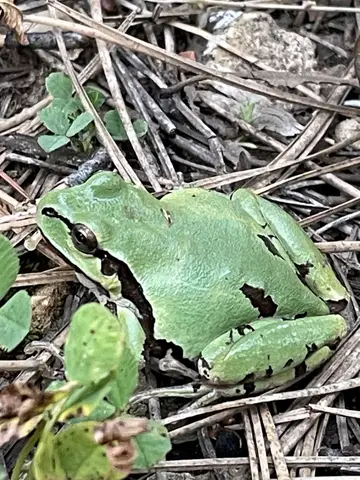
Habitat: The Arizona Treefrog is a species of montane streams, wet meadows, ciénegas, roadside ditches, and livestock tanks in oak, pine-oak, pondersosa pine, Douglas fir, and other forest types, mostly above 5,000 feet. (Arizona Game and Fish Department)
No confirmed photo of Baja California Treefrog
Baja California Treefrog
Pseudacris hypochondriaca
Not stated
Venom
No official source we use states whether this animal is venomous. That does not mean it is harmless: do not handle it.
Where in Arizona
No other treefrog occurs in the Baja California treefrog’s limited range in Arizona, which includes the lower Colorado River and adjacent wetlands and golf course ponds … Arizona Game and Fish Department
What the sources say
Range: No other treefrog occurs in the Baja California treefrog’s limited range in Arizona, which includes the lower Colorado River and adjacent wetlands and golf course ponds from Davis Dam to upper Lake Havasu, two or more livestock tanks in the Virgin Mountains, and plant nurseries in Apache Junction, Mesa, and Tucson.
Habitat: On the Colorado River, the Baja California treefrog occurs in backwaters and river edges grown over with cattails or bulrush. (Arizona Game and Fish Department)
No official source we use states whether this animal is venomous. That does not mean it is harmless: do not handle it.
Where in Arizona
The barking frog is known from rocky outcrops in the Santa Rita, Patagonia, Huachuca, Pajarito, and Quinlan mountains of Arizona. Arizona Game and Fish Department
Conservation
HDMS: AZ SGCN Tier 2, state rank S2
What the sources say
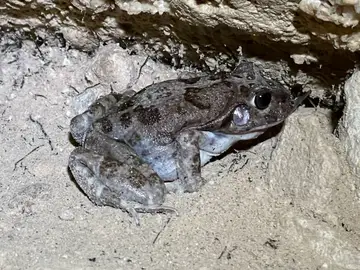
Habitat: Barking frogs are found in outcrops or caves on rocky slopes in often scrubby oak or pine-oak woodlands at elevations of about 4,200-6,200 feet. (Arizona Game and Fish Department)
No official source we use states whether this animal is venomous. That does not mean it is harmless: do not handle it.
Where in Arizona
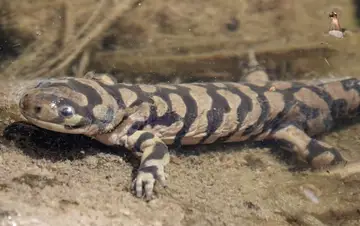
Tiger salamanders can be found throughout much of Arizona outside of the lower and more arid southwestern and western deserts. Arizona Game and Fish Department
What the sources say
Habitat: Tiger salamanders breed in the still or sluggish waters of ponds, cattle tanks, backwaters, and lakes; often in open country. (Arizona Game and Fish Department)
No confirmed photo of Boreal Chorus Frog
Boreal Chorus Frog
Pseudacris maculata
Not stated
Venom
No official source we use states whether this animal is venomous. That does not mean it is harmless: do not handle it.
Habitat: As its name implies, it is a frog of canyons and arroyos, particularly rocky, intermittent or permanent stream courses. (Arizona Game and Fish Department)
No confirmed photo of Chiricahua Leopard Frog
Chiricahua Leopard Frog
Lithobates chiricahuensis
Not stated
Venom
No official source we use states whether this animal is venomous. That does not mean it is harmless: do not handle it.
Where in Arizona
The Chiricahua leopard frog occurred historically in the mountains and valleys along the Mogollon Rim east of Camp Verde and the Verde River, but also in southeastern … Arizona Game and Fish Department
What the sources say
Range: The Chiricahua leopard frog occurred historically in the mountains and valleys along the Mogollon Rim east of Camp Verde and the Verde River, but also in southeastern Arizona south of the Gila River from the Baboquivari Mountains east to Peloncillo Mountains.
Habitat: Historically it occurred in a variety of wetland habitats, but is now restricted primarily to stock tanks and other man-made waters, as well as headwater streams, ciénegas, and springs that lack introduced predators. (Arizona Game and Fish Department)
No official source we use states whether this animal is venomous. That does not mean it is harmless: do not handle it.
Where in Arizona
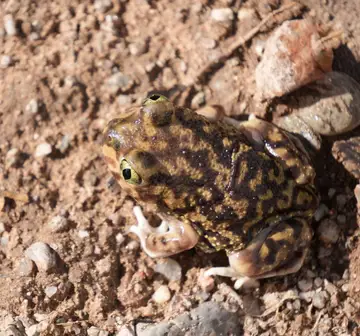
Primarily southern Arizona from the Bill Williams River in western Arizona and the Gila River Valley in eastern Arizona south to Sonora. Arizona Game and Fish Department
Conservation
HDMS: state rank S4
What the sources say
Habitat: Couch’s spadefoots is found primarily in Sonoran and Chihuahuan Deserts and associated grasslands. (Arizona Game and Fish Department)
No official source we use states whether this animal is venomous. That does not mean it is harmless: do not handle it.
Where in Arizona
This species is found in northwestern Arizona in the Arizona Strip region north and west of the Colorado River, including lower Hurricane Valley, Pakoon Basin, near the … Arizona Game and Fish Department
Conservation
HDMS: state rank S3
What the sources say
Range: This species is found in northwestern Arizona in the Arizona Strip region north and west of the Colorado River, including lower Hurricane Valley, Pakoon Basin, near the Virgin River, the Beaver Dam Slope, Vermillion Cliffs, and the Kaibab and Paria plateaus.
Habitat: Great Basin spadefoots inhabit a variety of vegetation communities from Mohave and Great Basin Desertscrub to open coniferous woodlands. (Arizona Game and Fish Department)
No official source we use states whether this animal is venomous. That does not mean it is harmless: do not handle it.
Where in Arizona
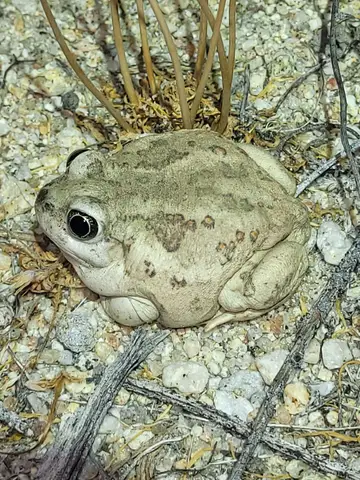
The Great Plains toad is widespread in the Plains states and the Southwestern U.S., but also in portions of northern Mexico. Arizona Game and Fish Department
Conservation
HDMS: state rank S4
What the sources say
Habitat: In Arizona, this species is found primarily in valleys, mesas, and flats characterized by Sonoran, Chihuahuan, or Great Basin desertscrub; grasslands; and sparingly into montane woodlands. (Arizona Game and Fish Department)
No official source we use states whether this animal is venomous. That does not mean it is harmless: do not handle it.
Where in Arizona
This species ranges from southeastern Colorado and southwestern Kansas south through New Mexico, southeastern Arizona, Texas, and northern Mexico. Arizona Game and Fish Department
Conservation
HDMS: state rank S3
What the sources say
Habitat: In Arizona, this secretive, burrowing species inhabits valleys and bajadas characterized by semi-desert grasslands and Chihuahuan Desertscrub. (Arizona Game and Fish Department)
No confirmed photo of Lowland Burrowing Treefrog
Lowland Burrowing Treefrog
Smilisca fodiens
Not stated
Venom
No official source we use states whether this animal is venomous. That does not mean it is harmless: do not handle it.
Where in Arizona
Inhabits mostly xeric regions from south-central Arizona southward through western Sonora to Michoacan. Arizona Game and Fish Department
Conservation
HDMS: AZ SGCN Tier 2, state rank S2
What the sources say
Habitat: In Arizona, this frog inhabits valleys within Sonoran Desertscrub, often where mesquite is common. (Arizona Game and Fish Department)
No confirmed photo of Lowland Leopard Frog
Lowland Leopard Frog
Lithobates yavapaiensis
Not stated
Venom
No official source we use states whether this animal is venomous. That does not mean it is harmless: do not handle it.
Where in Arizona
The lowland leopard frog occurred historically from the lower Colorado River east through central Arizona below the Mogollon Rim and southeastern Arizona to New Mexico. Arizona Game and Fish Department
What the sources say
Habitat: This frog currently or historically inhabited big rivers, streams, ciénegas, cattle tanks, agricultural canals and ditches, mine adits, and other aquatic systems from the Yuma Valley at near sea level to almost 6,000 feet, and from Sonoran Desertscrub into pinyon-juniper woodland. (Arizona Game and Fish Department)
No official source we use states whether this animal is venomous. That does not mean it is harmless: do not handle it.
Where in Arizona
In Arizona, this species occurs over much of eastern and central Arizona, including areas east and south of the range of the Great Basin spadefoot, the Colorado Plateau … Arizona Game and Fish Department
Conservation
HDMS: state rank S4
What the sources say
Range: In Arizona, this species occurs over much of eastern and central Arizona, including areas east and south of the range of the Great Basin spadefoot, the Colorado Plateau, mountains of the Mogollon Rim country, and in southern Arizona from the Tohono O’odham Reservation east to the Peloncillo Mountains.
Habitat: The Mexican spadefoot is characteristic of a broad range of habitats in Arizona, from Sonoran Desert and Chihuahuan Desert scrub, and semi-desert grasslands to Great Basin Desert scrub, Plains and Great Basin grasslands, and coniferous woodlands in northern and central Arizona. (Arizona Game and Fish Department)
No official source we use states whether this animal is venomous. That does not mean it is harmless: do not handle it.
Where in Arizona
Historically, the northern leopard frog was well-distributed across northern and central Arizona, including wetlands in wooded areas and meadows above and below the … Arizona Game and Fish Department
What the sources say
Range: Historically, the northern leopard frog was well-distributed across northern and central Arizona, including wetlands in wooded areas and meadows above and below the Mogollon Rim, as well as in more open and arid country on the Colorado Plateau.
Habitat: In Arizona, the northern leopard frog inhabited mostly ponds, cattle tanks, and lakes, but was also found in streams and rivers from 3,120 to 9,150 feet elevation. (Arizona Game and Fish Department)
No confirmed photo of Pacific Chorus Frog
Pacific Chorus Frog
Pseudacris regilla
Not stated
Venom
No official source we use states whether this animal is venomous. That does not mean it is harmless: do not handle it.
No official source we use states whether this animal is venomous. That does not mean it is harmless: do not handle it.
Where in Arizona
In Arizona, the plains leopard frog is historically known from the Sulphur Springs Valley and the adjoining bajadas or lower canyons of the Chiricahua and Dragoon … Arizona Game and Fish Department
What the sources say
Range: In Arizona, the plains leopard frog is historically known from the Sulphur Springs Valley and the adjoining bajadas or lower canyons of the Chiricahua and Dragoon mountains, Cochise County, where it occurred in cattle tanks, irrigation sumps, streams, and settling ponds at a power plant.
Habitat: In Arizona, it is now primarily a frog of stock tanks, other man-made waters, and sloughs. (Arizona Game and Fish Department)
No confirmed photo of Plains Spadefoot
Plains Spadefoot
Spea bombifrons
Not stated
Venom
No official source we use states whether this animal is venomous. That does not mean it is harmless: do not handle it.
Where in Arizona
Valleys, plateaus, rolling hills, arroyo bottoms, and playas in northeastern Arizona north of Springerville and in southeastern Arizona around the base of the Chiricahua … Arizona Game and Fish Department
Conservation
HDMS: state rank S3
What the sources say
Range: Valleys, plateaus, rolling hills, arroyo bottoms, and playas in northeastern Arizona north of Springerville and in southeastern Arizona around the base of the Chiricahua Mountains.
Habitat: This species occurs in open country characterized by grasslands, Great Basin Desert, or open, pinyon-juniper woodlands. (Arizona Game and Fish Department)
No official source we use states whether this animal is venomous. That does not mean it is harmless: do not handle it.
Where in Arizona
Found at or near temporary or permanent water sources, often in rocky canyons or stream courses, from near sea level in southwestern Arizona into grasslands, Great Basin … Arizona Game and Fish Department
Conservation
HDMS: state rank S4
What the sources say
Range: Found at or near temporary or permanent water sources, often in rocky canyons or stream courses, from near sea level in southwestern Arizona into grasslands, Great Basin Desert, oak woodlands, and coniferous forests of central and southeastern Arizona, and the Colorado Plateau of northern Arizona.
Habitat: This is a toad of arroyos, desert streams, springs, tinajas, and cattle tanks, often in rocky areas, but can also be found on rivers and on the edges of agriculture. (Arizona Game and Fish Department)
No confirmed photo of Relict Leopard Frog
Relict Leopard Frog
Lithobates onca
Not stated
Venom
No official source we use states whether this animal is venomous. That does not mean it is harmless: do not handle it.
Where in Arizona
In Arizona, relict leopard frogs probably occurred historically along the Colorado and Virgin rivers and associated springs and tributaries. Arizona Game and Fish Department
What the sources say
Habitat: Historically it likely occurred <2,000 ft elevation in sloughs and backwaters, but also along the mainstems of the Colorado and Virgin rivers. (Arizona Game and Fish Department)
No official source we use states whether this animal is venomous. That does not mean it is harmless: do not handle it.
Where in Arizona
Occurs along southwestern Arizona rivers and adjacent agricultural lands from the Salt River near the 101/202 freeway interchange and the Agua Fria River just below Lake … Arizona Game and Fish Department
Conservation
HDMS: state rank SNA
What the sources say
Range: Occurs along southwestern Arizona rivers and adjacent agricultural lands from the Salt River near the 101/202 freeway interchange and the Agua Fria River just below Lake Pleasant downstream through the lower Gila River Valley to the lower Colorado River, where it ranges from Mittry Lake south into Mexico.
Habitat: In Arizona, it is primarily a frog of big rivers, backwaters, drainage ditches, unlined and occasionally lined canals, agricultural sumps, and occasionally stock tanks or other water bodies. (Arizona Game and Fish Department)
No confirmed photo of Sinoloan Narrow-mouthed Toad
Sinoloan Narrow-mouthed Toad
Gastrophryne mazatlanensis
Not stated
Venom
No official source we use states whether this animal is venomous. That does not mean it is harmless: do not handle it.
No official source we use states whether this animal is venomous. That does not mean it is harmless: do not handle it.
Danger to people
“The species’ skin toxins are strong enough to kill a dog and reportedly have hallucinogenic qualities.” Arizona Game and Fish Department
Size
Up to 7.5 inches or more (AZGFD); NPS Saguaro gives 4 to 7.5 inches.
How to recognize it
Cranial crests on the head and long glands behind the head and on the hind legs
Amber eye, with a large oval parotoid gland and round eardrum behind it
Call is a short, low toot; AZGFD compares it to a ferry boat whistle
Where in Arizona
This species occurs across southern Arizona, but is absent from the higher mountains and arid, western desert valleys. Arizona Game and Fish Department
Conservation
HDMS: AZ SGCN Tier 2, state rank S3S4
JFMAMJJASOND
500 records by month.What the sources say
Habitat: This toad is found in Sonoran Desertscrub, semi-desert grasslands, oak, and occasionally pine-oak woodlands to about 5,800 feet. (Arizona Game and Fish Department)
No official source we use states whether this animal is venomous. That does not mean it is harmless: do not handle it.
Where in Arizona
Occurs from the Vekol Valley and Mobile east to the Altar Valley and San Xavier Mission and south through the Tohono O’odham Reservation and central Sonora to at least … Arizona Game and Fish Department
Conservation
HDMS: AZ SGCN Tier 2, state rank S3
What the sources say
Range: Occurs from the Vekol Valley and Mobile east to the Altar Valley and San Xavier Mission and south through the Tohono O’odham Reservation and central Sonora to at least Hermosillo, but possibly as far south as Navojoa.
Habitat: In Arizona, this species occurs in valleys and sparingly onto the lower bajadas, where it is typically found in lower Colorado River and Arizona upland subdivisions of Sonoran Desertscrub, but also in semi-desert grasslands that have been invaded by mesquite and other desert trees, shrubs, and cacti (Altar Valley). (Arizona Game and Fish Department)
No confirmed photo of Tarahumara Frog
Tarahumara Frog
Lithobates tarahumarae
Not stated
Venom
No official source we use states whether this animal is venomous. That does not mean it is harmless: do not handle it.
Where in Arizona
The historical range of the Tarahumara frog in Arizona included a few canyons in the Pajarito, Tumacacori, and Santa Rita mountains. Arizona Game and Fish Department
What the sources say
Habitat: This frog is a habitat specialist of rugged canyons with deep plunge pools and tinajas. (Arizona Game and Fish Department)
No confirmed photo of Western Chorus Frog
Western Chorus Frog
Pseudacris triseriata
Not stated
Venom
No official source we use states whether this animal is venomous. That does not mean it is harmless: do not handle it.
Where in Arizona
The Western Chorus Frog is a high mountain species of the Mogollon Rim, the White Mountains, and east into New Mexico. Arizona Game and Fish Department
What the sources say
Habitat: This species is typically found on the ground or in low shrubs or grass at or near breeding ponds, which include often shallow and temporary ponds, cattle tanks, lake margins, wet meadows, and roadside ditches. (Arizona Game and Fish Department)
No official source we use states whether this animal is venomous. That does not mean it is harmless: do not handle it.
Where in Arizona
In Arizona, the species has been found from Patagonia westward to the Santa Cruz River near Rio Rico and Tucson, into the Pajarito/Atascosa ranges, near Robles Junction … Arizona Game and Fish Department
Conservation
HDMS: state rank SNA
What the sources say
Range: In Arizona, the species has been found from Patagonia westward to the Santa Cruz River near Rio Rico and Tucson, into the Pajarito/Atascosa ranges, near Robles Junction, the Vekol Valley, and the Tohono O’odham Nation.
Habitat: In the western portion of its Arizona range, the Western narrow-mouthed toad occurs as a valley bottom species in the Sonoran Desert, often in the same general habitats as the Sonoran green toad and Lowland burrowing treefrog. (Arizona Game and Fish Department)
No confirmed photo of Woodhouse’s Toad
Woodhouse’s Toad
Anaxyrus woodhousii
Not stated
Venom
No official source we use states whether this animal is venomous. That does not mean it is harmless: do not handle it.
Where in Arizona
Occurs throughout Arizona except for the arid, western deserts (away from rivers and croplands), and the highest montane areas. Arizona Game and Fish Department
Conservation
HDMS: state rank S4
What the sources say
Habitat: This species is found in a variety of wetland communities from along the Colorado River and in agriculture near Yuma to montane lakes above the Mogollon Rim. (Arizona Game and Fish Department)
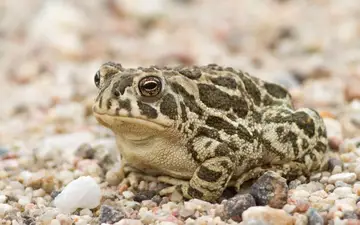
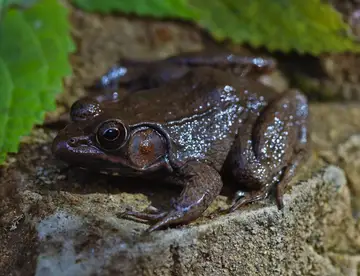
Bullfrogs lack the dorsolateral ridges that green frogs have.
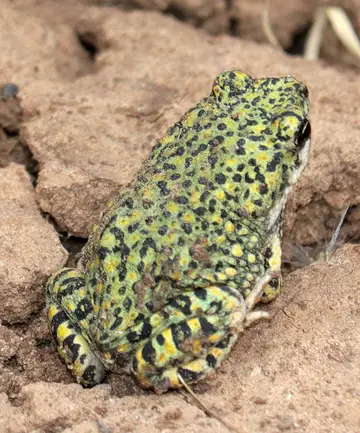
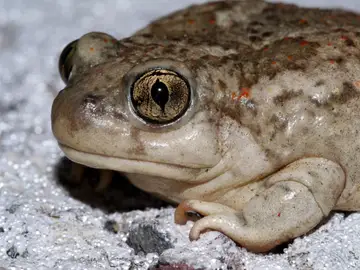
Photos show typical adults; individuals vary. Never get close to compare.
When frogs and toads are active in Arizona
Records of frogs and toads in Arizona peak in July to September. They show when people record frogs and toads, not how many there are (about month bars).
JanFebMarAprMayJunJulAugSepOctNovDec
2,359 records of frogs and toads in Arizona by month (GBIF, CC0 and CC BY records).
Call 911 or Poison Help at 1-800-222-1222 right away. Poison Help connects you to your local poison center, any time of day.
How to report
Call the local AZGFD office 8 a.m.-5 p.m. Monday-Friday (excluding holidays); after hours and weekends call the AZGFD dispatcher at 623-236-7201. Arizona Game and Fish Department
“…they can be identified as toads by the crests on the head (cranial crests), and prominent, elongated glands on both sides of the back of the head (parotoid glands) and on the hind legs”
“The species’ skin toxins are strong enough to kill a dog and reportedly have hallucinogenic qualities.”
“Arizona’s largest toad, Sonoran Desert toads grow to 7.5 inches or more in length.”
“Most Sonoran Desert toads are found at night during the monsoon season, but they may emerge a month or more before the summer rains begin, particularly in areas of permanent water.”
Living with Bobcats. Arizona Game and Fish Department. archived copy, captured January 16, 2026; checked November 3, 2026.Quoted passages (1)
“Call your local Arizona Game and Fish Department office from 8 a.m. to 5 p.m., Monday through Friday, excluding holidays. After hours and on weekends, a dispatcher is available at 623-236-7201.”