States Wildlife

Hawaii Bugs and Insects That Sting or Bite

Last checked November 3, 2026 against official sources.

On this page
  1. Which insects can hurt you
  2. All 8 insects
  3. Lookalikes
  4. When they are active
  5. If you are bitten or stung
  6. How to report
  7. What official sources say
  8. About this list
  9. Sources

This page lists 8 insects. 7 are nonnative.

Not every species: no complete official list of Hawaii insects exists, so this page covers the ones state and Extension sources name. How lists are built.

Which insects can hurt you

Official sources single out these insects in Hawaii, in their own words:

  • Little Fire Ant

    Painful sting. “Delivers a painful sting when disturbed. Welts can last for weeks.” Hawaii DLNR

  • Nettle caterpillar
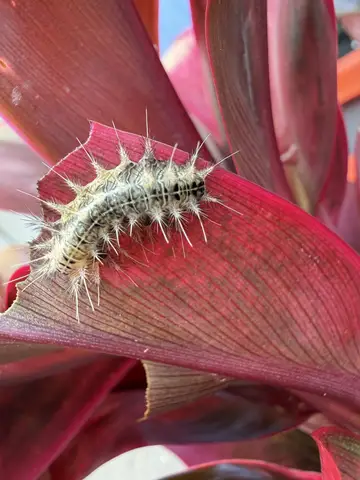
    Photo: Tara Severns · CC BY 4.0 · iNaturalist

    Nettle caterpillar

    Painful sting with burning and itching. “This caterpillar produces a painful sting filled with a burning, itching sensation and may cause an allergic reaction.” Hawaii DLNR

  • Giant Centipede

    Extremely painful bite. “Their bite is extremely painful and some people and pets require hospitalization if getting a severe reaction to it.” Bishop Museum

  • Forest day mosquito

    Disease vector. “Because of the Hawaiian dengue epidemic of 2001, this mosquito has now been implicated as the vector of dengue in Hawai`i.” Bishop Museum

All 8 insects

From A to Z. Do not handle them.

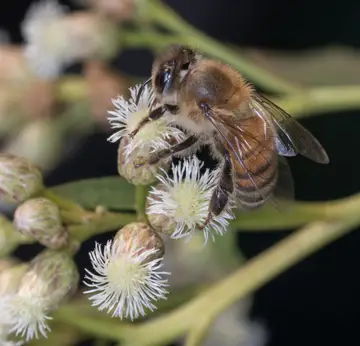
Common Honeybee
Photo: Jesse Rorabaugh · CC0 1.0 · iNaturalist

Common Honeybee

Apis mellifera

Not stated Nonnative

Venom
No official source we use states whether this animal is venomous. That does not mean it is harmless: do not handle it.
Size
About 10 percent smaller than a European honey bee, a difference too subtle to see without measurement or lab tests.
How to recognize it
  • Cannot be identified by eye: only DNA testing or microscopic measurements can tell it from a European honey bee.
  • Clue is behavior and nest site: very defensive, and may nest in small cavities such as water meter boxes, old tires, house eaves or the ground.
Where in Hawaii
All the main islands (Bishop Museum) Bishop Museum
326 records by month.

Full Common Honeybee guide

No confirmed photo of Forest Day Mosquito (makika)

Forest Day Mosquito (makika)

Aedes albopictus

Not stated Nonnative

Venom
No official source we use states whether this animal is venomous. That does not mean it is harmless: do not handle it.
Danger to people
“Because of the Hawaiian dengue epidemic of 2001, this mosquito has now been implicated as the vector of dengue in Hawai`i.” Bishop Museum
Where in Hawaii
All the main islands (Bishop Museum); DOH: widely spread throughout the state Bishop Museum
What the sources say

Habitat: Moist vegetated areas and urban habitats; breeds in containers (Bishop Museum)

No confirmed photo of Giant Centipede (kanapi)

Giant Centipede (kanapi)

Scolopendra subspinipes

Not stated Nonnative

Venom
No official source we use states whether this animal is venomous. That does not mean it is harmless: do not handle it.
Danger to people
“Their bite is extremely painful and some people and pets require hospitalization if getting a severe reaction to it.” Bishop Museum
Where in Hawaii
Midway Atoll, O'ahu, Lana'i, Maui, Kaho'olawe, Big Island (Bishop Museum) Bishop Museum
No confirmed photo of Little Fire Ant (LFA)

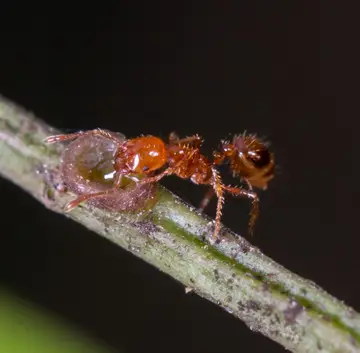
Little Fire Ant (LFA)

Wasmannia auropunctata

Not stated Invasive

Venom
No official source we use states whether this animal is venomous. That does not mean it is harmless: do not handle it.
Danger to people
“Delivers a painful sting when disturbed. Welts can last for weeks.” Hawaii DLNR
Where in Hawaii
Widespread on Hawai'i Island; report and send samples on other islands (HISC) Hawaii DLNR
Conservation
Hawaii Injurious Wildlife (HAR 124), HDOA Pest for Control (HAR 69A)
What the sources say

Habitat: Nests in trees, around potted plants, irrigation lines, electrical boxes; prefers moist conditions (Hawaii DLNR)

Nettle caterpillar (stinging nettle caterpillar)
Photo: Tara Severns · CC BY 4.0 · iNaturalist

Nettle caterpillar (stinging nettle caterpillar)

Darna pallivitta

Not stated Invasive

Venom
No official source we use states whether this animal is venomous. That does not mean it is harmless: do not handle it.
Danger to people
“This caterpillar produces a painful sting filled with a burning, itching sensation and may cause an allergic reaction.” Hawaii DLNR
Where in Hawaii
All of the main Hawaiian islands (first found on the Big Island in 2001) Hawaii DLNR
Conservation
Pest for Control (HAR 69A); Hawaii Injurious Wildlife (HAR 13-124 Ex. 5)
Tropical fire ant
Photo: portioid · CC BY-SA 4.0 · Wikimedia Commons · resized

Tropical fire ant

Solenopsis geminata

Not stated Invasive

Venom
No official source we use states whether this animal is venomous. That does not mean it is harmless: do not handle it.
Where in Hawaii
Throughout Hawai'i Hawaii DLNR
No confirmed photo of Western Yellowjacket

Western Yellowjacket

Vespula pensylvanica

Not stated Nonnative

Venom
No official source we use states whether this animal is venomous. That does not mean it is harmless: do not handle it.
Where in Hawaii
All main islands (Bishop Museum) Bishop Museum
What the sources say

Habitat: Native forests; underground nests (Bishop Museum)

Insects and Bugs people confuse

Africanized Honey Bee or European honey bee?

Africanized Honey Bee
Photo: Jesse Rorabaugh · CC0 1.0 · iNaturalist

Africanized Honey Bee Not stated

European honey bee
Photo: Jesse Rorabaugh · CC0 1.0 · iNaturalist

European honey bee Not stated

Not by sight: same species and same appearance. Differences are behavior and nest choice, and a confirmed ID needs testing.

Photos show typical adults; individuals vary. Never get close to compare.

When insects are active in Hawaii

Records of insects in Hawaii peak in January, March to May and November to December. They show when people record insects, not how many there are (about month bars).

8,142 records of insects in Hawaii by month (GBIF, CC0 and CC BY records).

If you are bitten or stung

Call 911 or Poison Help at 1-800-222-1222 right away. Poison Help connects you to your local poison center, any time of day.

Official advice from Hawaii State Department of Health, EMS & Injury Prevention System Branch and Hawaii State Department of Health, Disease Outbreak Control Division:

How to report

Invasive species (including any snake sighting): Pest Hotline 808-643-PEST (643-7378) or online at 643pest.org. Hawaii DLNR

What official sources say

Are there fire ants in Hawaii?

Yes. HISC: little fire ants give a painful sting with welts that can last for weeks; the tropical fire ant is common throughout Hawaii; the red imported fire ant is not known to be established. Hawaii DLNR

“The tropical fire ant is common throughout Hawai'i.”

Are there killer bees in Hawaii?

No. HISC: Africanized honey bees are not known to occur in Hawaii; report highly aggressive bees to HDOA and 643-PEST. Hawaii DLNR

“Not know to occur in Hawaii. Report highly aggressive bees to HDOA and call the invasive species reporting hotline at 643-PEST.”

About this list

The species list comes from No official complete list; medically significant and commonly asked species from HISC invasive species profiles (state agency), Hawaii DOH pages (state health department) and Bishop Museum Good Guys & Bad Guys cards (state natural-history survey) (Hawaii Invasive Species Council (Hawaii DLNR), varies by source; retrieved 2026-11-03). 7 more entries come from other official sources named on each card.

Venom labels come only from official sources and link to them; "Not stated" never means harmless. How labels work.

"Nonnative" and "Invasive" follow the wording of the source list. See invasive species in Hawaii.

Sources

  1. About Us (Division of Forestry and Wildlife). Hawaii DLNR Division of Forestry and Wildlife. undated page; checked November 3, 2026.
  2. Examples of Invasive Species in Hawaii. Hawaii Invasive Species Council (Hawaii DLNR). undated page; checked November 3, 2026.
    Quoted passages (1)
    “Report Invasive Species Online at 643pest.org Report Invasive Species by Phone: 808 643-PEST”
  3. Little Fire Ant (LFA) (invasive species profile). Hawaii Invasive Species Council (Hawaii DLNR). undated page; checked November 3, 2026.
    Quoted passages (1)
    “Delivers a painful sting when disturbed. Welts can last for weeks.”
  4. Red Imported Fire Ant (RIFA) (invasive species profile). Hawaii Invasive Species Council (Hawaii DLNR). undated page; checked November 3, 2026.
    Quoted passages (1)
    “The tropical fire ant is common throughout Hawai'i.”
  5. Nettle Caterpillar (invasive species profile). Hawaii Invasive Species Council (Hawaii DLNR). undated page; checked November 3, 2026.
    Quoted passages (2)
    “This caterpillar produces a painful sting filled with a burning, itching sensation and may cause an allergic reaction.”
    “Populations peak during the summer months.”
  6. Good Guys & Bad Guys card 41: Western Yellowjacket. Bishop Museum (Hawaii Biological Survey). undated page; checked November 3, 2026.
  7. Good Guys & Bad Guys card: Common Honeybee. Bishop Museum (Hawaii Biological Survey). undated page; checked November 3, 2026.
  8. Good Guys & Bad Guys card: Forest Day Mosquito. Bishop Museum (Hawaii Biological Survey). undated page; checked November 3, 2026.
    Quoted passages (1)
    “Because of the Hawaiian dengue epidemic of 2001, this mosquito has now been implicated as the vector of dengue in Hawai`i.”
  9. Dengue. Hawaii State Department of Health, Disease Outbreak Control Division. undated page; checked November 3, 2026.
    Quoted passages (1)
    “Hawaii's climate creates a year-round mosquito season.”
  10. Good Guys & Bad Guys card 37: Giant Centipede. Bishop Museum (Hawaii Biological Survey). undated page; checked November 3, 2026.
    Quoted passages (1)
    “Their bite is extremely painful and some people and pets require hospitalization if getting a severe reaction to it.”
  11. Emergency / poisoning first-aid page (Hawaii Poison Center 1-800-222-1222). Hawaii State Department of Health, EMS & Injury Prevention System Branch. undated page; checked November 3, 2026.
    Quoted passages (1)
    “Has the person collapsed or stopped breathing? Call 9-1-1 or your local emergency number right away”
  12. Spider Bites. Hawaii State Department of Health, Disease Outbreak Control Division. page date July 21, 2022; checked November 3, 2026.
    Quoted passages (1)
    “Wear protective clothing such as long covered sleeves, long pants, hats, gloves and boots when handling piles of materials, lumber, rocks, etc.”
  13. Africanized Honey Bee (invasive species profile). Hawaii Invasive Species Council (Hawaii DLNR). undated page; checked November 3, 2026.
    Quoted passages (1)
    “Not know to occur in Hawaii. Report highly aggressive bees to HDOA and call the invasive species reporting hotline at 643-PEST.”
  14. GBIF.org occurrence records, human observations licensed CC0 1.0 or CC BY 4.0 only, accessed November 3, 2026. The datasets behind these counts are listed on our Sources page.