States Wildlife

Hawaii Snakes: Identification Guide With Pictures

Last checked November 3, 2026 against official sources.

On this page
  1. Venomous snakes
  2. The other snake
  3. If you are bitten or stung
  4. How to report
  5. Common questions
  6. What official sources say
  7. About this list
  8. Sources

Hawaii DLNR Division of Forestry and Wildlife: There are two species of sea snake reported from Hawaiian waters, although these are rarely seen.

This page lists 2 snakes. 1 is venomous by official accounts: Yellow-bellied sea snake. 1 is nonnative.

Venomous snakes in Hawaii

Official sources label these snakes venomous in Hawaii. Venomous snakes in Hawaii has more on each one.

No confirmed photo of Yellow-bellied sea snake

Yellow-bellied sea snake

Pelamis platurus

Venomous per Hawaii DLNR Division of Forestry and Wildlife

Danger to people
“This type of sea snake can be more venomous than a cobra and potentially lethal to humans.” Hawaii Department of Agriculture and Biosecurity
Where in Hawaii
Hawaiian waters (pelagic); rarely washes ashore Hawaii DLNR Division of Forestry and Wildlife
Conservation
Hawaii SWAP 2025 Species of Greatest Conservation Need; 'State recognized as Indigenous'
What the sources say

Venom: “They are venomous – but have a small mouth and fangs and are generally unaggressive unless harassed.” (Hawaii DLNR Division of Forestry and Wildlife)

Habitat: Occurs in water from 22 to 30 degrees C, especially in shallow inshore waters. [...] Not common in Hawai'i. (Hawaii DLNR Division of Forestry and Wildlife)

The other snake

From A to Z. "Not stated" means no official source we use gives a venom status, not that the snake is harmless. Some harmless snakes mimic venomous ones: leave every snake alone.

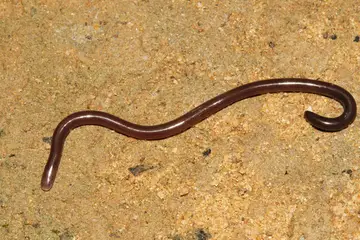
Brahminy Blindsnake
Photo: Davidvraju · CC BY-SA 4.0 · Wikimedia Commons · resized

Brahminy Blindsnake

Ramphotyphlops braminus

Not stated Nonnative

Venom
No official source we use states whether this animal is venomous. That does not mean it is harmless: do not handle it.
Where in Hawaii
NPS park lists (2005): Present in Park at Haleakala (HALE) and Kalaupapa (KALA); 'Pending Confirmation' at Hawaii Volcanoes (HAVO) National Park Service, Pacific Island Network

If you are bitten or stung

Call 911 or Poison Help at 1-800-222-1222 right away. Poison Help connects you to your local poison center, any time of day.

Official advice from Hawaii Department of Agriculture and Biosecurity and Hawaii DLNR:

How to report

Invasive species (including any snake sighting): Pest Hotline 808-643-PEST (643-7378) or online at 643pest.org. Hawaii DLNR

Common questions

What official sources say

Are there venomous snakes in Hawaii?

Yes, at sea only. DLNR's Wildlife Action Plan says the yellow-bellied sea snake is venomous and that the two sea snake species reported from Hawaiian waters are rarely seen. The state agriculture department says it can be more venomous than a cobra and warns people not to touch sea snakes that wash ashore. Hawaii Department of Agriculture and Biosecurity

“This type of sea snake can be more venomous than a cobra and potentially lethal to humans.”

Are there brown tree snakes in Hawaii?

No. HISC: not known to be established; eight were found live or dead between 1981 and 1998, all linked to cargo or vehicles from Guam. Call 911 or 643-PEST to report any snake. Hawaii DLNR

“Not known to be present in Hawaii at this time, although a total of eight Brown tree snakes have been found live or dead in Hawaii between 1981 and 1998.”

About this list

The species list comes from No official checklist of Hawaii snakes exists. Entries come from the Hawaii State Wildlife Action Plan 2025 (DLNR DOFAW) and the NPS Hawaii National Parks Herpetofauna Inventory (2005) (Hawaii DLNR Division of Forestry and Wildlife, 2025-10-01 (SWAP); 2005-09 (NPS inventory)). 1 more entry comes from other official sources named on each card.

Venom labels come only from official sources and link to them; "Not stated" never means harmless. How labels work.

"Nonnative" and "Invasive" follow the wording of the source list. See invasive species in Hawaii.

Sources

  1. About Us (Division of Forestry and Wildlife). Hawaii DLNR Division of Forestry and Wildlife. undated page; checked November 3, 2026.
  2. Hawai'i State Wildlife Action Plan 2025 (as submitted to the Regional Review Team October 1, 2025). Hawaii DLNR Division of Forestry and Wildlife. October 1, 2025; checked November 3, 2026.
    Quoted passages (2)
    “There are two species of sea snake reported from Hawaiian waters, although these are rarely seen.”
    “They are venomous – but have a small mouth and fangs and are generally unaggressive unless harassed.”
  3. Highly Venomous Sea Snake Found Ashore on Hawai'i Island (NR25-04). Hawaii Department of Agriculture and Biosecurity (formerly Hawaii Department of Agriculture, HDOA). February 14, 2025; checked November 3, 2026.
    Quoted passages (2)
    “This type of sea snake can be more venomous than a cobra and potentially lethal to humans.”
    “If a sea snake is spotted onshore, do not touch it and contact the state's toll-free Pest Hotline at 808-643-PEST (7378).”
  4. Hawaii National Parks Herpetofauna Inventory: park species lists for Haleakala (HALE), Hawaii Volcanoes (HAVO), Kalaupapa (KALA). National Park Service, Pacific Island Network (inventory data by F. Kraus). 2005-09; checked November 3, 2026.
  5. Live Snake Captured in Pukalani (NR23-10). Hawaii Department of Agriculture and Biosecurity (formerly HDOA). May 16, 2023; checked November 3, 2026.
    Quoted passages (1)
    “If a snake is spotted, treat it as if it is venomous. Do not handle it. It is best to maintain visual contact at a safe distance and when possible, safely cover or contain the snake. Immediately report it to the state's toll-free Pest Hotline at (808) 643-PEST (7378).”
  6. Brown Tree Snake (invasive species profile). Hawaii Invasive Species Council (Hawaii DLNR). undated page; checked November 3, 2026.
    Quoted passages (2)
    “If you see a snake, call 911 or 643-pest immediately!”
    “Not known to be present in Hawaii at this time, although a total of eight Brown tree snakes have been found live or dead in Hawaii between 1981 and 1998.”
  7. Nine-Foot Snake Turned in Under Amnesty (NR10-08). Hawaii Department of Agriculture and Biosecurity (formerly HDOA). June 10, 2010; checked November 3, 2026.
    Quoted passages (1)
    “Illegal animals may be turned in to any HDOA Office, municipal zoo or any Humane Society, no questions asked. If caught, persons possessing illegal animals may be charged with a class C felony and subject to fines up to $200,000 and three years in prison.”
  8. Examples of Invasive Species in Hawaii. Hawaii Invasive Species Council (Hawaii DLNR). undated page; checked November 3, 2026.
    Quoted passages (1)
    “Report Invasive Species Online at 643pest.org Report Invasive Species by Phone: 808 643-PEST”