Hawaii wildlife: what lives here and what is dangerous
Last checked November 3, 2026 against official sources.
Photo: Rabon David, U.S. Fish and Wildlife Service · Public domain · Wikimedia Commons
No land snake on Hawaii's official lists is labelled venomous. The only venomous snake named for Hawaii is the yellow-bellied sea snake, a sea snake of the open ocean. This guide covers 10 animal groups from Hawaii Department of Land and Natural Resources (DLNR), Division of Forestry and Wildlife (DOFAW) lists and other official sources, with photos, venomous status and when each group is active.
Identification help has limits: a photo cannot confirm that an animal is safe. Watch from a distance and never handle a wild animal.
These are the animals official sources describe as venomous or as a risk to people in Hawaii, across 6 groups. The reason is given in the source's own terms.
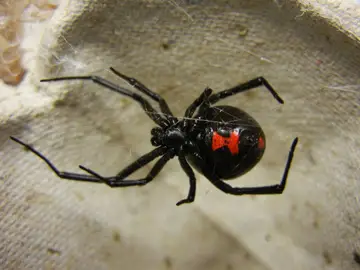
Painful bite with redness, swelling and blistering (Hawaii DOH): “It might look harmless, but its bite is painful and may produce redness, swelling and blistering.”
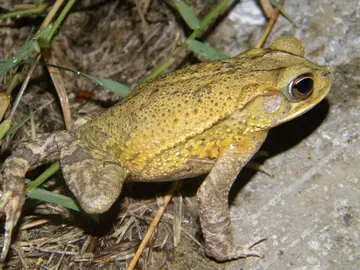
Toxic: “…this toad soon spread beyond the canefileds and into gardens and other urban areas where it can cause illness or even death if licked by pets or small children.”
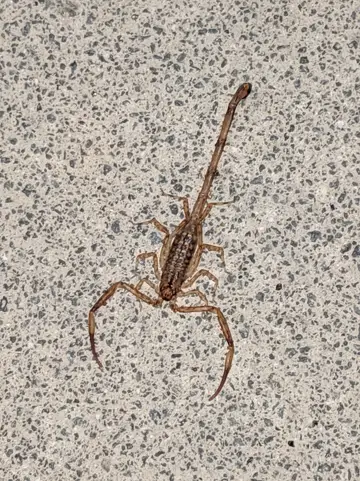
Painful sting, compared to a bee sting (Bishop Museum): “It has a painful sting, but it does not have a neurotoxin like some of its mainland cousins, so the sting is more like that of a bee. Still, it is wise to keep clear of it!”
Painful sting with burning and itching: “This caterpillar produces a painful sting filled with a burning, itching sensation and may cause an allergic reaction.”
20 nonnative animals are named on Hawaii's official lists (Hawaii DLNR). The USGS Nonindigenous Aquatic Species database records 8 nonnative animals in our groups with an established population in Hawaii.
Darker cells are the months with more open-licence observation records of each group in Hawaii (GBIF). They show when people see and record these animals, not how many there are. The current month, this month, is highlighted.
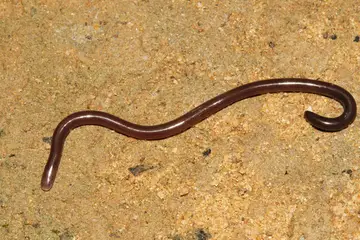
Yes. The only land snake on Hawaii's official lists is the small introduced Hawaiian blind snake (Ramphotyphlops braminus). The National Park Service herpetofauna inventory (2005) lists it as present and breeding in Haleakala and Kalaupapa national parks, and as non-native. Hawaii's agriculture department (HDOA, 2005) says that, except for this blind snake, snakes are illegal to possess in Hawaii. A venomous sea snake is sometimes seen at sea or washed ashore. HDOA (2023): if you see a snake, treat it as venomous, do not handle it, and call 643-PEST. Hawaii Department of Agriculture and Biosecurity · More
Are there venomous snakes in Hawaii?
Yes, at sea only. DLNR's Wildlife Action Plan says the yellow-bellied sea snake is venomous and that the two sea snake species reported from Hawaiian waters are rarely seen. The state agriculture department says it can be more venomous than a cobra and warns people not to touch sea snakes that wash ashore. Hawaii Department of Agriculture and Biosecurity
Are there brown tree snakes in Hawaii?
No. HISC: not known to be established; eight were found live or dead between 1981 and 1998, all linked to cargo or vehicles from Guam. Call 911 or 643-PEST to report any snake. Hawaii DLNR
Are there sharks in Hawaii?
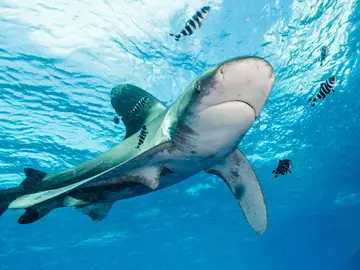
Yes. DAR: about forty species occur in Hawaiian waters, and about eight are somewhat common nearshore. Shark bites average about three or four per year. Hawaii DLNR Division of Aquatic Resources
What is the most dangerous shark in Hawaii?
DAR: tiger sharks are considered the most dangerous sharks in Hawaiian waters. White sharks are also very dangerous but rarely seen in Hawaii. Hawaii DLNR Division of Aquatic Resources
Yes. Bishop Museum: found on O'ahu, Maui, Kaua'i and the Big Island; painful sting, but no neurotoxin like some mainland scorpions, so the sting is more like a bee's. Bishop Museum
Are there centipedes in Hawaii?
Yes. Bishop Museum: the bite is extremely painful, and some people and pets need hospitalization after a severe reaction. Bishop Museum
Are there native reptiles or amphibians in Hawaii?
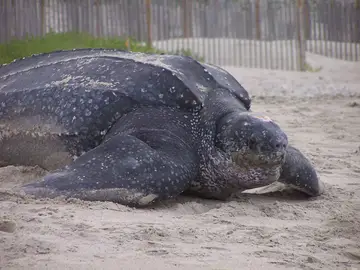
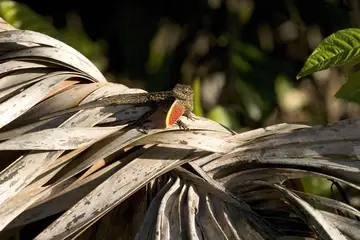
No. NPS: Hawaii's terrestrial herpetofauna (6 frogs, 19 lizards, 1 snake, 4 turtles in 2005) is all alien. SWAP lists five native sea turtles and the yellow-bellied sea snake. National Park Service
What native land mammals live in Hawaii?
DLNR: the 'ope'ape'a is Hawaii's only native land mammal and the official state mammal. The Hawaiian monk seal is a native marine mammal found nowhere else (NOAA). Hawaii DLNR Division of Forestry and Wildlife
No. SWAP: Kaua'i is the only main island where the mongoose has not become established. HISC asks people to report any mongoose seen on Kaua'i or Lana'i to 643-PEST; the Bishop Museum card gives its distribution as O'ahu, Maui, Moloka'i and the Big Island. Hawaii DLNR Division of Forestry and Wildlife
Are there fire ants in Hawaii?
Yes. HISC: little fire ants give a painful sting with welts that can last for weeks; the tropical fire ant is common throughout Hawaii; the red imported fire ant is not known to be established. Hawaii DLNR
Are there killer bees in Hawaii?
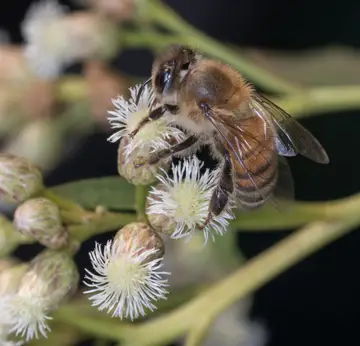
No. HISC: Africanized honey bees are not known to occur in Hawaii; report highly aggressive bees to HDOA and 643-PEST. Hawaii DLNR
Yes. Bishop Museum: cane toads can cause illness or even death if licked by pets or small children; widespread in lowlands of all main islands except Lana'i. Bishop Museum
“They are venomous – but have a small mouth and fangs and are generally unaggressive unless harassed.”
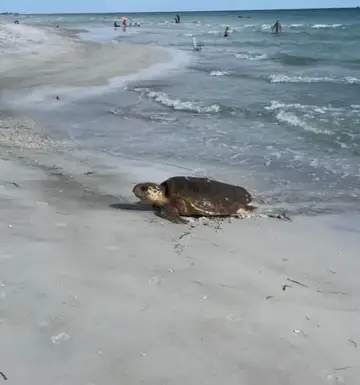
“Five marine turtles occur in Hawai'i; two are common residents that nest on Hawai'i's beaches and three others are more occasional visitors.”
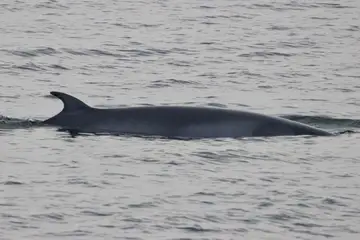
“Approximately 26 species of marine mammals, mostly cetaceans, are considered resident or occasional visitors to Hawai'i.”
“As the only island where the mongoose (Herpestes auropunctatus) has not become established, Kaua'i hosts greater populations of several ground-nesting birds than other islands.”
“…migrate to Hawai'i in the winter to mate, give birth, and nurse their young.”
“The following checklist includes 338 bird species documented as occurring in the Hawaiian Islands either naturally or through introduction and establishment of a viable breeding population for at least 15 years.”
Venomous Spiders at Work. CDC/NIOSH. archived copy, captured October 6, 2026; checked November 3, 2026.Quoted passages (1)
“Black widows and brown recluses are two types of venomous spiders in the United States.”
Spider Bites. Hawaii State Department of Health, Disease Outbreak Control Division. page date July 21, 2022; checked November 3, 2026.Quoted passages (5)
“The brown widow is a little smaller than the black widow and its venom is twice as potent as the black widow's venom. However, the brown widows don't inject as much venom and are generally less aggressive in defending their webs.”
“It might look harmless, but its bite is painful and may produce redness, swelling and blistering.”
“…two spider species of concern that are seen in Hawaii are the Southern Black Widow (Latrodectus mactans) and the Brown Widow Spider (Latrodectus geometricus).”
“The Brown recluse spider, a dangerous spider commonly found on the mainland, has not been documented as an established inhabitant of the Hawaiian Islands.”
“Their bites can be dangerous and would require a visit to the doctor.”
“…this toad soon spread beyond the canefileds and into gardens and other urban areas where it can cause illness or even death if licked by pets or small children.”
“…where it can cause illness or even death if licked by pets or small children.”
“It has a painful sting, but it does not have a neurotoxin like some of its mainland cousins, so the sting is more like that of a bee. Still, it is wise to keep clear of it!”
“It has a painful sting, but it does not have a neurotoxin like some of its mainland cousins, so the sting is more like that of a bee.”
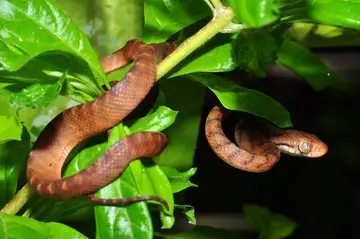
“Not known to be established in Hawai'i, Call 911 or 643-PEST immediately to report any snake sighting.”
“Not known to be present in Hawaii at this time, although a total of eight Brown tree snakes have been found live or dead in Hawaii between 1981 and 1998.”
“If you see a snake, call 911 or 643-pest immediately!”
“This type of sea snake can be more venomous than a cobra and potentially lethal to humans.”
“If a sea snake is spotted onshore, do not touch it and contact the state's toll-free Pest Hotline at 808-643-PEST (7378).”
'Ope'ape'a, the Hawaiian Hoary Bat. Hawaii DLNR Division of Forestry and Wildlife. undated page; checked November 3, 2026.Quoted passages (2)
“The 'ōpe'ape'a, or Hawaiian hoary bat, is Hawai'i's only native terrestrial mammal.”
“Mating most likely occurs between September and December, with females usually giving birth to twins around June.”
Rabies. Hawaii State Department of Health, Disease Outbreak Control Division. undated page; checked November 3, 2026.Quoted passages (1)
“Hawaii is the only state in the United States that is free of rabies”
Neuroangiostrongyliasis (Rat Lungworm). Hawaii State Department of Health, Disease Outbreak Control Division. case table 'as of November 2, 2026'; checked November 3, 2026.Quoted passages (1)
“Rat lungworm disease is endemic in the State of Hawaiʻi. Human cases and infected intermediate hosts (snails and slugs) have been identified on all of the islands.”
Live Snake Captured in Pukalani (NR23-10). Hawaii Department of Agriculture and Biosecurity (formerly HDOA). May 16, 2023; checked November 3, 2026.Quoted passages (1)
“If a snake is spotted, treat it as if it is venomous. Do not handle it. It is best to maintain visual contact at a safe distance and when possible, safely cover or contain the snake. Immediately report it to the state's toll-free Pest Hotline at (808) 643-PEST (7378).”