On this page Which frogs and toads can hurt you All 25 frogs and toads Lookalikes When they are active If you are bitten or stung How to report About this list Sources
This page lists 25 species : all from New Mexico Department of Wildlife's BISON-M species search, taxonomic name "Anura".
Which frogs and toads can hurt you Official sources single out these frogs and toads in New Mexico, in their own words:
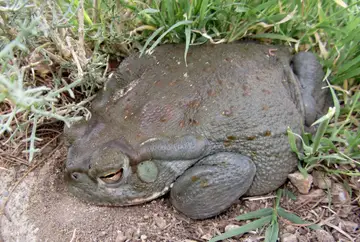
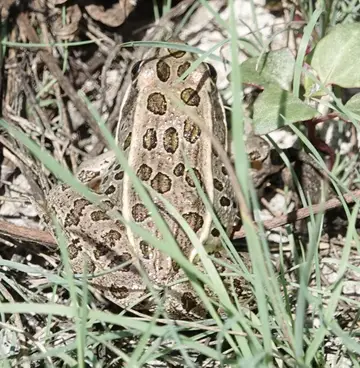
Photo: Lon Brehmer · CC BY 4.0 · iNaturalist Toxic skin secretion (dangerous to dogs and other animals). “The skin secretion is toxic to dogs and other animals” BISON-M
All 25 frogs and toads From A to Z. Do not handle them.
Find by name
No confirmed photo of Arizona Toad Arizona Toad Anaxyrus microscaphus microscaphus
Not stated
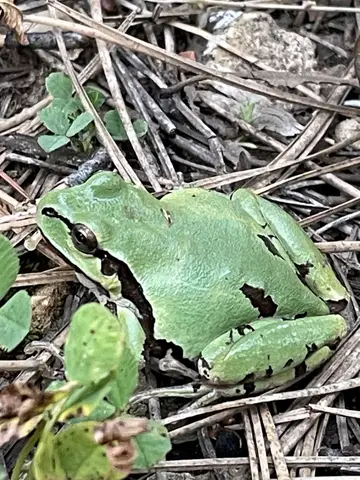
Venom No official source we use states whether this animal is venomous. That does not mean it is harmless: do not handle it. Conservation State NM: Species of Greatest Conservation Need (SGCN) 2025 Photo: Michael Tidwell · CC BY 4.0 · iNaturalist Arizona Treefrog Dryophytes wrightorum
Not stated
Venom No official source we use states whether this animal is venomous. That does not mean it is harmless: do not handle it. Conservation State NM: Species of Greatest Conservation Need (SGCN) 2025 Photo: Luke Padon · CC BY 4.0 · iNaturalist Barking Frog Craugastor augusti latrans
Not stated
Venom No official source we use states whether this animal is venomous. That does not mean it is harmless: do not handle it. Conservation State NM: Species of Greatest Conservation Need (SGCN) 2025 No confirmed photo of Blanchard's Cricket Frog Blanchard's Cricket Frog Acris blanchardi
Not stated
Venom No official source we use states whether this animal is venomous. That does not mean it is harmless: do not handle it. Conservation State NM: Species of Greatest Conservation Need (SGCN) 2025 No confirmed photo of Boreal Chorus Frog Boreal Chorus Frog Pseudacris maculata
Not stated
Venom No official source we use states whether this animal is venomous. That does not mean it is harmless: do not handle it. Conservation State NM: Species of Greatest Conservation Need (SGCN) 2025 No confirmed photo of Boreal Toad Boreal Toad Anaxyrus boreas boreas
Not stated
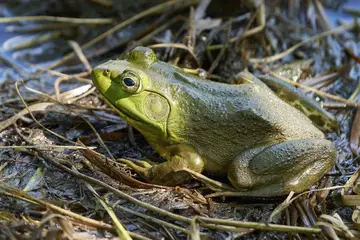
Venom No official source we use states whether this animal is venomous. That does not mean it is harmless: do not handle it. Conservation State NM: Endangered; State NM: Species of Greatest Conservation Need (SGCN) 2025 Photo: Paul Danese · CC BY-SA 4.0 · Wikimedia Commons · resized Rana (Aquarana) catesbeiana
Not stated
Venom No official source we use states whether this animal is venomous. That does not mean it is harmless: do not handle it. Size Usually 6 to 8 inches long (NCWRC); can reach 8 inches or more and weigh over 2 pounds (CDFW). Missouri gives 3.5 to 6 inches snout to vent, occasionally to 8.75. How to recognize it No ridge (dorsolateral fold) down each side of the back Large round eardrum: about twice the eye in males, about eye-sized in females Fully webbed hind feet, longest toe extends past the webbing
J F M A M J J A S O N D
76 records by month. Full Bullfrog guide
No confirmed photo of Canyon Treefrog Canyon Treefrog Hyla arenicolor
Not stated
Venom No official source we use states whether this animal is venomous. That does not mean it is harmless: do not handle it. No confirmed photo of Chiricahua Leopard Frog Chiricahua Leopard Frog Lithobates chiricahuensis
Not stated
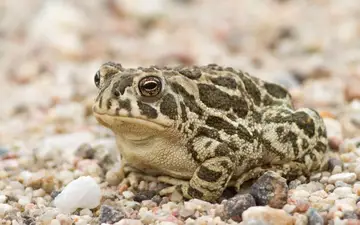
Venom No official source we use states whether this animal is venomous. That does not mean it is harmless: do not handle it. Conservation Federal: Threatened; State NM: Species of Greatest Conservation Need (SGCN) 2025 Photo: Fyn Kynd · CC BY-SA 4.0 · iNaturalist · resized Great Plains Toad Anaxyrus cognatus
Not stated
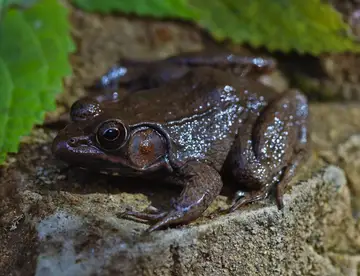
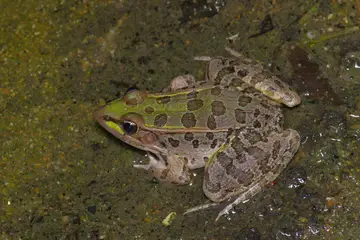
Venom No official source we use states whether this animal is venomous. That does not mean it is harmless: do not handle it. Photo: Peter Paplanus from St. Louis, Missouri · CC BY 2.0 · Wikimedia Commons Green Frog Lithobates clamitans
Not stated
Venom No official source we use states whether this animal is venomous. That does not mean it is harmless: do not handle it. No confirmed photo of Lowland Leopard Frog Lowland Leopard Frog Lithobates yavapaiensis
Not stated
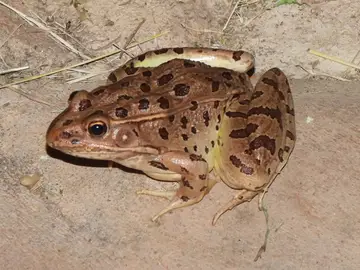
Venom No official source we use states whether this animal is venomous. That does not mean it is harmless: do not handle it. Conservation State NM: Endangered; State NM: Species of Greatest Conservation Need (SGCN) 2025 Photo: Colin Croft · CC BY 4.0 · iNaturalist Northern Leopard Frog Lithobates pipiens
Not stated
Venom No official source we use states whether this animal is venomous. That does not mean it is harmless: do not handle it. Conservation State NM: Species of Greatest Conservation Need (SGCN) 2025 Photo: Sam Kieschnick · CC BY 4.0 · Wikimedia Commons Plains Leopard Frog Lithobates blairi
Not stated
Venom No official source we use states whether this animal is venomous. That does not mean it is harmless: do not handle it. Conservation State NM: Species of Greatest Conservation Need (SGCN) 2025 Photo: Nathan May · CC BY 4.0 · iNaturalist Red-spotted Toad Anaxyrus punctatus
Not stated
Venom No official source we use states whether this animal is venomous. That does not mean it is harmless: do not handle it. Photo: Michelle W. (鍾偉瑋) · CC BY 4.0 · iNaturalist Rio Grande Leopard Frog Lithobates berlandieri
Not stated
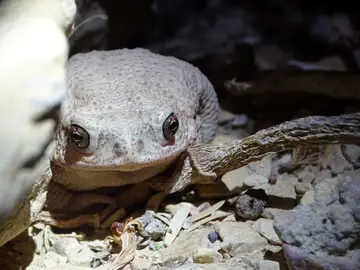
Venom No official source we use states whether this animal is venomous. That does not mean it is harmless: do not handle it. Conservation State NM: Species of Greatest Conservation Need (SGCN) 2025 Photo: Lon Brehmer · CC BY 4.0 · iNaturalist Incilius alvarius
Not stated
Venom No official source we use states whether this animal is venomous. That does not mean it is harmless: do not handle it. Danger to people “The skin secretion is toxic to dogs and other animals” BISON-M Size Up to 7.5 inches or more (AZGFD); NPS Saguaro gives 4 to 7.5 inches. How to recognize it Cranial crests on the head and long glands behind the head and on the hind legs Amber eye, with a large oval parotoid gland and round eardrum behind it Call is a short, low toot; AZGFD compares it to a ferry boat whistle Conservation State NM: Species of Greatest Conservation Need (SGCN) 2025; State NM: Threatened Full Sonoran Desert Toad guide
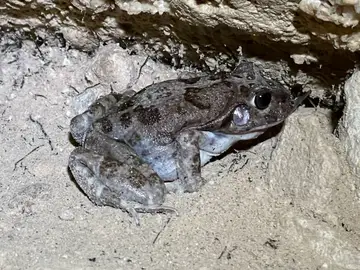
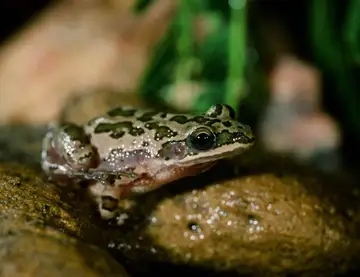
Photo: Mike Duran · CC BY 4.0 · iNaturalist Spotted Chorus Frog Pseudacris clarkii
Not stated
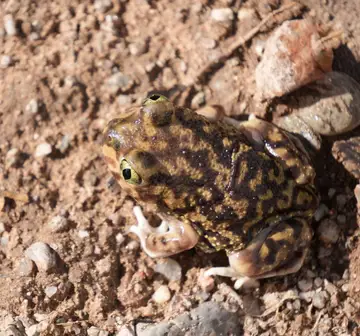
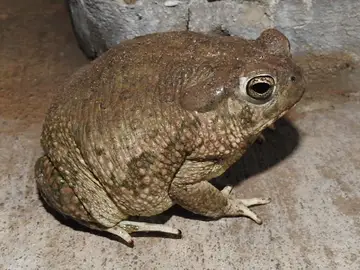
Venom No official source we use states whether this animal is venomous. That does not mean it is harmless: do not handle it. Photo: Sam Kieschnick · CC BY 4.0 · iNaturalist Texas Toad Anaxyrus speciosus
Not stated
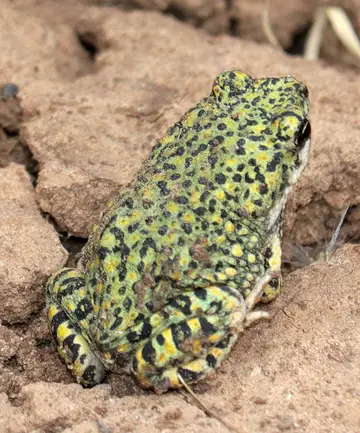
Venom No official source we use states whether this animal is venomous. That does not mean it is harmless: do not handle it. Photo: crseaquist · CC BY 4.0 · iNaturalist Western Green Toad Anaxyrus debilis insidior
Not stated
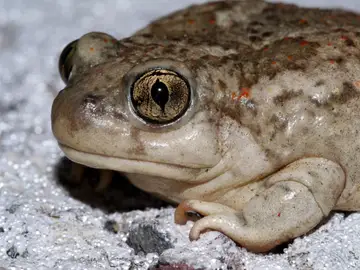
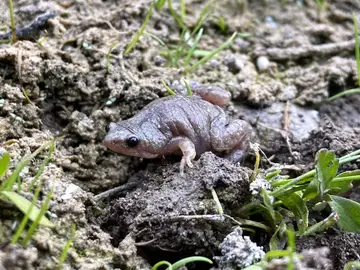
Venom No official source we use states whether this animal is venomous. That does not mean it is harmless: do not handle it. Photo: Reid Hardin · CC BY 4.0 · iNaturalist Western Narrow-mouthed Toad Gastrophryne olivacea
Not stated
Venom No official source we use states whether this animal is venomous. That does not mean it is harmless: do not handle it. Conservation State NM: Endangered; State NM: Species of Greatest Conservation Need (SGCN) 2025 No confirmed photo of Woodhouse's Toad Woodhouse's Toad Anaxyrus woodhousii
Not stated
Venom No official source we use states whether this animal is venomous. That does not mean it is harmless: do not handle it. Frogs and Toads people confuse Sonoran Desert toad or American bullfrog? NPS says it is sometimes mistaken for a bullfrog because of its size and smooth skin. The prominent parotoid glands mark it as a true toad.
American Bullfrog or Green Frog (Bronze Frog)? Bullfrogs lack the dorsolateral ridges that green frogs have.
Photos show typical adults; individuals vary. Never get close to compare.
When frogs and toads are active in New Mexico Records of frogs and toads in New Mexico peak in June to August. They show when people record frogs and toads, not how many there are (about month bars ).
Jan Feb Mar Apr May Jun Jul Aug Sep Oct Nov Dec
485 records of frogs and toads in New Mexico by month (GBIF, CC0 and CC BY records). If you are bitten or stung Call 911 or Poison Help at 1-800-222-1222 right away. Poison Help connects you to your local poison center, any time of day.
How to report Dangerous wildlife encounter: contact the nearest NMDOW conservation officer (Mon-Fri 8 a.m.-5 p.m.; enforcement contacts map at https://wildlife.dgf.nm.gov/enforcement/law-enforcement-contact-information/), otherwise State Police dispatch. Suspected New World screwworm in game animals: NMDOW 888-248-6866. New Mexico Department of Wildlife
Sources Living With Wildlife . New Mexico Department of Wildlife (formerly New Mexico Department of Game and Fish). page modified 2026-10-26; checked November 3, 2026. Quoted passages (1) “In the event of a dangerous encounter, please reach out to your nearest Department conservation officer during regular business hours (Monday-Friday, 8 a.m.-5 p.m.).” BISON-M (Biota Information System of New Mexico) species search export: taxonomic name "Anura" . New Mexico Department of Wildlife (BISON-M, with Natural Heritage New Mexico). database queried November 3, 2026; checked November 3, 2026. BISON-M Species Booklet 020095: Sonoran Desert Toad . New Mexico Department of Wildlife (BISON-M). updated July 7, 2021; checked November 3, 2026. Quoted passages (1) “The skin secretion is toxic to dogs and other animals” GBIF.org occurrence records, human observations licensed CC0 1.0 or CC BY 4.0 only, accessed November 3, 2026. The datasets behind these counts are listed on our Sources page.