States Wildlife

New York Bugs and Insects That Sting or Bite

Last checked November 3, 2026 against official sources.

On this page
  1. Which insects can hurt you
  2. All 8 insects
  3. When they are active
  4. If you are bitten or stung
  5. About this list
  6. Sources

This page lists 8 insects: 3 from NYSDEC's NYS DEC invasive insect pages; NYS IPM stinging insects; NYS DOH West Nile Virus and 5 named in other official sources. 4 are nonnative.

Not every species: no complete official list of New York insects exists, so this page covers the ones state and Extension sources name. How lists are built.

Which insects can hurt you

Official sources single out these insects in New York, in their own words:

All 8 insects

From A to Z. Do not handle them.

No confirmed photo of Asian longhorned beetle

Asian longhorned beetle

Not stated Invasive

Venom
No official source we use states whether this animal is venomous. That does not mean it is harmless: do not handle it.
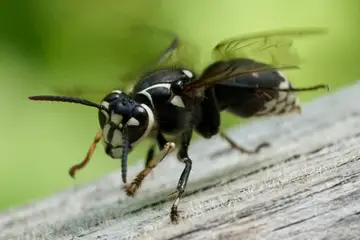
Bald-faced hornet
Photo: Amy Schnebelin · CC BY 4.0 · iNaturalist

Bald-faced hornet

Not stated

Venom
No official source we use states whether this animal is venomous. That does not mean it is harmless: do not handle it.
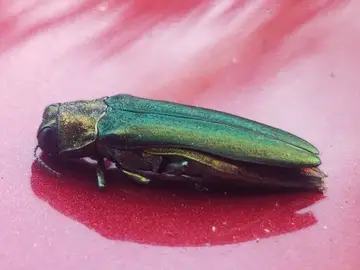
Emerald ash borer
Photo: Brandon McCracken · CC BY 4.0 · iNaturalist

Emerald ash borer

Not stated Invasive

Venom
No official source we use states whether this animal is venomous. That does not mean it is harmless: do not handle it.
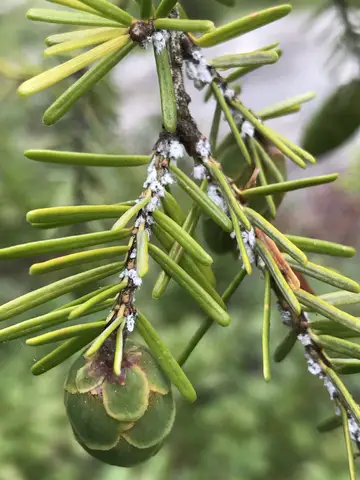
Hemlock woolly adelgid
Photo: Alan Weakley · CC0 1.0 · iNaturalist

Hemlock woolly adelgid

Not stated Invasive

Venom
No official source we use states whether this animal is venomous. That does not mean it is harmless: do not handle it.
No confirmed photo of Mosquitoes (about 70 species; not itemized)

Mosquitoes (about 70 species; not itemized)

Not stated

Venom
No official source we use states whether this animal is venomous. That does not mean it is harmless: do not handle it.
No confirmed photo of Paper wasps

Paper wasps

Not stated

Venom
No official source we use states whether this animal is venomous. That does not mean it is harmless: do not handle it.
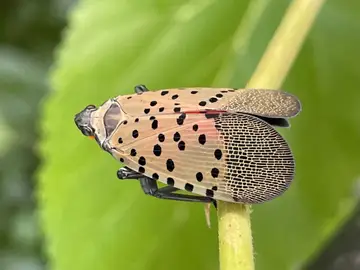
Spotted lanternfly
Photo: Isaac Caswell · CC0 1.0 · iNaturalist

Spotted lanternfly

Lycorma delicatula

Not stated Invasive

Venom
No official source we use states whether this animal is venomous. That does not mean it is harmless: do not handle it.
Size
Adults are roughly 1 inch long and 1/2 inch wide.
How to recognize it
  • Forewings brown or gray with black spots, ending in a speckled band.
  • Hind wings scarlet with black spots, plus white and black bars.
  • Abdomen yellow with black bars. Legs and head black.
Where in New York
SLF is widespread in certain areas of New York State including Long Island, New York City, Hudson Valley, Capital Region, Finger Lakes, and Western New York regions. NYSDEC
1,103 records by month.

Full Spotted lanternfly guide

No confirmed photo of Yellowjackets

Yellowjackets

Not stated

Venom
No official source we use states whether this animal is venomous. That does not mean it is harmless: do not handle it.

When insects are active in New York

Records of insects in New York peak in June to August. They show when people record insects, not how many there are (about month bars).

120,876 records of insects in New York by month (GBIF, CC0 and CC BY records).

If you are bitten or stung

Call 911 or Poison Help at 1-800-222-1222 right away. Poison Help connects you to your local poison center, any time of day.

About this list

The species list comes from NYS DEC invasive insect pages; NYS IPM stinging insects; NYS DOH West Nile Virus (NYSDEC, see each source). 5 more entries come from other official sources named on each card.

Venom labels come only from official sources and link to them; "Not stated" never means harmless. How labels work.

"Nonnative" and "Invasive" follow the wording of the source list. See invasive species in New York.

Sources

  1. Amphibians and Reptiles. NYSDEC. archived copy, captured May 22, 2026; checked November 3, 2026.
    Quoted passages (1)
    “Our native turtles are on the move in May and June seeking sandy areas or loose soil to lay their eggs.”
  2. Terrestrial Invasive Species. NYSDEC. archived copy, captured October 14, 2026; checked November 3, 2026.
  3. Spotted Lanternfly. NYSDEC. archived copy, captured August 15, 2026; checked November 3, 2026.
  4. Stinging Insects (Think IPM Blog tag page). New York State Integrated Pest Management, Cornell University. undated page; checked November 3, 2026.
    Quoted passages (1)
    “Yellowjackets, bald-faced hornets and paper wasps are stinging insects that nest on or near structures.”
  5. West Nile Virus (WNV). New York State Department of Health. undated page; checked November 3, 2026.
    Quoted passages (1)
    “WNV is usually spread through the bite of an infected mosquito.”
  6. Be Tick Free - A Guide for Preventing Lyme Disease. New York State Department of Health. undated page; checked November 3, 2026.
    Quoted passages (1)
    “Young deer ticks, called nymphs, are active from mid-May to mid-August”
  7. GBIF.org occurrence records, human observations licensed CC0 1.0 or CC BY 4.0 only, accessed November 3, 2026. The datasets behind these counts are listed on our Sources page.