States Wildlife

Sharks in Texas: Species, Stingrays & Safety

Last checked November 3, 2026 against official sources.

On this page
  1. Which sharks, rays and other marine animals can hurt you
  2. All 36 sharks, rays and other marine animals
  3. When they are active
  4. If you are bitten or stung
  5. How to report
  6. What official sources say
  7. About this list
  8. Sources

Texas Parks and Wildlife Department: There are about 40 shark species found in the Texas waters of the Gulf of Mexico.

This page lists 36 sharks, rays and other marine animals: 27 from Texas Parks and Wildlife Department's TPWD Outdoor Annual: Shark Limits & Identification; Shark Bag & Length Limits; Prohibited Shark Species and 9 named in other official sources. Texas Parks and Wildlife Department gives a total of 40; the 36 here are the sharks, rays and other marine animals official sources name one by one.

Which sharks, rays and other marine animals can hurt you

Official sources single out these sharks, rays and other marine animals in Texas, in their own words:

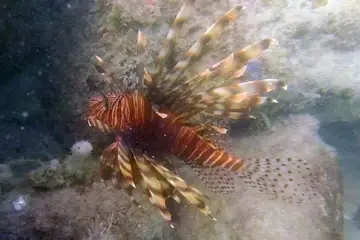
  • Lionfish
    Photo: Kristof Zyskowski · CC BY 4.0 · iNaturalist

    Lionfish

    Venomous spines, painful sting (USGS). “The dorsal- and anal-fin spines of the lionfish contain a potent venom that can administer a painful sting” USGS Nonindigenous Aquatic Species Database

  • Portuguese man-of-war and jellyfish

    Stinging capsules. “Jellyfish and Portuguese man-of-wars have special stinging capsules called nematocysts that deliver an uncomfortable sting.” National Park Service

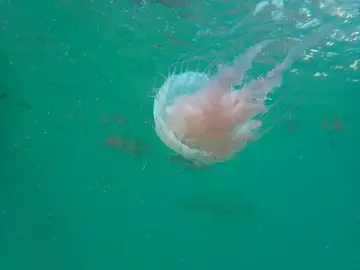
  • Sea nettle
    Photo: Josiah Londerée · CC BY 4.0 · iNaturalist

    Sea nettle

    Powerful sting (NPS, Padre Island). “Like the land plant which shares its name, the Sea nettle packs a powerful sting.” National Park Service

  • Stingrays

    Tail barb causes wounds when stepped on (NPS, Padre Island). “When stepped on, stingrays will whip their tail inflicting a laceration or puncture wound.” National Park Service

All 36 sharks, rays and other marine animals

From A to Z. Do not handle them.

No confirmed photo of Atlantic angel shark

Atlantic angel shark

Not stated

Venom
No official source we use states whether this animal is venomous. That does not mean it is harmless: do not handle it.
Conservation
Prohibited species (TPWD zero bag limit)
No confirmed photo of Atlantic sharpnose shark

Atlantic sharpnose shark

Not stated

Venom
No official source we use states whether this animal is venomous. That does not mean it is harmless: do not handle it.
Conservation
Allowable (TPWD bag limit 1; min 24 in.)
No confirmed photo of Basking shark

Basking shark

Not stated

Venom
No official source we use states whether this animal is venomous. That does not mean it is harmless: do not handle it.
Conservation
Prohibited species (TPWD zero bag limit)
No confirmed photo of Bigeye sand tiger shark

Bigeye sand tiger shark

Not stated

Venom
No official source we use states whether this animal is venomous. That does not mean it is harmless: do not handle it.
Conservation
Prohibited species (TPWD zero bag limit)
No confirmed photo of Bigeye sixgill shark

Bigeye sixgill shark

Not stated

Venom
No official source we use states whether this animal is venomous. That does not mean it is harmless: do not handle it.
Conservation
Prohibited species (TPWD zero bag limit)
No confirmed photo of Bigeye thresher shark

Bigeye thresher shark

Not stated

Venom
No official source we use states whether this animal is venomous. That does not mean it is harmless: do not handle it.
Conservation
Prohibited species (TPWD zero bag limit)
No confirmed photo of Bignose shark

Bignose shark

Not stated

Venom
No official source we use states whether this animal is venomous. That does not mean it is harmless: do not handle it.
Conservation
Prohibited species (TPWD zero bag limit)
No confirmed photo of Blacknose shark

Blacknose shark

Not stated

Venom
No official source we use states whether this animal is venomous. That does not mean it is harmless: do not handle it.
Conservation
Allowable (min 64 in.)
No confirmed photo of Blacktip shark

Blacktip shark

Not stated

Venom
No official source we use states whether this animal is venomous. That does not mean it is harmless: do not handle it.
Conservation
Allowable (TPWD bag limit 1; min 24 in.)
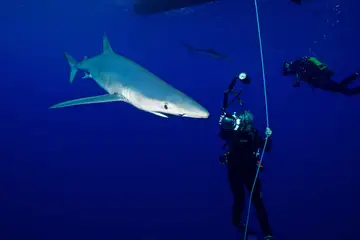
Blue shark
Photo: Juergen Gangoly · CC BY-SA 4.0 · Wikimedia Commons · resized

Blue shark

Not stated

Venom
No official source we use states whether this animal is venomous. That does not mean it is harmless: do not handle it.
Conservation
Allowable (min 64 in.)
No confirmed photo of Bonnethead shark

Bonnethead shark

Not stated

Venom
No official source we use states whether this animal is venomous. That does not mean it is harmless: do not handle it.
Conservation
Allowable (TPWD bag limit 1; min 24 in.)
No confirmed photo of Bull shark

Bull shark

Not stated

Venom
No official source we use states whether this animal is venomous. That does not mean it is harmless: do not handle it.
Conservation
Allowable (min 64 in.)
No confirmed photo of Caribbean reef shark

Caribbean reef shark

Not stated

Venom
No official source we use states whether this animal is venomous. That does not mean it is harmless: do not handle it.
Conservation
Prohibited species (TPWD zero bag limit)
No confirmed photo of Caribbean sharpnose shark

Caribbean sharpnose shark

Not stated

Venom
No official source we use states whether this animal is venomous. That does not mean it is harmless: do not handle it.
Conservation
Prohibited species (TPWD zero bag limit)
No confirmed photo of Dusky shark

Dusky shark

Not stated

Venom
No official source we use states whether this animal is venomous. That does not mean it is harmless: do not handle it.
Conservation
Prohibited species (TPWD zero bag limit)
No confirmed photo of Finetooth shark

Finetooth shark

Not stated

Venom
No official source we use states whether this animal is venomous. That does not mean it is harmless: do not handle it.
Conservation
Allowable (min 64 in.)
No confirmed photo of Galapagos shark

Galapagos shark

Not stated

Venom
No official source we use states whether this animal is venomous. That does not mean it is harmless: do not handle it.
Conservation
Prohibited species (TPWD zero bag limit)
No confirmed photo of Hammerhead sharks (smooth, great, scalloped)

Hammerhead sharks (smooth, great, scalloped)

Not stated

Venom
No official source we use states whether this animal is venomous. That does not mean it is harmless: do not handle it.
Conservation
Allowable (min 99 in.)
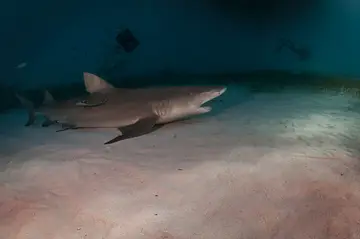
Lemon shark
Photo: GregAmptman · CC BY 4.0 · Wikimedia Commons

Lemon shark

Not stated

Venom
No official source we use states whether this animal is venomous. That does not mean it is harmless: do not handle it.
Conservation
Allowable (min 64 in.)
No confirmed photo of Longfin mako shark

Longfin mako shark

Not stated

Venom
No official source we use states whether this animal is venomous. That does not mean it is harmless: do not handle it.
Conservation
Prohibited species (TPWD zero bag limit)
No confirmed photo of Narrowtooth shark

Narrowtooth shark

Not stated

Venom
No official source we use states whether this animal is venomous. That does not mean it is harmless: do not handle it.
Conservation
Prohibited species (TPWD zero bag limit)
No confirmed photo of Night shark

Night shark

Not stated

Venom
No official source we use states whether this animal is venomous. That does not mean it is harmless: do not handle it.
Conservation
Prohibited species (TPWD zero bag limit)
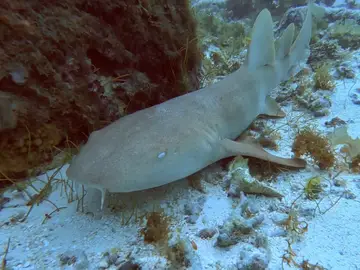
Nurse shark
Photo: Matteo Bellucci · CC BY 4.0 · iNaturalist

Nurse shark

Not stated

Venom
No official source we use states whether this animal is venomous. That does not mean it is harmless: do not handle it.
Conservation
Allowable (min 64 in.)
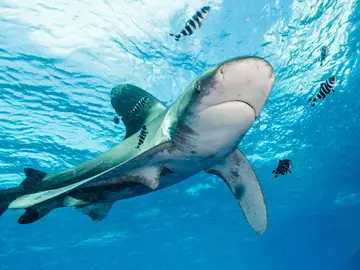
Oceanic Whitetip shark
Photo: Alexander Vasenin · CC BY-SA 4.0 · Wikimedia Commons · resized

Oceanic Whitetip shark

Not stated

Venom
No official source we use states whether this animal is venomous. That does not mean it is harmless: do not handle it.
Conservation
Prohibited species (TPWD zero bag limit)
No confirmed photo of Sand tiger shark

Sand tiger shark

Not stated

Venom
No official source we use states whether this animal is venomous. That does not mean it is harmless: do not handle it.
Conservation
Prohibited species (TPWD zero bag limit)
No confirmed photo of Sandbar shark

Sandbar shark

Not stated

Venom
No official source we use states whether this animal is venomous. That does not mean it is harmless: do not handle it.
Conservation
Prohibited species (TPWD zero bag limit)
No confirmed photo of Sevengill shark

Sevengill shark

Not stated

Venom
No official source we use states whether this animal is venomous. That does not mean it is harmless: do not handle it.
Conservation
Prohibited species (TPWD zero bag limit)
No confirmed photo of Shortfin mako shark

Shortfin mako shark

Not stated

Venom
No official source we use states whether this animal is venomous. That does not mean it is harmless: do not handle it.
Conservation
Prohibited species (TPWD zero bag limit)
No confirmed photo of Silky shark

Silky shark

Not stated

Venom
No official source we use states whether this animal is venomous. That does not mean it is harmless: do not handle it.
Conservation
Prohibited species (TPWD zero bag limit)
No confirmed photo of Sixgill shark

Sixgill shark

Not stated

Venom
No official source we use states whether this animal is venomous. That does not mean it is harmless: do not handle it.
Conservation
Prohibited species (TPWD zero bag limit)
No confirmed photo of Smalltail shark

Smalltail shark

Not stated

Venom
No official source we use states whether this animal is venomous. That does not mean it is harmless: do not handle it.
Conservation
Prohibited species (TPWD zero bag limit)
No confirmed photo of Spinner shark

Spinner shark

Not stated

Venom
No official source we use states whether this animal is venomous. That does not mean it is harmless: do not handle it.
Conservation
Allowable (min 64 in.)
No confirmed photo of Thresher shark

Thresher shark

Not stated

Venom
No official source we use states whether this animal is venomous. That does not mean it is harmless: do not handle it.
Conservation
Allowable (min 64 in.)
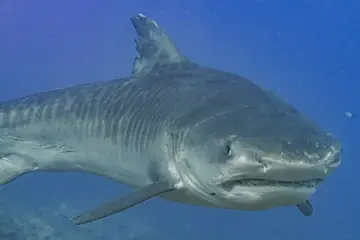
Tiger shark
Photo: cello caruso-turiello · CC BY 4.0 · iNaturalist

Tiger shark

Not stated

Venom
No official source we use states whether this animal is venomous. That does not mean it is harmless: do not handle it.
Conservation
Allowable (min 64 in.)
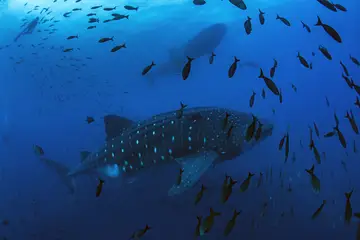
Whale shark
Photo: Jonathan Green · CC BY 4.0 · Wikimedia Commons

Whale shark

Not stated

Venom
No official source we use states whether this animal is venomous. That does not mean it is harmless: do not handle it.
Conservation
Prohibited species (TPWD zero bag limit)
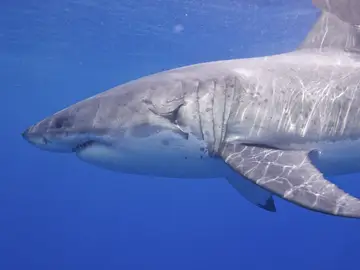
White shark
Photo: Elias Levy · CC BY 2.0 · Wikimedia Commons

White shark

Not stated

Venom
No official source we use states whether this animal is venomous. That does not mean it is harmless: do not handle it.
Conservation
Prohibited species (TPWD zero bag limit)

When sharks, rays and other marine animals are active in Texas

Records of sharks, rays and other marine animals in Texas peak in April to June and September to November. They show when people record sharks, rays and other marine animals, not how many there are (about month bars).

13,521 records of sharks, rays and other marine animals in Texas by month (GBIF, CC0 and CC BY records).

If you are bitten or stung

Call 911 or Poison Help at 1-800-222-1222 right away. Poison Help connects you to your local poison center, any time of day.

Official advice from Texas Parks and Wildlife Department:
How to report

Aquatic invasive species: email [email protected] (TPWD). TPWD general phone: (512) 389-4800 or (800) 792-1112. Texas Parks and Wildlife Department

What official sources say

Are there sharks in Texas?

Yes. TPWD: about 40 shark species in the Texas waters of the Gulf of Mexico. Texas Parks and Wildlife Department

“There are about 40 shark species found in the Texas waters of the Gulf of Mexico.”

About this list

The species list comes from TPWD Outdoor Annual: Shark Limits & Identification; Shark Bag & Length Limits; Prohibited Shark Species (Texas Parks and Wildlife Department, Valid Sep. 1, 2026 through Aug. 31, 2027). 9 more entries come from other official sources named on each card.

Venom labels come only from official sources and link to them; "Not stated" never means harmless. How labels work.

Sources

  1. Mission & Philosophy. Texas Parks and Wildlife Department. undated page; checked November 3, 2026.
  2. Shark Bag & Length Limits (Outdoor Annual). Texas Parks and Wildlife Department. Valid Sep. 1, 2026 through Aug. 31, 2027; checked November 3, 2026.
  3. TPWD email bulletin: Sharks? We've got a few in Texas. Texas Parks and Wildlife Department (GovDelivery bulletin). July 26, 2018; checked November 3, 2026.
    Quoted passages (1)
    “There are about 40 shark species found in the Texas waters of the Gulf of Mexico.”
  4. Shark Limits & Identification (Outdoor Annual). Texas Parks and Wildlife Department. Outdoor Annual; checked November 3, 2026.
  5. Lionfish (Pterois volitans/miles) - Species Profile. USGS Nonindigenous Aquatic Species Database. Revision date 2/19/2025; checked November 3, 2026.
    Quoted passages (1)
    “The dorsal- and anal-fin spines of the lionfish contain a potent venom that can administer a painful sting”
  6. Safety - Padre Island National Seashore. National Park Service. updated March 4, 2026; checked November 3, 2026.
    Quoted passages (2)
    “Jellyfish and Portuguese man-of-wars have special stinging capsules called nematocysts that deliver an uncomfortable sting.”
    “When stepped on, stingrays will whip their tail inflicting a laceration or puncture wound.”
  7. Other Invertebrates - Padre Island National Seashore. National Park Service. updated February 18, 2025; checked November 3, 2026.
    Quoted passages (1)
    “Like the land plant which shares its name, the Sea nettle packs a powerful sting.”
  8. Prohibited Shark Species (Outdoor Annual). Texas Parks and Wildlife Department. Outdoor Annual 2026-27; checked November 3, 2026.
    Quoted passages (1)
    “If you catch a shark and are unsure of the species identification, release it.”
  9. TPWD Wildlife Fact Sheet: Aquatic Invasive Species. Texas Parks and Wildlife Department. undated page; checked November 3, 2026.
    Quoted passages (1)
    “For information or to report sightings of aquatic invasive species, email [email protected].”
  10. GBIF.org occurrence records, human observations licensed CC0 1.0 or CC BY 4.0 only, accessed November 3, 2026. The datasets behind these counts are listed on our Sources page.