States Wildlife

Texas Frogs and Toads: Pictures & ID Guide

Last checked November 3, 2026 against official sources.

On this page
  1. Which frogs and toads can hurt you
  2. All 43 frogs and toads
  3. Lookalikes
  4. When they are active
  5. If you are bitten or stung
  6. How to report
  7. About this list
  8. Sources

This page lists 43 species: all from Herps of Texas, Biodiversity Collections, Dept. of Integrative Biology, The University of Texas at Austin's Frogs of Texas. 1 is nonnative.

Which frogs and toads can hurt you

Official sources single out these frogs and toads in Texas, in their own words:

All 43 frogs and toads

From A to Z. Do not handle them.

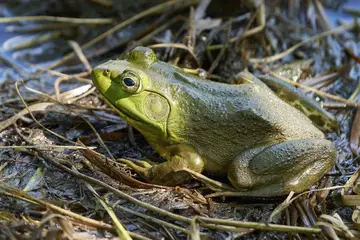
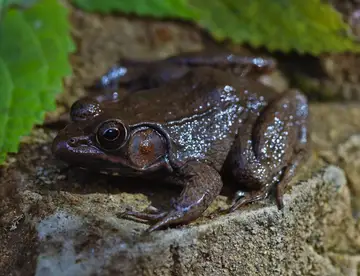
American Bullfrog
Photo: Paul Danese · CC BY-SA 4.0 · Wikimedia Commons · resized

American Bullfrog

Rana catesbeiana

Not stated

Venom
No official source we use states whether this animal is venomous. That does not mean it is harmless: do not handle it.
Size
Usually 6 to 8 inches long (NCWRC); can reach 8 inches or more and weigh over 2 pounds (CDFW). Missouri gives 3.5 to 6 inches snout to vent, occasionally to 8.75.
How to recognize it
  • No ridge (dorsolateral fold) down each side of the back
  • Large round eardrum: about twice the eye in males, about eye-sized in females
  • Fully webbed hind feet, longest toe extends past the webbing
838 records by month.

Full American Bullfrog guide

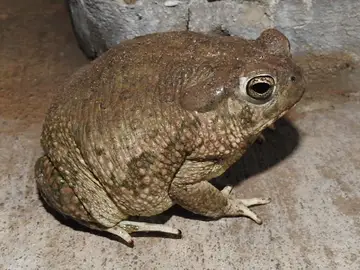
American Toad
Photo: User:Rstanton13 · CC BY-SA 4.0 · Wikimedia Commons · resized

American Toad

Bufo americanus

Not stated

Venom
No official source we use states whether this animal is venomous. That does not mean it is harmless: do not handle it.
Size
2 to 3.5 inches long (NCWRC: up to 4 inches); females are larger than males.
How to recognize it
  • Dark spots on the back hold only a few large warts; the similar Fowler's toad has three or more. Agencies give different counts for the American toad (TWRA: one or two; Ohio DNR: one, two or three; Georgia DNR: usually no more than one), so wart count alone does not settle it; check the head crests too (see lookalikes).
  • A large, kidney- or bean-shaped parotoid gland behind each eye that usually does not touch the bony ridge (cranial crest) above the eye, or touches it only by a short spur.
  • Enlarged warts on the lower leg.

Full American Toad guide

Barking Frog
Photo: Luke Padon · CC BY 4.0 · iNaturalist

Barking Frog

Eleutherodactylus augusti

Not stated

Venom
No official source we use states whether this animal is venomous. That does not mean it is harmless: do not handle it.
No confirmed photo of Cajun Chorus Frog

Cajun Chorus Frog

Pseudacris fouquettei

Not stated

Venom
No official source we use states whether this animal is venomous. That does not mean it is harmless: do not handle it.
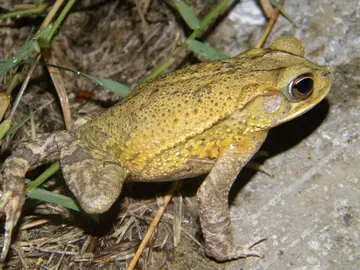
Cane Toad
Photo: Maximilian Paradiz from Amsterdam, Netherlands · CC BY 2.0 · Wikimedia Commons

Cane Toad

Bufo marinus

Not stated

Venom
No official source we use states whether this animal is venomous. That does not mean it is harmless: do not handle it.
Danger to people
“…these toads have a pair of large parotoid glands that produce bufotoxins, which act as neurotoxins” USGS Nonindigenous Aquatic Species Database
Size
Florida FWC: generally 6 to 9 inches long. UF/IFAS: adults are 3 to 6 inches and some reach 8 or 9 inches.
How to recognize it
  • Large glands behind the eyes that angle down onto the shoulders and give off a milky-white toxin
  • Glands are large and somewhat triangular, tapering back to a point
  • No knobs or crests on top of the head; a ridge around the eyes and above the nose

Full Cane Toad guide

No confirmed photo of Canyon Treefrog

Canyon Treefrog

Hyla arenicolor

Not stated

Venom
No official source we use states whether this animal is venomous. That does not mean it is harmless: do not handle it.
No confirmed photo of Cliff Chirping Frog

Cliff Chirping Frog

Eleutherodactylus marnockii

Not stated

Venom
No official source we use states whether this animal is venomous. That does not mean it is harmless: do not handle it.
No confirmed photo of Cope's Gray Treefrog

Cope's Gray Treefrog

Hyla chrysoscelis

Not stated

Venom
No official source we use states whether this animal is venomous. That does not mean it is harmless: do not handle it.
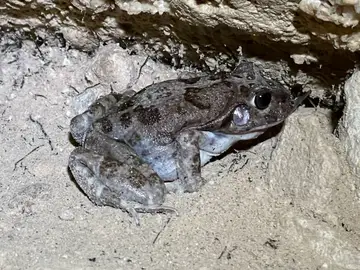
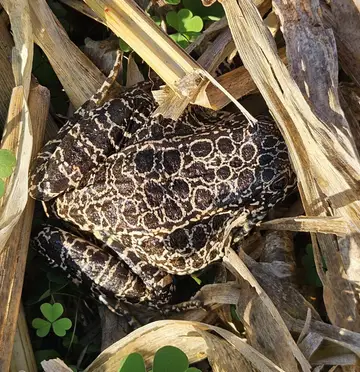
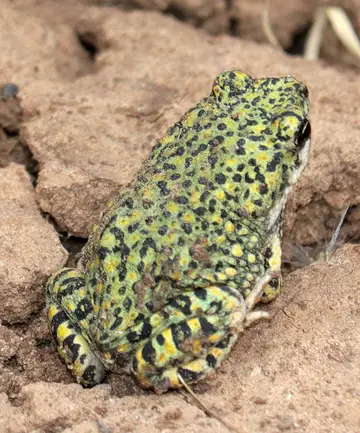
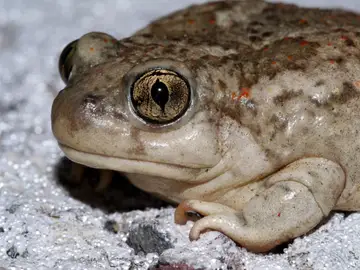
Couch's Spadefoot
Photo: Lon Brehmer · CC BY 4.0 · iNaturalist

Couch's Spadefoot

Scaphiopus couchii

Not stated

Venom
No official source we use states whether this animal is venomous. That does not mean it is harmless: do not handle it.
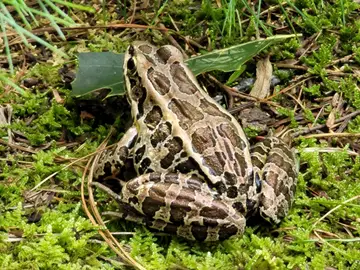
Crawfish Frog
Photo: Alex · CC0 1.0 · iNaturalist

Crawfish Frog

Rana areolata

Not stated

Venom
No official source we use states whether this animal is venomous. That does not mean it is harmless: do not handle it.
No confirmed photo of East Texas Toad

East Texas Toad

Bufo velatus

Not stated

Venom
No official source we use states whether this animal is venomous. That does not mean it is harmless: do not handle it.
No confirmed photo of Eastern Narrow-mouthed Toad

Eastern Narrow-mouthed Toad

Gastrophryne carolinensis

Not stated

Venom
No official source we use states whether this animal is venomous. That does not mean it is harmless: do not handle it.
178 records by month.
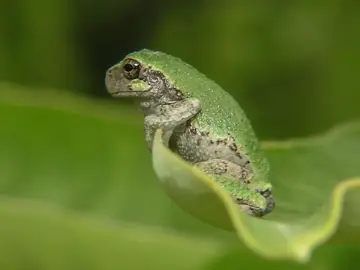
Gray Treefrog
Photo: Erik Schiff · CC0 1.0 · iNaturalist

Gray Treefrog

Hyla versicolor

Not stated

Venom
No official source we use states whether this animal is venomous. That does not mean it is harmless: do not handle it.
Size
Small: body usually 1¼ to 2½ inches long (snout to vent); Tennessee gives 1.25 to 2 inches.
How to recognize it
  • Large white or gray spot below each eye
  • Warty (granular) skin and sticky pads on fingers and toes
  • Bright orange or golden yellow on the underside of each hind leg, shown as a flash color
232 records by month.

Full Gray Treefrog guide

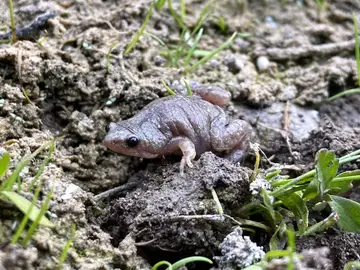
Great Plains Narrow-mouthed Toad
Photo: Reid Hardin · CC BY 4.0 · iNaturalist

Great Plains Narrow-mouthed Toad

Gastrophryne olivacea

Not stated

Venom
No official source we use states whether this animal is venomous. That does not mean it is harmless: do not handle it.
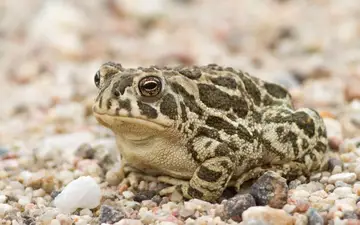
Great Plains Toad
Photo: Fyn Kynd · CC BY-SA 4.0 · iNaturalist · resized

Great Plains Toad

Bufo cognatus

Not stated

Venom
No official source we use states whether this animal is venomous. That does not mean it is harmless: do not handle it.
Green Frog
Photo: Peter Paplanus from St. Louis, Missouri · CC BY 2.0 · Wikimedia Commons

Green Frog

Rana clamitans

Not stated

Venom
No official source we use states whether this animal is venomous. That does not mean it is harmless: do not handle it.
105 records by month.
Green Toad
Photo: crseaquist · CC BY 4.0 · iNaturalist

Green Toad

Bufo debilis

Not stated

Venom
No official source we use states whether this animal is venomous. That does not mean it is harmless: do not handle it.
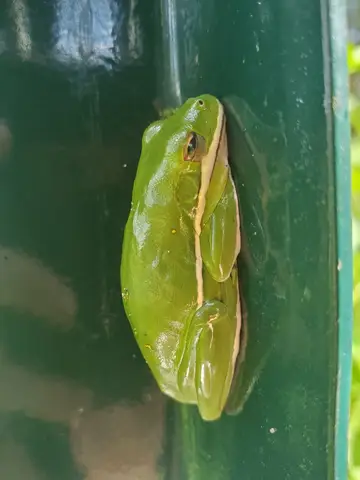
Green Treefrog
Photo: lightbed · CC0 1.0 · iNaturalist

Green Treefrog

Hyla cinerea

Not stated

Venom
No official source we use states whether this animal is venomous. That does not mean it is harmless: do not handle it.
Size
Adults reach about 2.5 inches: USGS gives 1.25 to 2.5 inches snout to vent. Virginia DWR says up to 2 inches.
How to recognize it
  • Smooth skin
  • Prominent toe pads
  • Loud nasal call, like cowbells from a distance
1,129 records by month.

Full Green Treefrog guide

Greenhouse Frog
Photo: Rachel Crane · CC BY 4.0 · iNaturalist

Greenhouse Frog

Eleutherodactylus planirostris

Not stated Nonnative

Venom
No official source we use states whether this animal is venomous. That does not mean it is harmless: do not handle it.
Gulf Coast Toad
Photo: Audrey Witherington · CC BY 4.0 · iNaturalist

Gulf Coast Toad

Bufo nebulifer

Not stated

Venom
No official source we use states whether this animal is venomous. That does not mean it is harmless: do not handle it.
No confirmed photo of Houston Toad

Houston Toad

Bufo houstonensis

Not stated

Venom
No official source we use states whether this animal is venomous. That does not mean it is harmless: do not handle it.
Conservation
Endangered, Listed 10/13/1970 (TPWD fact sheet tx-tpwd-fs-htoad)
No confirmed photo of Hurter's Spadefoot

Hurter's Spadefoot

Scaphiopus hurterii

Not stated

Venom
No official source we use states whether this animal is venomous. That does not mean it is harmless: do not handle it.
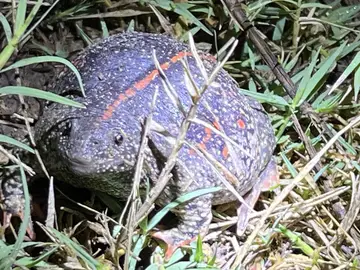
Mexican Burrowing Toad
Photo: Brandon Bourassa · CC BY 4.0 · iNaturalist

Mexican Burrowing Toad

Rhinophrynus dorsalis

Not stated

Venom
No official source we use states whether this animal is venomous. That does not mean it is harmless: do not handle it.
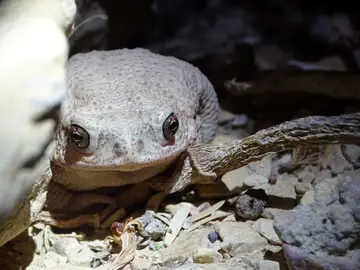
Mexican Spadefoot
Photo: Matt Muir · CC BY 4.0 · iNaturalist

Mexican Spadefoot

Spea multiplicata

Not stated

Venom
No official source we use states whether this animal is venomous. That does not mean it is harmless: do not handle it.
No confirmed photo of Mexican Treefrog

Mexican Treefrog

Smilisca baudinii

Not stated

Venom
No official source we use states whether this animal is venomous. That does not mean it is harmless: do not handle it.
No confirmed photo of Mexican White-lipped Frog

Mexican White-lipped Frog

Leptodactylus fragilis

Not stated

Venom
No official source we use states whether this animal is venomous. That does not mean it is harmless: do not handle it.
No confirmed photo of Northern Cricket Frog

Northern Cricket Frog

Acris crepitans

Not stated

Venom
No official source we use states whether this animal is venomous. That does not mean it is harmless: do not handle it.
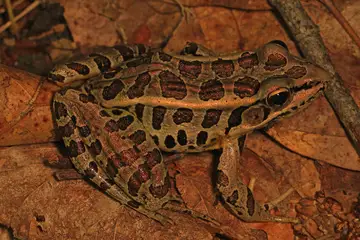
Pickerel Frog
Photo: Ken Clark · CC BY 4.0 · iNaturalist

Pickerel Frog

Rana palustris

Not stated

Venom
No official source we use states whether this animal is venomous. That does not mean it is harmless: do not handle it.
Size
About 1.75 to 3 inches long; large females reach about 3.5 inches. Males are smaller than females.
How to recognize it
  • Two rows of square or rectangular dark spots down the back between two light ridges (dorsolateral folds); spots sometimes merge into bars
  • Bright yellow or orange on the hidden inner surfaces of the hind legs and groin
  • No white spot on the eardrum (tympanum), unlike the southern leopard frog

Full Pickerel Frog guide

No confirmed photo of Pig Frog

Pig Frog

Rana grylio

Not stated

Venom
No official source we use states whether this animal is venomous. That does not mean it is harmless: do not handle it.
No confirmed photo of Plains Leopard Frog

Plains Leopard Frog

Rana blairi

Not stated

Venom
No official source we use states whether this animal is venomous. That does not mean it is harmless: do not handle it.
No confirmed photo of Plains Spadefoot

Plains Spadefoot

Spea bombifrons

Not stated

Venom
No official source we use states whether this animal is venomous. That does not mean it is harmless: do not handle it.
Red-spotted Toad
Photo: Nathan May · CC BY 4.0 · iNaturalist

Red-spotted Toad

Bufo punctatus

Not stated

Venom
No official source we use states whether this animal is venomous. That does not mean it is harmless: do not handle it.
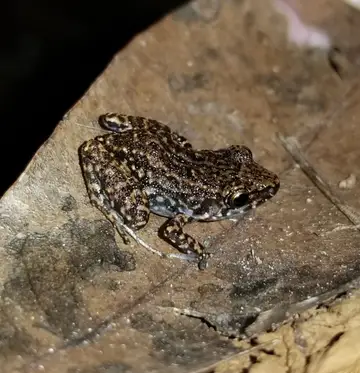
Rio Grande Chirping Frog
Photo: Stanton · CC BY-SA 4.0 · Wikimedia Commons · resized

Rio Grande Chirping Frog

Eleutherodactylus cystignathoides

Not stated

Venom
No official source we use states whether this animal is venomous. That does not mean it is harmless: do not handle it.
No confirmed photo of Rio Grande Leopard Frog

Rio Grande Leopard Frog

Rana berlandieri

Not stated

Venom
No official source we use states whether this animal is venomous. That does not mean it is harmless: do not handle it.
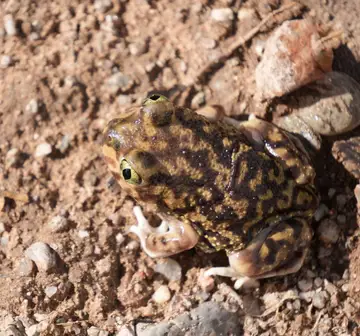
Sheep Frog
Photo: Sam Kieschnick · CC BY 4.0 · iNaturalist

Sheep Frog

Hypopachus variolosus

Not stated

Venom
No official source we use states whether this animal is venomous. That does not mean it is harmless: do not handle it.
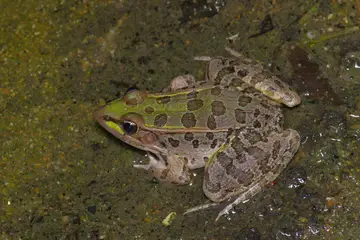
Southern Leopard Frog
Photo: Judy Gallagher · CC BY-SA 4.0 · iNaturalist · resized

Southern Leopard Frog

Rana sphenocephala

Not stated

Venom
No official source we use states whether this animal is venomous. That does not mean it is harmless: do not handle it.
614 records by month.
No confirmed photo of Spotted Chirping Frog

Spotted Chirping Frog

Eleutherodactylus guttilatus

Not stated

Venom
No official source we use states whether this animal is venomous. That does not mean it is harmless: do not handle it.
Spotted Chorus Frog
Photo: Mike Duran · CC BY 4.0 · iNaturalist

Spotted Chorus Frog

Pseudacris clarkii

Not stated

Venom
No official source we use states whether this animal is venomous. That does not mean it is harmless: do not handle it.
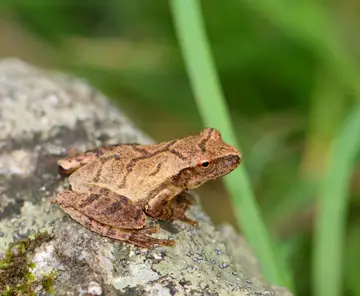
Spring Peeper
Photo: Christine Young · CC BY 4.0 · iNaturalist

Spring Peeper

Pseudacris crucifer

Not stated

Venom
No official source we use states whether this animal is venomous. That does not mean it is harmless: do not handle it.
Size
Adults 3/4 to 1 1/4 inches snout to vent, occasionally to 1 1/2 inches; males are smaller than females.
How to recognize it
  • Clear, high-pitched peep about once per second; a chorus can sound like small jingle bells
  • Adhesive pads on the tips of fingers and toes
  • Some individuals have little to no markings
52 records by month.

Full Spring Peeper guide

No confirmed photo of Squirrel Treefrog

Squirrel Treefrog

Hyla squirella

Not stated

Venom
No official source we use states whether this animal is venomous. That does not mean it is harmless: do not handle it.
No confirmed photo of Strecker's Chorus Frog

Strecker's Chorus Frog

Pseudacris streckeri

Not stated

Venom
No official source we use states whether this animal is venomous. That does not mean it is harmless: do not handle it.
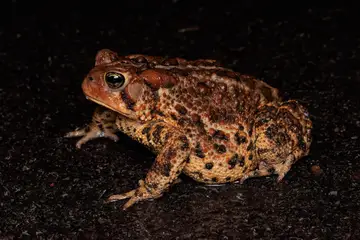
Texas Toad
Photo: Sam Kieschnick · CC BY 4.0 · iNaturalist

Texas Toad

Bufo speciosus

Not stated

Venom
No official source we use states whether this animal is venomous. That does not mean it is harmless: do not handle it.
No confirmed photo of Woodhouse's Toad

Woodhouse's Toad

Bufo woodhousii

Not stated

Venom
No official source we use states whether this animal is venomous. That does not mean it is harmless: do not handle it.

Frogs and Toads people confuse

Green Treefrog or Gray Treefrog and Cope's Gray Treefrog?

Green Treefrog
Photo: lightbed · CC0 1.0 · iNaturalist

Green Treefrog Not stated

Gray Treefrog and Cope's Gray Treefrog
Photo: Erik Schiff · CC0 1.0 · iNaturalist

Gray Treefrog and Cope's Gray Treefrog Not stated

Missouri Department of Conservation calls both gray treefrogs gray, unlike the green treefrog, but its gray treefrog account says their color may be green to light greenish gray, gray, brown or dark brown, so color alone does not settle it. MDC: gray treefrogs have warty (granular) skin; the green treefrog's back is smooth and a light stripe runs from its upper lip down the side of the body.

Gray treefrog or Green treefrog?

Gray treefrog
Photo: Erik Schiff · CC0 1.0 · iNaturalist

Gray treefrog Not stated

Green treefrog
Photo: lightbed · CC0 1.0 · iNaturalist

Green treefrog Not stated

The green treefrog is truly green with a light stripe from the upper lip down the side of the body.

Spring Peeper or Gray Treefrog?

Spring Peeper
Photo: Christine Young · CC BY 4.0 · iNaturalist

Spring Peeper Not stated

Gray Treefrog
Photo: Erik Schiff · CC0 1.0 · iNaturalist

Gray Treefrog Not stated

Maine IF&W lists the spring peeper's distinguishing characteristics: Maine's smallest frog (about 0.8 to 1.5 inches), grayish- or orangish-brown above with a distinct dark X on the back, and smooth skin; it notes it is commonly confused with the gray treefrog.

American Bullfrog or Green Frog (Bronze Frog)?

American Bullfrog
Photo: Paul Danese · CC BY-SA 4.0 · Wikimedia Commons · resized

American Bullfrog Not stated

Green Frog (Bronze Frog)
Photo: Peter Paplanus from St. Louis, Missouri · CC BY 2.0 · Wikimedia Commons

Green Frog (Bronze Frog) Not stated

Bullfrogs lack the dorsolateral ridges that green frogs have.

Pickerel frog or Leopard frogs (southern and northern leopard frogs)?

Pickerel frog
Photo: Judy Gallagher · CC BY 2.0 · Wikimedia Commons

Pickerel frog Not stated

Leopard frogs (southern and northern leopard frogs)
Photo: Michelle W. (鍾偉瑋) · CC BY 4.0 · iNaturalist

Leopard frogs (southern and northern leopard frogs) Not stated

Leopard frogs have rounded spots that are not in two neat rows, and no bright yellow-orange on the hidden leg surfaces. The southern leopard frog has a white spot on the eardrum and can be bright green; NCWRC says the pickerel frog is virtually always brown, tan or golden, though TWRA and MSU also list green, so color alone does not settle it.

Photos show typical adults; individuals vary. Never get close to compare.

When frogs and toads are active in Texas

Records of frogs and toads in Texas peak in April to August. They show when people record frogs and toads, not how many there are (about month bars).

12,665 records of frogs and toads in Texas by month (GBIF, CC0 and CC BY records).

If you are bitten or stung

Call 911 or Poison Help at 1-800-222-1222 right away. Poison Help connects you to your local poison center, any time of day.

How to report

Aquatic invasive species: email [email protected] (TPWD). TPWD general phone: (512) 389-4800 or (800) 792-1112. Texas Parks and Wildlife Department

About this list

The species list comes from Frogs of Texas (Herps of Texas checklist, UT Austin) (Herps of Texas, Biodiversity Collections, Dept. of Integrative Biology, The University of Texas at Austin, 2020-06-16 (archive capture date; site says distributions based on Dixon 2013 and range extensions through Dec 2012)).

Venom labels come only from official sources and link to them; "Not stated" never means harmless. How labels work.

"Nonnative" and "Invasive" follow the wording of the source list. See invasive species in Texas.

Want a paper copy? Print the Texas frogs and toads ID chart.

Sources

  1. Mission & Philosophy. Texas Parks and Wildlife Department. undated page; checked November 3, 2026.
  2. Herps of Texas: Frogs of Texas. Herps of Texas, Biodiversity Collections, Dept. of Integrative Biology, The University of Texas at Austin. 2020-06-16 (archive capture date; checked November 3, 2026.
  3. Mesoamerican Cane Toad (Rhinella horribilis) - Species Profile. USGS Nonindigenous Aquatic Species Database. Revision date 6/22/2022; checked November 3, 2026.
    Quoted passages (1)
    “…these toads have a pair of large parotoid glands that produce bufotoxins, which act as neurotoxins”
  4. TPWD Wildlife Fact Sheet: Aquatic Invasive Species. Texas Parks and Wildlife Department. undated page; checked November 3, 2026.
    Quoted passages (1)
    “For information or to report sightings of aquatic invasive species, email [email protected].”
  5. GBIF.org occurrence records, human observations licensed CC0 1.0 or CC BY 4.0 only, accessed November 3, 2026. The datasets behind these counts are listed on our Sources page.