
No confirmed photo of Buck moth caterpillar
Buck moth caterpillar
What the sources say
Venom: “It’s dark, spiny body is covered in clusters of sharp, branched venomous spines.” (Texas A&M AgriLife)
Last checked November 3, 2026 against official sources.
Texas A&M AgriLife Extension / Texas Imported Fire Ant Research and Management Project: No count stated.
This page lists 18 insects. 11 are venomous by official accounts. 1 is nonnative.
Not every species: no complete official list of Texas insects exists, so this page covers the ones state and Extension sources name. How lists are built.
Official sources single out these insects in Texas, in their own words:
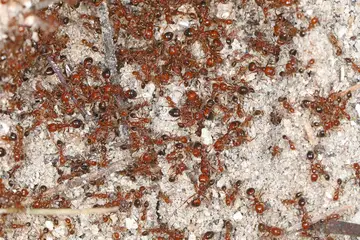
Stings repeatedly. “Imported fire ants are aggressive, will defensively attack anything that disturbs them, and can sting repeatedly. … Some people become sensitive to fire ant stings and should seek the advice of an allergist.” Texas A&M AgriLife Extension / Texas Imported Fire Ant Research and Management Project
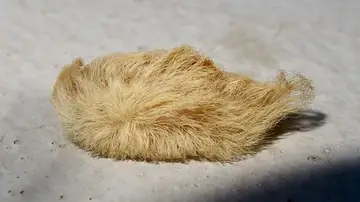
Venomous spines. “Touching an asp caterpillar can cause severe pain and may even require a trip to the hospital, according to AgriLife Extension experts.” Texas A&M AgriLife
Disease. “C hagas disease is spread mainly by the feces of an infected kissing bug. … research out of Texas A&M University suggests that one in two kissing bugs in Texas are infected with the parasite.” Texas Department of State Health Services
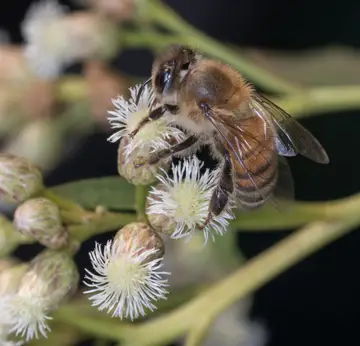
Stinging attacks. “In addition, the presence of Africanized honey bees increases the chance of stinging attacks.” Texas A&M AgriLife Extension
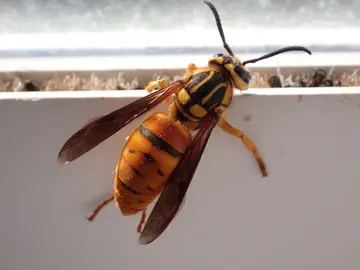
Can sting repeatedly. “They may be aggressive when foraging, especially in the fall.” Texas Cooperative Extension
Venomous sting (AgriLife Extension). “Reaction is immediate but should subside in a few hours to a few days.” Texas Cooperative Extension
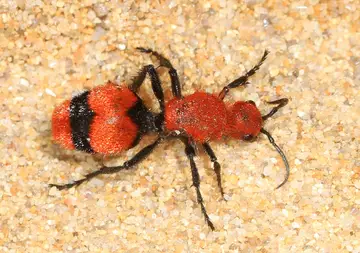
Extremely painful sting (AgriLife Extension). “Stings are considered extremely painful.” Texas Cooperative Extension
Toxin blisters skin. “They are dangerous if eaten, and can cause a reaction in the urinary tract.” Texas Cooperative Extension
Venomous bite. “There may be burning pain, nausea and temporary paralysis.” Texas Cooperative Extension
Stinging caterpillars (AgriLife Extension). “These fuzzy, or sometimes spiky, insects may seem harmless but can cause itchy rashes, intense pain and severe reactions requiring medical” Texas A&M AgriLife
Some transmit diseases (AgriLife Extension). “Blood feeders sometimes transmit diseases.” Texas Cooperative Extension
Venomous species first, then A to Z. Do not handle them.
Venom: “It’s dark, spiny body is covered in clusters of sharp, branched venomous spines.” (Texas A&M AgriLife)
Bombus spp.
Venom: “The species highlighted here are some of the best known, most commonly encountered, and most dangerous of venomous animals.” (Texas Cooperative Extension)
Scolopendra and other genera
Venom: “The first pair of ‘legs’ is actually a pair of hollow fangs with a venom gland at the base.” (Texas Cooperative Extension)
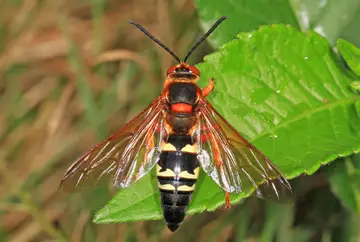
Sphecius speciosus
Venom: “The species highlighted here are some of the best known, most commonly encountered, and most dangerous of venomous animals.” (Texas Cooperative Extension)
Apis mellifera
Venom: “The species highlighted here are some of the best known, most commonly encountered, and most dangerous of venomous animals.” (Texas Cooperative Extension)
Chalybion, Sceliphron, Trypoxylon and others
Venom: “The species highlighted here are some of the best known, most commonly encountered, and most dangerous of venomous animals.” (Texas Cooperative Extension)
Polistes spp.
Venom: “The species highlighted here are some of the best known, most commonly encountered, and most dangerous of venomous animals.” (Texas Cooperative Extension)
Solenopsis invicta
Venom: “Cyto-toxins and hemolytics in the fire ant venom cause necrosis of the skin and underlying connective tissue, creating a characteristic sterile pustule.” (Texas A&M AgriLife Extension Service)
Dasymutilla occidentalis
Venom: “The species highlighted here are some of the best known, most commonly encountered, and most dangerous of venomous animals.” (Texas Cooperative Extension)
Megalopyge opercularis
Venom: “Asps have spines attached to venom glands that can lead to a nasty sting, rash and other issues.” (Texas A&M AgriLife)
Full Southern flannel moth caterpillar (asp, puss caterpillar) guide
Vespula squamosa
Venom: “The species highlighted here are some of the best known, most commonly encountered, and most dangerous of venomous animals.” (Texas Cooperative Extension)
Epicauta and other genera
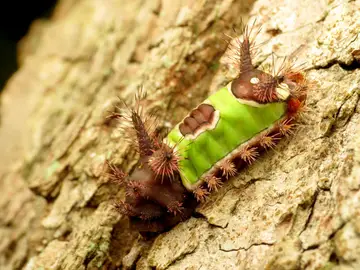
Estigmene acrea
Saltmarsh caterpillar (a woolly bear) Not stated
Texas A&M AgriLife says saltmarsh caterpillars are often confused with stinging caterpillars because they are fuzzy, and cautions: never handle fuzzy caterpillars unless you are sure they are not a stinging species; if you aren't 100% sure what an insect is, don't touch it with bare hands. Texas A&M AgriLife
Africanized Honey Bee Venomous
European honey bee Venomous
Not by sight: same species and same appearance. Differences are behavior and nest choice, and a confirmed ID needs testing.
Photos show typical adults; individuals vary. Never get close to compare.
Records of insects in Texas peak in April to May, July and September to October. They show when people record insects, not how many there are (about month bars).
Call 911 or Poison Help at 1-800-222-1222 right away. Poison Help connects you to your local poison center, any time of day.
Official advice from Texas A&M AgriLife:
Aquatic invasive species: email [email protected] (TPWD). TPWD general phone: (512) 389-4800 or (800) 792-1112. Texas Parks and Wildlife Department
The species list comes from No complete official list. Medically significant and commonly asked insects from Texas A&M AgriLife Extension and Texas DSHS (Texas A&M AgriLife Extension / Texas Imported Fire Ant Research and Management Project, mixed; see sources). 18 more entries come from other official sources named on each card.
Venom labels come only from official sources and link to them; "Not stated" never means harmless. How labels work.
"Nonnative" and "Invasive" follow the wording of the source list. See invasive species in Texas.
“No count stated.”
“Imported fire ants are aggressive, will defensively attack anything that disturbs them, and can sting repeatedly. … Some people become sensitive to fire ant stings and should seek the advice of an allergist.”
“Cyto-toxins and hemolytics in the fire ant venom cause necrosis of the skin and underlying connective tissue, creating a characteristic sterile pustule.”
“Asps have spines attached to venom glands that can lead to a nasty sting, rash and other issues.”
“Touching an asp caterpillar can cause severe pain and may even require a trip to the hospital, according to AgriLife Extension experts.”
“It’s dark, spiny body is covered in clusters of sharp, branched venomous spines.”
“These fuzzy, or sometimes spiky, insects may seem harmless but can cause itchy rashes, intense pain and severe reactions requiring medical”
“While many fuzzy caterpillars are harmless, never handle them unless you’re sure they are not a stinging species, Brown said.”
“Many people spend more time in outdoor areas like yards, parks and forests during warmer months from April-June – increasing the chance of encountering these insects.”
“Brown said she has been getting questions about saltmarsh caterpillars, often confused for stinging caterpillars because they’re fuzzy. … While many fuzzy caterpillars are harmless, never handle them unless you’re sure they are not a stinging species … If you aren’t 100% sure what an insect is, it’s best not to touch it with your bare hands.”
“C hagas disease is spread mainly by the feces of an infected kissing bug. … research out of Texas A&M University suggests that one in two kissing bugs in Texas are infected with the parasite.”
“The species highlighted here are some of the best known, most commonly encountered, and most dangerous of venomous animals.”
“They may be aggressive when foraging, especially in the fall.”
“Reaction is immediate but should subside in a few hours to a few days.”
“Stings are considered extremely painful.”
“They are dangerous if eaten, and can cause a reaction in the urinary tract.”
“The first pair of ‘legs’ is actually a pair of hollow fangs with a venom gland at the base.”
“There may be burning pain, nausea and temporary paralysis.”
“Blood feeders sometimes transmit diseases.”
“Only DNA testing or microscopic measurements can determine whether a colony is of European descent or is some form of African hybrid.”
“In addition, the presence of Africanized honey bees increases the chance of stinging attacks.”
“Alligators in Texas are mostly inactive from mid-October until early March. March through May is the alligator's peak time for breeding and nesting.”
“For information or to report sightings of aquatic invasive species, email [email protected].”