On this page All 51 lizards Lookalikes When they are active How to report About this list Sources
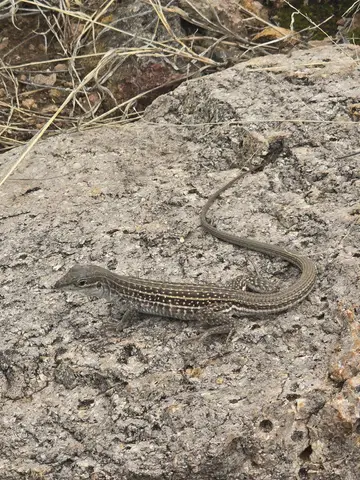
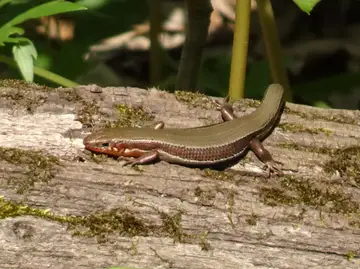
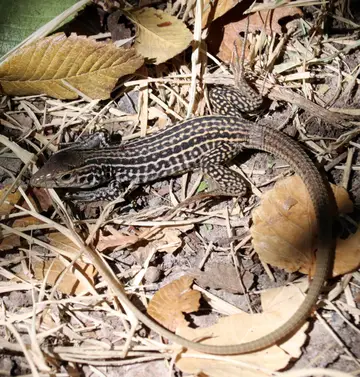
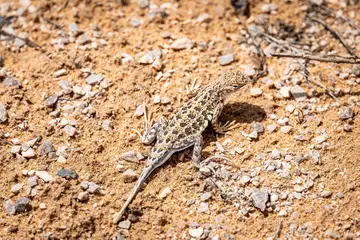
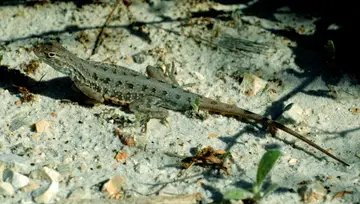
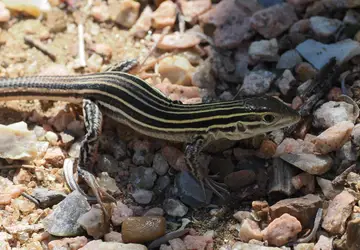
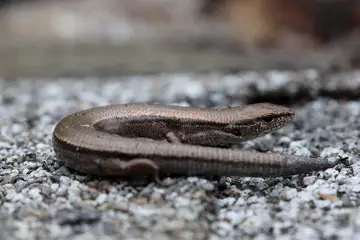
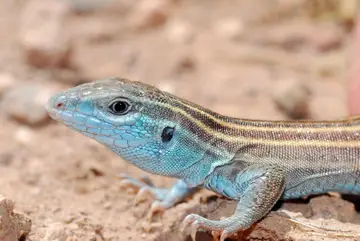
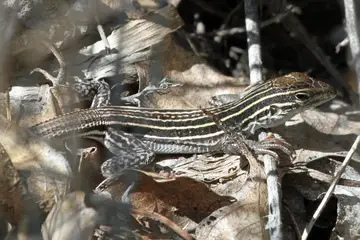
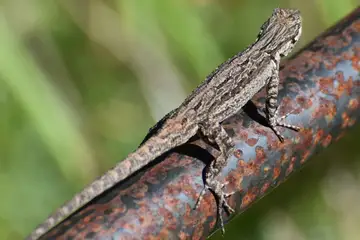
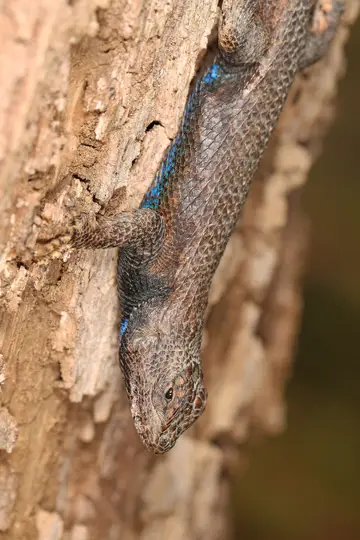
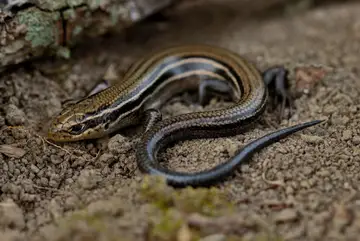
This page lists 51 lizards : all from Herps of Texas, Biodiversity Collections, Dept. of Integrative Biology, The University of Texas at Austin's Lizards of Texas.
All 51 lizards From A to Z.
Find by name
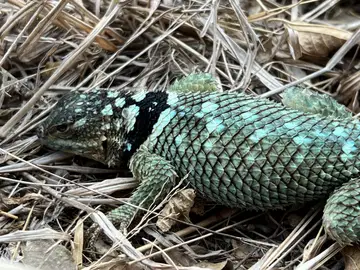
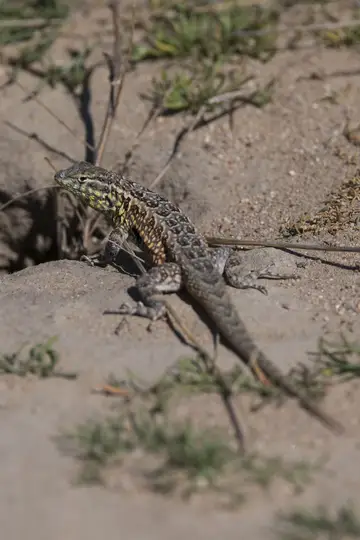
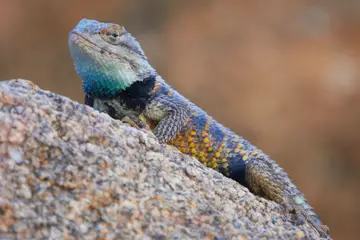
Photo: Brandon Bourassa · CC BY 4.0 · iNaturalist Blue Spiny Lizard Sceloporus cyanogenys
Not stated
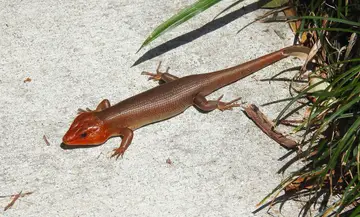
Venom No official source we use states whether this animal is venomous. That does not mean it is harmless: do not handle it. Photo: Laura Gaudette · CC BY 4.0 · iNaturalist Plestiodon laticeps
Not stated
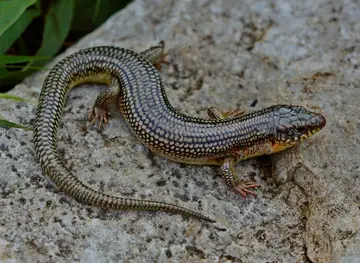
Venom No official source we use states whether this animal is venomous. That does not mean it is harmless: do not handle it. Size About 6.5 to 12.75 inches in total length. Oklahoma gives about 12 inches for large adults and SREL up to 13 inches. Males are larger than females. How to recognize it Large, wide head; breeding males have swollen orange-red jowls. Smooth, glass-like scales, short legs and a stocky body. Upper-lip scales separate it from five-lined skinks: Maryland, Tennessee and North Carolina count five labial scales between the nostril and the eye rather than four. Oklahoma and Missouri count differently, around 8 or 9 in the full lip row.
J F M A M J J A S O N D
54 records by month. Full Broad-headed Skink guide
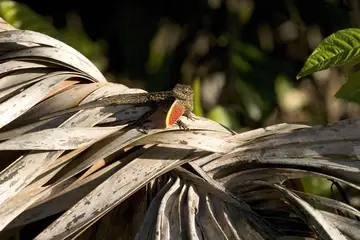
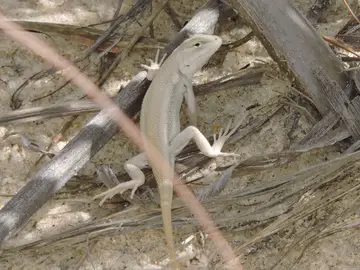
Photo: Everglades NPS from Homestead, Florida, United States · Public domain · Wikimedia Commons Anolis sagrei
Not stated
Venom No official source we use states whether this animal is venomous. That does not mean it is harmless: do not handle it. Size About 5 to 8.5 inches (12 to 21 cm) total length (SREL); Alabama DCNR says up to 9 inches, and the tail may be longer than the body. How to recognize it Males have an orange or red throat fan (dewlap) with a white edge. Brown to grayish with whitish or yellowish markings on the back; variable dark spots, half moons, triangles or lines. Fairly stout body and a shorter head than the green anole; slightly expanded toe pads.
J F M A M J J A S O N D
805 records by month. Full Brown Anole guide
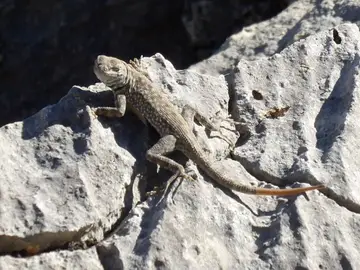
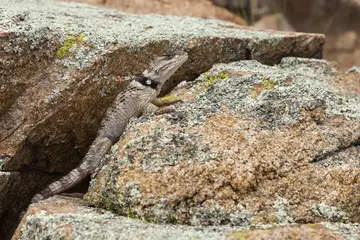
Photo: EJ Burns · CC BY 4.0 · iNaturalist Canyon Lizard Sceloporus merriami
Not stated
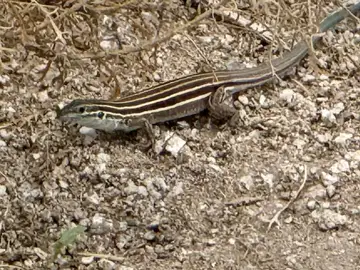
Venom No official source we use states whether this animal is venomous. That does not mean it is harmless: do not handle it. Photo: William · CC0 1.0 · iNaturalist Chihuahuan Spotted Whiptail Aspidoscelis exsanguis
Not stated
Venom No official source we use states whether this animal is venomous. That does not mean it is harmless: do not handle it. Photo: Thomas Koffel · CC BY 4.0 · iNaturalist Coal Skink Plestiodon anthracinus
Not stated
Venom No official source we use states whether this animal is venomous. That does not mean it is harmless: do not handle it. Photo: Catherine C. Galley · CC BY 4.0 · iNaturalist Common Checkered Whiptail Aspidoscelis tesselata
Not stated
Venom No official source we use states whether this animal is venomous. That does not mean it is harmless: do not handle it. No confirmed photo of Common Five-lined Skink Plestiodon fasciatus
Not stated
Venom No official source we use states whether this animal is venomous. That does not mean it is harmless: do not handle it. Size 5 to 8.5 inches How to recognize it Smooth, shiny scales Enlarged middle row of scales under the tail (separates it from the southeastern five-lined skink) Tail breaks off easily and twitches to distract predators; it grows back shorter
J F M A M J J A S O N D
130 records by month. Full Common Five-lined Skink guide
No confirmed photo of Common House Gecko Common House Gecko Hemidactylus frenatus
Not stated
Venom No official source we use states whether this animal is venomous. That does not mean it is harmless: do not handle it. Photo: dconvertini · CC BY-SA 2.0 · Wikimedia Commons · resized Common Lesser Earless Lizard Holbrookia maculata
Not stated
Venom No official source we use states whether this animal is venomous. That does not mean it is harmless: do not handle it. Photo: William Walker · CC BY 4.0 · iNaturalist Common Side-blotched Lizard Uta stansburiana
Not stated
Venom No official source we use states whether this animal is venomous. That does not mean it is harmless: do not handle it.
J F M A M J J A S O N D
195 records by month. Photo: Patrick Alexander from Las Cruces, NM · CC0 · Wikimedia Commons Crevice Spiny Lizard Sceloporus poinsettii
Not stated
Venom No official source we use states whether this animal is venomous. That does not mean it is harmless: do not handle it. Photo: CK2AZ · CC BY 4.0 · iNaturalist Desert Grassland Whiptail Aspidoscelis uniparens
Not stated
Venom No official source we use states whether this animal is venomous. That does not mean it is harmless: do not handle it. Photo: Ken-ichi Ueda · CC BY 4.0 · iNaturalist Desert Spiny Lizard Sceloporus magister
Not stated
Venom No official source we use states whether this animal is venomous. That does not mean it is harmless: do not handle it. Photo: Sam Kieschnick · CC BY 4.0 · iNaturalist Dunes Sagebrush Lizard Sceloporus arenicolous
Not stated
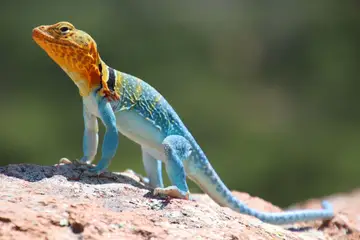
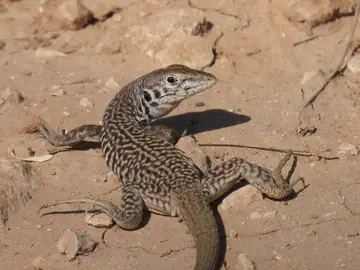
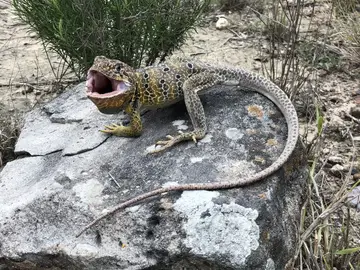
Venom No official source we use states whether this animal is venomous. That does not mean it is harmless: do not handle it. Photo: B. P. White · CC BY-SA 4.0 · iNaturalist · resized Crotaphytus collaris
Not stated
Venom No official source we use states whether this animal is venomous. That does not mean it is harmless: do not handle it. Size Adult total length 8 to 14 inches (Missouri); up to about 14 inches (Colorado). Snout to vent up to 4.65 inches (Arizona). How to recognize it Large head, long tail about twice the body length, distinct black collar Round tail in cross-section, separating it from the Great Basin collared lizard; inside of mouth and throat often black Runs on its hind legs at top speed
J F M A M J J A S O N D
123 records by month. Full Eastern Collared Lizard guide
Photo: lwolfartist · CC BY 2.0 · Wikimedia Commons Eastern Spotted Whiptail Aspidoscelis gularis
Not stated
Venom No official source we use states whether this animal is venomous. That does not mean it is harmless: do not handle it. No confirmed photo of Four-lined Skink Four-lined Skink Plestiodon tetragrammus
Not stated
Venom No official source we use states whether this animal is venomous. That does not mean it is harmless: do not handle it. Photo: brendanboyd · CC BY 4.0 · iNaturalist Graphic Spiny Lizard Sceloporus grammicus
Not stated
Venom No official source we use states whether this animal is venomous. That does not mean it is harmless: do not handle it. No confirmed photo of Gray Checkered Whiptail Gray Checkered Whiptail Aspidoscelis dixoni
Not stated
Venom No official source we use states whether this animal is venomous. That does not mean it is harmless: do not handle it. Photo: Peter Paplanus from St. Louis, Missouri · CC BY 2.0 · Wikimedia Commons Great Plains Skink Plestiodon obsoletus
Not stated
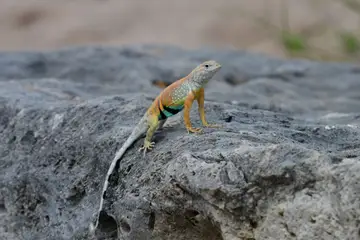
Venom No official source we use states whether this animal is venomous. That does not mean it is harmless: do not handle it. Photo: Cody Stricker · CC BY 4.0 · iNaturalist Greater Earless Lizard Cophosaurus texanus
Not stated
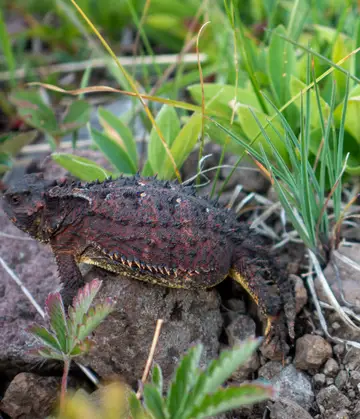
Venom No official source we use states whether this animal is venomous. That does not mean it is harmless: do not handle it. Photo: Bob Walker · CC BY 4.0 · iNaturalist Greater Short-horned Lizard Phrynosoma hernandesi
Not stated
Venom No official source we use states whether this animal is venomous. That does not mean it is harmless: do not handle it. Photo: Donald Hobern from Copenhagen, Denmark · CC BY 2.0 · Wikimedia Commons Anolis carolinensis
Not stated
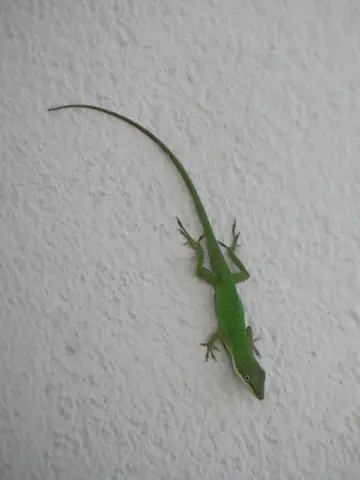
Venom No official source we use states whether this animal is venomous. That does not mean it is harmless: do not handle it. Size 5 to 8 inches (12.5 to 20 cm) including the tail; the tail can be twice as long as the body. How to recognize it Males have a pink throat fan (dewlap); TWRA says females have a white throat. Sticky toe pads for climbing walls, fences, shrubs and trees. Can change color between green and brown.
J F M A M J J A S O N D
3,680 records by month. Full Green Anole guide
No confirmed photo of Indo-Pacific Gecko Indo-Pacific Gecko Hemidactylus garnotii
Not stated
Venom No official source we use states whether this animal is venomous. That does not mean it is harmless: do not handle it. Photo: Mike Duran · CC BY 4.0 · iNaturalist Keeled Earless Lizard Holbrookia propinqua
Not stated
Venom No official source we use states whether this animal is venomous. That does not mean it is harmless: do not handle it. Photo: Rosario Douglas · CC BY 4.0 · iNaturalist Laredo Striped Whiptail Aspidoscelis laredoensis
Not stated
Venom No official source we use states whether this animal is venomous. That does not mean it is harmless: do not handle it. Photo: Rstanton13 · CC BY-SA 4.0 · Wikimedia Commons · resized Little Brown Skink Scincella lateralis
Not stated
Venom No official source we use states whether this animal is venomous. That does not mean it is harmless: do not handle it.
J F M A M J J A S O N D
628 records by month. Photo: Tom Kennedy · CC BY 4.0 · Wikimedia Commons Little Striped Whiptail Aspidoscelis inornata
Not stated
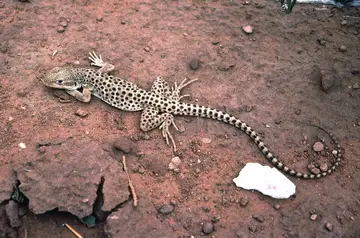
Venom No official source we use states whether this animal is venomous. That does not mean it is harmless: do not handle it. Photo: ALAN SCHMIERER · CC0 · Wikimedia Commons Long-nosed Leopard Lizard Gambelia wislizenii
Not stated
Venom No official source we use states whether this animal is venomous. That does not mean it is harmless: do not handle it. Photo: Joefarah · CC BY-SA 3.0 · Wikimedia Commons · resized Many-lined Skink Plestiodon multivirgatus
Not stated
Venom No official source we use states whether this animal is venomous. That does not mean it is harmless: do not handle it. Photo: Bob Nieman · CC BY 4.0 · Wikimedia Commons Marbled Whiptail Aspidoscelis marmorata
Not stated
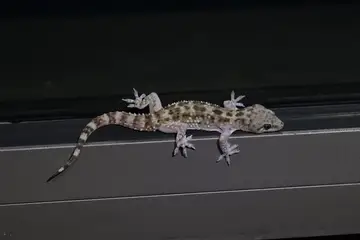
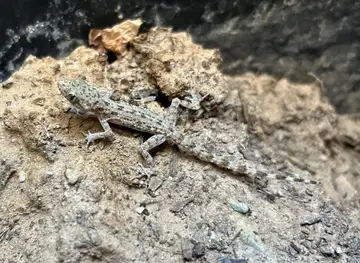
Venom No official source we use states whether this animal is venomous. That does not mean it is harmless: do not handle it. Photo: Stephanie Tran · CC BY 4.0 · iNaturalist Hemidactylus turcicus
Not stated
Venom No official source we use states whether this animal is venomous. That does not mean it is harmless: do not handle it. Size Adults about 4 to 5 inches long in total (Missouri gives 3.9 to 5.0 inches); up to 2.4 inches from snout to vent. How to recognize it Warty skin, large bulging eyes with vertical pupils, and wide toe pads for climbing. Large eyes without eyelids, covered by a clear scale. Unlike any native lizard in Georgia and South Carolina, geckos have sticky toe pads, vertical pupils and lidless eyes.
J F M A M J J A S O N D
1,173 records by month. Full Mediterranean House Gecko guide
No confirmed photo of Mexican Plateau Spotted Whiptail Mexican Plateau Spotted Whiptail Aspidoscelis septemvittata
Not stated
Venom No official source we use states whether this animal is venomous. That does not mean it is harmless: do not handle it. Photo: Greg Schechter from San Francisco, USA · CC BY 2.0 · Wikimedia Commons New Mexico Whiptail Aspidoscelis neomexicana
Not stated
Venom No official source we use states whether this animal is venomous. That does not mean it is harmless: do not handle it. Photo: Jason Leduc · CC0 1.0 · iNaturalist Ornate Tree Lizard Urosaurus ornatus
Not stated
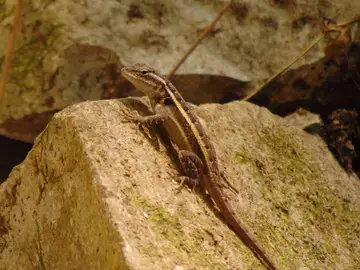
Venom No official source we use states whether this animal is venomous. That does not mean it is harmless: do not handle it. Photo: Judy Gallagher · CC BY 2.0 · Wikimedia Commons Sceloporus undulatus
Not stated
Venom No official source we use states whether this animal is venomous. That does not mean it is harmless: do not handle it. Size About 4 to 7.25 inches total length (SREL, Ohio DNR); Illinois gives up to about 19 cm (7.5 in). How to recognize it Rough, spiny, keeled scales: the only native lizard in North Carolina (and in Georgia and South Carolina) that looks rough or spiny Often on fences, trees, logs, stumps, rocks and buildings; dashes up a tree and keeps to the far side when approached Full Prairie Lizard guide
Photo: Peter Paplanus · CC BY 2.0 · Wikimedia Commons Prairie Skink Plestiodon septentrionalis
Not stated
Venom No official source we use states whether this animal is venomous. That does not mean it is harmless: do not handle it. No confirmed photo of Reticulate Banded Gecko Reticulate Banded Gecko Coleonyx reticulatus
Not stated
Venom No official source we use states whether this animal is venomous. That does not mean it is harmless: do not handle it. Photo: Neil Balchan · CC BY 4.0 · Wikimedia Commons Reticulate Collared Lizard Crotaphytus reticulatus
Not stated
Venom No official source we use states whether this animal is venomous. That does not mean it is harmless: do not handle it. Photo: Pewenator · CC BY-SA 4.0 · Wikimedia Commons · resized Rose-bellied Lizard Sceloporus variabilis
Not stated
Venom No official source we use states whether this animal is venomous. That does not mean it is harmless: do not handle it. Photo: John G. Phillips · CC BY 4.0 · iNaturalist Rough-tailed Gecko Cyrtopodion scabrum
Not stated
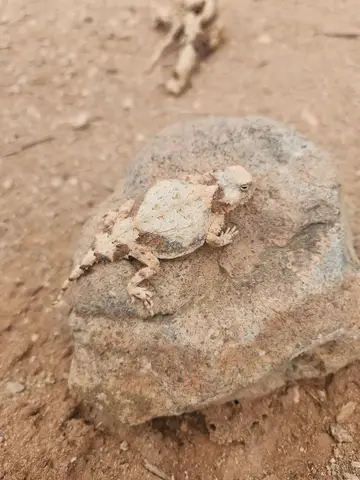
Venom No official source we use states whether this animal is venomous. That does not mean it is harmless: do not handle it. Photo: William · CC0 1.0 · iNaturalist Round-tailed Horned Lizard Phrynosoma modestum
Not stated
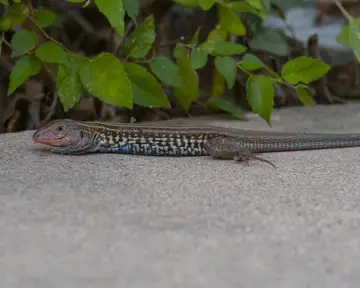
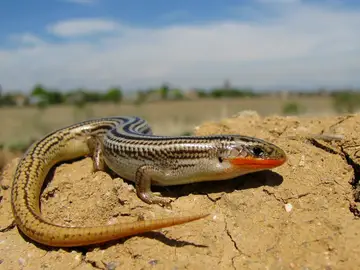
Venom No official source we use states whether this animal is venomous. That does not mean it is harmless: do not handle it. Photo: Joe Brewer · CC BY 4.0 · iNaturalist Six-lined Racerunner Aspidoscelis sexlineata
Not stated
Venom No official source we use states whether this animal is venomous. That does not mean it is harmless: do not handle it.
J F M A M J J A S O N D
151 records by month. Photo: Peter Paplanus from St. Louis, Missouri · CC BY 4.0 · Wikimedia Commons Slender Glass Lizard Ophisaurus attenuatus
Not stated
Venom No official source we use states whether this animal is venomous. That does not mean it is harmless: do not handle it. No confirmed photo of Spot-tailed Earless Lizard Spot-tailed Earless Lizard Holbrookia lacerata
Not stated
Venom No official source we use states whether this animal is venomous. That does not mean it is harmless: do not handle it. Photo: Michelle W. (鍾偉瑋) · CC BY 4.0 · iNaturalist Texas Alligator Lizard Gerrhonotus infernalis
Not stated
Venom No official source we use states whether this animal is venomous. That does not mean it is harmless: do not handle it. Photo: Matt Berger · CC BY 4.0 · Wikimedia Commons Texas Banded Gecko Coleonyx brevis
Not stated
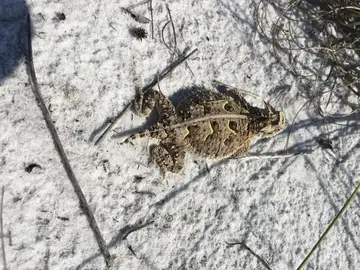
Venom No official source we use states whether this animal is venomous. That does not mean it is harmless: do not handle it. Photo: Gabriel Campbell-Martinez · CC BY 4.0 · iNaturalist Texas Horned Lizard Phrynosoma cornutum
Not stated
Venom No official source we use states whether this animal is venomous. That does not mean it is harmless: do not handle it. Conservation The Texas horned lizard currently is listed as a threatened species in Texas (federal category C2). (TPWD fact sheet tx-tpwd-fs-thlizard)
J F M A M J J A S O N D
503 records by month. Photo: lwolfartist · CC BY 2.0 · Wikimedia Commons Texas Spiny Lizard Sceloporus olivaceus
Not stated
Venom No official source we use states whether this animal is venomous. That does not mean it is harmless: do not handle it. Photo: Suwanosejima · CC BY-SA 4.0 · Wikimedia Commons · resized Western Spiny-tailed Iguana Ctenosaura pectinata
Not stated
Venom No official source we use states whether this animal is venomous. That does not mean it is harmless: do not handle it. Lizards people confuse Mediterranean house gecko or Indo-Pacific gecko? No confirmed photo of Indo-Pacific gecko Indo-Pacific gecko Not stated
The Mediterranean gecko has bumpy or warty skin; that is the easiest way to tell it from the similar Indo-Pacific gecko.
Green anole or Brown anole? Photo: Everglades NPS from Homestead, Florida, United States · Public domain · Wikimedia Commons Brown anole Not stated
Brown anoles are brown to grayish, usually with whitish or yellowish patterns on the back. Males have an orange or red throat fan with a white edge. The green anole is green or lightly patterned brown and has a pinkish throat fan. The brown anole also has a shorter snout and is more often on the ground or in low plants.
Brown anole or Green anole? The native green anole is green or lightly patterned brown, has a pinkish throat fan and a longer snout, and is generally arboreal (lives in trees), while brown anoles are usually on the ground or in low vegetation. The brown anole is brown to gray with back markings, and males have an orange or red throat fan with a white edge.
Common Five-lined Skink or Broad-headed Skink? NCWRC: broadhead skinks reach a much larger size. ODWC: juveniles can be told apart by counting the upper lip scales (five-lined: seven, with two post-labials; broad-headed: nine, with no post-labials).
Broad-headed skink or Great Plains skink? Oklahoma: its background color is tan to yellow, each scale bordered with black, giving the look of eleven irregular narrow stripes.
Photos show typical adults; individuals vary. Never get close to compare.
When lizards are active in Texas Records of lizards in Texas peak in April to July and September. They show when people record lizards, not how many there are (about month bars ).
Jan Feb Mar Apr May Jun Jul Aug Sep Oct Nov Dec
14,609 records of lizards in Texas by month (GBIF, CC0 and CC BY records). About this list The species list comes from Lizards of Texas (Herps of Texas checklist, UT Austin) (Herps of Texas, Biodiversity Collections, Dept. of Integrative Biology, The University of Texas at Austin, 2020-04-28 (archive capture date; site says distributions based on Dixon 2013 and range extensions through Dec 2012)).
Venom labels come only from official sources and link to them; "Not stated" never means harmless. How labels work .
Want a paper copy? Print the Texas lizards ID chart .
Sources Mission & Philosophy . Texas Parks and Wildlife Department. undated page; checked November 3, 2026. Herps of Texas: Lizards of Texas . Herps of Texas, Biodiversity Collections, Dept. of Integrative Biology, The University of Texas at Austin. 2020-04-28 (archive capture date; checked November 3, 2026. TPWD Wildlife Fact Sheet: Aquatic Invasive Species . Texas Parks and Wildlife Department. undated page; checked November 3, 2026. Quoted passages (1) “For information or to report sightings of aquatic invasive species, email [email protected] .” GBIF.org occurrence records, human observations licensed CC0 1.0 or CC BY 4.0 only, accessed November 3, 2026. The datasets behind these counts are listed on our Sources page.