States Wildlife

Utah Bugs and Insects That Sting or Bite

Last checked November 3, 2026 against official sources.

On this page
  1. Which insects can hurt you
  2. All 17 insects
  3. When they are active
  4. If you are bitten or stung
  5. About this list
  6. Sources

This page lists 17 insects. 1 is venomous by official accounts. 1 is nonnative.

Not every species: no complete official list of Utah insects exists, so this page covers the ones state and Extension sources name. How lists are built.

Which insects can hurt you

Official sources single out these insects in Utah, in their own words:

  • Mosquitoes (West Nile virus)

    Utah DHHS. “West Nile virus (WNV) is carried by mosquitoes and can cause disease in humans, birds, horses, and some other mammals.” DHHS

  • Rodent fleas (plague)

    Utah DHHS. “It is spread by rodent flea bites and infected animals to humans and can develop into serious infection and death.” DHHS

  • Stinging insects (allergic reactions)

    CDC/NIOSH. “People who are allergic to venom may experience anaphylaxis, a severe and potentially life-threatening allergic reaction that requires immediate emergency care.” CDC / NIOSH

  • Africanized honey bee
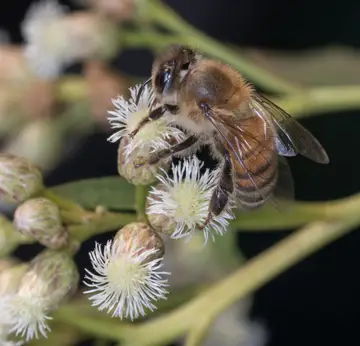
    Photo: Jesse Rorabaugh · CC0 1.0 · iNaturalist

    Africanized honey bee

    USU Extension. “These bees are more aggressive and will defend the nest in greater numbers compared to domesticated honey bees in the United States; their sting is not more painful or venomous than other honey bees.” Utah State University Extension

All 17 insects

Venomous species first, then A to Z. Do not handle them.

Africanized honey bee
Photo: Jesse Rorabaugh · CC0 1.0 · iNaturalist

Africanized honey bee

Venomous Nonnative per Utah State University Extension

Danger to people
“These bees are more aggressive and will defend the nest in greater numbers compared to domesticated honey bees in the United States; their sting is not more painful or venomous than other honey bees.” Utah State University Extension
Where in Utah
Iron, Kane, San Juan and Washington counties (confirmed colonies, as of the 2010 fact sheet) Utah State University Extension
What the sources say

Venom: “…their sting is not more painful or venomous than other honey bees.” (Utah State University Extension)

No confirmed photo of American bumble bee

American bumble bee

Bombus pensylvanicus

Not stated

Venom
No official source we use states whether this animal is venomous. That does not mean it is harmless: do not handle it.
Conservation
Utah Species of Greatest Conservation Need (2025); status: Petitioned
No confirmed photo of Brine fly

Brine fly

Ephydra gracilis

Not stated

Venom
No official source we use states whether this animal is venomous. That does not mean it is harmless: do not handle it.
Conservation
Utah Species of Greatest Conservation Need (2025)
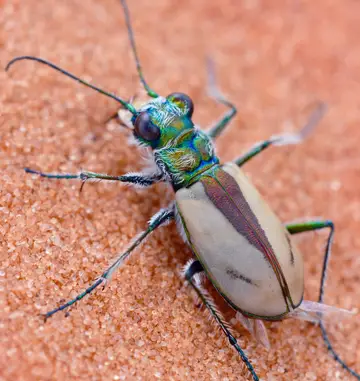
Coral Pink Sand Dunes tiger beetle
Photo: laiet17 · CC0 1.0 · iNaturalist

Coral Pink Sand Dunes tiger beetle

Cicindela albissima

Not stated

Venom
No official source we use states whether this animal is venomous. That does not mean it is harmless: do not handle it.
Conservation
Utah Species of Greatest Conservation Need (2025); status: Conservation agreement
No confirmed photo of Crested sallfly

Crested sallfly

Gaufinia cristata

Not stated

Venom
No official source we use states whether this animal is venomous. That does not mean it is harmless: do not handle it.
Conservation
Utah Species of Greatest Conservation Need (2025)
No confirmed photo of Giant salmonfly

Giant salmonfly

Pteronarcys californica

Not stated

Venom
No official source we use states whether this animal is venomous. That does not mean it is harmless: do not handle it.
Conservation
Utah Species of Greatest Conservation Need (2025)
No confirmed photo of Large marble butterfly

Large marble butterfly

Euchloe ausonides

Not stated

Venom
No official source we use states whether this animal is venomous. That does not mean it is harmless: do not handle it.
Conservation
Utah Species of Greatest Conservation Need (2025); status: Petitioned
No confirmed photo of Mojave poppy bee

Mojave poppy bee

Perdita meconis

Not stated

Venom
No official source we use states whether this animal is venomous. That does not mean it is harmless: do not handle it.
Conservation
Utah Species of Greatest Conservation Need (2025); status: Petitioned
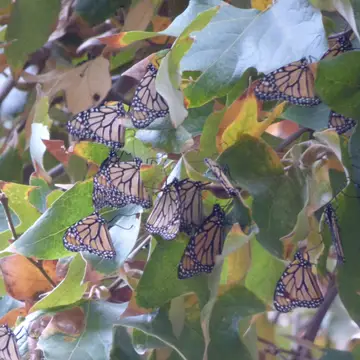
Monarch butterfly
Photo: Dave West · CC0 1.0 · iNaturalist

Monarch butterfly

Danaus plexippus

Not stated

Venom
No official source we use states whether this animal is venomous. That does not mean it is harmless: do not handle it.
Conservation
Utah Species of Greatest Conservation Need (2025); status: Threatened (proposed)
139 records by month.
No confirmed photo of Morrison’s bumble bee

Morrison’s bumble bee

Bombus morrisoni

Not stated

Venom
No official source we use states whether this animal is venomous. That does not mean it is harmless: do not handle it.
Conservation
Utah Species of Greatest Conservation Need (2025); status: Petitioned
No confirmed photo of Nokomis/Silverspot butterfly

Nokomis/Silverspot butterfly

Speyeria nokomis nokomis

Not stated

Venom
No official source we use states whether this animal is venomous. That does not mean it is harmless: do not handle it.
Conservation
Utah Species of Greatest Conservation Need (2025); status: Threatened
No confirmed photo of Ruddy copper butterfly

Ruddy copper butterfly

Tharsalea rubidus

Not stated

Venom
No official source we use states whether this animal is venomous. That does not mean it is harmless: do not handle it.
Conservation
Utah Species of Greatest Conservation Need (2025)
No confirmed photo of Suckley’s cuckoo bumble bee

Suckley’s cuckoo bumble bee

Bombus suckleyi

Not stated

Venom
No official source we use states whether this animal is venomous. That does not mean it is harmless: do not handle it.
Conservation
Utah Species of Greatest Conservation Need (2025); status: Endangered (proposed)
No confirmed photo of Tanner’s black camel cricket/Sand treader

Tanner’s black camel cricket/Sand treader

Utabaenetes tanneri

Not stated

Venom
No official source we use states whether this animal is venomous. That does not mean it is harmless: do not handle it.
Conservation
Utah Species of Greatest Conservation Need (2025)
No confirmed photo of Utah wood-nymph

Utah wood-nymph

Cercyonis pegala utahensis

Not stated

Venom
No official source we use states whether this animal is venomous. That does not mean it is harmless: do not handle it.
Conservation
Utah Species of Greatest Conservation Need (2025)
No confirmed photo of West Coast lady butterfly

West Coast lady butterfly

Vanessa annabella

Not stated

Venom
No official source we use states whether this animal is venomous. That does not mean it is harmless: do not handle it.
Conservation
Utah Species of Greatest Conservation Need (2025)
No confirmed photo of Western bumble bee

Western bumble bee

Bombus occidentalis

Not stated

Venom
No official source we use states whether this animal is venomous. That does not mean it is harmless: do not handle it.
Conservation
Utah Species of Greatest Conservation Need (2025); status: Petitioned

When insects are active in Utah

Records of insects in Utah peak in May to August. They show when people record insects, not how many there are (about month bars).

18,366 records of insects in Utah by month (GBIF, CC0 and CC BY records).

If you are bitten or stung

Call 911 or Poison Help at 1-800-222-1222 right away. Poison Help connects you to your local poison center, any time of day.

Official advice from DWR:

  • Secure trash and other attractants in bear country. DWR

About this list

Venom labels come only from official sources and link to them; "Not stated" never means harmless. How labels work.

"Nonnative" and "Invasive" follow the wording of the source list. See invasive species in Utah.

Sources

  1. Who we are: About the Utah Division of Wildlife Resources. Utah Division of Wildlife Resources (DWR). page "Last updated: April 2, 2026"; checked November 3, 2026.
  2. 2025 Utah Species of Greatest Conservation Need. Utah Division of Wildlife Resources (DWR). 2025 list; checked November 3, 2026.
  3. Africanized Honey Bees (USU Extension / Utah Plant Pest Diagnostic Laboratory fact sheet, Hodgson, Stanley, Roe, Downey). Utah State University Extension. fact sheet dated November 2010; checked November 3, 2026.
    Quoted passages (2)
    “…their sting is not more painful or venomous than other honey bees.”
    “These bees are more aggressive and will defend the nest in greater numbers compared to domesticated honey bees in the United States; their sting is not more painful or venomous than other honey bees.”
  4. West Nile virus | Communicable Diseases. Utah Department of Health and Human Services (DHHS). undated page; checked November 3, 2026.
    Quoted passages (1)
    “West Nile virus (WNV) is carried by mosquitoes and can cause disease in humans, birds, horses, and some other mammals.”
  5. Plague | Communicable Diseases. Utah Department of Health and Human Services (DHHS). undated page; checked November 3, 2026.
    Quoted passages (1)
    “It is spread by rodent flea bites and infected animals to humans and can develop into serious infection and death.”
  6. Insects and Scorpions at Work. CDC / NIOSH. archived copy, captured October 4, 2026; checked November 3, 2026.
    Quoted passages (1)
    “People who are allergic to venom may experience anaphylaxis, a severe and potentially life-threatening allergic reaction that requires immediate emergency care.”
  7. Bear incidents doubled from last year and how to prevent conflicts (news release). Utah Division of Wildlife Resources (DWR). Published Aug. 27, 2026; checked November 3, 2026.
    Quoted passages (1)
    “Utahns can help bears by not feeding them and by removing items that may attract them to the area.”
  8. GBIF.org occurrence records, human observations licensed CC0 1.0 or CC BY 4.0 only, accessed November 3, 2026. The datasets behind these counts are listed on our Sources page.