No official source we use states whether this animal is venomous. That does not mean it is harmless: do not handle it.
Size
Usually 6 to 8 inches long (NCWRC); can reach 8 inches or more and weigh over 2 pounds (CDFW). Missouri gives 3.5 to 6 inches snout to vent, occasionally to 8.75.
How to recognize it
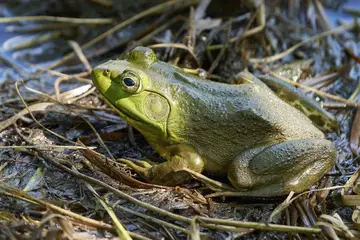
No ridge (dorsolateral fold) down each side of the back
Large round eardrum: about twice the eye in males, about eye-sized in females
Fully webbed hind feet, longest toe extends past the webbing
Bullfrogs lack the dorsolateral ridges that green frogs have.
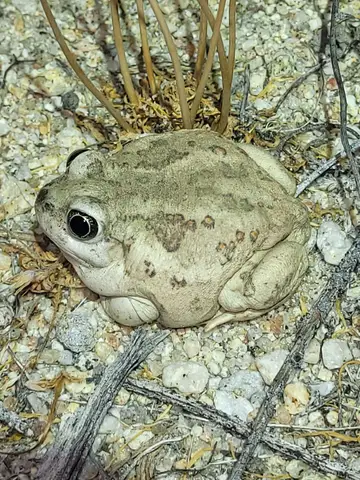
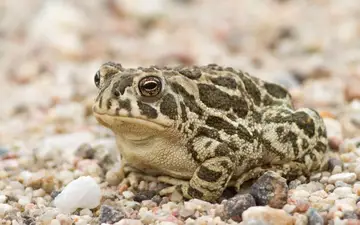
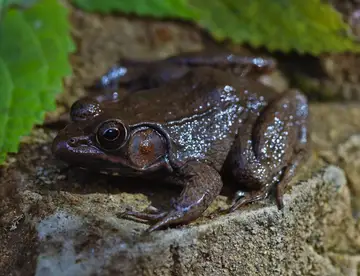
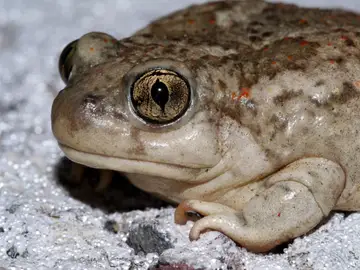
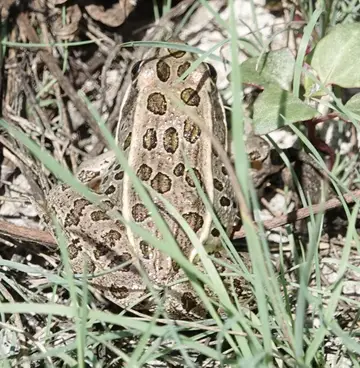
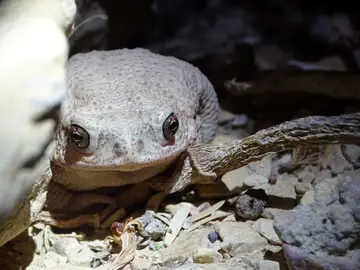
Photos show typical adults; individuals vary. Never get close to compare.
When frogs and toads are active in Utah
Records of frogs and toads in Utah peak in May to August. They show when people record frogs and toads, not how many there are (about month bars).
JanFebMarAprMayJunJulAugSepOctNovDec
399 records of frogs and toads in Utah by month (GBIF, CC0 and CC BY records).
If you see one
Official advice from DWR:
Rattlesnakes, Gila monsters, desert tortoises, western (boreal) toads and Columbia spotted frogs must not be handled or tampered with. DWR
How to report
Report a rattlesnake repeatedly seen in a problem area, or in a public park, yard or play area, to the nearest DWR office; report aggressive wildlife to the nearest DWR office (after hours: local police or county sheriff). Report Gila monster sightings to DWR (435-879-8694). Report non-native reptiles/amphibians via iNaturalist (optional, per DWR). DWR
“Rattlesnakes, Gila monsters, desert tortoises, western (boreal) toads and Columbia spotted frogs are prohibited from being handled or tampered with in any way.”
“If you do repeatedly see a rattlesnake in a problematic area or if you encounter a rattlesnake in a public park, yard or play area, you can contact the nearest DWR office to report it.”