States Wildlife

Colorado Spiders: Identification, Pictures & Which Bite

Last checked November 3, 2026 against official sources.

On this page
  1. Which spiders can hurt you
  2. Not native here
  3. All 13 spiders and 2 other arachnids
  4. When they are active
  5. If you are bitten or stung
  6. How to report
  7. Common questions
  8. What official sources say
  9. About this list
  10. Sources

This page lists 13 spiders and 2 other arachnids. 2 are venomous by official accounts, and 1 mildly venomous.

Not every species: no complete official list of Colorado spiders exists, so this page covers the ones state and Extension sources name. How lists are built.

Which spiders can hurt you

Official sources single out these spiders in Colorado, in their own words:

Not native here

Official sources say the brown recluse is not native to Colorado or not found there. It is not counted on this page; each entry quotes the source.

All 13 spiders and 2 other arachnids

Venomous species first, then A to Z. Do not handle them.

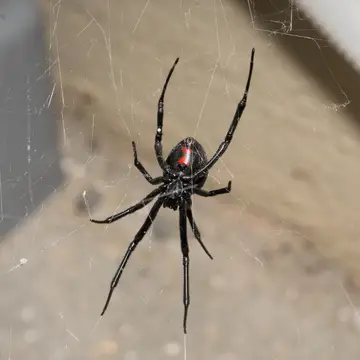
Western widow (black widow)
Photo: Dllu · CC BY-SA 4.0 · Wikimedia Commons · resized

Western widow (black widow)

Latrodectus hesperus

Venomous per Colorado State University Extension

Danger to people
“All members of the genus Latrodectus are potentially harmful to humans.” Colorado State University Extension
171 records by month.
What the sources say

Venom: “Bites from the widow spider are painful and potentially dangerous because they contain a nerve venom.” (Colorado State University Extension)

Habitat: They usually build their webs near the ground in dark, undisturbed sites. (Colorado State University Extension)

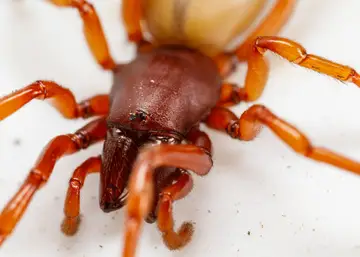
Wood louse hunter
Photo: Meghan Cassidy · CC BY-SA 4.0 · iNaturalist · resized

Wood louse hunter

Dysdera crocata

Venomous per Colorado State University Extension

What the sources say

Venom: “Their bite can be painful but they are not aggressive and their venom is not known to cause medical problems.” (Colorado State University Extension)

No confirmed photo of Cellar spiders

Cellar spiders

Mildly venomous per Colorado State University Extension

What the sources say

Venom: “Cellar spiders can bite humans (rarely), but the venom rarely causes more than mild irritation (if any symptoms occur at all).” (Colorado State University Extension)

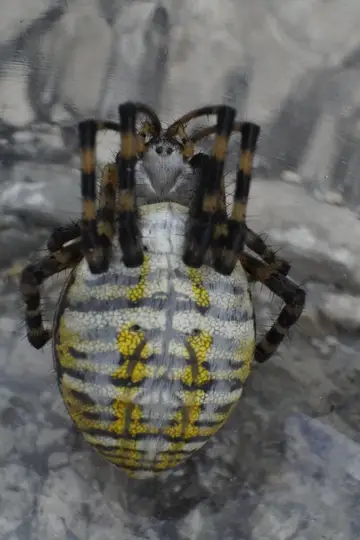
Banded garden spider
Photo: Nick Chirico · CC BY 4.0 · iNaturalist

Banded garden spider

Argiope trifasciata

Not stated

Venom
No official source we use states whether this animal is venomous. That does not mean it is harmless: do not handle it.
No confirmed photo of Cat-faced spider (monkeyface spider)

Cat-faced spider (monkeyface spider)

Araneus gemmoides

Not stated

Venom
No official source we use states whether this animal is venomous. That does not mean it is harmless: do not handle it.
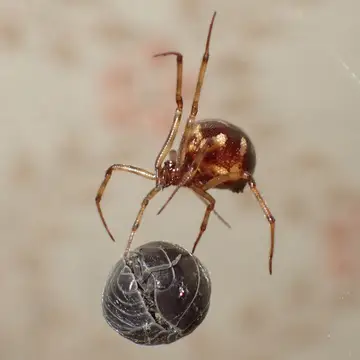
Cobweb spider (Steatoda)
Photo: dhasdf · CC BY 4.0 · iNaturalist

Cobweb spider (Steatoda)

Steatoda triangulosa

Not stated

Venom
No official source we use states whether this animal is venomous. That does not mean it is harmless: do not handle it.
No confirmed photo of Funnel web spiders

Funnel web spiders

Not stated

Venom
No official source we use states whether this animal is venomous. That does not mean it is harmless: do not handle it.
No confirmed photo of Harvestmen (daddy-long-legs) - not true spiders

Harvestmen (daddy-long-legs) - not true spiders

Order Opiliones

Non-venomous Harvestman: not a spider per Colorado State University Extension

What the sources say

Venom: “Unlike spiders, daddy-long-legs do not possess venom glands, nor do they produce silk.” (Colorado State University Extension)

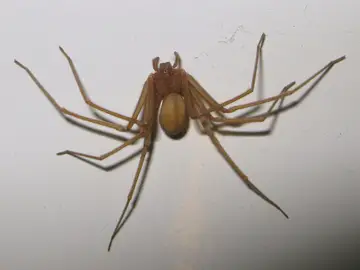
Mediterranean recluse
Photo: jacilluch · CC BY-SA 2.0 · Wikimedia Commons · resized

Mediterranean recluse

Loxosceles rufescens

Not stated

Venom
No official source we use states whether this animal is venomous. That does not mean it is harmless: do not handle it.
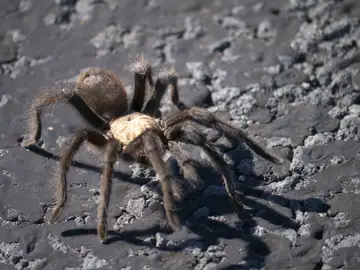
Oklahoma brown tarantula
Photo: xpda · CC BY-SA 4.0 · Wikimedia Commons · resized

Oklahoma brown tarantula

Aphonopelma hentzi

Not stated

Venom
No official source we use states whether this animal is venomous. That does not mean it is harmless: do not handle it.
92 records by month.
No confirmed photo of Sac spiders (long-legged sac spiders)

Sac spiders (long-legged sac spiders)

Cheiracanthium spp.

Not stated

Venom
No official source we use states whether this animal is venomous. That does not mean it is harmless: do not handle it.
No confirmed photo of Sun spiders (windscorpions) - not true spiders

Sun spiders (windscorpions) - not true spiders

Order Solifugae

Non-venomous Windscorpion: not a spider per Colorado State University Extension

What the sources say

Venom: “They possess large conspicuous jaws used to crush prey, but they do not have venom glands.” (Colorado State University Extension)

No confirmed photo of Tarantulas

Tarantulas

Aphonopelma spp.

Not stated

Venom
No official source we use states whether this animal is venomous. That does not mean it is harmless: do not handle it.
Where in Colorado
Tarantulas are found in southeastern and southwestern Colorado. Colorado State University Extension
No confirmed photo of Wolf spiders

Wolf spiders

Not stated

Venom
No official source we use states whether this animal is venomous. That does not mean it is harmless: do not handle it.

When spiders are active in Colorado

Records of spiders in Colorado peak in June to September. They show when people record spiders, not how many there are (about month bars).

3,428 records of spiders in Colorado by month (GBIF, CC0 and CC BY records).

If you are bitten or stung

Call 911 or Poison Help at 1-800-222-1222 right away. Poison Help connects you to your local poison center, any time of day.

How to report

Invasive species: file a report with CPW (online "Report a Sighting" form linked from cpw.state.co.us/invasive-wildlife). Injured/abandoned animals, feeding or illegal activity: CPW Denver Headquarters 303-297-1192 or any CPW office; anonymous: Operation Game Thief 877-265-6648. After-hours emergency: Colorado State Patrol 303-239-4500. Wildlife posing immediate danger: local CPW office or law enforcement. Colorado Parks and Wildlife

Common questions

What official sources say

Are there black widows in Colorado?

Yes. CSU Extension says widow spiders, particularly the western widow, are common in Colorado. Colorado State University Extension

“Widow spiders, particularly the western widow (Latrodectus hesperus), are common in Colorado.”

About this list

The species list comes from No complete official list of Colorado spiders. Entries are medically significant and commonly asked spiders named by CSU Extension (Spiders in the Home 5.512; Western Widow Spider; Brown Recluse Spiders in Colorado; Colorado Tarantulas) (Colorado State University Extension, Reviewed August 2025). 4 more entries come from other official sources named on each card.

Venom labels come only from official sources and link to them; "Not stated" never means harmless. How labels work.

Sources

  1. Species Profile List. Colorado Parks and Wildlife. page states 2026-04-09T13:47:52-0600; checked November 3, 2026.
  2. Spiders in the Home (Fact Sheet 5.512). Colorado State University Extension. Published September 2013; checked November 3, 2026.
    Quoted passages (9)
    “Bites from the widow spider are painful and potentially dangerous because they contain a nerve venom.”
    “Their bite can be painful but they are not aggressive and their venom is not known to cause medical problems.”
    “They possess large conspicuous jaws used to crush prey, but they do not have venom glands.”
    “Unlike spiders, daddy-long-legs do not possess venom glands, nor do they produce silk.”
    “Funnel web spiders are harmless but are often mistaken for the brown recluse, a spider whose venom is of medical importance, that does not naturally occur in Colorado.”
    “The venom of the brown recluse is damaging to human cells.”
    “Funnel web spiders are the most common spiders found in homes, particularly during late summer and early fall.”
    “They occasionally enter buildings, particularly in early summer.”
    “Widow spiders, particularly the western widow (Latrodectus hesperus), are common in Colorado.”
  3. Western Widow Spider. Colorado State University Extension. Published January 2013; checked November 3, 2026.
    Quoted passages (1)
    “All members of the genus Latrodectus are potentially harmful to humans.”
  4. Brown Recluse Spiders in Colorado: Recognition and Spiders of Similar Appearance. Colorado State University Extension. Published February 2008; checked November 3, 2026.
    Quoted passages (1)
    “Cellar spiders can bite humans (rarely), but the venom rarely causes more than mild irritation (if any symptoms occur at all).”
  5. Tarantulas (Colorado Arachnids of Interest). CSU Extension, Western Colorado Insects (Tri River Area) - Colorado Insects of Interest. undated page; checked November 3, 2026.
  6. Known Invasive Wildlife in Colorado. Colorado Parks and Wildlife. page states 2026-01-21T15:12:28-0700; checked November 3, 2026.
    Quoted passages (1)
    “If you spot any invasive species, file a report with CPW.”
  7. GBIF.org occurrence records, human observations licensed CC0 1.0 or CC BY 4.0 only, accessed November 3, 2026. The datasets behind these counts are listed on our Sources page.